



Direkt zum Inhalt

Warenkorb

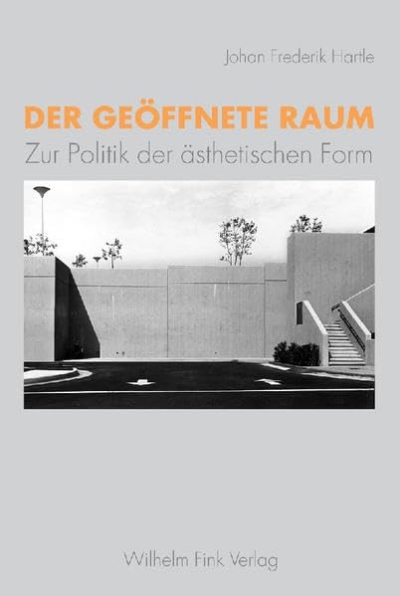
  • Johan Frederik Hartle

    Der geöffnete Raum. Zur Politik der ästhetischen Form

  • Jörg Dünne, Stephan Günzel (Hg.)

    Raumtheorie. Grundlagentexte aus Philosophie und…

  • An Architektur

    An Architektur 16-17

  • Vera Beyer, Jutta Voorhoeve, Anselm…

    Das Bild ist der König. Repräsentation nach Louis Marin

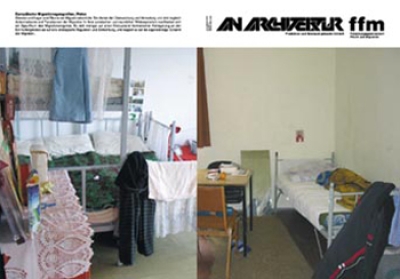
  • An Architektur

    An Architektur 15 / FFM 11: Europäische…

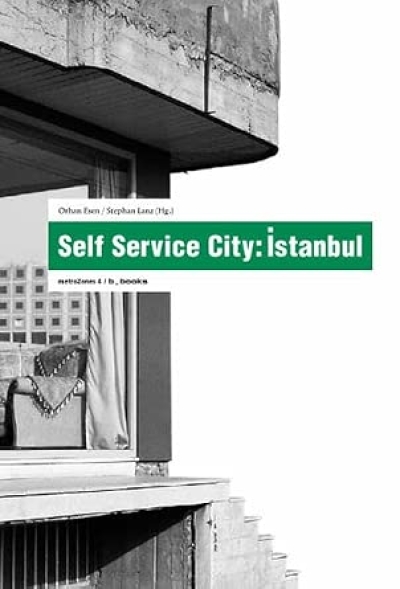
  • Orhan Esen, Stephan Lanz (Hg)

    Self Service City. Istanbul (metrozones 4)

  • An Architektur

    An Architektur 14: Camp for Oppositional Architecture

  • Stephan Lanz (Hg.)

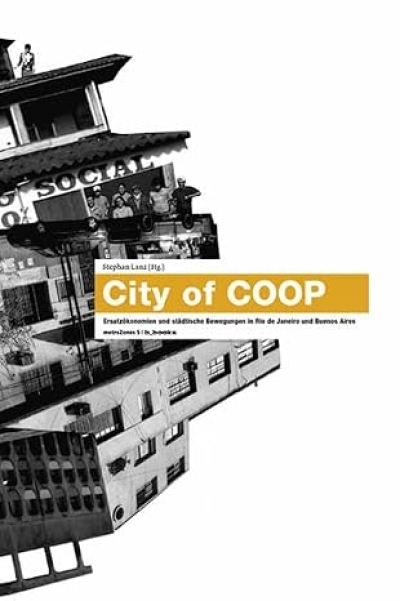
    City of COOP. Ersatzökonomiern und städtische Bewegungen in…

  • An Architektur

    An Architektur 11-13: Theorie und Praxis der Kartografie

  • An Architektur

    An Architektur 10: Gemeinschaftsräume

  • Jochen Becker, Stephan Lanz (Hg.)

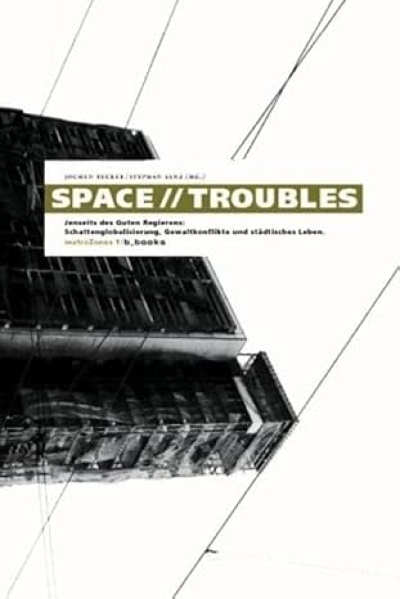
    Space//Troubles. Jenseits des Guten Regierens:…

  • Sarai media lab

    Sarai Reader 03: shaping technologies

  • An Architektur

    An Architektur 04-09: Krieg und die Produktion von Raum

  • IDEA Magazine

    IDEA 296. Books <preposition> graphic design

  • IDEA Magazine

    IDEA 293. Stanley Donwood / Vacances. DD-DDD / Dimensions…

  • gerade nicht auf Lager
    An Architektur

    An Architektur 01-03

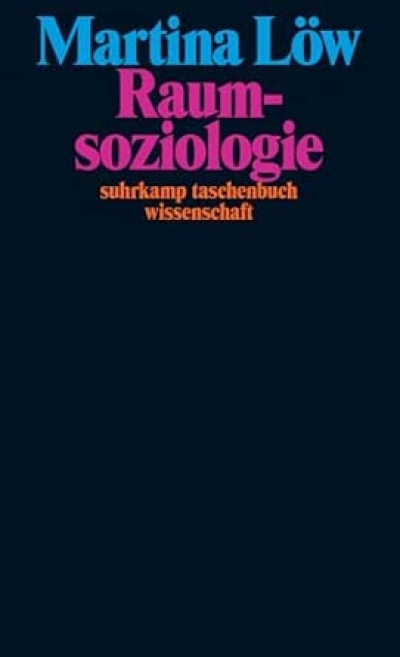
  • Martina Löw

    Raumsoziologie

  • Pro qm

    Gutschein / Voucher

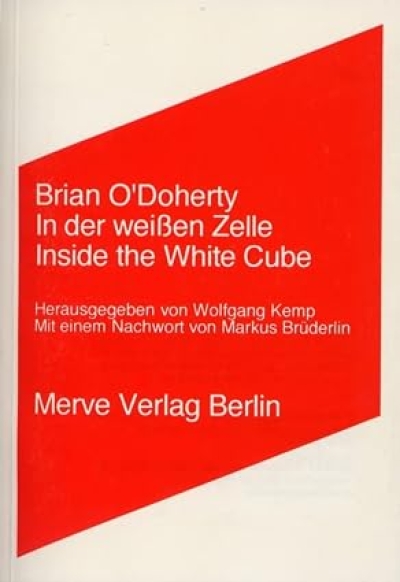
  • Brian O'Doherty

    In der weissen Zelle. Inside the White Cube

  • gerade nicht auf Lager
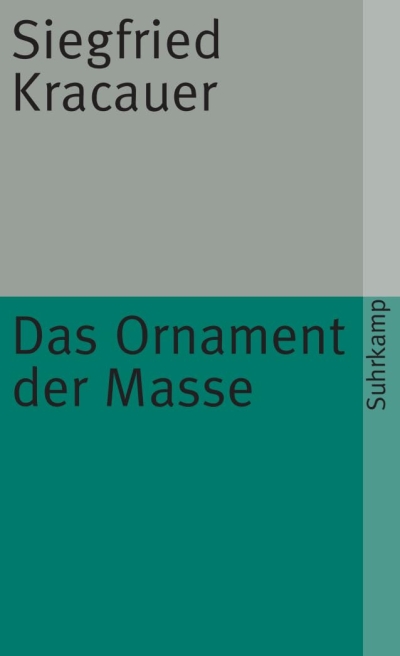
    Siegfried Kracauer

    Das Ornament der Masse. Essays

Empathy Revisited. Designs for more than one

Ideas, utopian propositions and practical solutions for reinterpreting and reconnecting empathically with the world around us. This book brings together ideas and projects that seek to define a new role for design based on empathy. As a mediator of emotions and feelings, design is presented here as a practice that takes care as its main purpose. Designers adopt sensitive,diplomatic, sometimes therapeutic functions, with the aim of connecting us with one another but also with the world around us, with other species, with soil, water and even the universe. In this book, the reader will find new ideas, utopian propositions but also practical solutions for reinterpreting and reconnecting with the world around them. Taking food as a key medium of encounter, both between people and also with the more than human world, the designers featured in this book consciously operate in a multi-scalar realm – from the invisible microbial life that lives in our gut to the vast landscapes transformed by agricultural practices. Designs for more than one are those that take into consideration not just their immediate user or client but the many constituents inevitably impacted by any new object or action.


Mariana Pestana, Sumitra Upham, Billie Muraben (eds.)
Empathy Revisited. Designs for more than one
Onomatopee, 2021, 978-94-93148-59-8
gerade nicht auf Lager