






Direkt zum Inhalt

Warenkorb

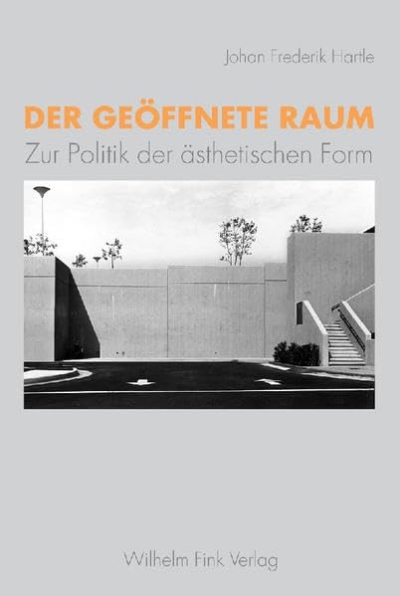
  • Johan Frederik Hartle

    Der geöffnete Raum. Zur Politik der ästhetischen Form

  • Jörg Dünne, Stephan Günzel (Hg.)

    Raumtheorie. Grundlagentexte aus Philosophie und…

  • An Architektur

    An Architektur 16-17

  • Vera Beyer, Jutta Voorhoeve, Anselm…

    Das Bild ist der König. Repräsentation nach Louis Marin

  • An Architektur

    An Architektur 15 / FFM 11: Europäische…

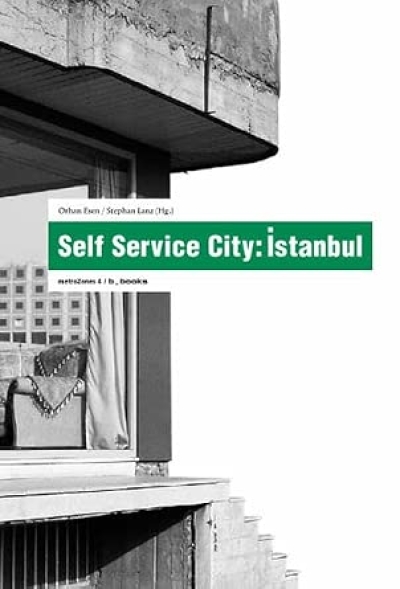
  • Orhan Esen, Stephan Lanz (Hg)

    Self Service City. Istanbul (metrozones 4)

  • An Architektur

    An Architektur 14: Camp for Oppositional Architecture

  • Stephan Lanz (Hg.)

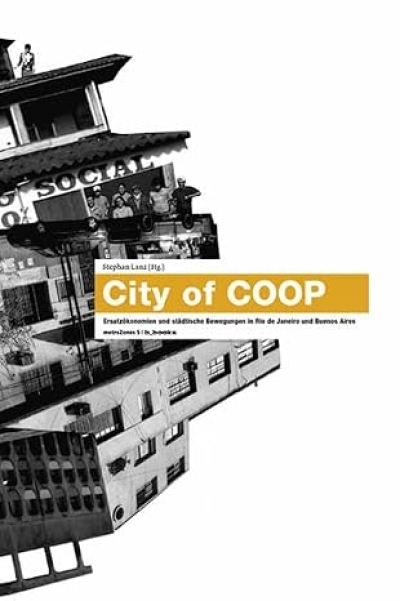
    City of COOP. Ersatzökonomiern und städtische Bewegungen in…

  • An Architektur

    An Architektur 11-13: Theorie und Praxis der Kartografie

  • An Architektur

    An Architektur 10: Gemeinschaftsräume

  • Jochen Becker, Stephan Lanz (Hg.)

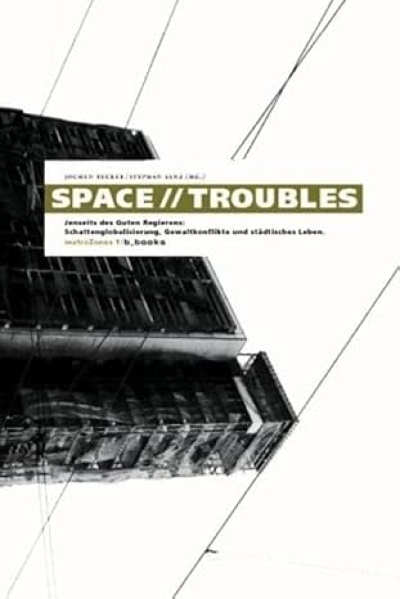
    Space//Troubles. Jenseits des Guten Regierens:…

  • Sarai media lab

    Sarai Reader 03: shaping technologies

  • An Architektur

    An Architektur 04-09: Krieg und die Produktion von Raum

  • IDEA Magazine

    IDEA 296. Books <preposition> graphic design

  • IDEA Magazine

    IDEA 293. Stanley Donwood / Vacances. DD-DDD / Dimensions…

  • gerade nicht auf Lager
    An Architektur

    An Architektur 01-03

  • Martina Löw

    Raumsoziologie

  • Pro qm

    Gutschein / Voucher

  • Brian O'Doherty

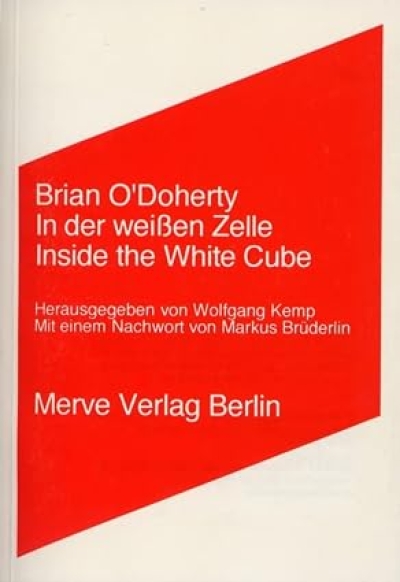
    In der weissen Zelle. Inside the White Cube

  • gerade nicht auf Lager
    Siegfried Kracauer

    Das Ornament der Masse. Essays

Capitalism and the Sea

The global ocean has through the centuries served as a trade route, strategic space, fish bank and supply chain for the modern capitalist economy. While sea beds are drilled for their fossil fuels and minerals, and coastlines developed for real estate and leisure, the oceans continue to absorb the toxic discharges of our carbon civilisation—warming, expanding, and acidifying the blue water part of the planet in ways that will bring unpredictable but irreversible consequences for the rest of the biosphere.
In this bold and radical new book, Campling and Colás analyse these and other sea-related phenomena through a historical and geographical lens. In successive chapters dealing with the political economy, ecology and geopolitics of the sea, the authors argue that the earth’s geographical separation into land and sea has significant consequences for capitalist development. The distinctive features of this mode of production continuously seek to transcend the land-sea binary in an incessant quest for profit, engendering new alignments of sovereignty, exploitation and appropriation in the capture and coding of maritime spaces and resources.


Liam Campling and Alejandro Colás
Capitalism and the Sea
Verso, 2021, 9781784785239
gerade nicht auf Lager