






Direkt zum Inhalt

Warenkorb

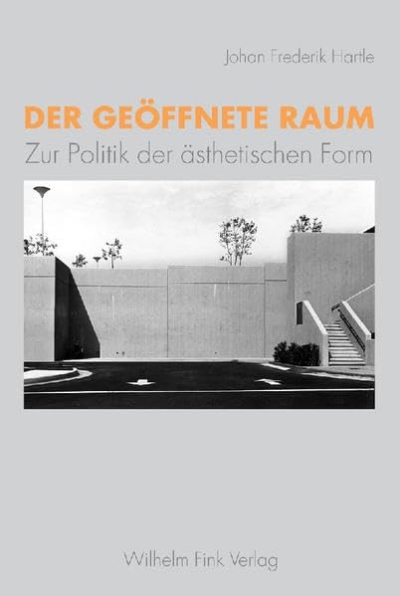
  • Johan Frederik Hartle

    Der geöffnete Raum. Zur Politik der ästhetischen Form

  • Jörg Dünne, Stephan Günzel (Hg.)

    Raumtheorie. Grundlagentexte aus Philosophie und…

  • An Architektur

    An Architektur 16-17

  • Vera Beyer, Jutta Voorhoeve, Anselm…

    Das Bild ist der König. Repräsentation nach Louis Marin

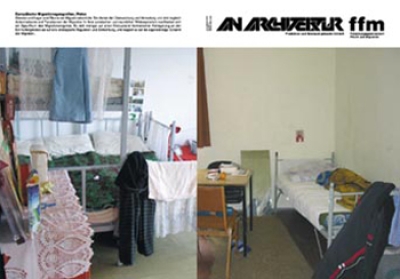
  • An Architektur

    An Architektur 15 / FFM 11: Europäische…

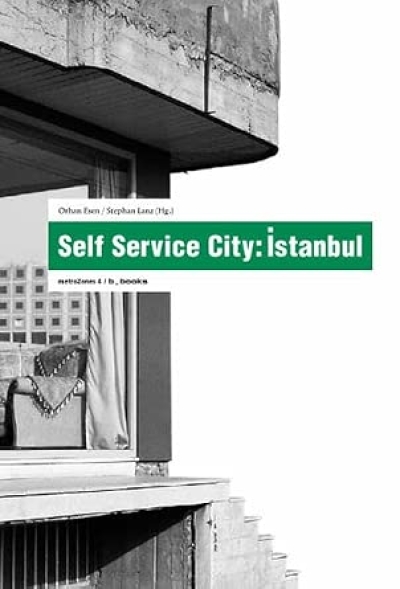
  • Orhan Esen, Stephan Lanz (Hg)

    Self Service City. Istanbul (metrozones 4)

  • An Architektur

    An Architektur 14: Camp for Oppositional Architecture

  • Stephan Lanz (Hg.)

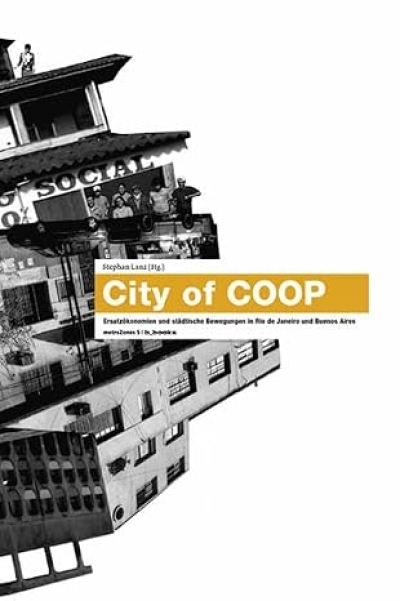
    City of COOP. Ersatzökonomiern und städtische Bewegungen in…

  • An Architektur

    An Architektur 11-13: Theorie und Praxis der Kartografie

  • An Architektur

    An Architektur 10: Gemeinschaftsräume

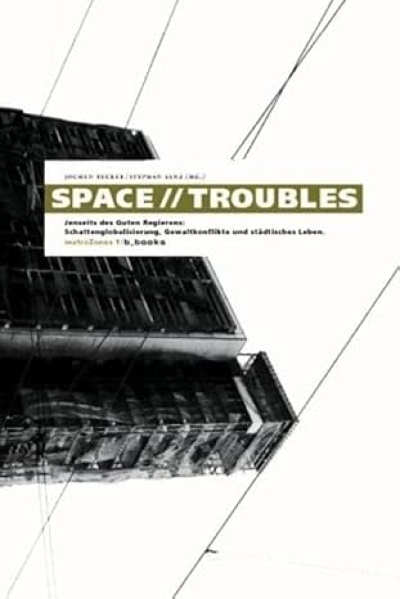
  • Jochen Becker, Stephan Lanz (Hg.)

    Space//Troubles. Jenseits des Guten Regierens:…

  • Sarai media lab

    Sarai Reader 03: shaping technologies

  • An Architektur

    An Architektur 04-09: Krieg und die Produktion von Raum

  • IDEA Magazine

    IDEA 296. Books <preposition> graphic design

  • IDEA Magazine

    IDEA 293. Stanley Donwood / Vacances. DD-DDD / Dimensions…

  • gerade nicht auf Lager
    An Architektur

    An Architektur 01-03

  • Martina Löw

    Raumsoziologie

  • Pro qm

    Gutschein / Voucher

  • Brian O'Doherty

    In der weissen Zelle. Inside the White Cube

  • gerade nicht auf Lager
    Siegfried Kracauer

    Das Ornament der Masse. Essays

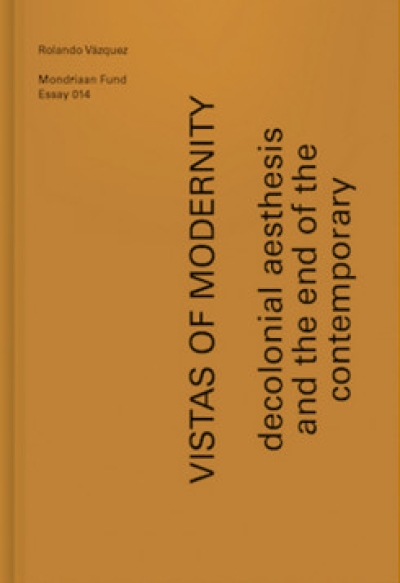
Vistas Of Modernity. Decolonial Aesthesis And The End Of The Contemporary

We are living in a time of polarization. Cultural and educational institutions are confronted with the responsibility to provide tools and spaces for critical reflection, for engagement, and, more fundamentally, for meeting and recognizing each other in our differences. In this decolonial essay Rolando Vázquez introduces his critique which offers an option for thinking and doing beyond the dominant paradigms. It provides a critical analysis of modernity understood broadly as the western project of civilization, while it seeks to overcome the dominion of western epistemology and aesthetics and their embedded eurocentrism and anthropocentrism.
Importantly for decolonial thought we are all located in relation to the colonial difference that structures our modern/colonial order. It is only from an awareness of our positioned realities that we can enter in relation with each-other, that we can listen to each-other and learn each-other.


Rolando Vázquez
Vistas Of Modernity. Decolonial Aesthesis And The End Of The Contemporary
Jap Sam Books, 2020, 978-90-76936-53-6
gerade nicht auf Lager