




Direkt zum Inhalt

Warenkorb

  • Johan Frederik Hartle

    Der geöffnete Raum. Zur Politik der ästhetischen Form

  • Jörg Dünne, Stephan Günzel (Hg.)

    Raumtheorie. Grundlagentexte aus Philosophie und…

  • An Architektur

    An Architektur 16-17

  • Vera Beyer, Jutta Voorhoeve, Anselm…

    Das Bild ist der König. Repräsentation nach Louis Marin

  • An Architektur

    An Architektur 15 / FFM 11: Europäische…

  • Orhan Esen, Stephan Lanz (Hg)

    Self Service City. Istanbul (metrozones 4)

  • An Architektur

    An Architektur 14: Camp for Oppositional Architecture

  • Stephan Lanz (Hg.)

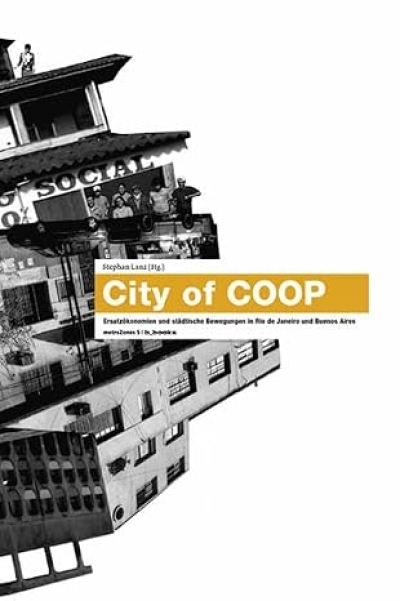
    City of COOP. Ersatzökonomiern und städtische Bewegungen in…

  • An Architektur

    An Architektur 11-13: Theorie und Praxis der Kartografie

  • An Architektur

    An Architektur 10: Gemeinschaftsräume

  • Jochen Becker, Stephan Lanz (Hg.)

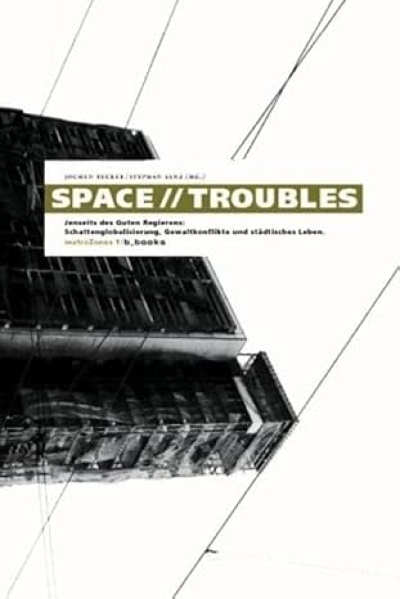
    Space//Troubles. Jenseits des Guten Regierens:…

  • Sarai media lab

    Sarai Reader 03: shaping technologies

  • An Architektur

    An Architektur 04-09: Krieg und die Produktion von Raum

  • IDEA Magazine

    IDEA 296. Books <preposition> graphic design

  • IDEA Magazine

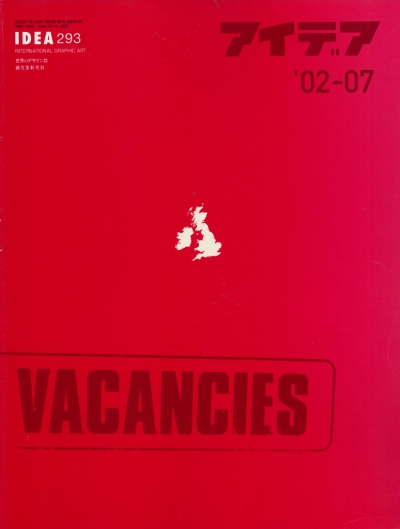
    IDEA 293. Stanley Donwood / Vacances. DD-DDD / Dimensions…

  • gerade nicht auf Lager
    An Architektur

    An Architektur 01-03

  • Martina Löw

    Raumsoziologie

  • Pro qm

    Gutschein / Voucher

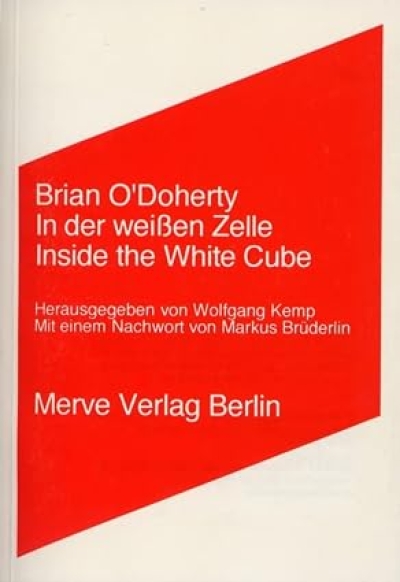
  • Brian O'Doherty

    In der weissen Zelle. Inside the White Cube

  • gerade nicht auf Lager
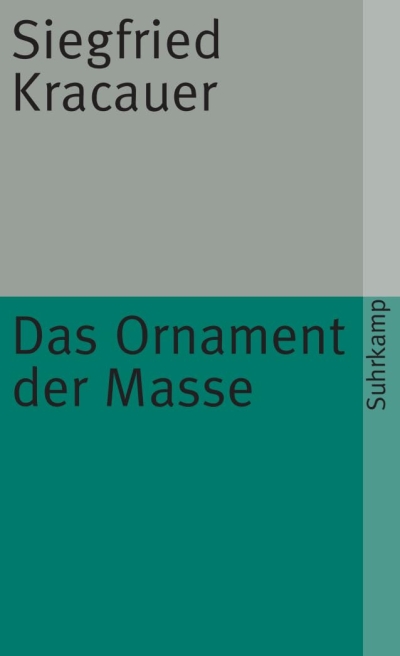
    Siegfried Kracauer

    Das Ornament der Masse. Essays

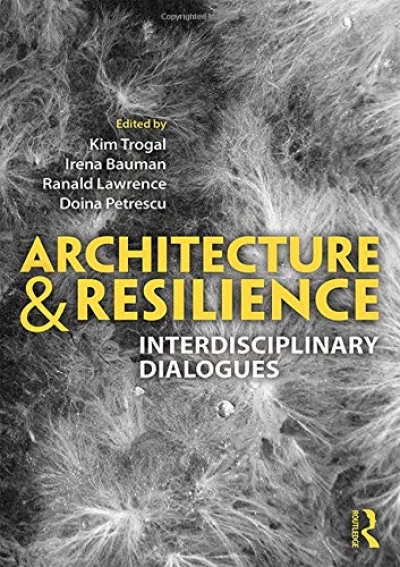
Architecture & Resilience. Interdisciplinary Dialogues

Resilience will be a defining quality of the twenty-first century. As we witness the increasingly turbulent effects of climate change, the multiple challenges of resource depletion and wage stagnation, we know that our current ways of living are not resilient. Our urban infrastructures, our buildings, our economies, our ways of managing and governing are still too tightly bound to models of unrestrained free-market growth, individualism and consumerism. Research has shown that the crises arising from climate change will become increasingly frequent and increasingly severe. It is also known that the effects of climate change are not evenly distributed across places and people, and neither are the resources needed to meet these challenges. We will need specific responses in place that engage with, and emerge from, citizens ourselves.
This volume takes resilience as a transformative concept to ask where and what architecture might contribute. Bringing together cross-disciplinary perspectives from architecture, urban design, art, geography, building science and psychoanalysis, it aims to open up multiple perspectives of research, spatial strategies and projects that are testing how we can build local resilience in preparation for major societal challenges, defining the position of architecture in urban resilience discourse.


Kim Trogal, Irene Baumann, Ranald Lawrence, Doina Petrescu
Architecture & Resilience. Interdisciplinary Dialogues
Routledge, 2019, 9781138065819
42,00 €