Direkt zum Inhalt

Warenkorb

  • Johan Frederik Hartle

    Der geöffnete Raum. Zur Politik der ästhetischen Form

  • Jörg Dünne, Stephan Günzel (Hg.)

    Raumtheorie. Grundlagentexte aus Philosophie und…

  • An Architektur

    An Architektur 16-17

  • Vera Beyer, Jutta Voorhoeve, Anselm…

    Das Bild ist der König. Repräsentation nach Louis Marin

  • An Architektur

    An Architektur 15 / FFM 11: Europäische…

  • Orhan Esen, Stephan Lanz (Hg)

    Self Service City. Istanbul (metrozones 4)

  • An Architektur

    An Architektur 14: Camp for Oppositional Architecture

  • Stephan Lanz (Hg.)

    City of COOP. Ersatzökonomiern und städtische Bewegungen in…

  • An Architektur

    An Architektur 11-13: Theorie und Praxis der Kartografie

  • An Architektur

    An Architektur 10: Gemeinschaftsräume

  • Jochen Becker, Stephan Lanz (Hg.)

    Space//Troubles. Jenseits des Guten Regierens:…

  • Sarai media lab

    Sarai Reader 03: shaping technologies

  • An Architektur

    An Architektur 04-09: Krieg und die Produktion von Raum

  • IDEA Magazine

    IDEA 296. Books <preposition> graphic design

  • IDEA Magazine

    IDEA 293. Stanley Donwood / Vacances. DD-DDD / Dimensions…

  • gerade nicht auf Lager
    An Architektur

    An Architektur 01-03

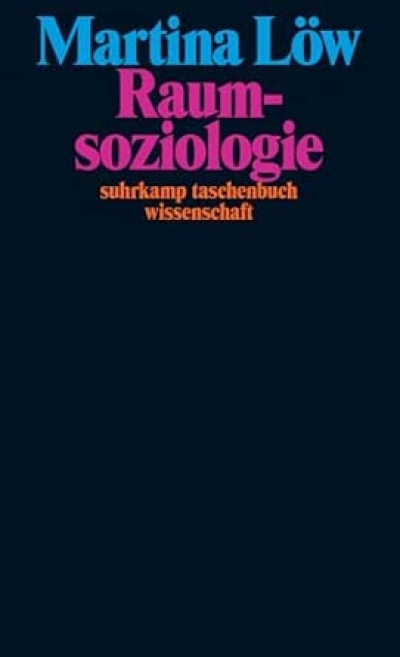
  • Martina Löw

    Raumsoziologie

  • Pro qm

    Gutschein / Voucher

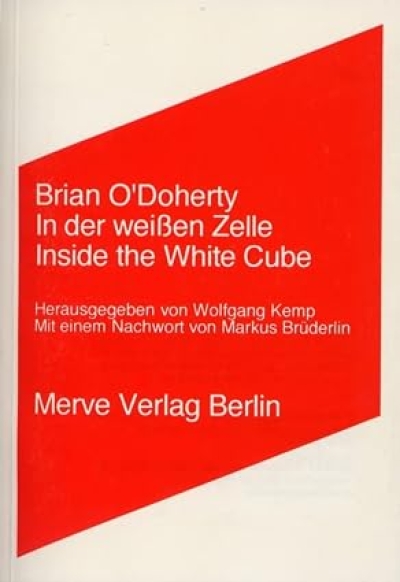
  • Brian O'Doherty

    In der weissen Zelle. Inside the White Cube

  • gerade nicht auf Lager
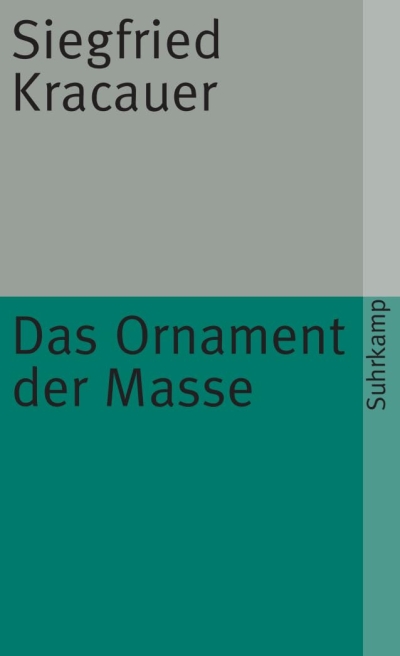
    Siegfried Kracauer

    Das Ornament der Masse. Essays

Berlin Maps

Over the past century, Berlin has undergone countless transformations, marked by rapid growth, destruction, and survival and halting revival as a Siamese-twin city. This last phase was characterized by stagnation or even shrinkage, which strengthened Berlin’s unusual polycentric settlement form, with no clear core. The changing dynamics of antagonistic political forces forged a variety of spatial characteristics and abnormalities.
In 18 chapters Berlin Maps offers an atlas of the special, strange, or undiscovered phenomena of the German capital: natural and artificial mountains, escape tunnels and enclaves, swamps and moors, the four walls, and much more. The book presents architectural geography, urban history, political upheavals, scenic spaces, and curiosities with relish in newly drawn maps and detailed illustrations.
The authors Sebastian Felix Ernst and Jonas Tratz are native Berliners and co-founders of the architecture firm FAKT. Together they taught at the DIA Institute of Architecture (FH Anhalt), where they explored new concepts for Berlin‘s periphery.


Sebastian Felix Ernst, Jonas Tratz/FAKT
Berlin Maps
Ruby Press, 2023, 2. Auflage, 978-3-944074-36-8
28,00 €