






































Direkt zum Inhalt

Warenkorb

  • Yilmaz Dziewior (Ed.)

    Liebe ist kälter als das Kapital. Love is colder than…

  • Jens Müller (Ed.)

    Rolf Müller

  • gerade nicht auf Lager
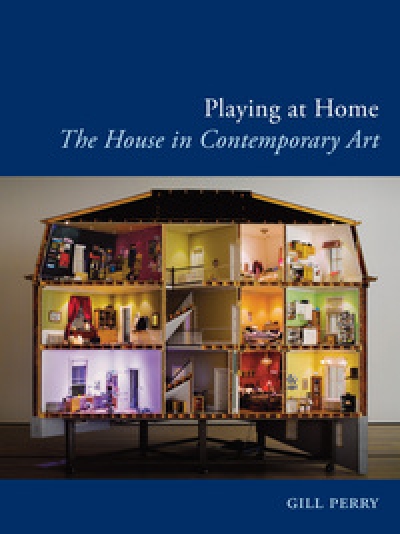
    Gill Perry

    Playing at Home. The House in Contemporary Art

  • gerade nicht auf Lager
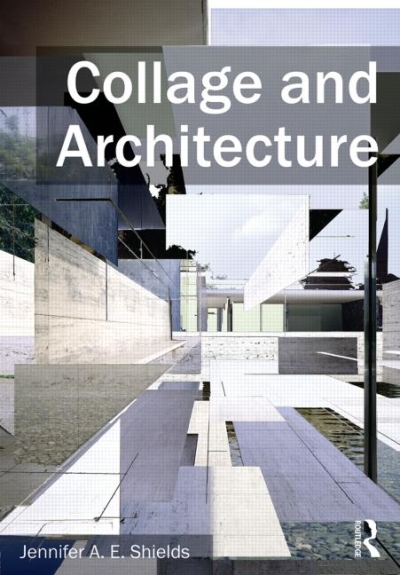
    Jennifer A.E. Shields

    Collage and Architecture

  • gerade nicht auf Lager
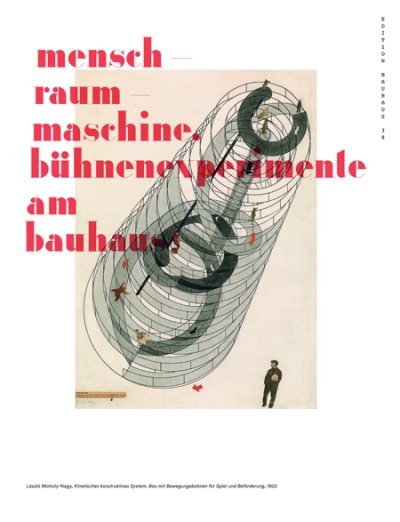
    Torsten Blume, Christian Hiller (Hg.)

    Mensch - Raum – Maschine. Bühnenexperimente am Bauhaus

  • Richard Birkett (Ed.)

    and Materials and Money and Crisis

  • gerade nicht auf Lager
    Tactical Technology Collective

    Visualising Information for Advocacy

  • IDEA Magazine

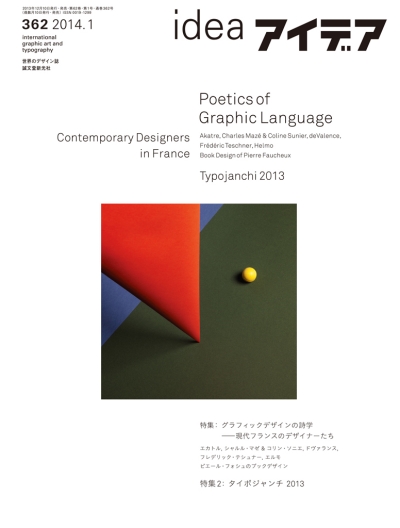
    IDEA 362. Poetics of Graphic Language. Contemporary…

  • Gianni Politi

    The Ritual of the Snake

  • Neil Brenner (Ed.)

    Implosions / Explosions. Towards a Study of Planetary…

  • gerade nicht auf Lager
    Sven Völker (Ed.)

    Some Book. Graphic Expressions between Design and Art

  • gerade nicht auf Lager
    Joanne Finkelstein

    Fashioning Appetite. Restaurants and the Making of Modern…

  • Gunnar Hindrichs

    Die Autonomie des Klangs - Eine Philosophie der Musik

  • Daniel Irrgang, Clemens Jahn (Hg.)

    Forum zur Genealogie des MedienDenkens II. Siegfried…

  • Texte zur Kunst Heft 92

    Architecture / Architektur

  • Philipp Misselwitz, Eui Young Chun,…

    Gwangju Folly II

  • Aleksandra Mir

    The Space Age. Poster Book

  • Sergio B. Martins

    Constructing an Avant-Garde. Art in Brazil 1949-1979

  • Centrum Architektury (Ed.)

    For Example. New Polish House. A Book

  • metroZones 13

    Global Prayers. Contemporary Manifestations of the…

  • gerade nicht auf Lager
    Beatriz Preciado

    Testo Junkie. Sex, Drugs, and Biopolitics in the…

  • Rajan V. Ritoe (Ed.)

    Future Times Square. Compression vs. Distribution

  • Luis Burriel Bielza

    Le Corbusier. La passion des cartes

  • gerade nicht auf Lager
    Douglas Kahn

    Earth Sound Earth Signal

  • Dietmar Offenhuber, Carlo Ratti (Hg.)

    Die Stadt entschlüsseln. Wie Echtzeitdaten den Urbanismus…

  • Dietmar Dath, Swantje Karich

    Lichtmächte. Kino – Museum – Galerie – Öffentlichkeit

  • Yael Bartana

    Wenn Ihr wollt, ist es kein Traum. If you will it, it is…

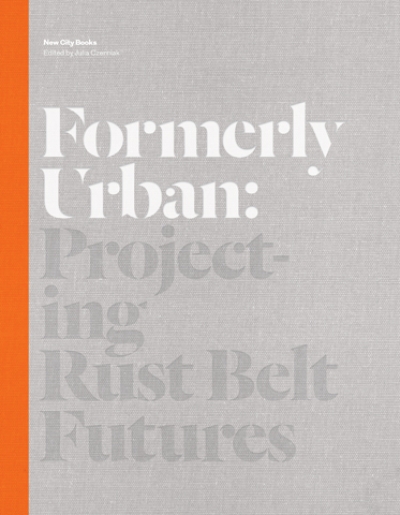
  • Julia Czerniak (Ed.)

    Formerly Urban. Projecting Rust Belt Futures

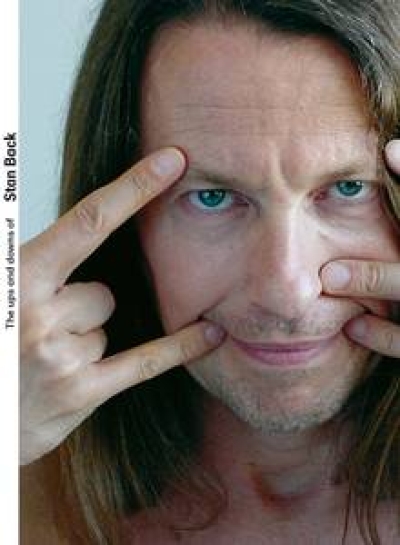
  • Stefan Römer

    The ups and downs of Stan Back

  • Robert Lippok

    Steady Unsteady

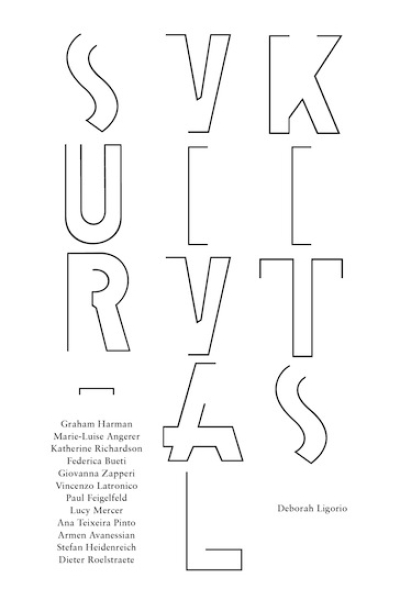
  • Deborah Ligorio

    Survival Kits

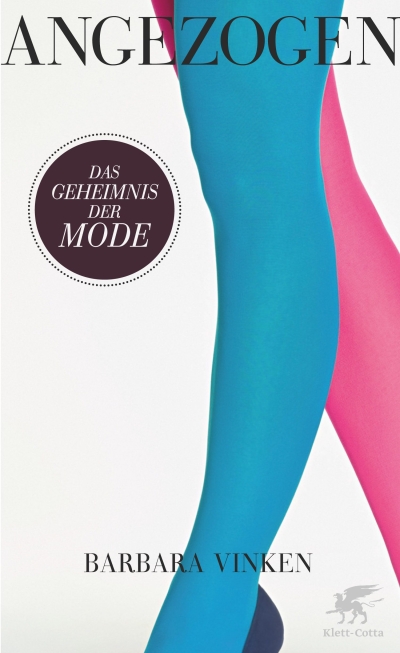
  • Barbara Vinken

    Angezogen. Das Geheimnis der Mode

  • Heimo Lattner

    A Voice That Once Was In One's Mouth

  • gerade nicht auf Lager
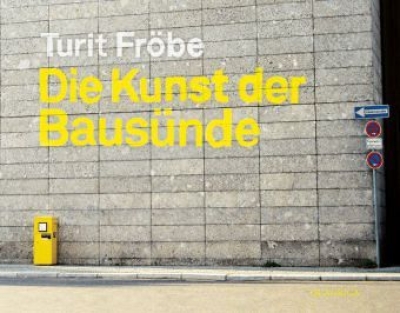
    Turit Fröbe

    Die Kunst der Bausünde

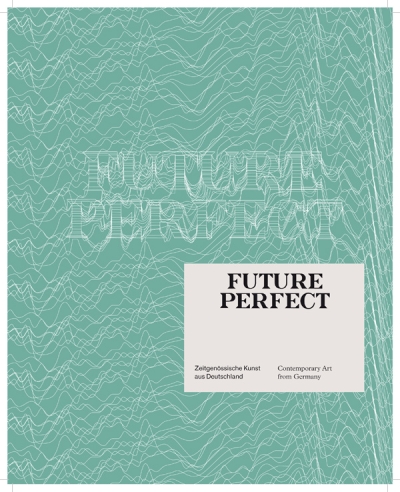
  • IFA (Ed.)

    Future Perfect. Contemporary Art from Germany

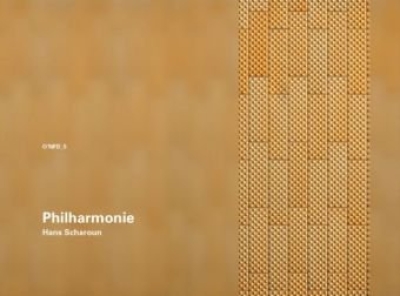
  • Wilfried Wang, Dan Sylvester (Hg.)

    Hans Scharoun. Philharmonie

  • Chair of Prof. Dr. Josep Lluís Mateo…

    Middle East. Landscape City Architecture

  • Anna Schober

    The Cinema Makers. Public Life and the Exhibition of…

  • von Borries, Ahlert, Fischer (Hrsg.)

    Die Berliner Weltverbesserungsmaschine. Die Rekonstruktion…

  • Friedrich von Borries, Jens-Uwe Fischer

    Die Berliner Weltverbesserungsmaschine. Die Geschichte…

  • Sven Lütticken

    History in Motion. Time in the Age of the Moving Image

  • Kevin C. Smith

    Recombo DNA. The Story of Devo, or How the 60s Became the…

  • Bastian Lange, Gottfried Prasenc,…

    Ortsentwürfe. Urbanität im 21. Jahrhundert

  • Claudia Mareis, Matthias Held, Gesche…

    Wer gestaltet die Gestaltung? Praxis, Theorie und…

  • Jean-Luc Nancy

    Äquivalenz der Katastrophen (Nach Fukushima)

  • gerade nicht auf Lager
    Rem Koolhaas, Hal Foster

    Junkspace with Running Room

  • Hilke Wagner, Axel Wieder (Eds.)

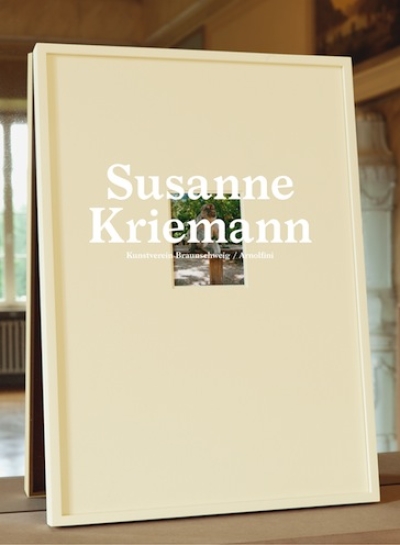
    Susanne Kriemann

  • Lionel Bovier

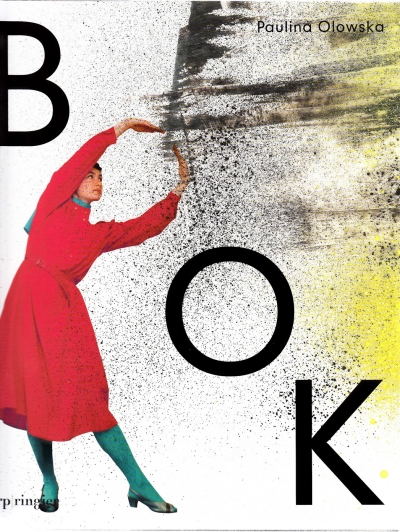
    Paulina Olowska. Book

  • Anri Sala

    Ravel Ravel Unravel

  • Anne Huffschmid, Kathrin Wildner (Hg.)

    Stadtforschung aus Lateinamerika: Neue urbane Szenarien.…

  • Thomas Keenan, Tirdad Zolghadr (Eds.)

    The Human Snapshot

  • gerade nicht auf Lager
    Between Artists

    Thom Andersen / William E. Jones

  • Heidrun Holzfeind

    Strictly Private

  • gerade nicht auf Lager
    Doreen Mende, Estelle Blaschke, Armin…

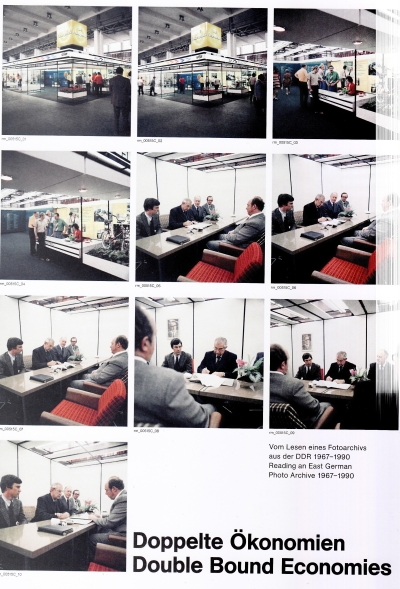
    Doppelte Ökonomien / Double Bound Economies

  • Bernadette Corporation

    Reena Spaulings. A Novel by Bernadette Corporation

  • IDEA Magazine

    IDEA 357. Architecture in Print: The Development of…

  • Klaus Zwerger

    Das Holz und seine Verbindungen. Traditionelle Bautechniken…

  • Abäke, Bernadette Corporation, Laurenz…

    Sonderedition Zwölf Taschen für Pro qm

  • Lucius Burckhardt

    Design ist unsichtbar. Entwurf, Gesellschaft und Pädagogik

  • Dietmar Kammerer (Hg)

    Vom Publicum. Das Öffentliche in der Kunst

  • Studienhefte Problemorientiertes Design…

    Lucius Burckhardt. Design heisst Entwurf

  • Studienhefte Problemorientiertes Design…

    Horst Rittel. Die Denkweise von Designern

  • gerade nicht auf Lager
    Gerald Raunig

    Fabriken des Wissens. Streifen und Glätten 1

  • Annette Wehrmann

    Luftschlangentexte

  • Oda Pälmke (Hg.)

    Ganz gut – Quite Good Houses

  • Mårten Spångberg

    Spangbergianism

  • Rem Koolhaas, Hans Ulrich Obrist (Hg.)

    Project Japan. An Oral History of Metabolism

  • gerade nicht auf Lager
    metroZones (Hg.)

    Urban Prayers – Neue religiöse Bewegungen in der globalen…

  • Byung-Chul Han

    Shanzhai. Dekonstruktion auf Chinesisch

  • gerade nicht auf Lager
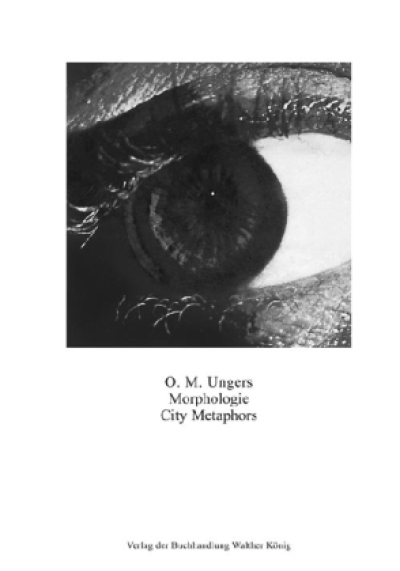
    O.M. Ungers

    Morphologie City Metaphors

  • Bettina Allamoda

    Catwalk to History - A Sourcebook

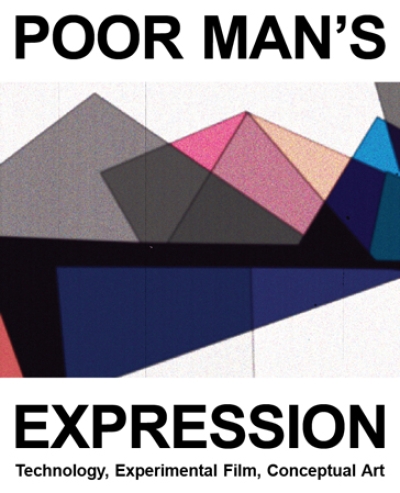
  • Martin Ebner, Florian Zeyfang (Hg.)

    Poor Man’s Expression

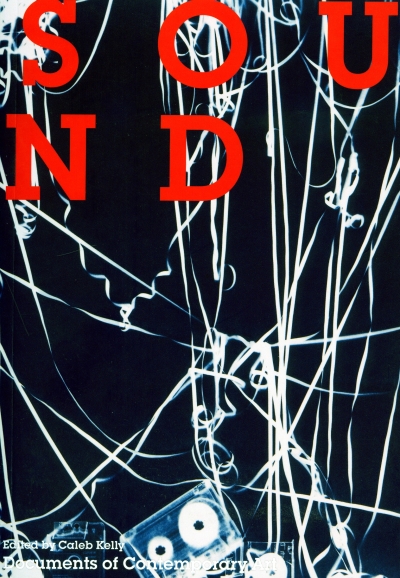
  • Caleb Kelly (Hg.)

    Sound (Documents of Contemporary Art)

  • gerade nicht auf Lager
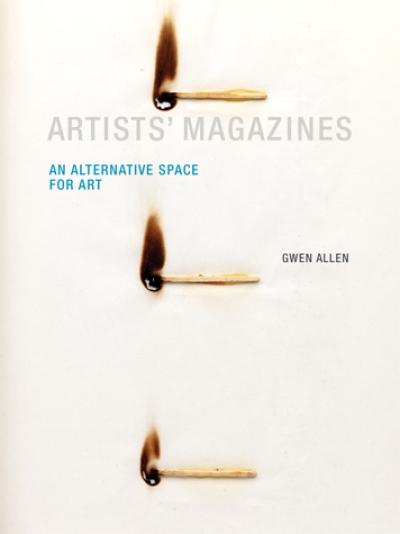
    Gwen Allen

    Artists' Magazines. An Alternative Space for Art [pb]

  • gerade nicht auf Lager
    Chris Kraus

    Where Art Belongs

  • Beatriz Colomina, Craig Buckley (Hg.)

    Clip, Stamp, Fold. The Radical Architecture of Little…

  • gerade nicht auf Lager
    Michael Merrill

    Louis Kahn. On the Thoughtful Making of Spaces

  • An Architektur

    An Architektur 23: On the Commons

  • IDEA Magazine

    IDEA 341. Dialogues with Tatsuya Ariyama

  • gerade nicht auf Lager
    Brandon LaBelle

    Acoustic Territories. Sound Culture and Everyday Life.…

  • gerade nicht auf Lager
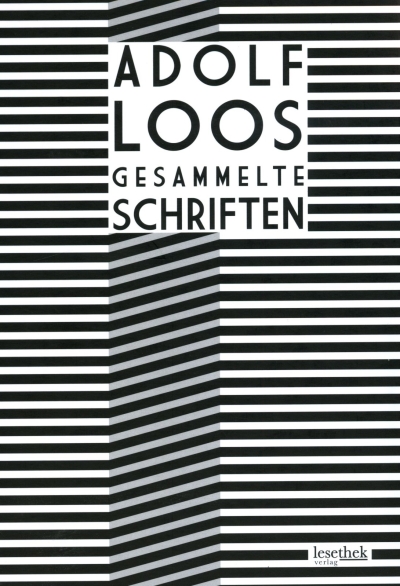
    Adolf Opel (Hg.)

    Adolf Loos. Gesammelte Schriften

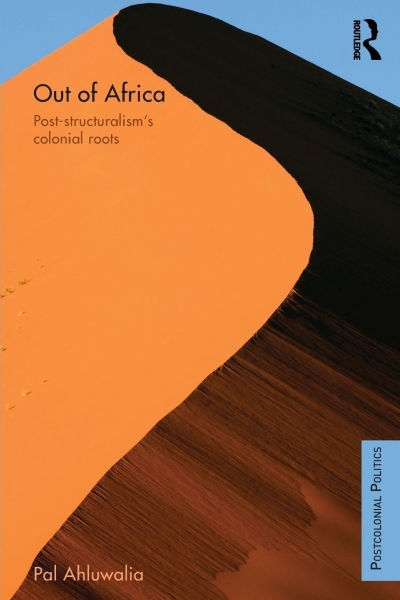
  • Pal Ahluwalia

    Out of Africa. Post-Structuralism's Colonial Roots

  • Christoph Schäfer

    Die Stadt ist unsere Fabrik. The City is Our Factory.

  • Stefan Marx

    85 Zeichnungen

  • Sandra Schaefer

    Stagings. Kabul, Film & Production of Representation

  • gerade nicht auf Lager
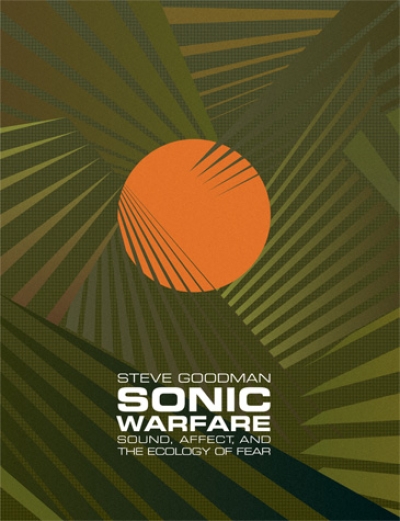
    Steve Goodman

    Sonic Warfare. Sound, Affect, and the Ecology of Fear

  • gerade nicht auf Lager
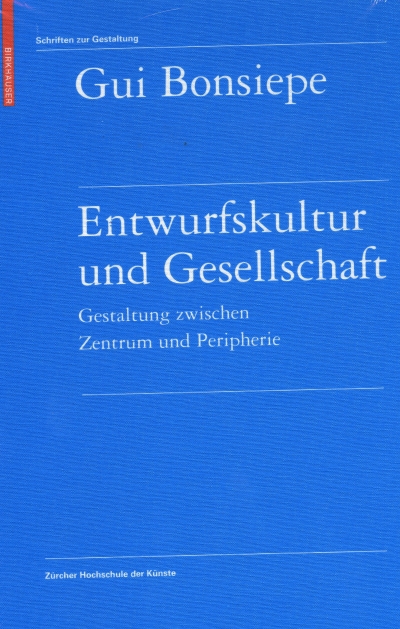
    Gui Bonsiepe

    Entwurfskultur und Gesellschaft. Gestaltung zwischen…

  • gerade nicht auf Lager
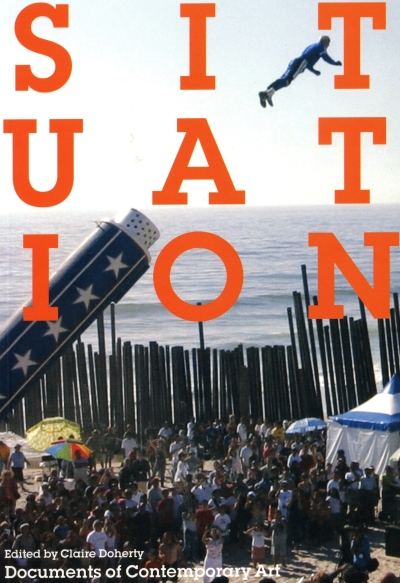
    Claire Doherty (Hg.)

    Situation. Documents of Contemporary Art

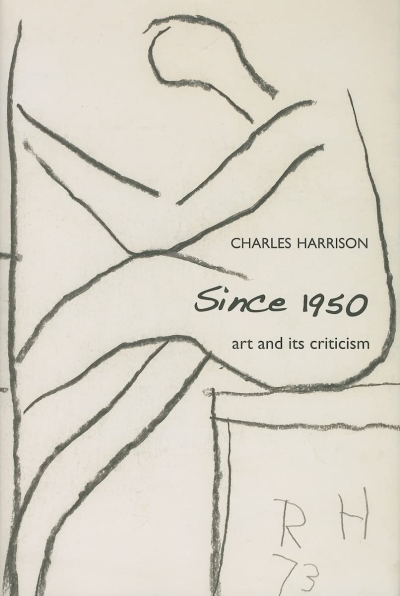
  • Charles Harrison

    Since 1950. art and its criticism

  • gerade nicht auf Lager
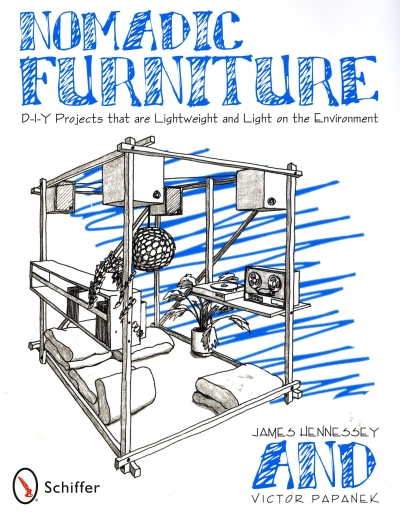
    James Hennessey, Victor Papanek

    Nomadic Furniture. D-I-Y Projects that are Lightweight

  • Claire Fontaine

    Vivre, vaincre

  • Claire Fontaine

    Claire Fontaine. Vivre, Vaincre

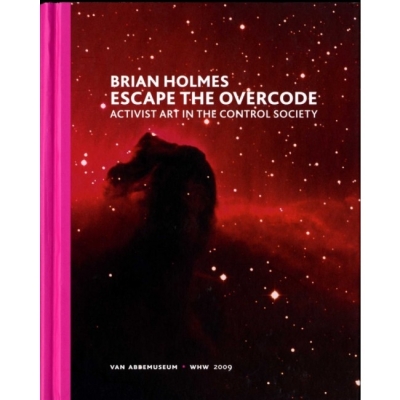
  • Brian Holmes

    Escape the Overcode. Activist Art in the Control Society

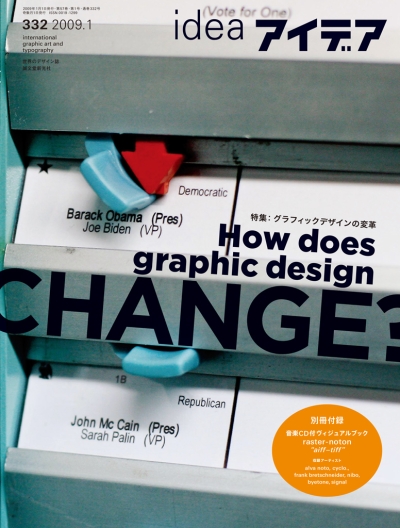
  • IDEA Magazine

    IDEA 332. How does graphic design CHANGE?

  • Jean-Luc Godard, Youssef Ishaghpour

    Archäologie des Kinos, Gedächtnis des Jahrhunderts

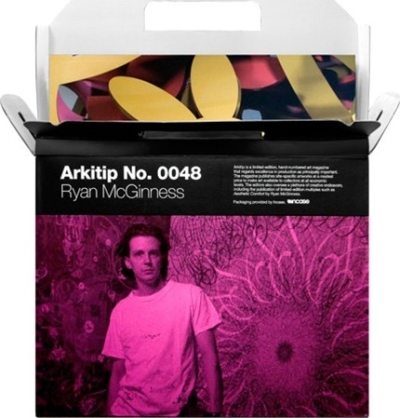
  • Arkitip No. 0048

    Ryan McGinness

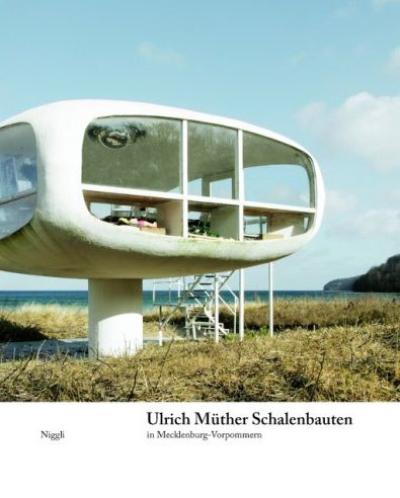
  • Rahel Lämmler, Michael Wagner

    Ulrich Müther. Schalenbauten in Mecklenburg-Vorpommern

  • Martina Löw

    Soziologie der Städte

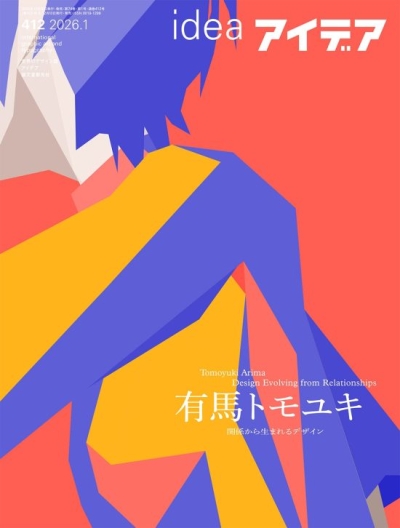
Idea 412. Tomoyuki Arima: Design Evolving from Relationships

Direction by Toshinobu Nagata & Idea 
Design by LABORATORIES(Kensaku Kato, Sae Kamata, Sakura Koizumi)

The state of technology has persistently played a large part in influencing design and designers. Applications once the domain of specialists with technical training are now improved, offering more advanced functionality and also more intuitive and accessible than ever. Now anyone can produce any kind of graphics, regardless of their educational background.

On the other hand, unease surrounding the rapid advance of automated technology is spreading, as evidenced by the fierce debates over the merits of AI technology. If we all use the same applications with the same technical support, will everything end up looking the same? Rather than adjusting technology to suit humans, it is as though humans are being adjusted to suit technology. We may be headed towards design (or designer) dystopia like this.

Tomoyuki Arima (of Arima Design Institute at the Nippon Design Center) has kept real-time pace with digital innovation since 2000. He has no specialized design education from any art university. He absorbed games and the internet through computers, discovered manga and anime culture on the web, learned graphic design through music, met people through dojin design, and continuously expanded his professional domain through interaction. Web, books, packaging, branding, animation, games, exhibitions—he has constantly explored for the connections between technology and people, and has made liberal use of applications as though they were readily-available tools.

This feature is a summary of Tomoyuki Arima’s career. Arima has consistently created designs from the relationships between technology and people. Rather than defining his professional scope by any given occupational ability, he has established the domain of his work through each project depending on the demand (or lack thereof); all driven by his own motivation. It’s not about where design ends: it’s about what design includes. He exerts himself not as a designer, but as someone capable of design. This approach inspires project associates, blurs the boundaries between client and designer, supersedes style, and defines what is Tomoyuki Arima Design.

Reviewing Arima’s work has prompted us to reexamine the relationship between technology and design in the modern era. It has also shifted our gaze to the ‘human’ element that must exist for design to remain human endeavor: an element that should serve as a guiding principle for designers headed into the 2030s. We hope this feature will provide encouragement to all aspiring designers.


IDEA Magazine
Idea 412. Tomoyuki Arima: Design Evolving from Relationships
Seibundo Shinkosha, 2025, IDEA 412 2025.12
36,00 €