






Direkt zum Inhalt

Warenkorb

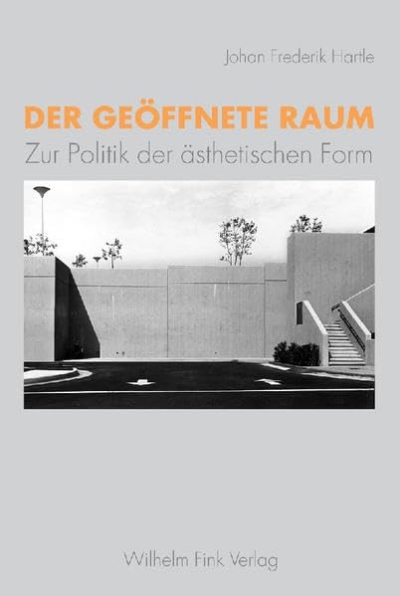
  • Johan Frederik Hartle

    Der geöffnete Raum. Zur Politik der ästhetischen Form

  • Jörg Dünne, Stephan Günzel (Hg.)

    Raumtheorie. Grundlagentexte aus Philosophie und…

  • An Architektur

    An Architektur 16-17

  • Vera Beyer, Jutta Voorhoeve, Anselm…

    Das Bild ist der König. Repräsentation nach Louis Marin

  • An Architektur

    An Architektur 15 / FFM 11: Europäische…

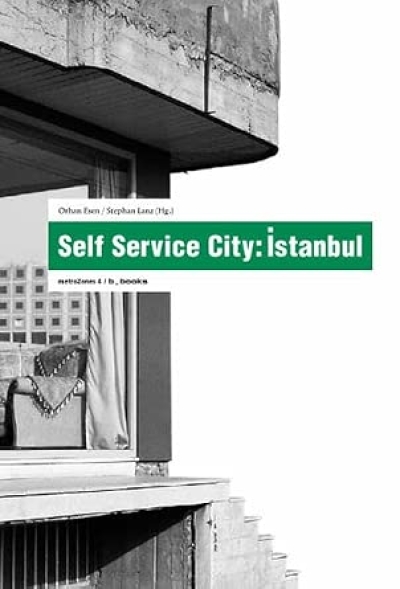
  • Orhan Esen, Stephan Lanz (Hg)

    Self Service City. Istanbul (metrozones 4)

  • An Architektur

    An Architektur 14: Camp for Oppositional Architecture

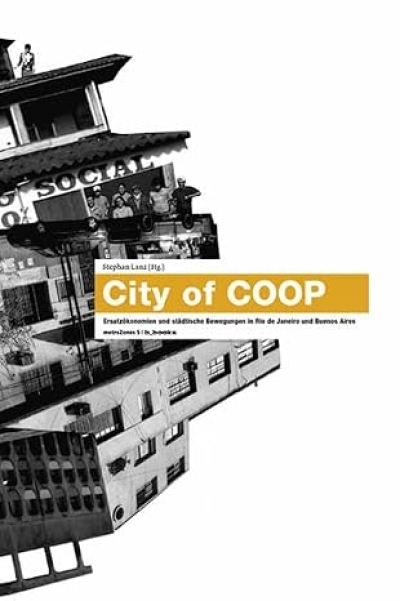
  • Stephan Lanz (Hg.)

    City of COOP. Ersatzökonomiern und städtische Bewegungen in…

  • An Architektur

    An Architektur 11-13: Theorie und Praxis der Kartografie

  • An Architektur

    An Architektur 10: Gemeinschaftsräume

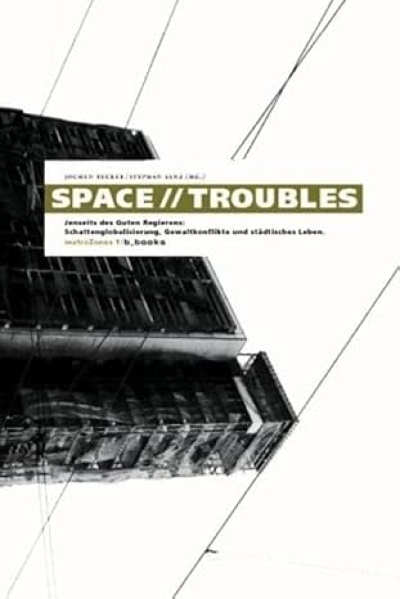
  • Jochen Becker, Stephan Lanz (Hg.)

    Space//Troubles. Jenseits des Guten Regierens:…

  • Sarai media lab

    Sarai Reader 03: shaping technologies

  • An Architektur

    An Architektur 04-09: Krieg und die Produktion von Raum

  • IDEA Magazine

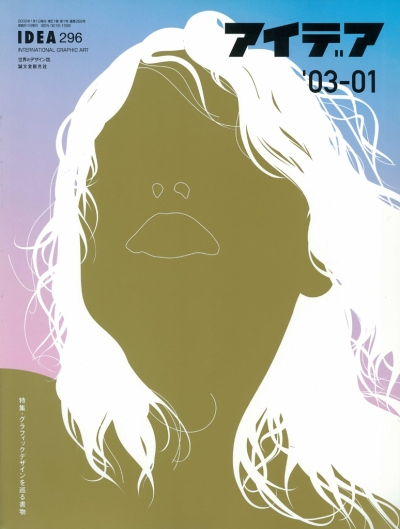
    IDEA 296. Books <preposition> graphic design

  • IDEA Magazine

    IDEA 293. Stanley Donwood / Vacances. DD-DDD / Dimensions…

  • gerade nicht auf Lager
    An Architektur

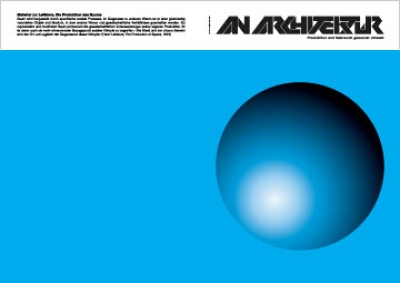
    An Architektur 01-03

  • Martina Löw

    Raumsoziologie

  • Pro qm

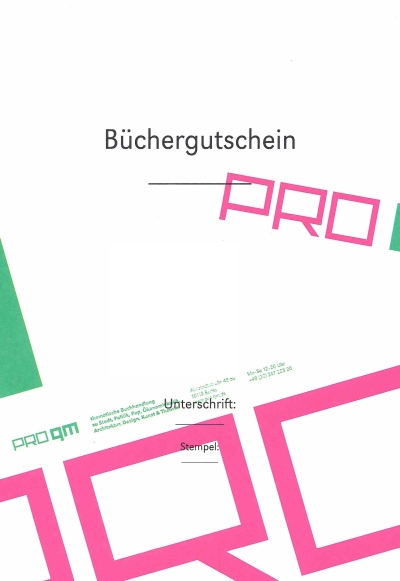
    Gutschein / Voucher

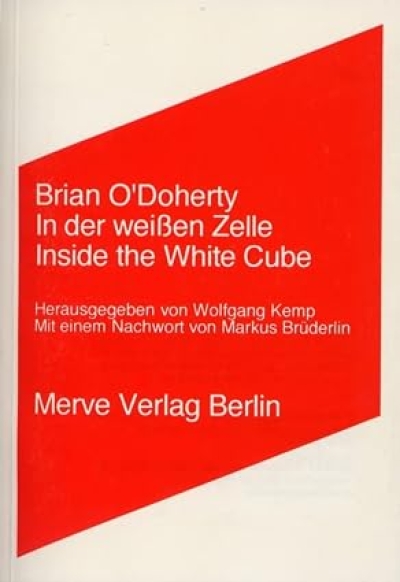
  • Brian O'Doherty

    In der weissen Zelle. Inside the White Cube

  • gerade nicht auf Lager
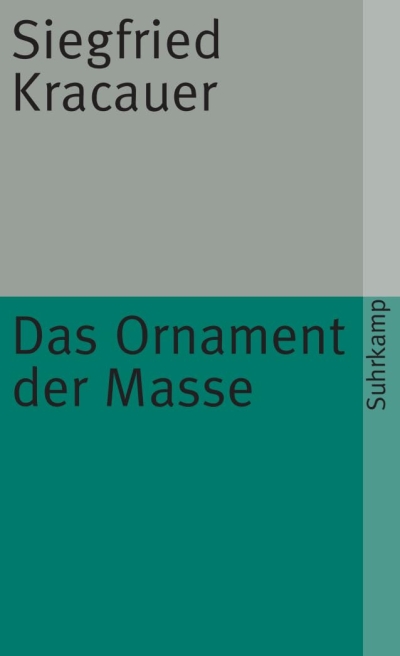
    Siegfried Kracauer

    Das Ornament der Masse. Essays

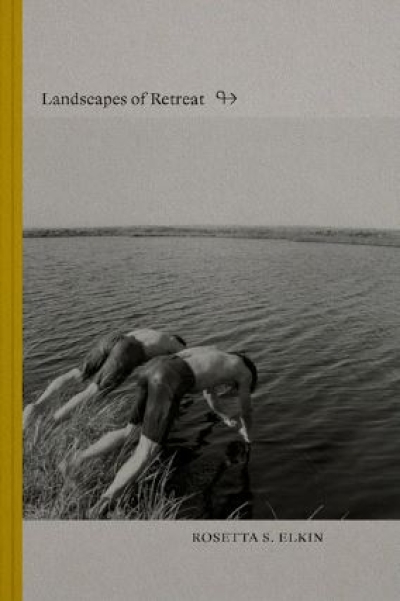
Landscapes of Retreat

Landscapes of Retreat offers a series of vivid, grounded portraits of climate adaptation. Here, “retreat” is not framed as defeat, but as a relational gesture—found in the shifting contours of land left behind as human settlement patterns change in response to a warming world. The “landscape” is understood not as passive terrain, but as living ground: animated by organisms, shaped by histories, and entwined with the lives of those who inhabit it.

Through in-depth fieldwork in places as varied as Nijinomatsubara Forest in Japan, the Maule River in Chile, Niugtaq Village in Alaska, Langtang Park in Nepal, and the Gaspésie Peninsula in Québec, the book explores how different communities face the need to move, adjust, or let go—often in dialogue with the more-than-human world around them. These stories show that climate adaptation is most resilient when landscapes are not simply sites of extraction or loss, but sources of meaning, memory, and care.

Crossing lines between geography, history, anthropology, and environmental humanities, Landscapes of Retreat reframes “retreat” as a dynamic practice—one that invites us to rethink change not as surrender, but as a way toward more livable, shared climate futures.


Rosetta S. Elkin
Landscapes of Retreat
K. Verlag, 2025, 978-3-947858-69-9
32,00 €