









Direkt zum Inhalt

Warenkorb

  • Johan Frederik Hartle

    Der geöffnete Raum. Zur Politik der ästhetischen Form

  • Jörg Dünne, Stephan Günzel (Hg.)

    Raumtheorie. Grundlagentexte aus Philosophie und…

  • An Architektur

    An Architektur 16-17

  • Vera Beyer, Jutta Voorhoeve, Anselm…

    Das Bild ist der König. Repräsentation nach Louis Marin

  • An Architektur

    An Architektur 15 / FFM 11: Europäische…

  • Orhan Esen, Stephan Lanz (Hg)

    Self Service City. Istanbul (metrozones 4)

  • An Architektur

    An Architektur 14: Camp for Oppositional Architecture

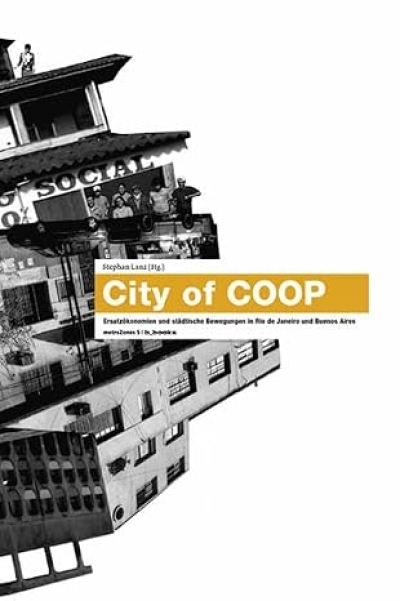
  • Stephan Lanz (Hg.)

    City of COOP. Ersatzökonomiern und städtische Bewegungen in…

  • An Architektur

    An Architektur 11-13: Theorie und Praxis der Kartografie

  • An Architektur

    An Architektur 10: Gemeinschaftsräume

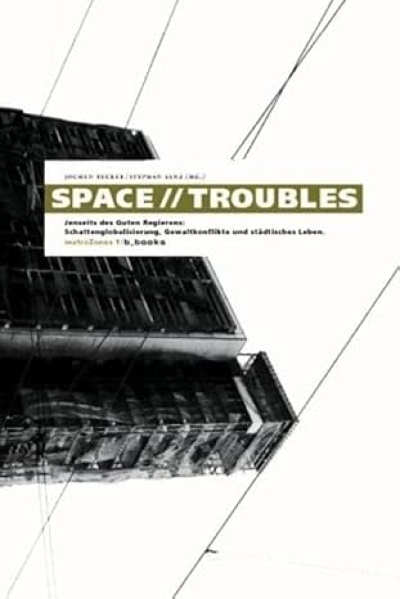
  • Jochen Becker, Stephan Lanz (Hg.)

    Space//Troubles. Jenseits des Guten Regierens:…

  • Sarai media lab

    Sarai Reader 03: shaping technologies

  • An Architektur

    An Architektur 04-09: Krieg und die Produktion von Raum

  • IDEA Magazine

    IDEA 296. Books <preposition> graphic design

  • IDEA Magazine

    IDEA 293. Stanley Donwood / Vacances. DD-DDD / Dimensions…

  • gerade nicht auf Lager
    An Architektur

    An Architektur 01-03

  • Martina Löw

    Raumsoziologie

  • Pro qm

    Gutschein / Voucher

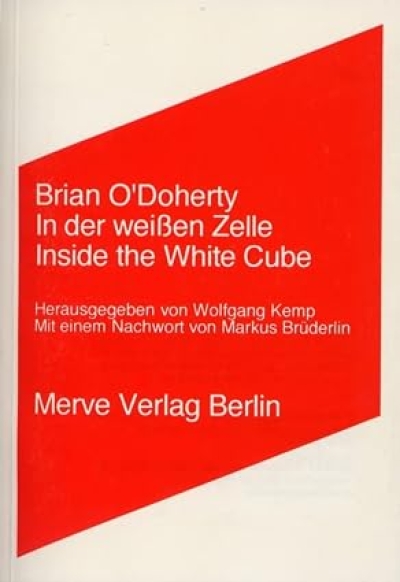
  • Brian O'Doherty

    In der weissen Zelle. Inside the White Cube

  • gerade nicht auf Lager
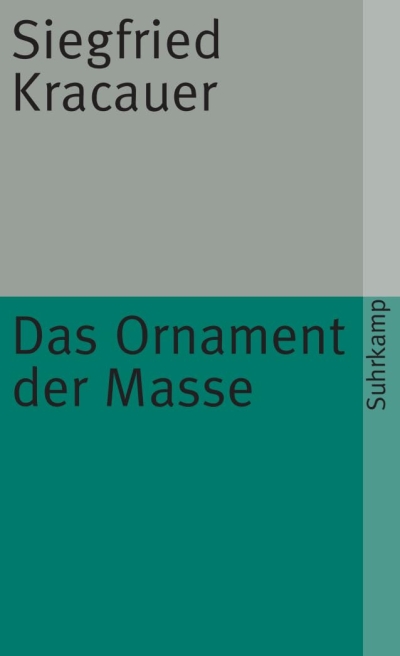
    Siegfried Kracauer

    Das Ornament der Masse. Essays

Marcel Breuer: Building Global Institutions

Marcel Breuer (1902–1981) is celebrated as a furniture designer, teacher, and architect who changed the American house after his emigration from Hungary to the U.S.A. in 1937. More recently historians, architects, and—with the reopening in New York of the great megalith of his Whitney Museum as the Met Breuer—a larger public are gaining new insights into the cities and large-scale buildings Breuer planned. Often seen as a pioneer of a "Brutalist modernism" of reinforced concrete, Breuer might best be understood through the lens of the changing institutional structures in and for which he worked, a vantage developed in the fresh approaches gathered here in essays by a group of younger scholars. These essays draw on an abundance of newly available documents held in the Breuer Archive at Syracuse University, now accessible online.


B. Bergdoll, J. Massey (Eds.)
Marcel Breuer: Building Global Institutions
Lars Müller, 2018, 978-3037785195
gerade nicht auf Lager