





Direkt zum Inhalt

Warenkorb

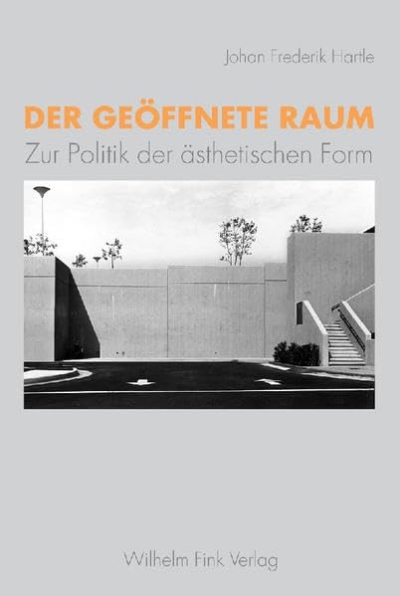
  • Johan Frederik Hartle

    Der geöffnete Raum. Zur Politik der ästhetischen Form

  • Jörg Dünne, Stephan Günzel (Hg.)

    Raumtheorie. Grundlagentexte aus Philosophie und…

  • An Architektur

    An Architektur 16-17

  • Vera Beyer, Jutta Voorhoeve, Anselm…

    Das Bild ist der König. Repräsentation nach Louis Marin

  • An Architektur

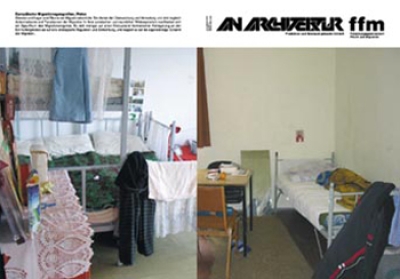
    An Architektur 15 / FFM 11: Europäische…

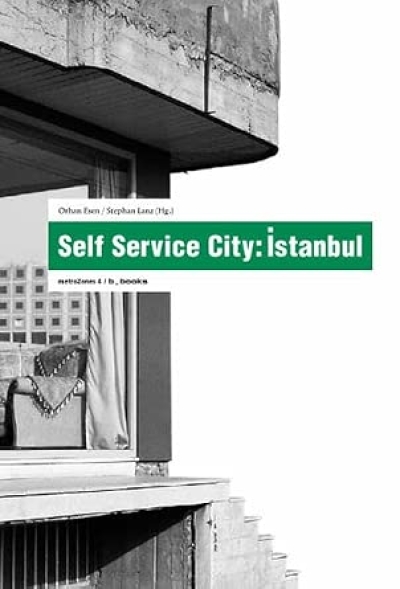
  • Orhan Esen, Stephan Lanz (Hg)

    Self Service City. Istanbul (metrozones 4)

  • An Architektur

    An Architektur 14: Camp for Oppositional Architecture

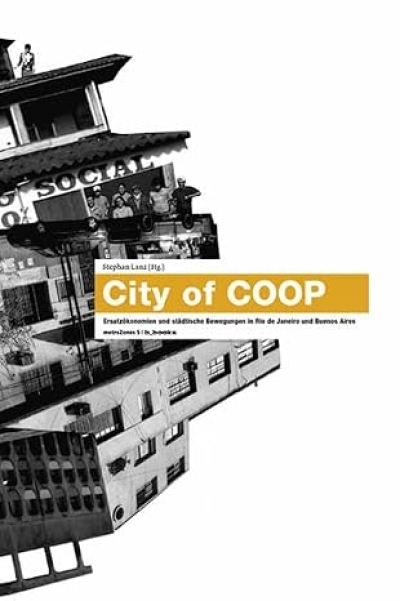
  • Stephan Lanz (Hg.)

    City of COOP. Ersatzökonomiern und städtische Bewegungen in…

  • An Architektur

    An Architektur 11-13: Theorie und Praxis der Kartografie

  • An Architektur

    An Architektur 10: Gemeinschaftsräume

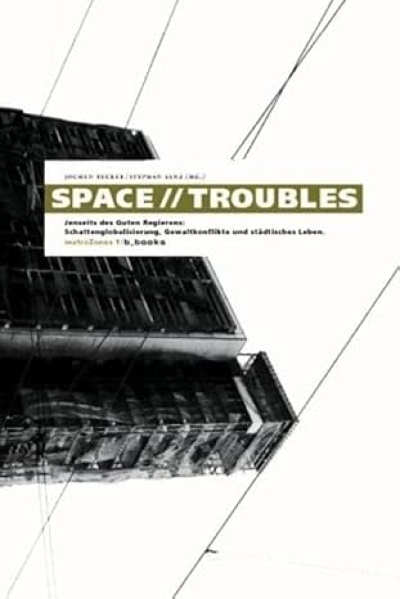
  • Jochen Becker, Stephan Lanz (Hg.)

    Space//Troubles. Jenseits des Guten Regierens:…

  • Sarai media lab

    Sarai Reader 03: shaping technologies

  • An Architektur

    An Architektur 04-09: Krieg und die Produktion von Raum

  • IDEA Magazine

    IDEA 296. Books <preposition> graphic design

  • IDEA Magazine

    IDEA 293. Stanley Donwood / Vacances. DD-DDD / Dimensions…

  • gerade nicht auf Lager
    An Architektur

    An Architektur 01-03

  • Martina Löw

    Raumsoziologie

  • Pro qm

    Gutschein / Voucher

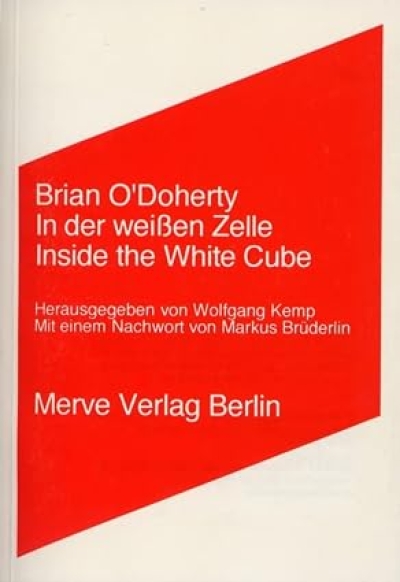
  • Brian O'Doherty

    In der weissen Zelle. Inside the White Cube

  • gerade nicht auf Lager
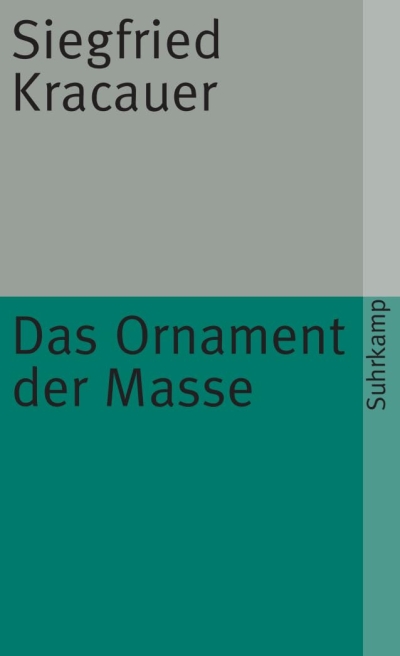
    Siegfried Kracauer

    Das Ornament der Masse. Essays

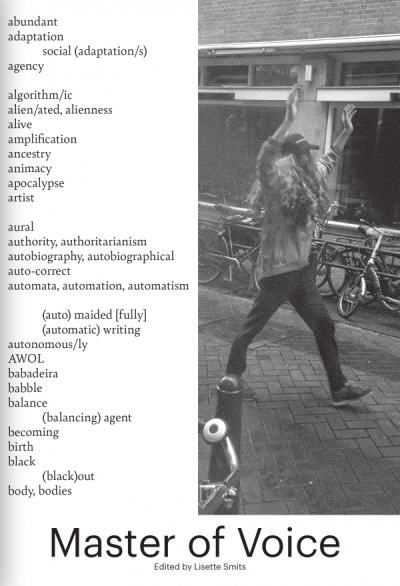
Master of Voice

The (non)human voice has always been part of modern art, notably within performance art, sound art, and conceptual art. However, Master of Voice temporary master program at the Gerrit Rietveld Academy, Amsterdam, mutated from this history, examining the voice as a unique “discipline.” The graduate program’s focus was on the (non)human voice as a means to an end or an end in itself within artistic practice. A special orientation of the curriculum, co-developed with a team of artists with a longstanding interest in the (non)human voice, is the voice in relation to technology and gender. This book captures a two-year-long period of research—of thinking, talking, sharing, learning, making, acting, and creating by students and teachers, artists, and other practitioners—to find possible answers and approaches to the question of the voice and its prominent role in our postindustrial society.
Contributions by Tyler Coburn, Angelo Custódio, Thom Driver, Paul Elliman, Amelia Groom, Miyuki Inoue, Danae Io, Jamila Johnson-Small, Bin Koh, Snejanka Mihaylova, Maria Montesi, MPA, Natasha Papadopoulou, Duncan Robertson, Marnie Slater, Cécile Tafanelli, Mavi Veloso, Geo Wyeth, Eva Šusová


Lisette Smits (Ed.)
Master of Voice
Sternberg Press, 2020, 978-3-95679-514-5
16,00 €