

Direkt zum Inhalt

Warenkorb

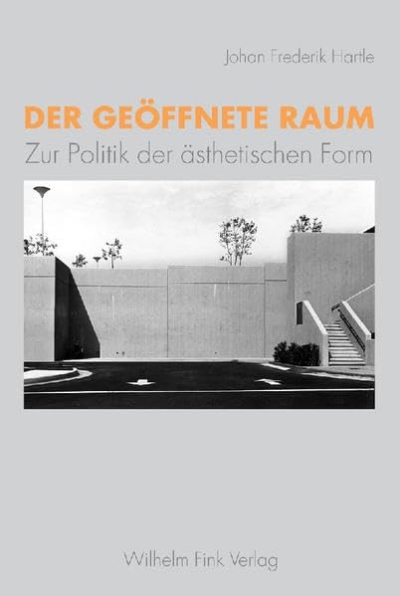
  • Johan Frederik Hartle

    Der geöffnete Raum. Zur Politik der ästhetischen Form

  • Jörg Dünne, Stephan Günzel (Hg.)

    Raumtheorie. Grundlagentexte aus Philosophie und…

  • An Architektur

    An Architektur 16-17

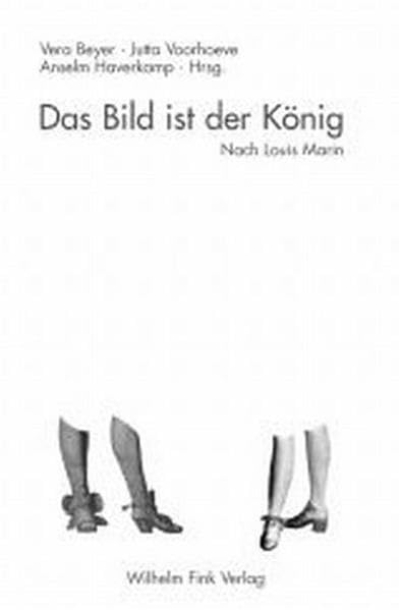
  • Vera Beyer, Jutta Voorhoeve, Anselm…

    Das Bild ist der König. Repräsentation nach Louis Marin

  • An Architektur

    An Architektur 15 / FFM 11: Europäische…

  • Orhan Esen, Stephan Lanz (Hg)

    Self Service City. Istanbul (metrozones 4)

  • An Architektur

    An Architektur 14: Camp for Oppositional Architecture

  • Stephan Lanz (Hg.)

    City of COOP. Ersatzökonomiern und städtische Bewegungen in…

  • An Architektur

    An Architektur 11-13: Theorie und Praxis der Kartografie

  • An Architektur

    An Architektur 10: Gemeinschaftsräume

  • Jochen Becker, Stephan Lanz (Hg.)

    Space//Troubles. Jenseits des Guten Regierens:…

  • Sarai media lab

    Sarai Reader 03: shaping technologies

  • An Architektur

    An Architektur 04-09: Krieg und die Produktion von Raum

  • IDEA Magazine

    IDEA 296. Books <preposition> graphic design

  • IDEA Magazine

    IDEA 293. Stanley Donwood / Vacances. DD-DDD / Dimensions…

  • gerade nicht auf Lager
    An Architektur

    An Architektur 01-03

  • Martina Löw

    Raumsoziologie

  • Pro qm

    Gutschein / Voucher

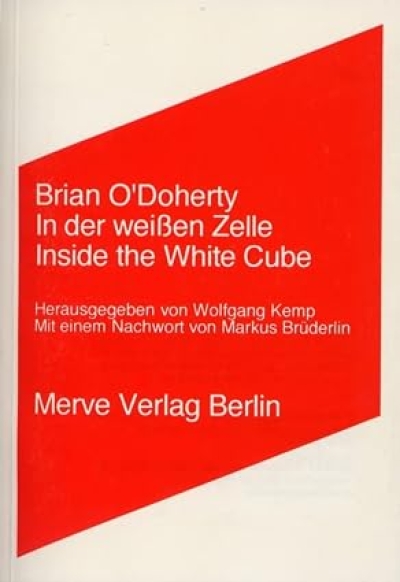
  • Brian O'Doherty

    In der weissen Zelle. Inside the White Cube

  • gerade nicht auf Lager
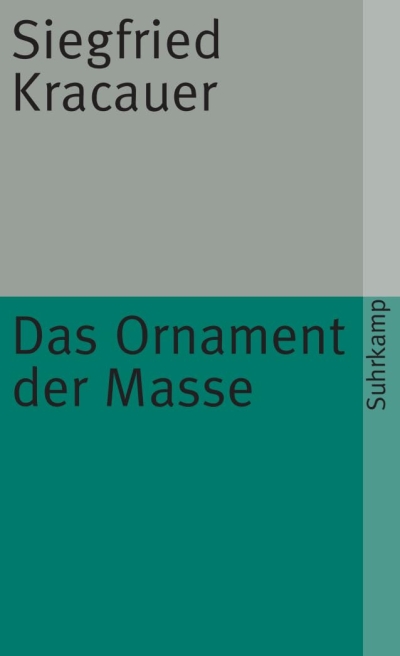
    Siegfried Kracauer

    Das Ornament der Masse. Essays

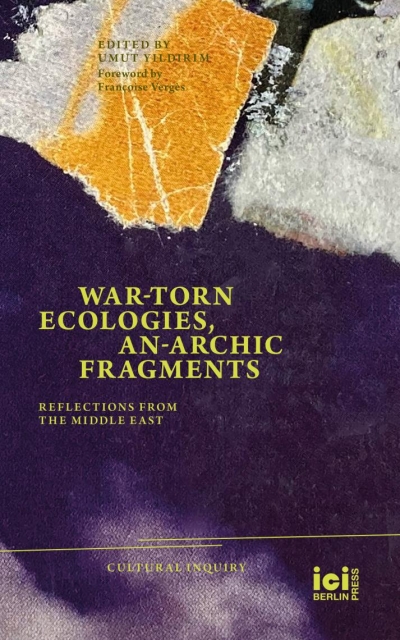
War-torn Ecologies, An-Archic Fragments. Reflections from the Middle East

War-torn Ecologies, An-Archic Fragments: Reflections from the Middle East identifies a conceptual intersection between war, affect, and ecology from the Middle East. It creates a counter archive of texts by ethnographers and artists, and enables divergent worlds to share a conversation through the crevices of mass violence across species. Delving into vital encounters with mulberry trees, wild medicinal plants, jinns, and goats, as well as bleaker experiences with toxic war materials like landmines, this volume expands an ecological sensorium that works through displacement, memory, endurance, and praxis.

Umut Yıldırım explores transnational development programmes, expert networks, and aid policies in the Armenian/Kurdish region of Turkey, with a focus on the environmental effects of forced military migration and the political and ecological mobilization war generates. She is an assistant professor of anthropology at the Geneva Graduate Institute, Switzerland.


Umut Yıldırım (ed)
War-torn Ecologies, An-Archic Fragments. Reflections from the Middle East
ICI Berlin, 2023, 978-3-96558-053-4
19,00 €