



Direkt zum Inhalt

Warenkorb

  • Johan Frederik Hartle

    Der geöffnete Raum. Zur Politik der ästhetischen Form

  • Jörg Dünne, Stephan Günzel (Hg.)

    Raumtheorie. Grundlagentexte aus Philosophie und…

  • An Architektur

    An Architektur 16-17

  • Vera Beyer, Jutta Voorhoeve, Anselm…

    Das Bild ist der König. Repräsentation nach Louis Marin

  • An Architektur

    An Architektur 15 / FFM 11: Europäische…

  • Orhan Esen, Stephan Lanz (Hg)

    Self Service City. Istanbul (metrozones 4)

  • An Architektur

    An Architektur 14: Camp for Oppositional Architecture

  • Stephan Lanz (Hg.)

    City of COOP. Ersatzökonomiern und städtische Bewegungen in…

  • An Architektur

    An Architektur 11-13: Theorie und Praxis der Kartografie

  • An Architektur

    An Architektur 10: Gemeinschaftsräume

  • Jochen Becker, Stephan Lanz (Hg.)

    Space//Troubles. Jenseits des Guten Regierens:…

  • Sarai media lab

    Sarai Reader 03: shaping technologies

  • An Architektur

    An Architektur 04-09: Krieg und die Produktion von Raum

  • IDEA Magazine

    IDEA 296. Books <preposition> graphic design

  • IDEA Magazine

    IDEA 293. Stanley Donwood / Vacances. DD-DDD / Dimensions…

  • gerade nicht auf Lager
    An Architektur

    An Architektur 01-03

  • Martina Löw

    Raumsoziologie

  • Pro qm

    Gutschein / Voucher

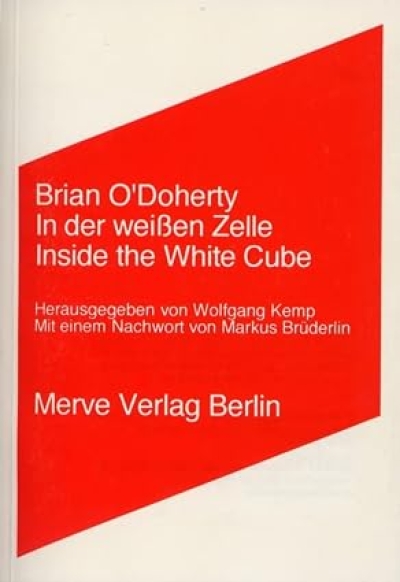
  • Brian O'Doherty

    In der weissen Zelle. Inside the White Cube

  • gerade nicht auf Lager
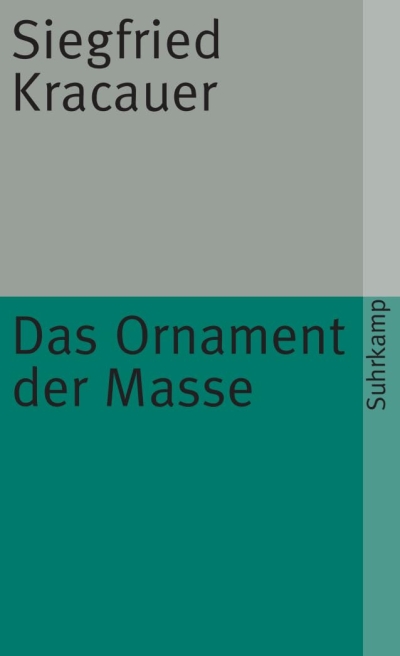
    Siegfried Kracauer

    Das Ornament der Masse. Essays

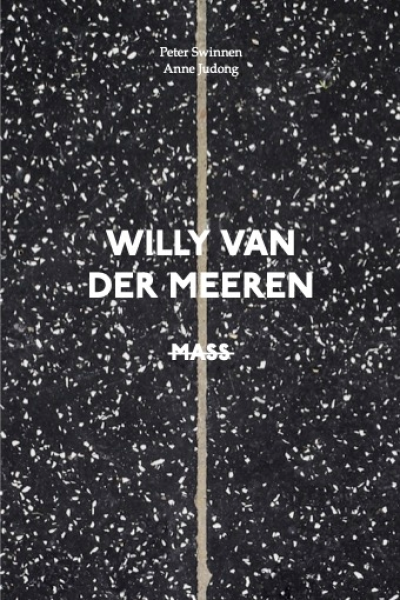
Willy Van Der Meeren. Mass

Rooted in a firm socialist credo, Willy Van Der Meeren (1923–2002) championed an architecture for the masses—built logically, with as little material as possible, and endowed with the necessary elegance to make it through the day. Van Der Meeren did not preconceive architecture, nor did he postproduce it. He thought, acted, and built in the now, at a scale of 1:1. His architectures—almost without exception—are clear prototypes, awaiting mass production. For more than five decades, Van Der Meeren advocated the intrinsic merger of architecture and the building industry. However, his ideal for line-manufactured and affordable housing never saw the light of day. Perhaps Van der Meeren's democratic furniture collection, produced for TUBAX between 1943 and 1955 when he was emerging as an architect, best approximates his social dream. However, his furniture pieces—like his architecture—are now highly sought-after objects, eventuating in the exact opposite of his quest for a society that would be open to all.


Peter Swinnen, Anne Judong (eds.)
Willy Van Der Meeren. Mass
Spector Books, 2025, 978-3-95905-928-2
gerade nicht auf Lager