






Direkt zum Inhalt

Warenkorb

  • Johan Frederik Hartle

    Der geöffnete Raum. Zur Politik der ästhetischen Form

  • Jörg Dünne, Stephan Günzel (Hg.)

    Raumtheorie. Grundlagentexte aus Philosophie und…

  • An Architektur

    An Architektur 16-17

  • Vera Beyer, Jutta Voorhoeve, Anselm…

    Das Bild ist der König. Repräsentation nach Louis Marin

  • An Architektur

    An Architektur 15 / FFM 11: Europäische…

  • Orhan Esen, Stephan Lanz (Hg)

    Self Service City. Istanbul (metrozones 4)

  • An Architektur

    An Architektur 14: Camp for Oppositional Architecture

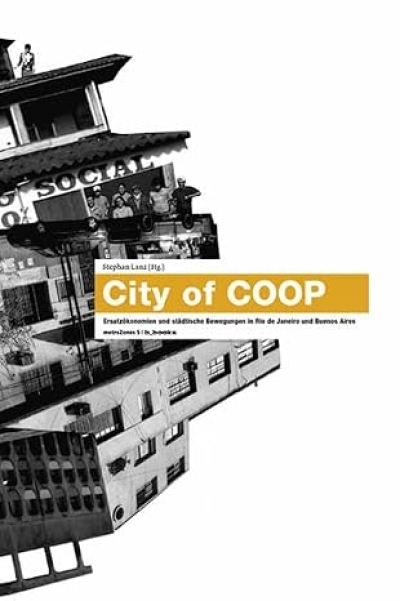
  • Stephan Lanz (Hg.)

    City of COOP. Ersatzökonomiern und städtische Bewegungen in…

  • An Architektur

    An Architektur 11-13: Theorie und Praxis der Kartografie

  • An Architektur

    An Architektur 10: Gemeinschaftsräume

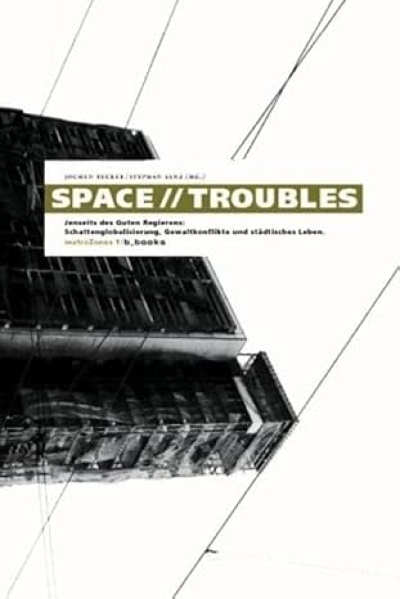
  • Jochen Becker, Stephan Lanz (Hg.)

    Space//Troubles. Jenseits des Guten Regierens:…

  • Sarai media lab

    Sarai Reader 03: shaping technologies

  • An Architektur

    An Architektur 04-09: Krieg und die Produktion von Raum

  • IDEA Magazine

    IDEA 296. Books <preposition> graphic design

  • IDEA Magazine

    IDEA 293. Stanley Donwood / Vacances. DD-DDD / Dimensions…

  • gerade nicht auf Lager
    An Architektur

    An Architektur 01-03

  • Martina Löw

    Raumsoziologie

  • Pro qm

    Gutschein / Voucher

  • Brian O'Doherty

    In der weissen Zelle. Inside the White Cube

  • Siegfried Kracauer

    Das Ornament der Masse. Essays

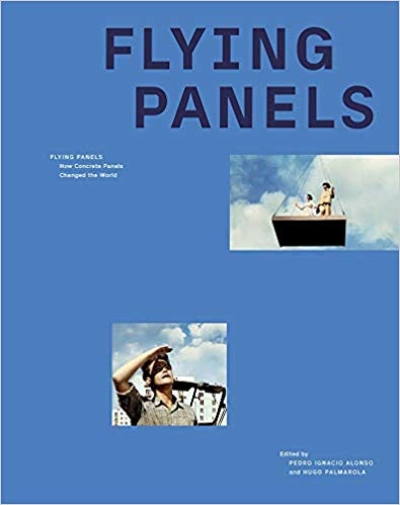
Flying Panels: How Concrete Panels Changed the World

Flying Panels looks at how a building technology became a powerful tool for the construction of a new society. After the Second World War, the development of prefabricated concrete panels drastically transformed the techniques used to build the modern world. Manual labour was replaced by automated mass production, and new concrete elements were used in billions of square metres of housing around the planet. Before turning into what many consider a dull face of our cities today, the stunning image of a concrete panel soaring through the sky appeared in all forms of popular culture: from paintings, photographs, drawings, and films, to posters, cartoons, children's toys, and opera sets. Flying Panels brings together a group of architects, historians, ­philosophers, and curators to discuss the way in which concrete panel systems spread across the world, reflecting on their cultural influence, from the second half of the twentieth century to the present. This publication accompanies the exhibition "Flying Panels" ­curated by Pedro Ignacio Alonso and Hugo Palmarola, presented at ArkDes - The Swedish Centre for Architecture and Design. With essays by Michael Abrahamson, Jimena Castillo, Adrian Forty, Boris Groys, Maria Lind, Jennifer Mack, Philipp Meuser, Natalya Solopova, Erik Stenberg, and Christine Varga-Harris.


Alonso, Palmarola (eds.)
Flying Panels: How Concrete Panels Changed the World
Dom Publishers, 2019, 978-3-86922-563-0
gerade nicht auf Lager