





Direkt zum Inhalt

Warenkorb

  • Matt Lewis, Manal Massalha (eds.)

    Polisonics. Collective Listening and the Politics of Sound

  • Sam Moshaver, Bertug Ozarisoy

    The Adaptive Home. Supplementary Space Design for an…

  • Jennifer Lee Michaliszyn

    Ordinary Houses. Modern Architecture in China's…

  • Sarah Kimmich, Romain Odin Lepoutre…

    The Caretaker's House. Possible Scenarios

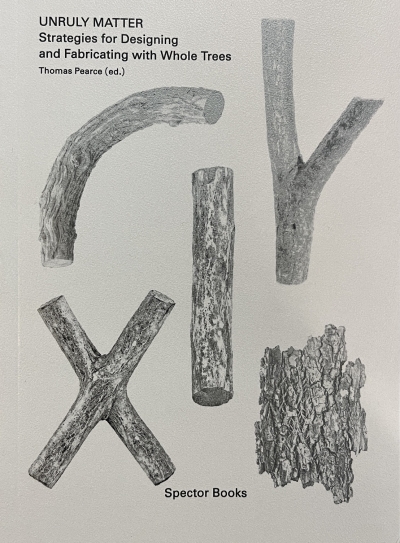
  • Thomas Pearce (ed.)

    Unruly Matter. Strategies for Designing and Fabricating…

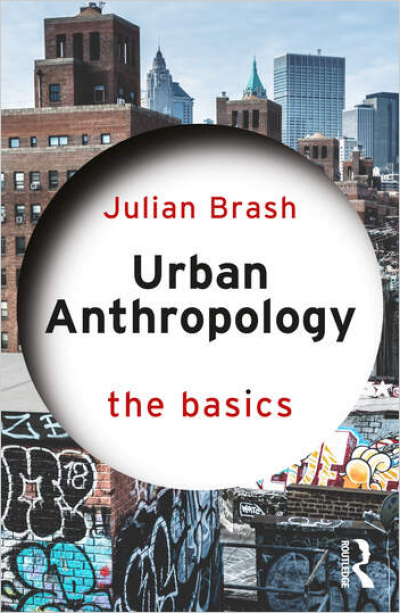
  • Julian Brash

    Urban Anthropology. The Basics

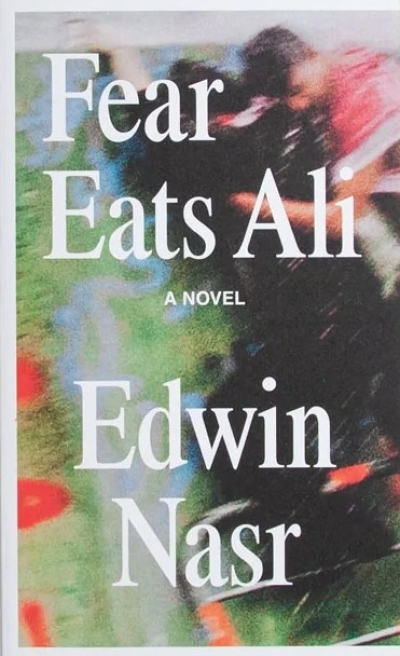
  • Edwin Nasr

    Fear Eats Ali

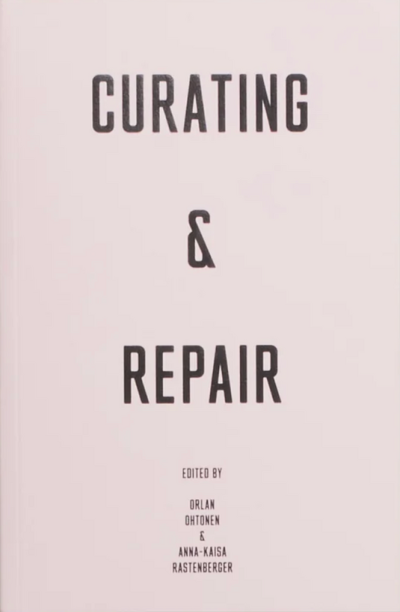
  • Orlan Ohtonen, Anna-Kaisa Rastenberger…

    Curating & Repair

  • Magnus Rena (Ed.)

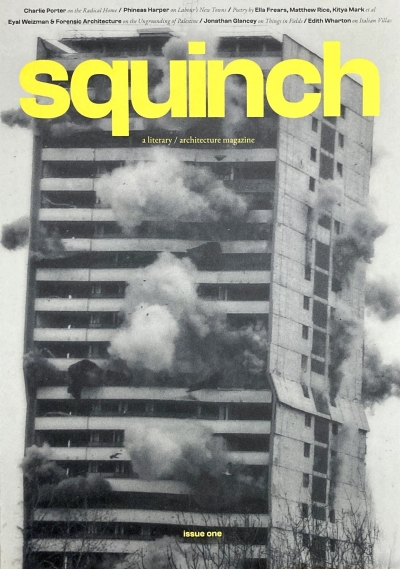
    Squinch. Issue 1

  • Niki Rhyner, Alrun Schmidtke, Hg.

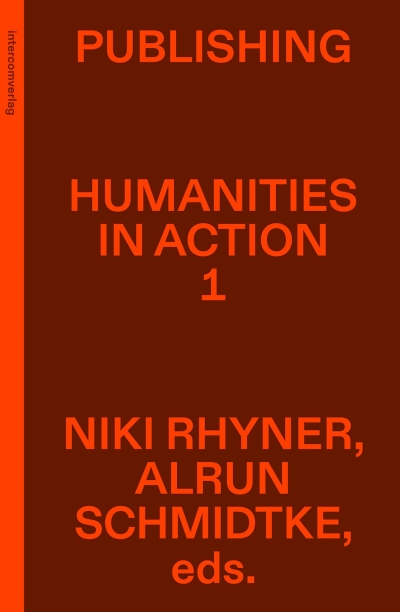
    Publishing. Humanities in Action 1. Verlegen. Humanities in…

  • Vendedores de Humo [Pablo Santacana…

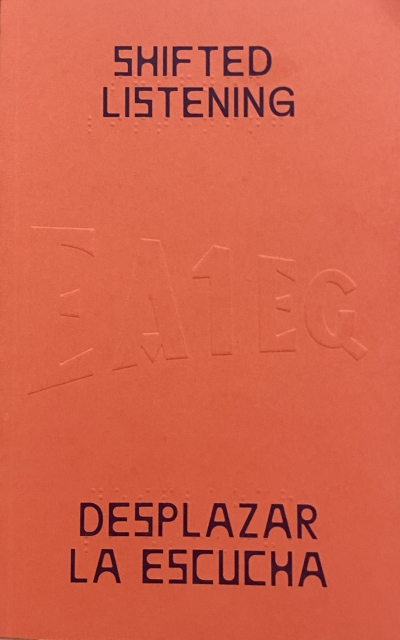
    EA1EG. Shifted Listening/ Desplazar la escucha

  • Regine Ehleiter, Friederike Schäfer…

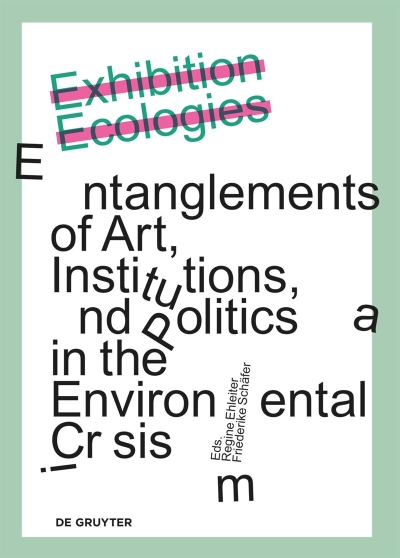
    Exhibition Ecologies. Entanglements of Art, Institutions,…

  • 978-3-9828372-8-4

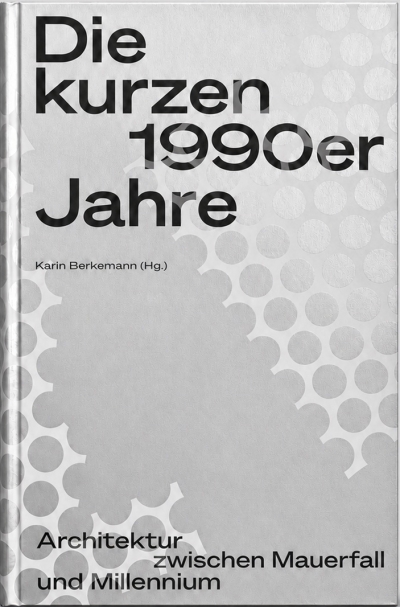
    Die kurzen 1990er Jahre. Architektur zwischen Mauerfall und…

  • Hannah Kemp-Welch (ed.)

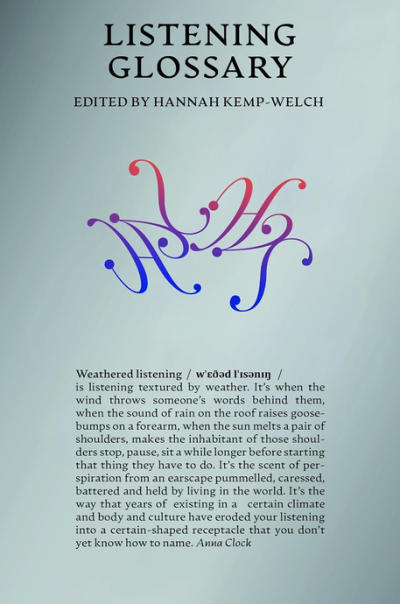
    Listening Glossary.

  • Markus Lehrmann, Christina Ludwig,…

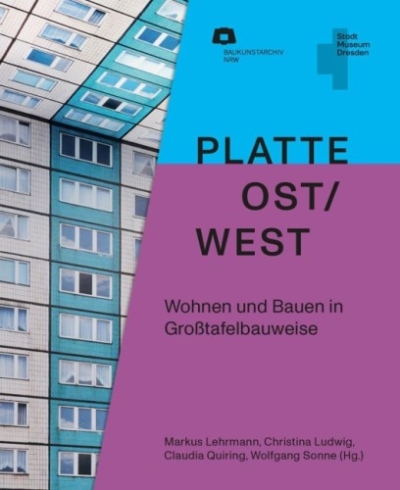
    Platte Ost/West. Wohnen und Bauen in Großtafelbauweise

  • gerade nicht auf Lager
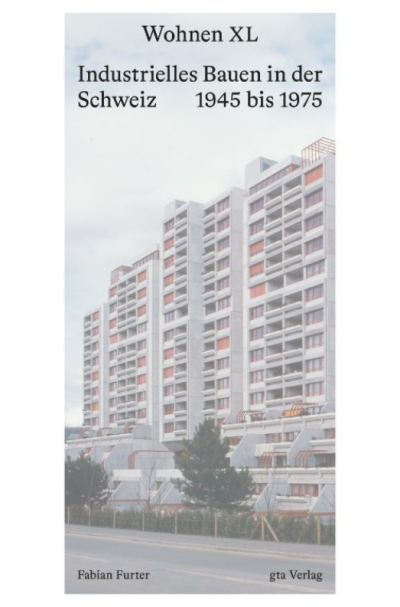
    Fabian Furter

    Wohnen XL. Industrielles Bauen in der Schweiz 1945 bis 1975

  • Lydia Xynogala

    Take Care. Healing Springs and Baths in Greece

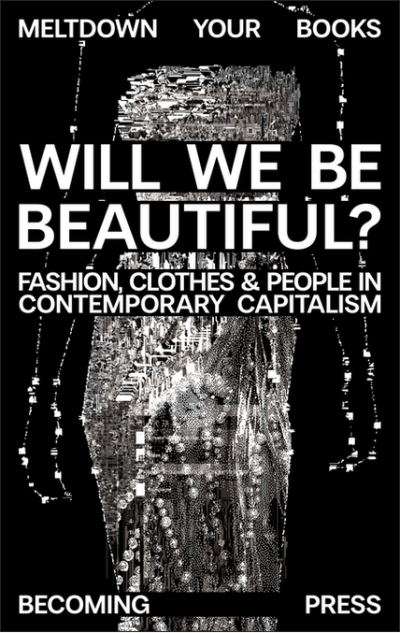
  • Meltdown Your Books (M.Y.B.)

    Will We Be Beautiful? Fashion, Clothes & People in…

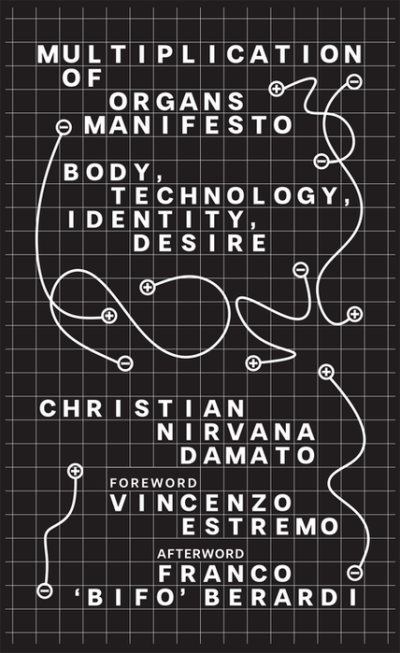
  • Christian Nirvana Damato

    Multiplication of Organs Manifesto. Body, Technology,…

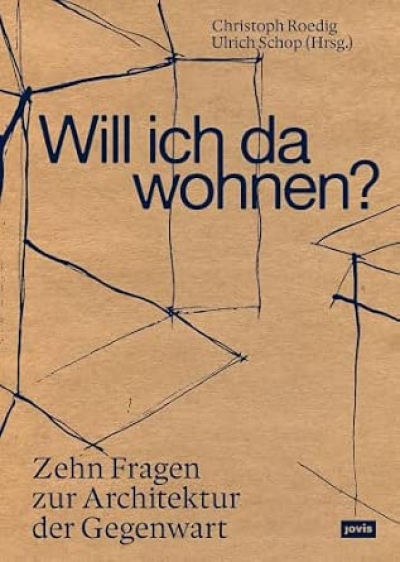
  • Christoph Roedig, Ulrich Schop (Hrsg.)

    Will ich Da Wohnen? Zehn Fragen zur Architektur der…

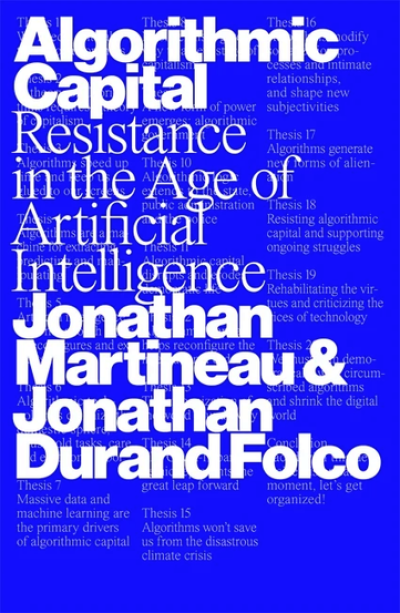
  • Jonathan Martineau, Jonathan Durand…

    Algorithmic Capital. Resistance in the Age of Artificial…

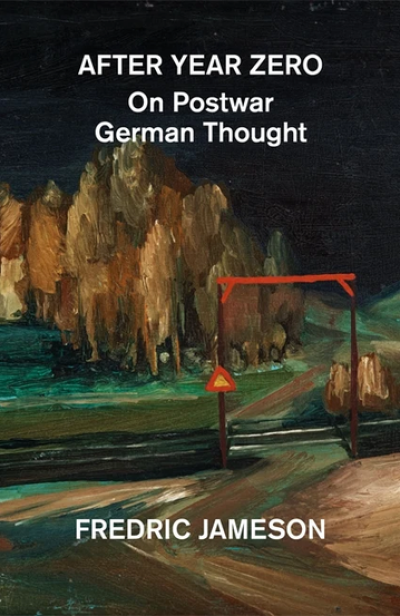
  • Fredric Jameson

    After Year Zero. On Postwar German Thought

  • Samuel Stein

    A Right to Housing?

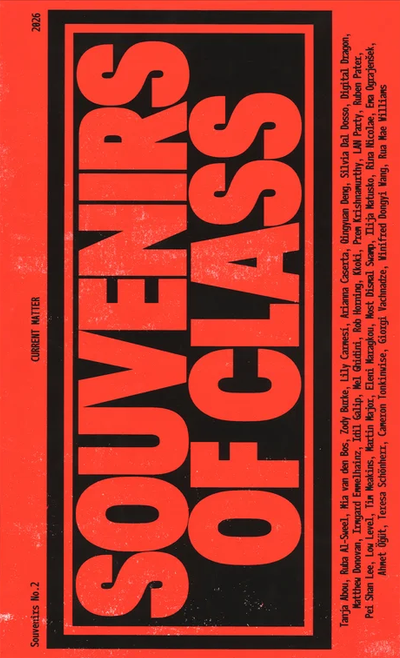
  • Current Matter

    Souvenirs #2. Souvenirs of Class

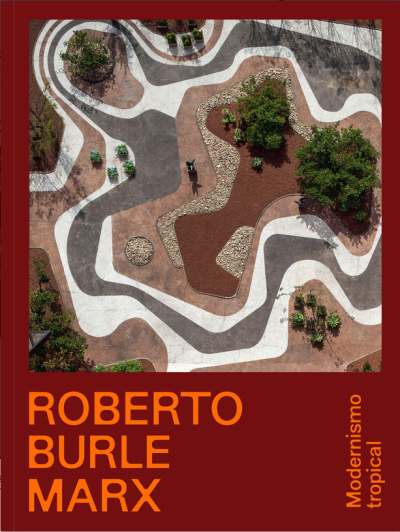
  • Fabienne Eggelhöfer, Nina Zimmer

    Roberto Burle Marx. Modernismo Tropical

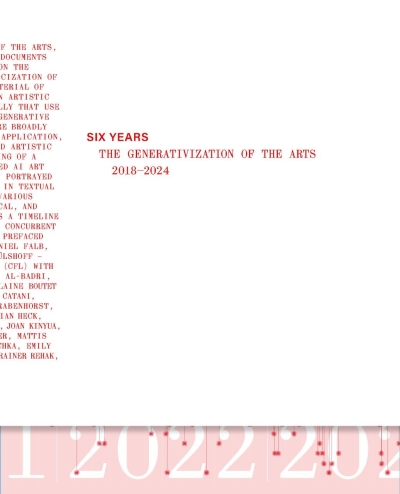
  • Jenni Bohn, Daniel Falb (Hg)

    Six Years: The Generativization of the Arts, 2018 - 2024

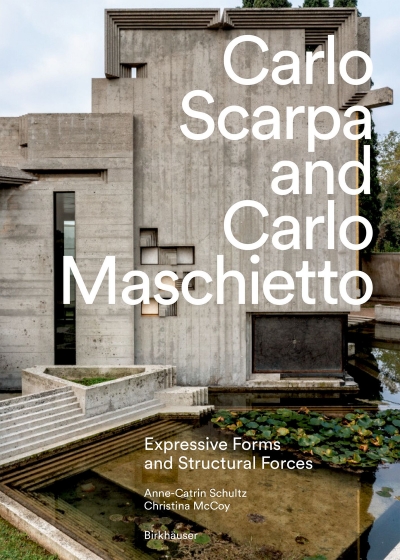
  • Anne-Catrin Schultz, Christina McCoy

    Carlo Scarpa and Carlo Maschietto. Expressive Forms and…

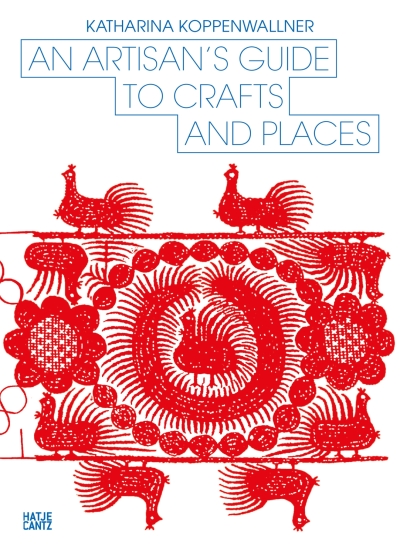
  • Katharina Koppenwallner

    An Artisan's Guide to Crafts and Places

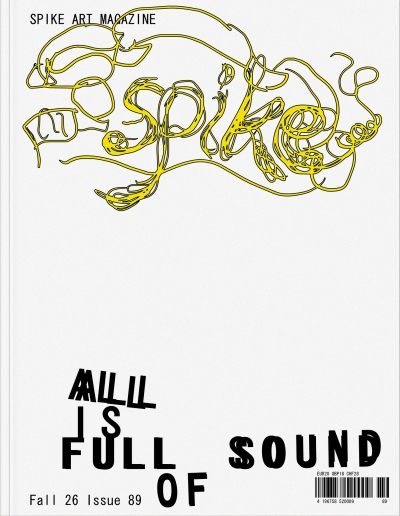
  • Rita Vitorelli

    Spike Art Magazine Issue 89 All Is Full Of Sound

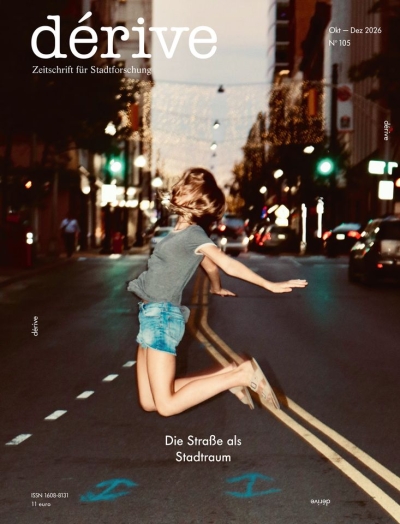
  • dérive

    dérive N° 105, Die Straße als Stadtraum (Okt-Dez 2026)

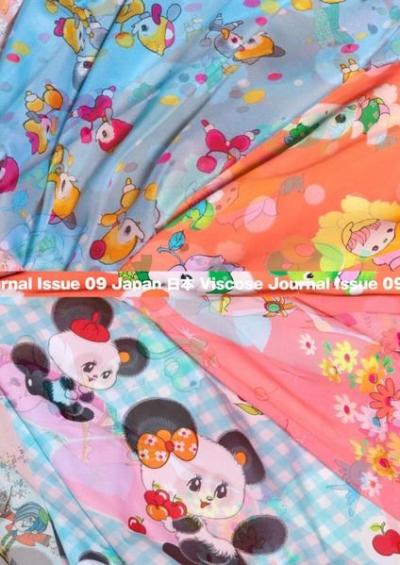
  • Tenko Nakajima, Jeppe Ugelvig (eds.)

    Viscose Journal 09. Japan

  • gerade nicht auf Lager
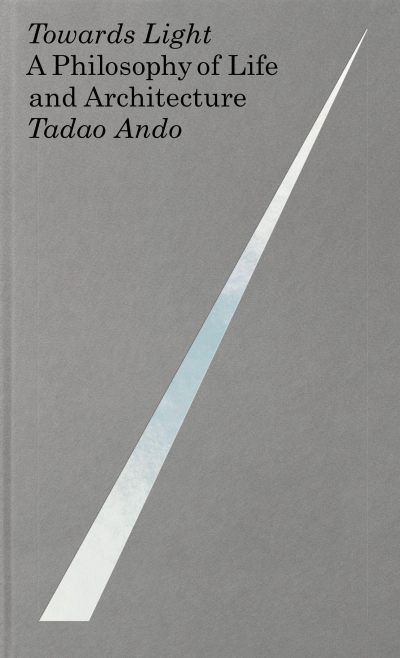
    Tadao Ando

    Tadao Ando. Towards Light. A Philosophy of Life and…

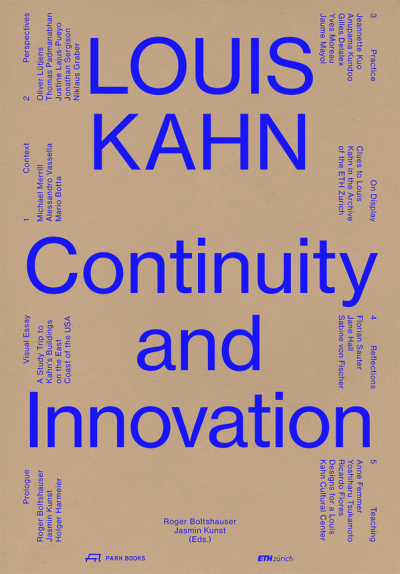
  • Roger Boltshauser, Jasmin Kunst (eds.)

    Louis Kahn. Continuity and Innovation

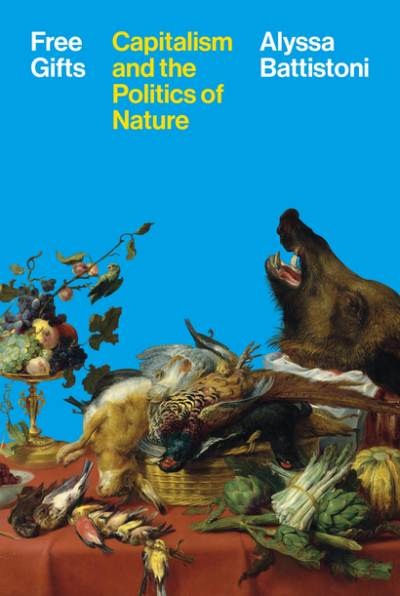
  • Alyssa Battistoni

    Free Gifts. Capitalism and the Politics of Nature

  • gerade nicht auf Lager
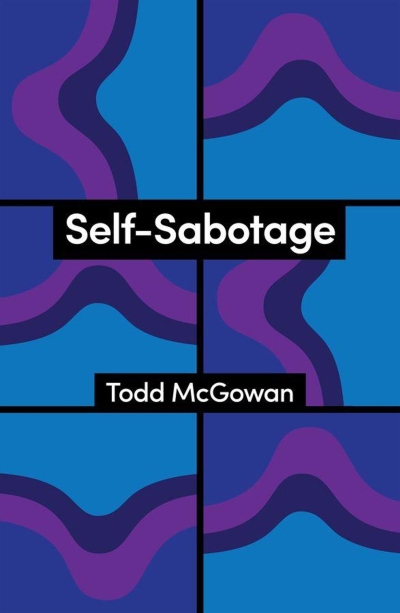
    Todd McGowan

    Self-Sabotage

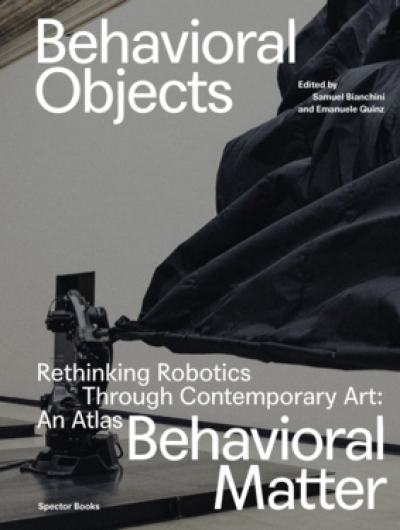
  • Samuel Bianchini, Emanuele Quinz, Rahma…

    Behavioral Objects, Behavioral Matter. Rethinking Robotics…

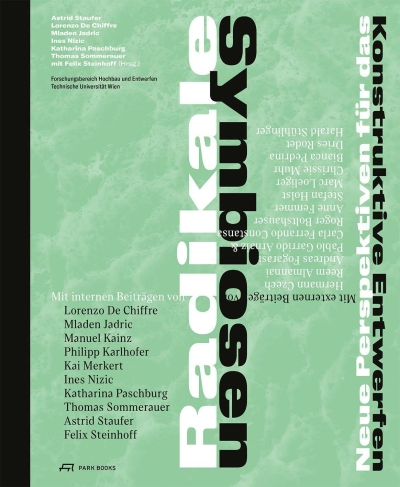
  • Astrid Staufer, Lorenzo De Chiffre,…

    Radikale Symbiosen. Neue Perspektiven für das Konstruktive…

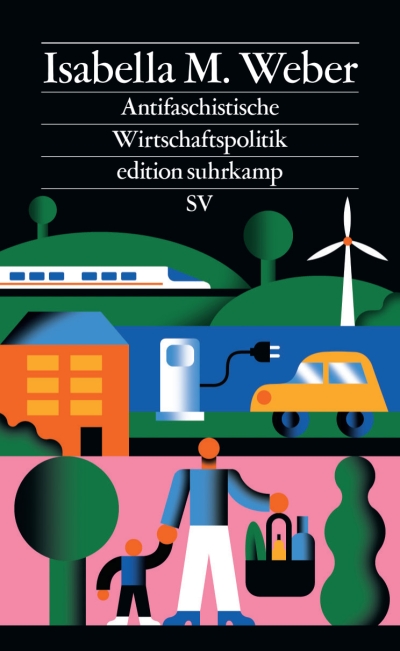
  • Isabella M. Weber

    Antifaschistische Wirtschaftspolitik

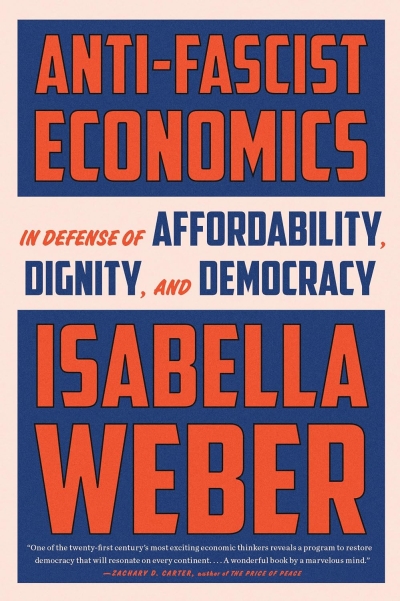
  • Isabella Weber

    Anti-Fascist Economics. In Defense of Affordability,…

  • Simon Strick

    Faschisierung. Fluchtlinie des Digitalen

  • Karolin Meunier

    Commentaries. Vai Pure, Carla Lonzi

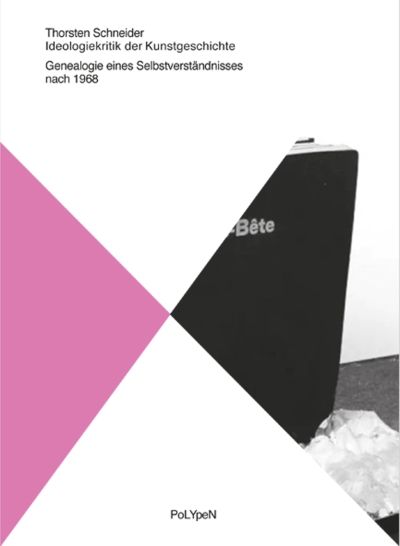
  • Thorsten Schneider

    Ideologiekritik der Kunstgeschichte. Genealogie eines…

  • Victionary

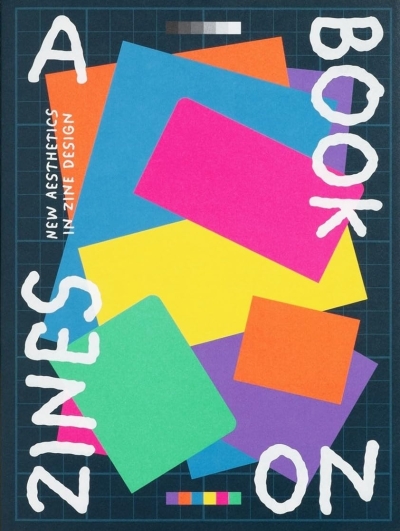
    A Book on Zines: New Aesthetics in Zine Design

  • Maria Kouvari

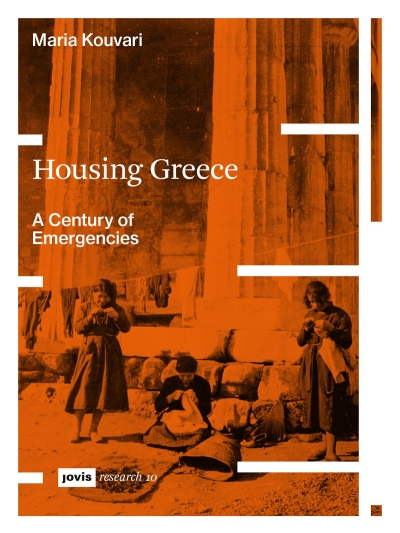
    Housing Greece. A Century of Emergencies.

  • Laura Perler, Mirko Winkel, Carolin…

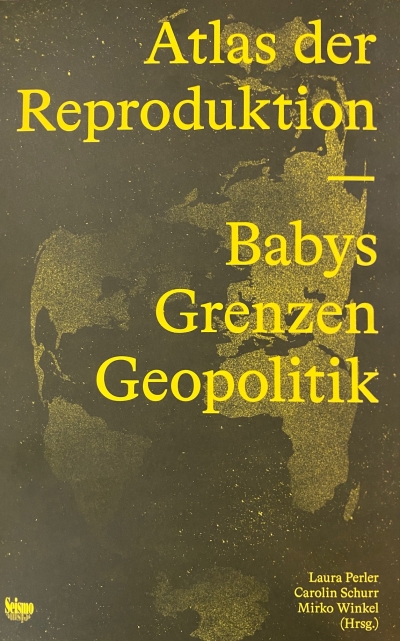
    Atlas der Reproduktion. Babys, Grenzen, Geopolitik

  • Laurent Stalder

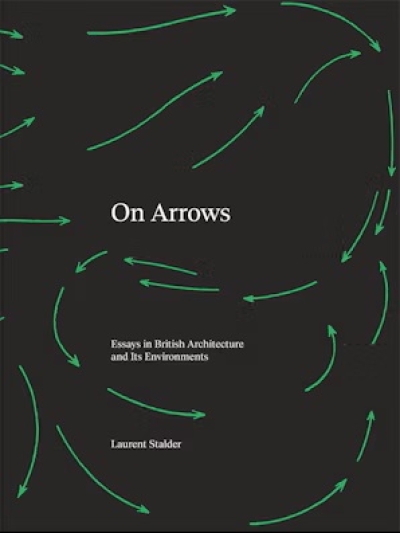
    On Arrows. Essays in British Architecture and Its…

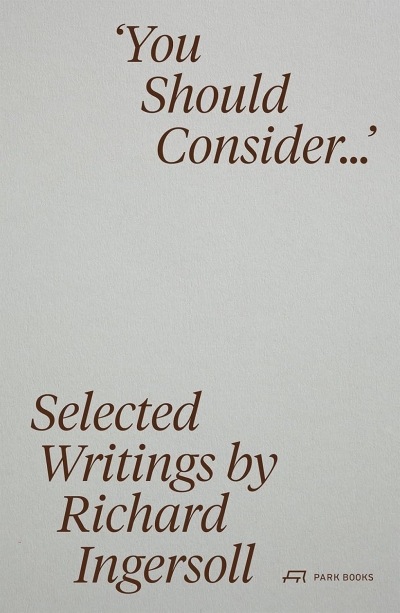
  • Richard Ingersoll

    "You Should Consider ..." Selected Writings by…

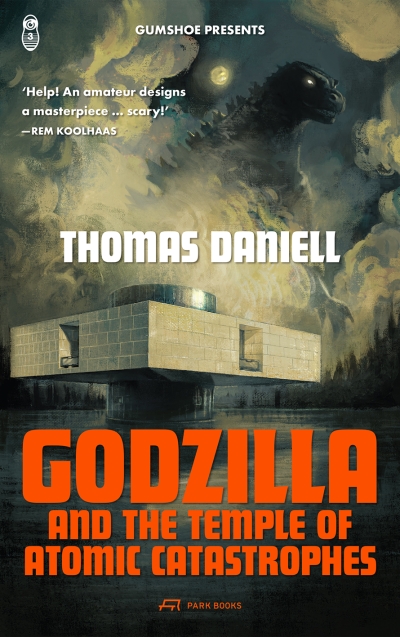
  • Thomas Daniell

    Godzilla and the Temple of Catastrophes

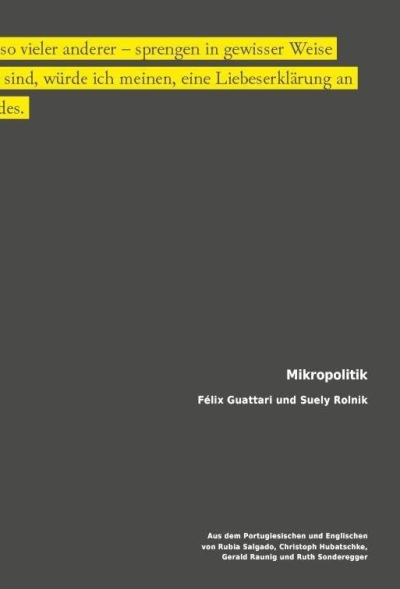
  • Félix Guattari und Suely Rolnik

    Mikropolitik. Wunsch-Kartografie und molekulare Revolution

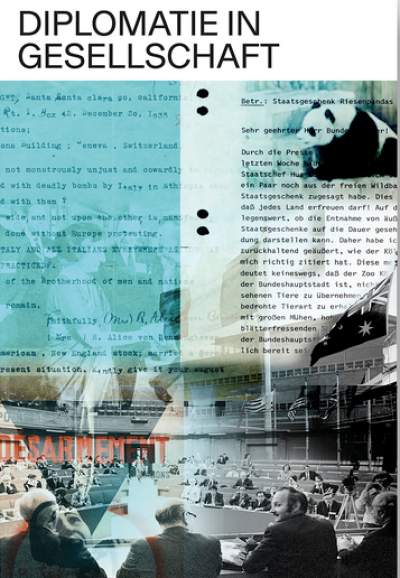
  • Carolin Liebisch-Gümüş, Britta-Marie…

    Diplomatie in Gesellschaft. Cache 05

  • Julia Ebner

    Von Fitness zu Faschismus. Gefahren extremer Männlichkeit

  • gerade nicht auf Lager
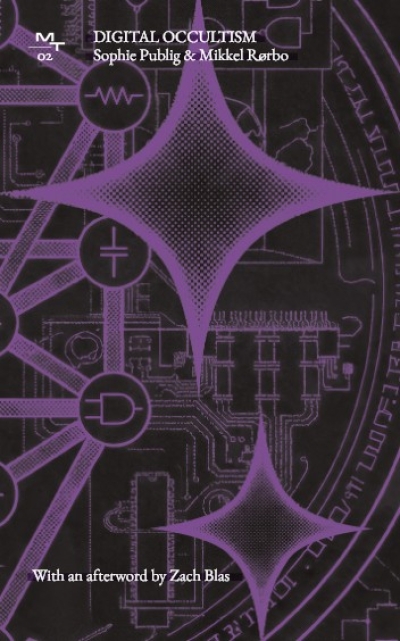
    Sophie Publig & Mikkel Rørbo

    multithread #2: Digital Occultism

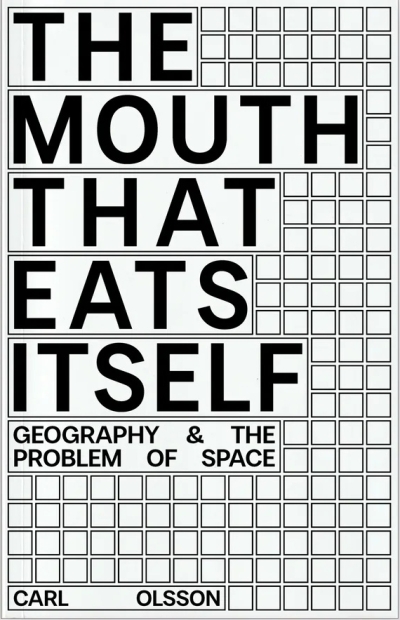
  • Carl Olsson

    The Mouth That Eats Itself: Geography & the Problem of…

  • Emma Robertson

    Breakthrough. 20 Artists on the Album that Changed…

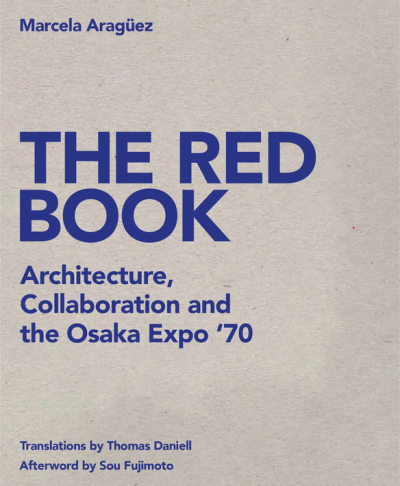
  • Marcela Aragüez

    The Red Book. Architecture, Collaboration, and the Osaka…

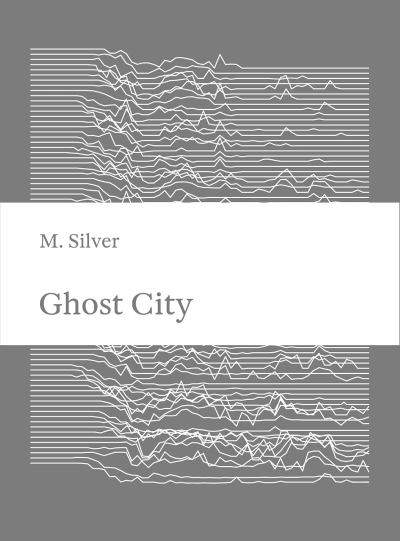
  • Mike Silver

    Ghost City. Alternatives for a Metaphysics of Architecture

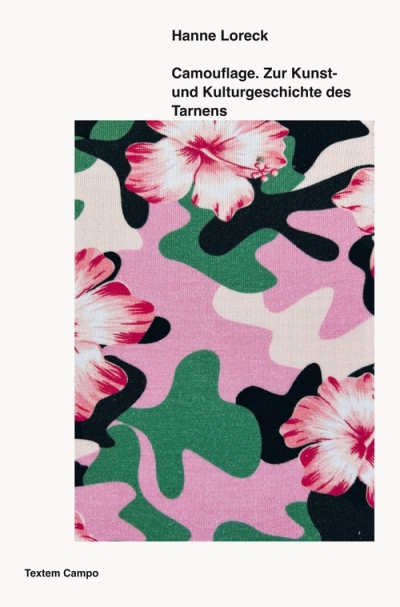
  • Hanne Loreck

    Camouflage. Zur Kunst- und Kulturgeschichte des Tarnens

  • Alexandra Lange

    The Design of Childhood: How the Material World Shapes…

  • Philipp Goll, Anne Röhl

    Harun Farockis Didaktik

  • Francesco Garutti (Hg)

    Kuehn Malvezzi. Curatorial Architecture

  • Paul Landauer

    Post-Demolition. Architecture and the New Ruins

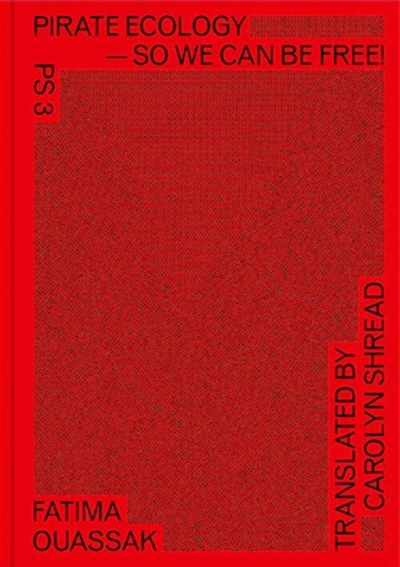
  • Fatima Ouassak

    Pirate Ecology - So We Can Be Free!

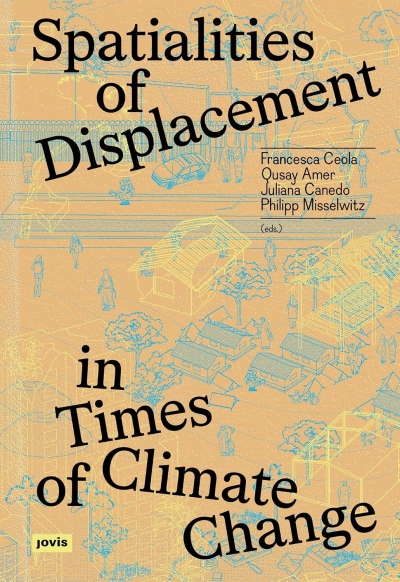
  • Francesca Ceola, Qusay Amer, Juliana…

    Spatialities of Displacement in Times of Climate Change

  • gerade nicht auf Lager
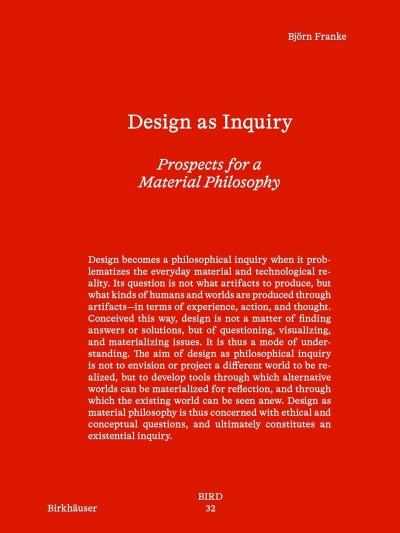
    Björn Franke

    Design as Inquiry. Prospects for a Material Philosophy

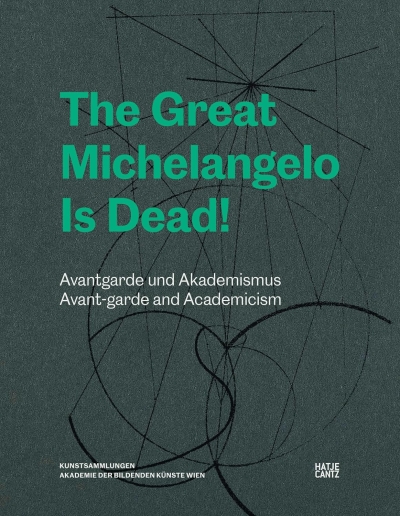
  • Helmut Draxler, Sabine Folie (Hg.)

    The Great Michelangelo Is Dead! Avantgarde und Akademismus

  • gerade nicht auf Lager
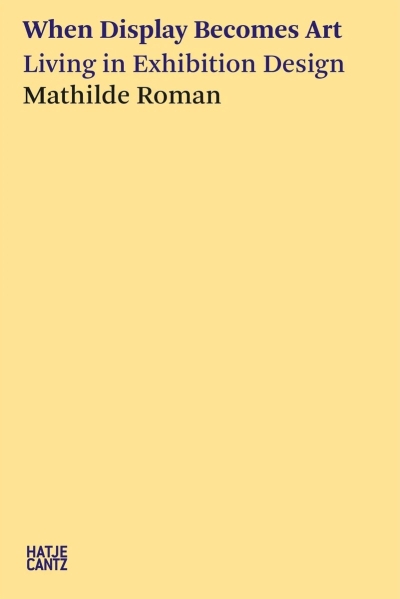
    Mathilde Roman

    When Display Becomes Art. Living in Exhibition Design

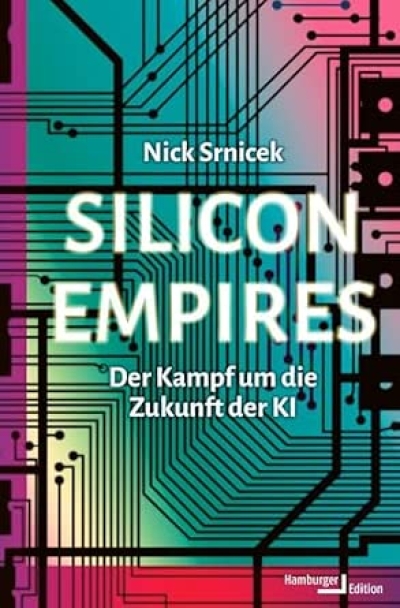
  • Nick Srnicek

    Silicon Empires. Der Kampf um die Zukunft der KI

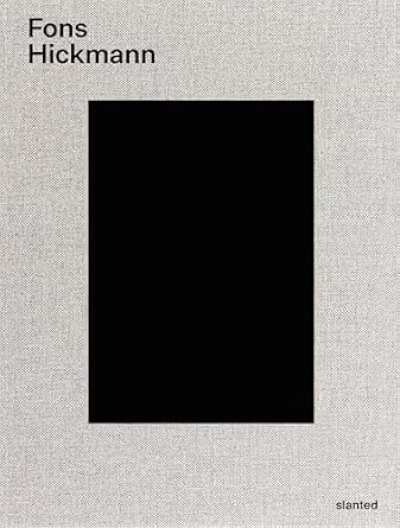
  • Fons Hickmann, Ulrike Kremeier (Hg.)

    Fons Hickmann. Posters - Now and Then

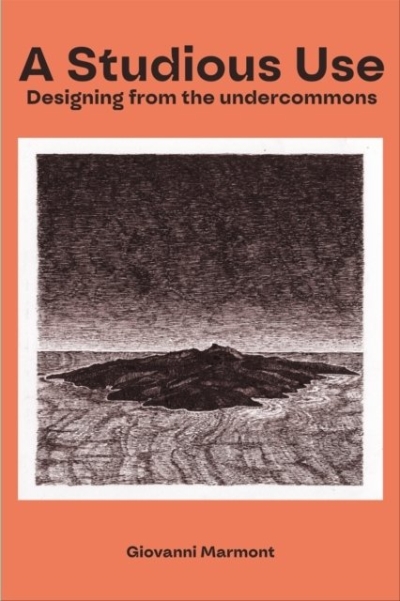
  • Giovanni Marmont

    A Studious Use. Designing from the Undercommons

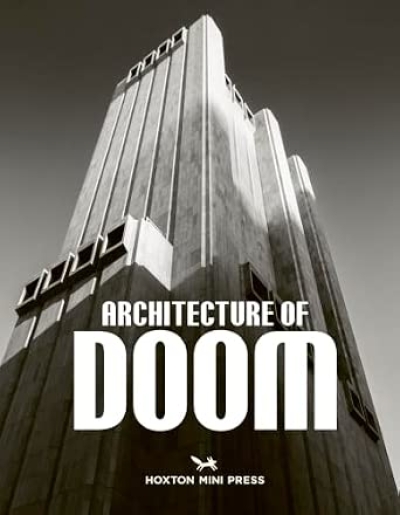
  • Kate Overy (Ed.)

    Architecture of Doom

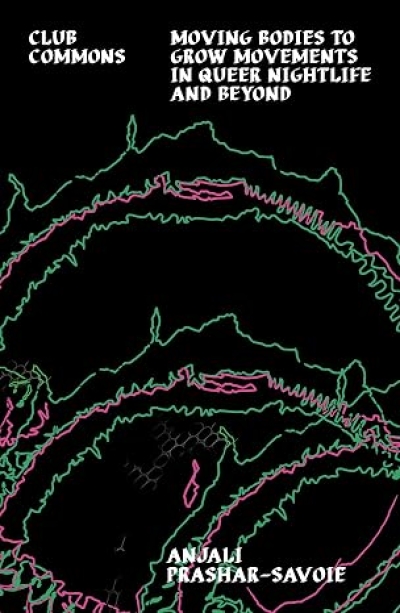
  • Anjali Prashar-Savoie

    Club Commons. Moving Bodies to Grow Movements‬ ‭in Queer…

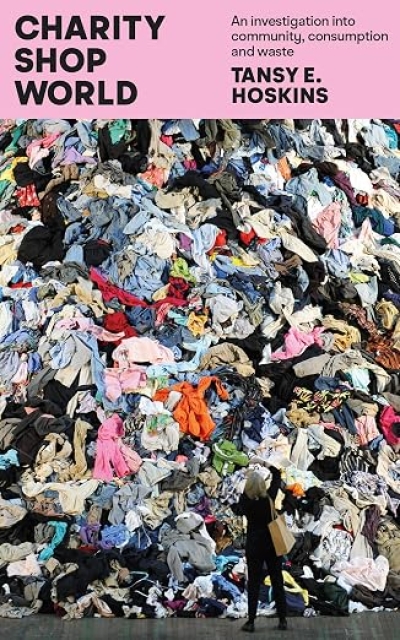
  • Tansy Hoskins

    Charity Shop World. An investigation into community,…

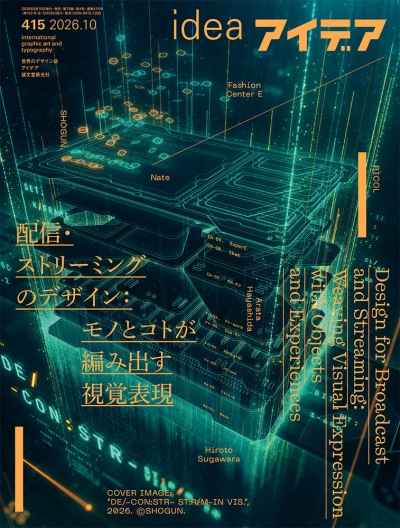
  • IDEA Magazine

    Idea 415. Design for Broadcast and Streaming - Weaving…

  • gerade nicht auf Lager
    Alex Gekker

    Maps as Media

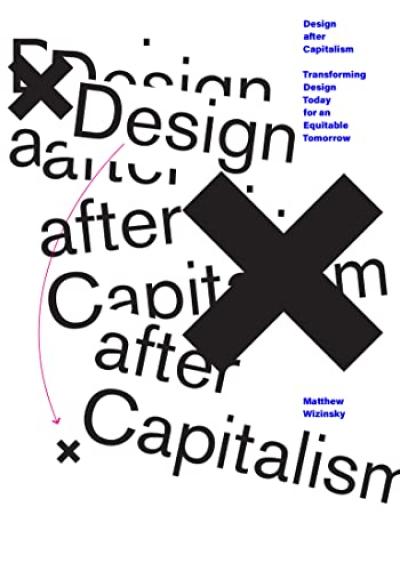
  • Matthew Wizinsky

    Design after Capitalism. Transforming Design Today for an…

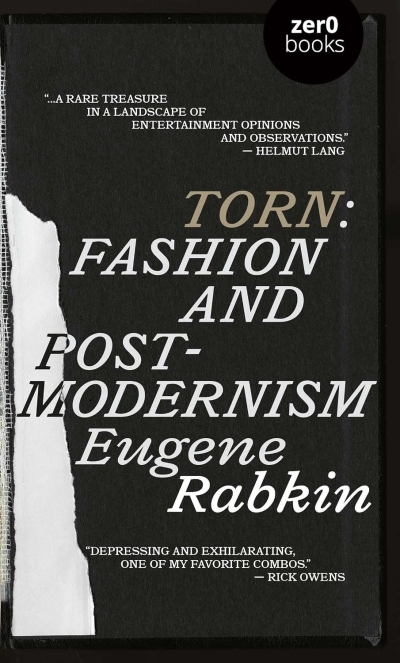
  • Eugene Rabkin

    Torn: Fashion and Postmodernism

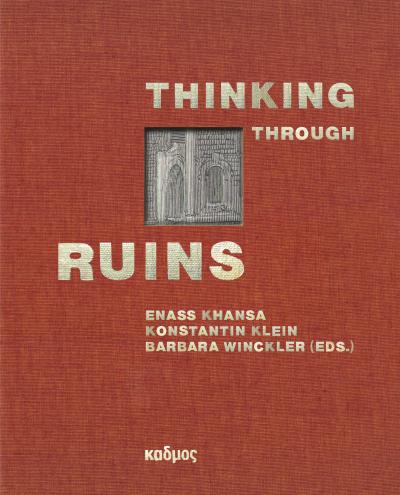
  • Barbara Winckler, Enass Khansa,…

    Thinking Through Ruins. Genealogies, Functions, and…

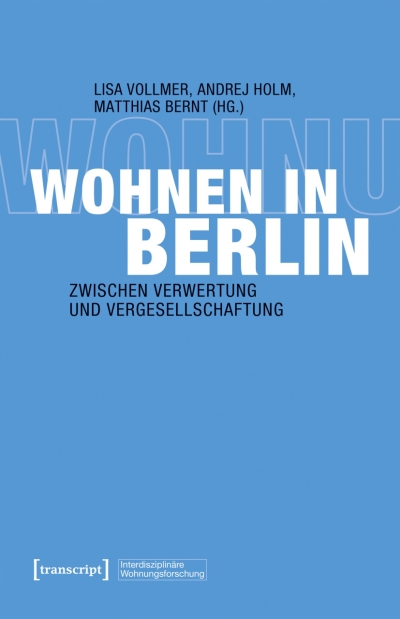
  • Lisa Vollmer, Andrej Holm, Matthias…

    Wohnen in Berlin. Zwischen Verwertung und Vergesellschaftung

  • Stiftung Buchkunst

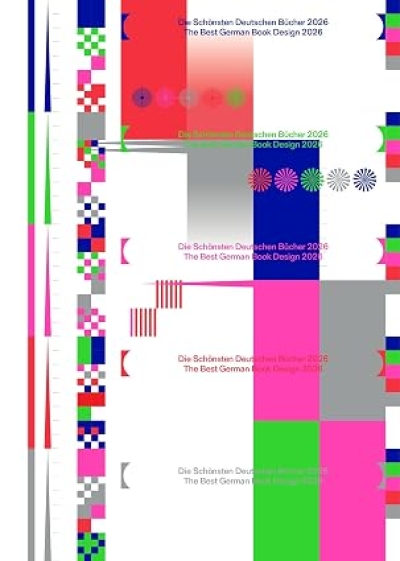
    Die schönsten deutschen Bücher 2026. The Best German Book…

  • Adria Daraban, Fréderic Schnee (Hg)

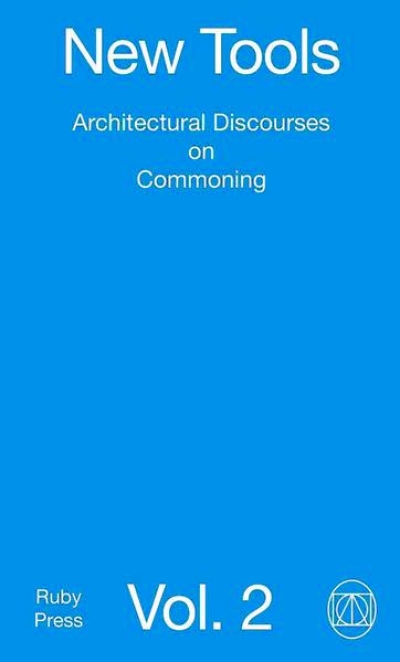
    New Tools Vol. 2. Architectural Discourses on Commoning

  • Davide Tolfo (ed.)

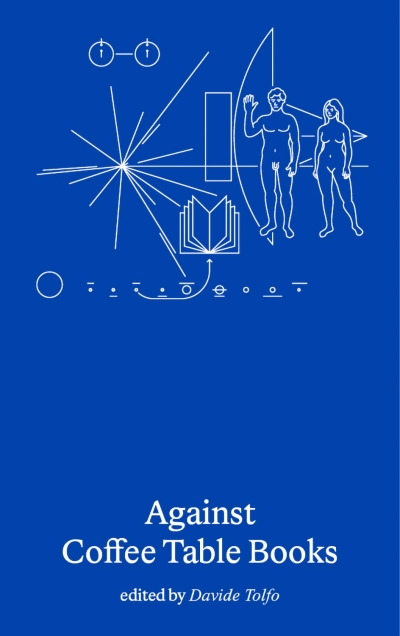
    Against Coffee Table Books

  • Sina Brückner-Amin

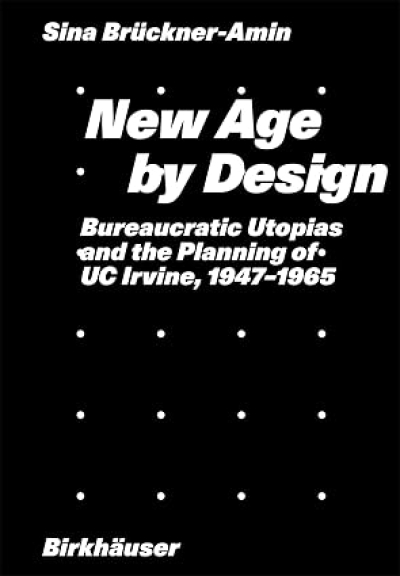
    New Age by Design. Bureaucratic Utopias and the Planning of…

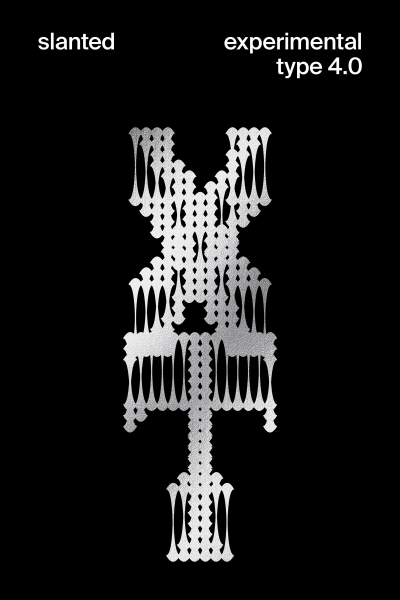
  • Slanted

    Slanted Experimental Type 4.0

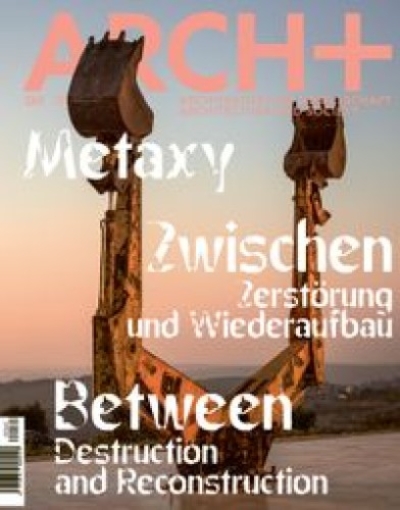
  • Anh-Ling Ngo (Hg)

    ARCH+ 265. Metaxy. Zwischen Zerstörung und Wiederaufbau /…

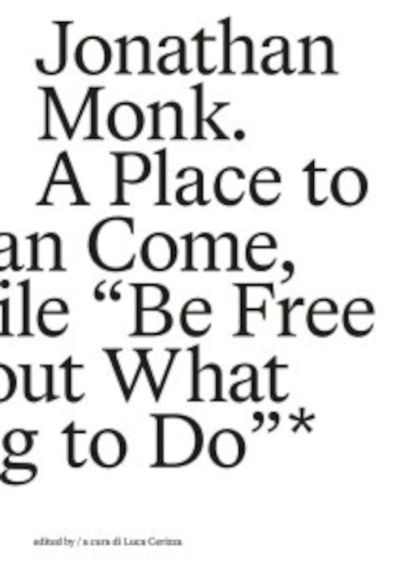
  • Luca Cerizza (Hg)

    Jonathan Monk. A Place to Which We Can Come, and for a…

  • gerade nicht auf Lager
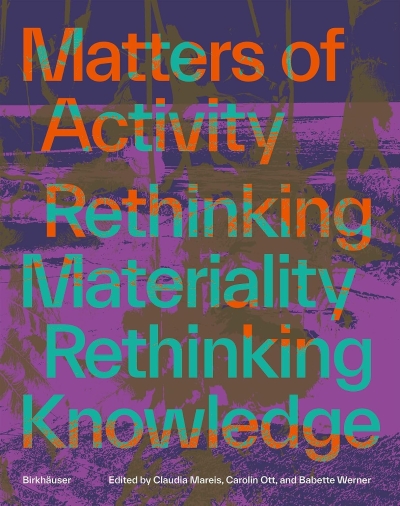
    Claudia Mareis, Carolin Ott, Babette…

    Matters of Activity. Rethinking Materiality, Rethinking…

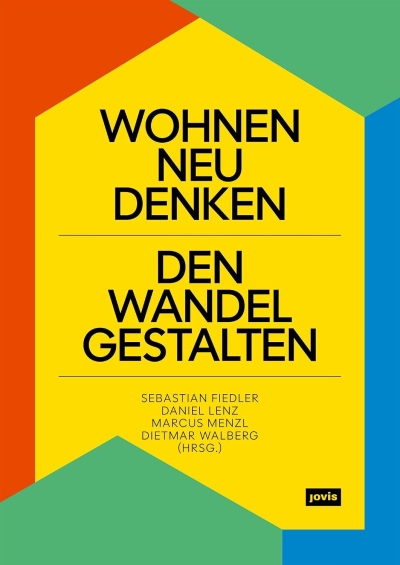
  • Sebastian Fiedler, Daniel Lenz, Marcus…

    Wohnen neu denken. Den Wandel gestalten

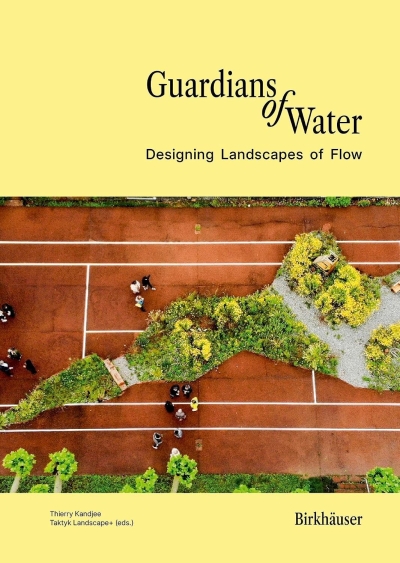
  • Thierry Kandjee (Hg)

    Guardians of Water. Designing Landscapes of Flow. A Global…

  • Edgar Rodriguez

    Beigeification™

  • Metahaven

    The Hard Question of Art. Cognitive Futures

  • Cecilia Rikap

    The Rulers. Corporate Power in the Age of AI and the Cloud

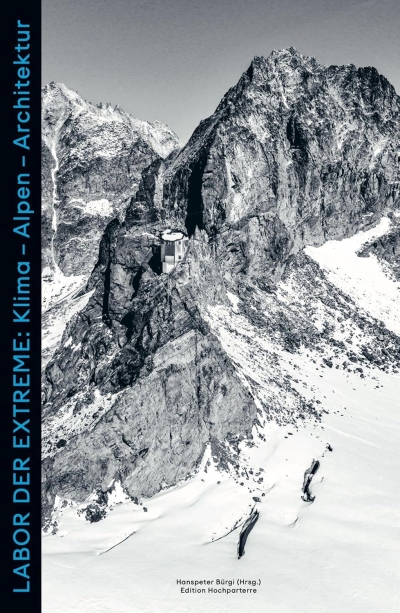
  • Hans-Peter Bürgi (Hg)

    Labor der Extreme: Klima - Alpen - Architektur

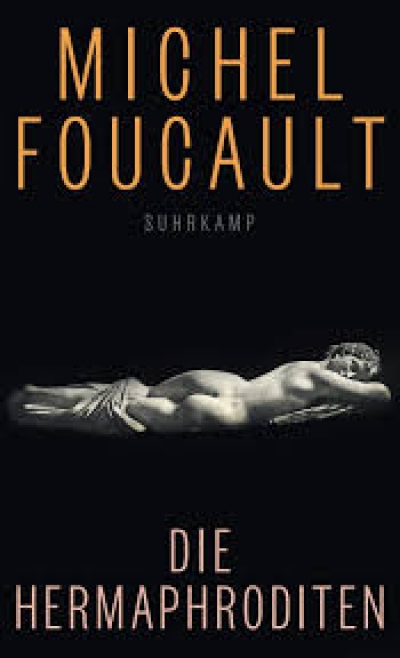
  • Michel Foucault

    Die Hermaphroditen

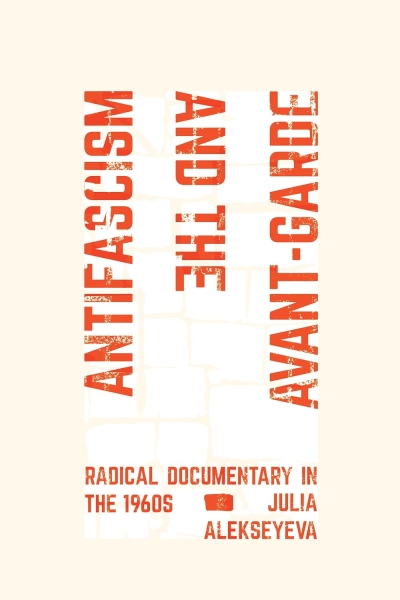
  • Julia Alekseyeva

    Antifascism and the Avant-Garde. Radical Documentary in the…

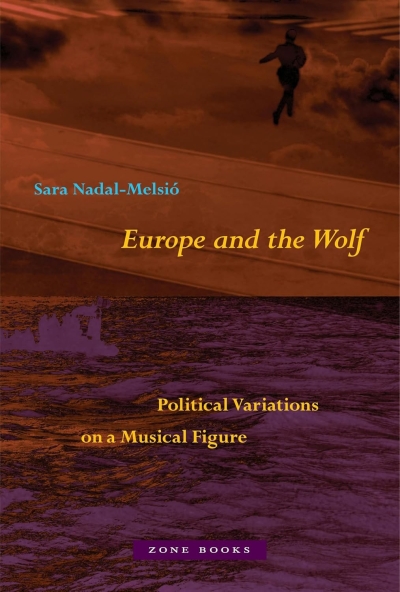
  • Sara Nadal-Melsio

    Europe and the Wolf. Political Variations on a Musical…

  • gerade nicht auf Lager
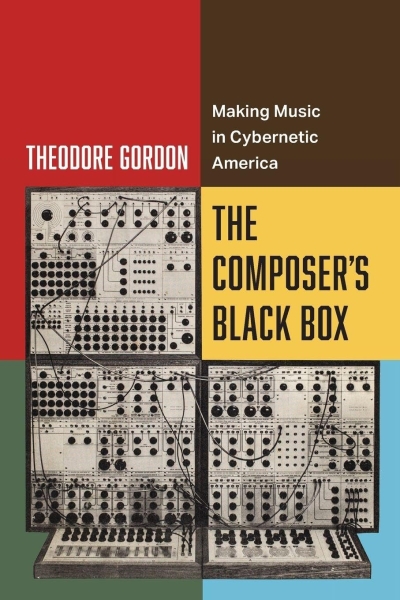
    Theodore Gordon

    The Composer's Black Box. Making Music in Cybernetic…

  • Évelyne Gayou

    A Revolution in Music. The History of the Groupe de…

  • Tim Altenhof

    Breathing Space. The Architecture of Pneumatic Beings

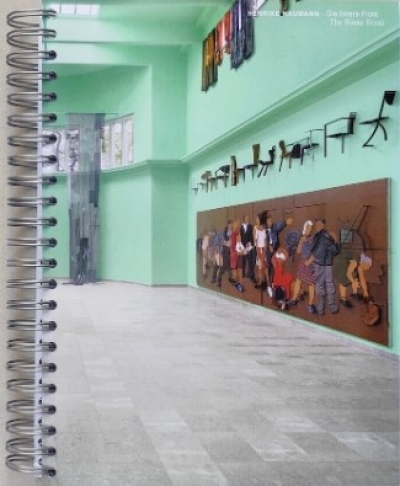
Cover Henrike Naumann. Die Innere Front. The Home Front

Henrike Naumann. Die Innere Front. The Home Front

German/English mit Texten von/with texts by Clemens Villinger, Kerstin Stakemeier. Design by Johannes Büttner

Die Publikation erscheint unabhängig als Materialsammlung zu Henrike Naumanns Beitrag für die Ausstellung RUIN im Deutschen Pavillon der diesjährigen Venedig Biennale (Kuratorin: Kathleen Reinhardt; Künstlerinnen: Henrike Naumann, Sung Tieu).

Sie hat keinen klaren Anfang und kein Ende. Beim ‚Forever‘-Umrunden der Seiten entlang der Spiralbindung entstehen neue Verknüpfungen, Fragmente verschieben sich, Bedeutungen kippen, Gesehenes erscheint in der Wiederholung anders. Klare Lesarten verweigern sich. Das zusammengetragene Material wird kontextualisiert und verwirrt gleichzeitig. Es ist ‚ungemütlich‘, ähnlich wie Henrike Naumann ihren Beitrag bezeichnete. Es zeigt sich eine dichte künstlerische Praxis, die nicht bewusst abgeschlossen werden konnte, sondern durch ein abruptes Ende bestimmt ist.

Als Materialsammlung werden verschiedene Elemente und Ansätze aus dem gesamten Arbeitsprozess zusammengeführt. Einmal die Hieroglyphen, die Henrike Naumann als Glossar und eigenes Zeichensystem beschrieb, teilweise begleitet von Texten von Clemens Villinger. Dazu kommt das umfangreiche ‚masterplan.key‘, ein fortlaufend bearbeitetes Dokument, mit dem sie vor über einem Jahr begann, um Ideen und Verknüpfungen zu sammeln. Es half ihr konzeptionelle Ansätze und Brüche zu entwickeln, sowie ihre Notizen und Denkprozesse aus den Skizzen und intensiven Recherchen zu visualisieren. Darunter der erste Konzeptentwurf aus dem Bewerbungsprozess.

Ähnlich wie bei ihrer Praxis der ‚Konzeptpapiere‘ nutzte Henrike ‚masterplan.key‘ als internes konzeptionelles Dokument, in dem sie Collagen und Manipulationen entwickelte, um das Material und die übereinanderliegenden Kontexte zu bändigen. Die Seitengröße des Dokuments orientiert sich an dem Laptopbildschirm, vor dem man mit ihr saß, während sie eine ihrer Keynote-Präsentationen durchklickte, um den künstlerischen Prozess in einem Projekt zu erläutern.

Die Sammlung enthält weiterhin Naumanns Konzepttextskizzen und einen Text von Kerstin Stakemeier. Dazu kommen einzelne Objektaufnahmen der Hieroglyphen, die noch in Naumanns Studio entstanden waren, sowie Ausstellungsansichten aus Venedig. Der Künstler Johannes Büttner entwickelte die konzeptionelle und grafischen Umsetzung der Publikation.

Die Materialsammlung war nicht mehr von Henrike Naumann geplant gewesen. Die Herausgeber:innen entschieden sich zur Veröffentlichung, um an ihren gewählten Schritt einer Sichtbarmachung von Ideen, Ansätzen und Recherchen anzuknüpfen, den sie mit dem Metallordner CONCEPTS eingeschlagen hatte. Die breite Vermittlung ihrer Arbeit war Henrike Naumann immer besonders wichtig, das Offenlegen ihrer Recherchelinien und Denkprozesse zu ihrem Pavillonbeitrag versucht diese Motivation so gut wie möglich zu unterstützen.

Es ist ein offenes Dokument entstanden, das Einblick gibt, aber vor allem herausfordert und zum Weiterdenken provoziert.

————————————————————————————————

This publication is an independently released collection of materials relating to Henrike Naumann’s contribution to the exhibition RUIN in the German Pavilion at this year’s Venice Biennale (curator: Kathleen Reinhardt; artists: Henrike Naumann, Sung Tieu).

It has no clear beginning or end. As one ‘forever’ turns the pages along the spiral binding, new connections emerge, fragments and meanings shift, and what has been seen appears different in repetitions. Clear interpretations elude the reader. The compiled material is both contextualizing and bewildering at the same time. It is ‘uncomfortable’, much as Henrike Naumann described her work in the pavilion. What emerges is a dense artistic practice that could not be consciously brought to a close, but is instead defined by an abrupt ending.

As a collection of material, various elements and approaches from the entire working process are brought together. Firstly, the hieroglyphs, which Henrike Naumann described as a glossary and a sign system in her own right, partly accompanied by texts by Clemens Villinger. Added to this is the extensive ‘masterplan.key’, a document that she constantly updated, and began working on over a year ago to collect ideas and connections. It helped her to develop conceptual approaches and disruptions, as well as to visualise her notes and thought processes drawn from the sketches and her intensive research. Among these is the first conceptual draft from the application procedure.

Much like her practice of ‘concept papers’, Henrike used ‘masterplan.key’ as an internal conceptual document in which she developed collages and manipulations to bring the material and the overlapping contexts ‘under control’. The page size of the document is based on the laptop screen in front of which one sat with her whilst she clicked through one of her Keynote presentations to explain the artistic process in a project.

The collection also includes Naumann’s conceptual text sketches and a text by Kerstin Stakemeier. In addition, there are individual photographs of the hieroglyphs, taken whilst they were still in Naumann’s studio, as well as exhibition views from Venice. The artist Johannes Büttner developed the conceptual and graphic design of the publication.

The collection of materials had not originally been planned by Henrike Naumann. The editors decided to publish it shortly before the opening in order to build on the approach she had adopted – that of bringing ideas, approaches and research to light – which she had embarked upon with the metal folder CONCEPTS. Communicating and mediating the work widely has always been particularly important to her; the disclosure of her lines of research and thoughts relating to her pavilion contribution seeks to support this motivation as effectively as possible.

The result is an open document that provides insight, but above all challenges the reader and provokes to further continue these approaches.


Studio Henrike Naumann
Henrike Naumann. Die Innere Front. The Home Front
Bierke Verlag, 2026, 978-3-948546-70-0
38,00 €