
















Direkt zum Inhalt

Warenkorb

  • Linda Bilda (Hrsg. von Helene Baur,…

    Die goldene Welt. Linda Bilda

  • Federico Campagna

    Otherworlds. Mediterranean Lessons On Escaping History

  • Patrick McGraw (Ed.)

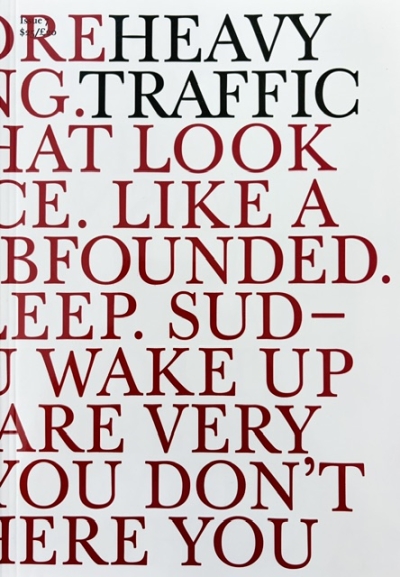
    Heavy Traffic #7

  • AgwA, architecten jan de vylder inge…

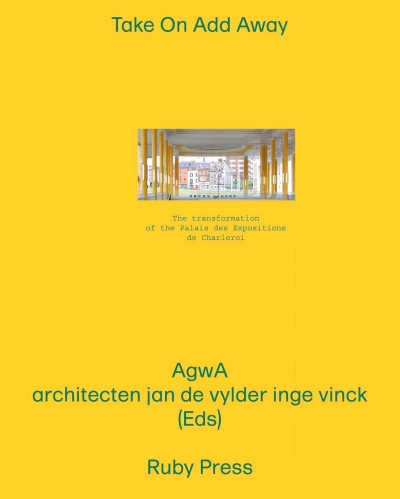
    Take On Add Away. A transformation of the Palais des…

  • Amy Holmes, Julie Cirelli (Eds)

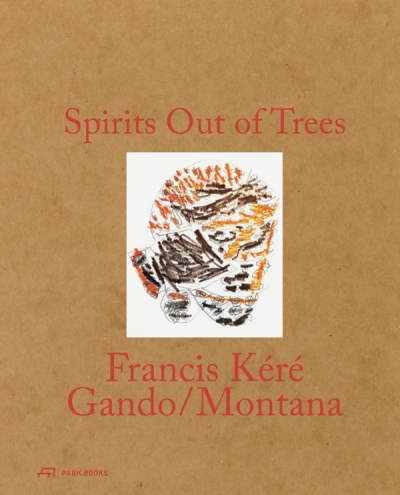
    Spirits Out of Trees. Francis Kéré. Gando / Montana

  • Tony Fry

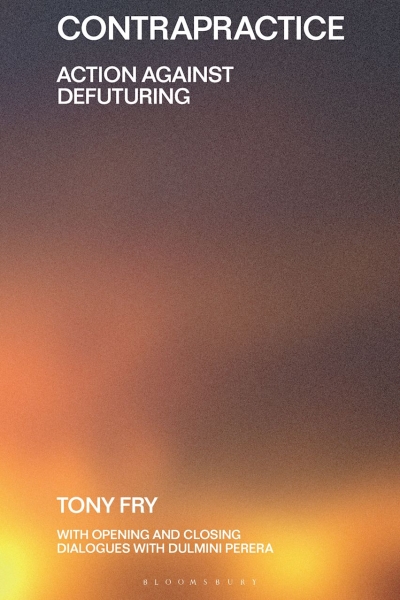
    Contrapractice. Action Against Defuturing

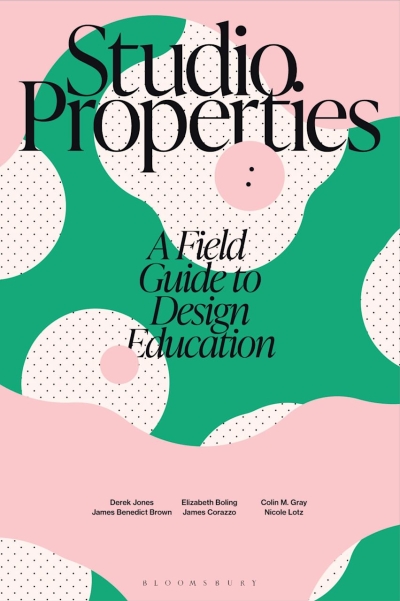
  • Derek Jones, Elizabeth Boling, James…

    Studio Properties. A field guide to design education

  • IDEA Magazine

    Idea 414. The Graphics of Human Intimacy. Designing…

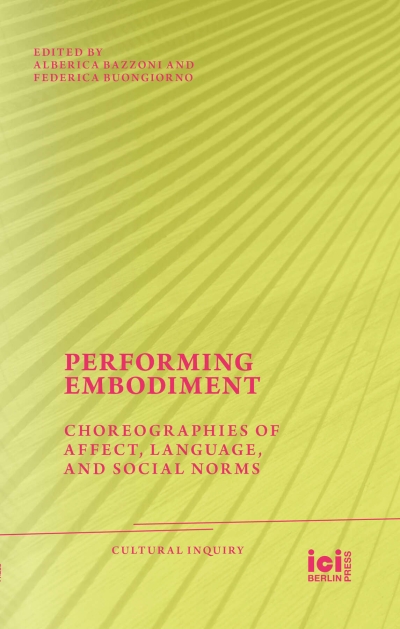
  • Alberica Bazzoni, Federica Buangiorno…

    Performing Embodiment: Choreographies of Affect, Language,…

  • Nora-Swantje Almes (Hg)

    Florentina Holzinger. HOLZINGER

  • Christoph Chwatal, Alexander Karschnia,…

    Teslokratie. Ideologien des Tech-Kapitalismus

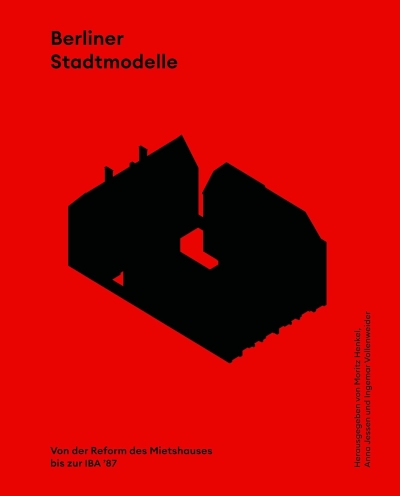
  • Moritz Henkel, Anna Jessen, Ingemar…

    Berliner Stadtmodelle. Von der Reform des Mietshauses bis…

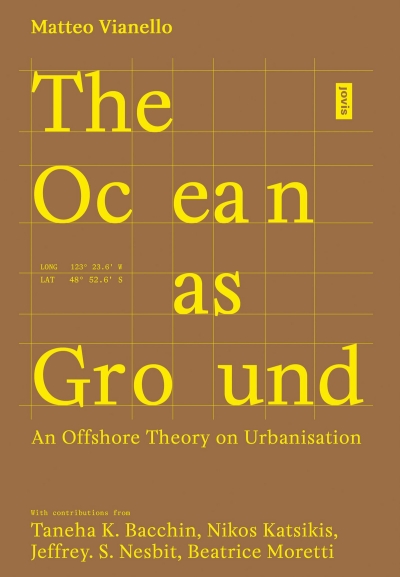
  • Matteo Vianello

    The Ocean as Ground. An Offshore Theory of Urbanisation

  • gerade nicht auf Lager
    Hamza Shaikh (ed.)

    Image Generation. Artificial Intelligence, Creativity and…

  • gerade nicht auf Lager
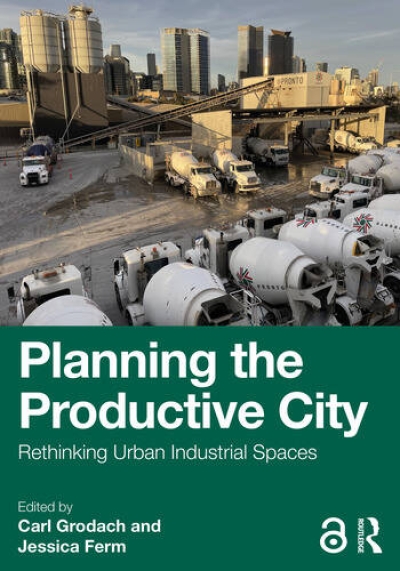
    Carl Grodach, Jessica Ferm

    Planning the Productive City. Rethinking Urban Industrial…

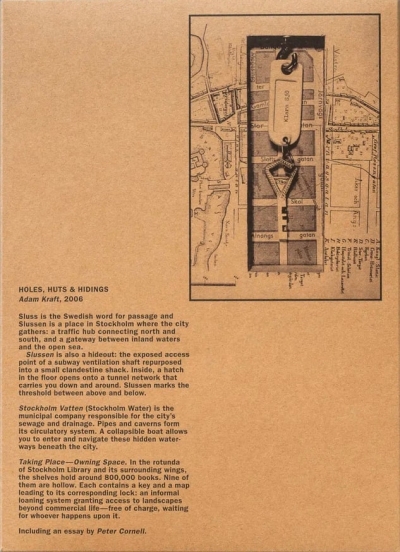
  • Adam Kraft

    Holes, Huts & Hidings

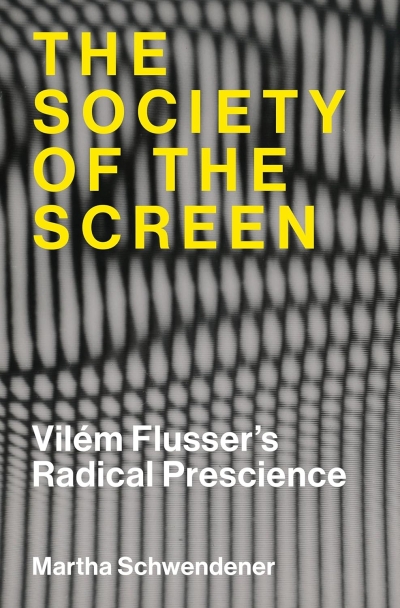
  • Martha Schwendener

    The Society of the Screen. Vilém Flusser's Radical…

  • gerade nicht auf Lager
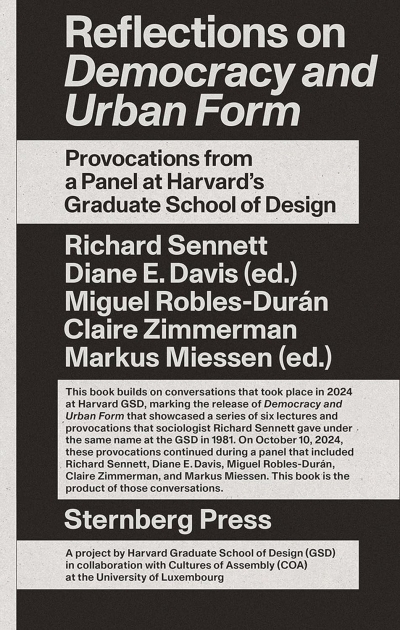
    Diane E. Davis, Markus Miessen (eds.)

    Reflections on Democracy and Urban Form. Provocations from…

  • gerade nicht auf Lager
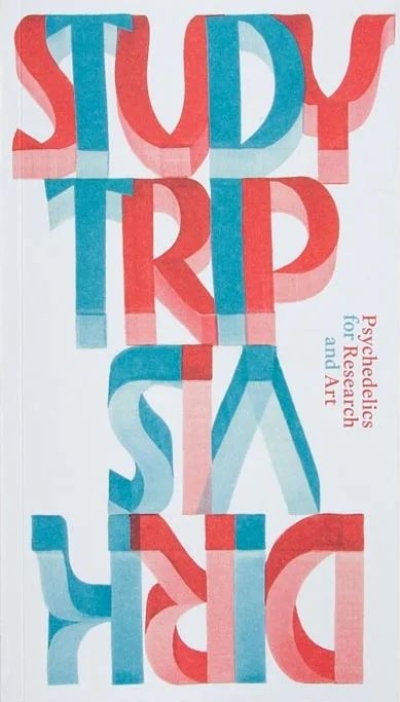
    Dirk Vis

    Study Trip. Psychedelics for Research and Art

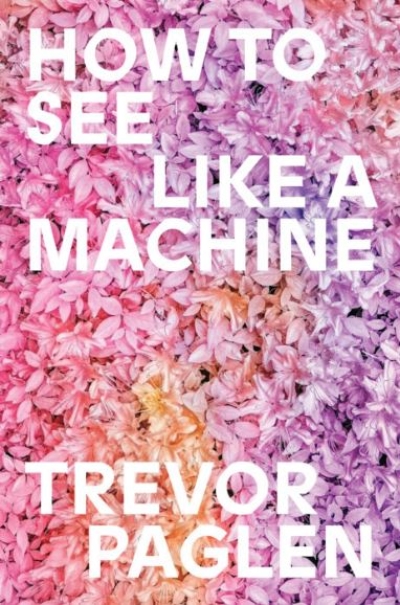
  • Trevor Paglen

    How to See Like a Machine. Art in the Age of AI

  • Christoph Möllers, Nils Weinberg

    Öffentliche Kunstfreiheit

  • gerade nicht auf Lager
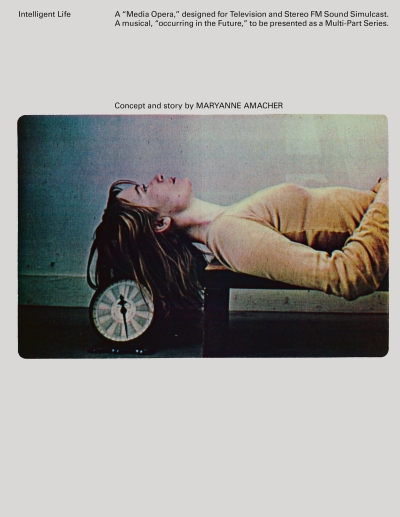
    Maryanne Amacher, Lawrence Kumpf (ed.)

    Intelligent Life. Concept and story by Maryanne Amacher.

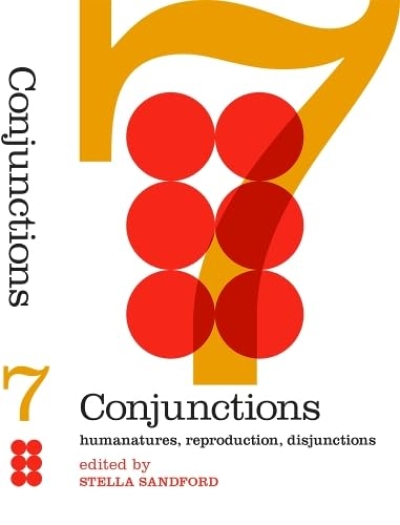
  • Stella Sandford (Hg)

    Conjunctions. Humanatures, reproduction, disjunctions…

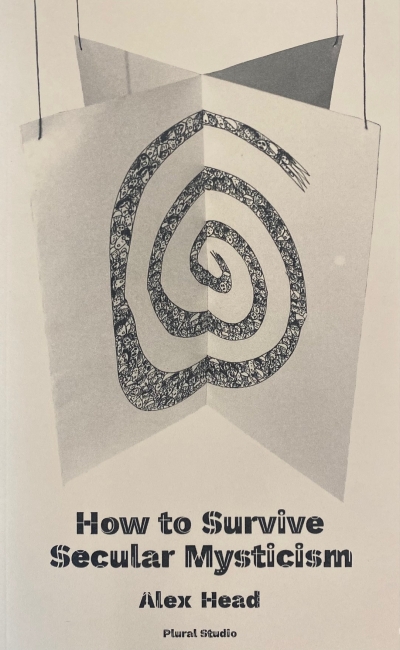
  • Alex Head

    How to Survive Secular Mysticism

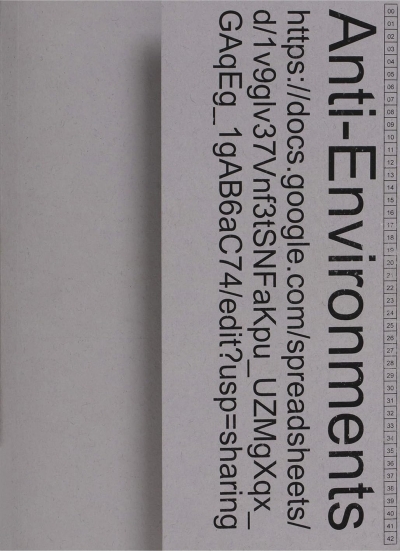
  • Luis Adrian Borchardt

    Anti-Environments. On the Exploration of Unconventional…

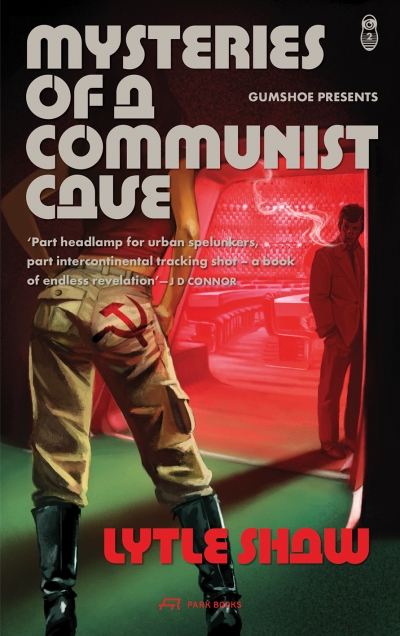
  • Lytle Shaw (Eds. Thomas Weaver,…

    Mysteries of a Communist Cave

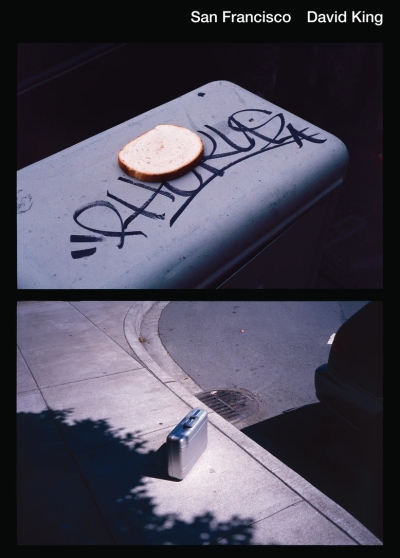
  • The David King Estate

    David King. San Francisco

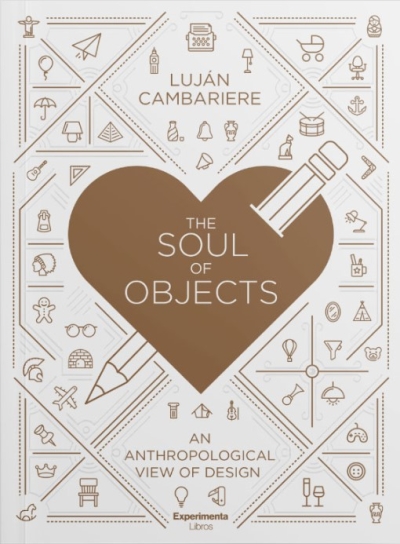
  • Lujan Cambariere

    The Soul of Objects. An Anthropological View of Design

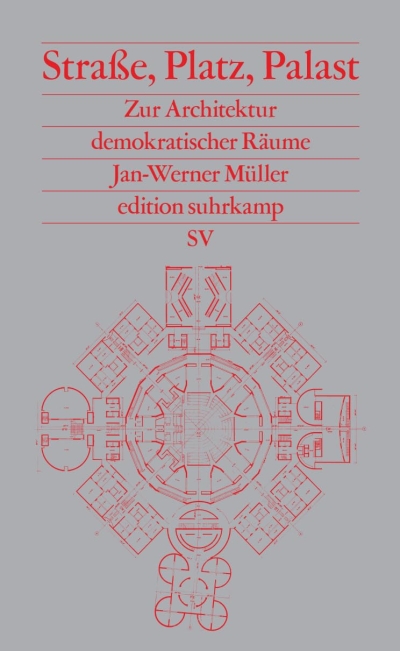
  • Jan-Werner Müller

    Straße, Platz, Palast. Zur Architektur demokratischer Räume

  • gerade nicht auf Lager
    Alenka Zupancic

    Disavowal

  • gerade nicht auf Lager
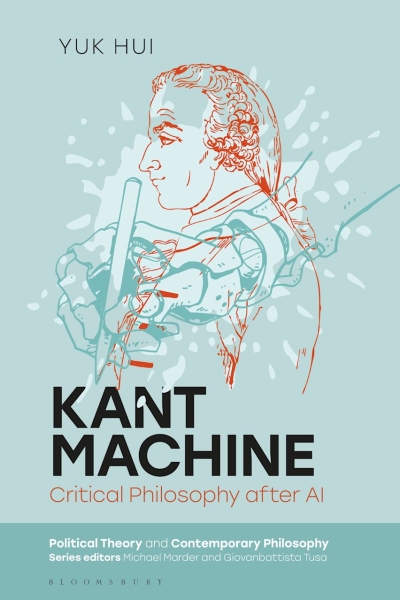
    Yuk Hui

    Kant Machine. Critical Philosophy after AI

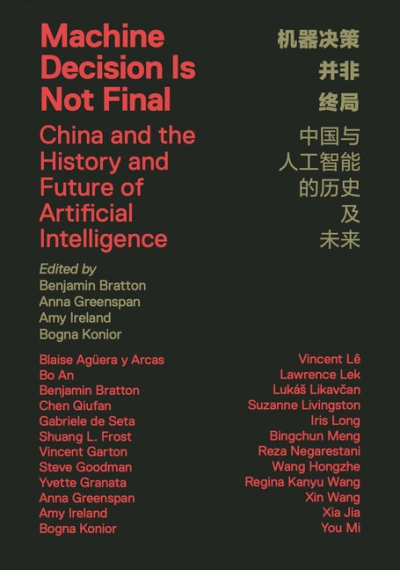
  • Benjamin H. Bratton, Anna Greenspan,…

    Machine Decision Is Not Final. China and the History and…

  • Monique Wittig

    Der lesbische Körper

  • Slavoj Zizek

    Liberal Fascisms

  • Adam Kraft

    KING SIZE. Tags, Bricolage and Subcultural Globalization

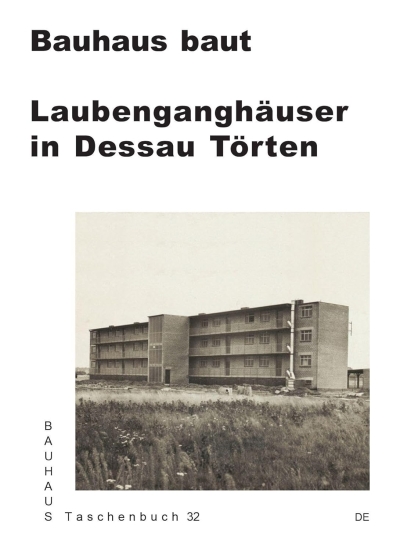
  • Stiftung Bauhaus Dessau (Hg)

    Bauhaus baut. Laubenganghäuser Dessau-Törten. Bauhaus…

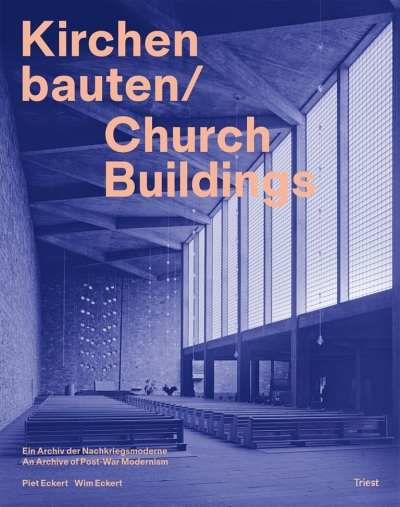
  • Piet Eckert, Wim Eckert (Hrsg.)

    Kirchenbauten / Church Buildings. Ein Archiv der…

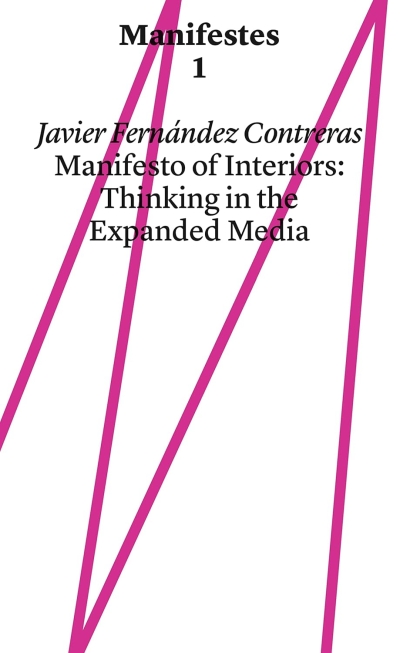
  • Javier Fernández Contreras

    Manifestes 1. Manifesto of Interiors: Thinking in the…

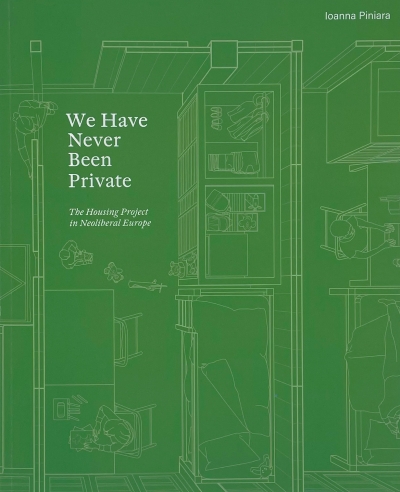
  • Ioanna Piniara

    We Have Never Been Private. The Housing Project in…

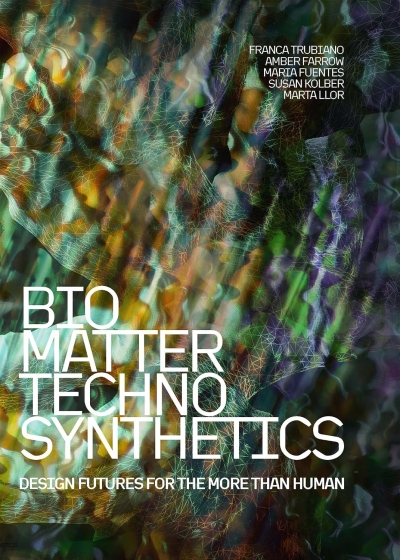
  • Franca Trubiano, Susan Kolber, Marta…

    Bio/Matter/Techno/Synthetics. Design Futures for the More…

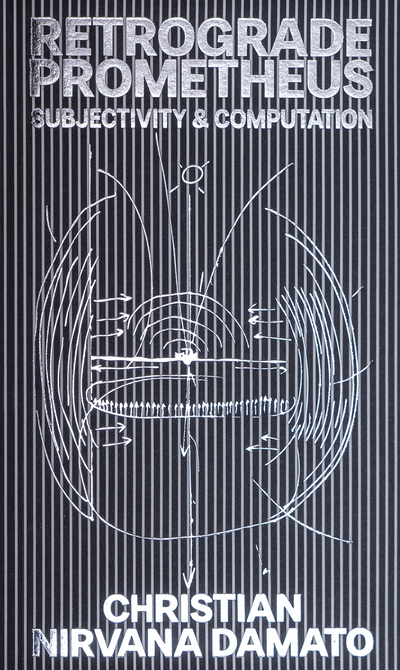
  • Christian Nirvana Damato

    Retrograde Prometheus. Subjectivity & Computation

  • Hannes Liechti

    This Track Contains Politics. The Culture of Sampling in…

  • Karin Harrasser

    Des Teufels Leibspeise. Die Entstehung der verschlungenen…

  • Maliha Safri, Marianna Pavlovskaya,…

    Solidarity Cities. Confronting Racial Capitalism, Mapping…

  • Eyal Weizman

    Ungrounding. The Architecture of Genocide

  • Yiorgis Yerolymbos, Platon Issaias

    Athens as a Project. A critical examination of the…

  • gerade nicht auf Lager
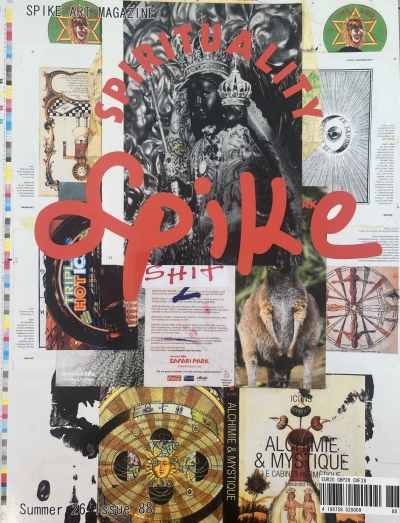
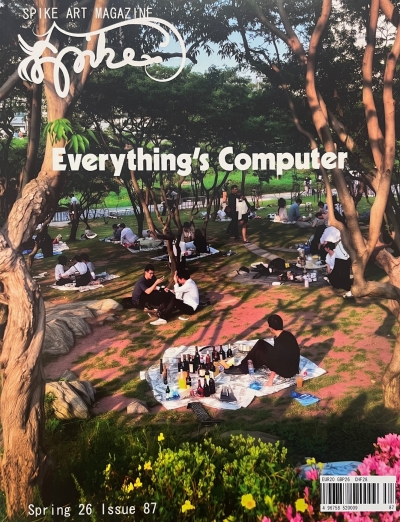
    Spike

    Spike Art Magazine Issue 87 Everything's Computer

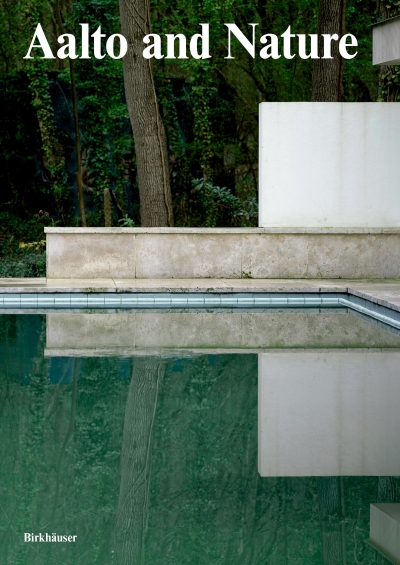
  • Tom Simons, Rainer Knapas (Hg.)

    Aalto and Nature

  • gerade nicht auf Lager
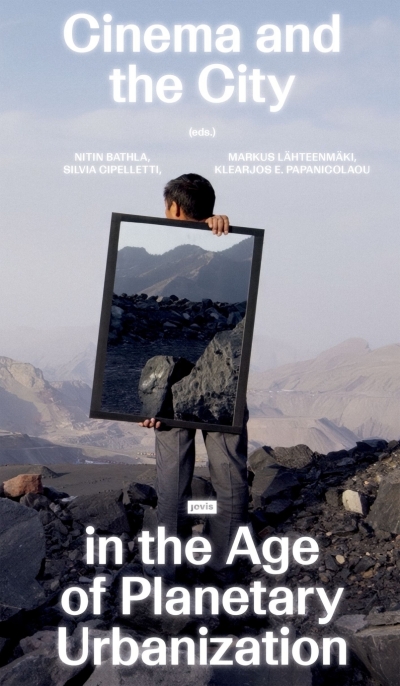
    Nitin Bathla, Silvia Cipelletti, Markus…

    Cinema and the City in the Age of Planetary Urbanization

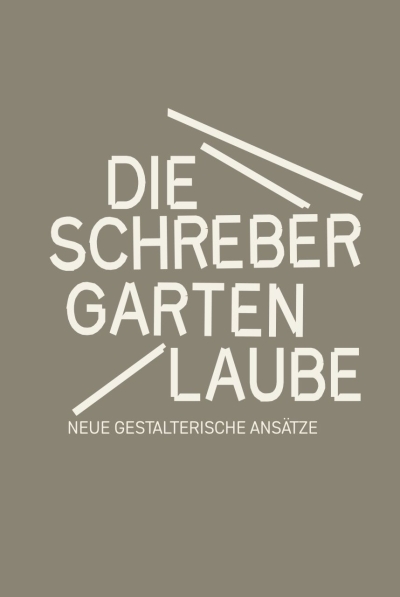
  • Fachhochschule Potsdam, Hermann August…

    Die Schrebergartenlaube. Neue gestalterische Ansätze

  • gerade nicht auf Lager
    Alessandro Sbordoni

    Beyond the Image. On Visual Culture in the Twenty-First…

  • gerade nicht auf Lager
    Javier Fernández Contreras, Youri…

    Nothing About Interior Architecture

  • gerade nicht auf Lager
    Maisa Imamović

    Maisa in Webland. Detouring UX Destinies

  • Z

    Moving Beyond the Left: A Post-Left Post-Mortem in Pursuit…

  • gerade nicht auf Lager
    ATI collective (Natalia Agati, Matteo…

    Trojan Horse Exit Strategies. A compendium inside the belly…

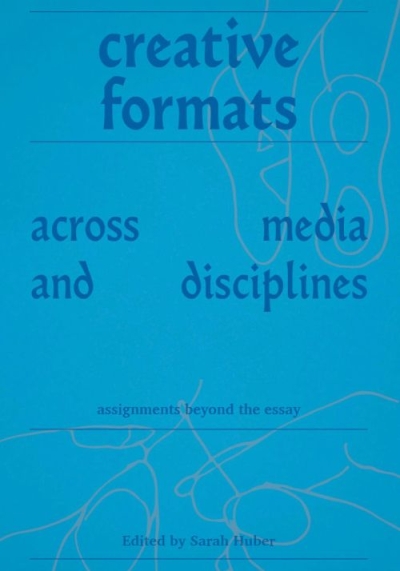
  • Sarah Huber (Hg)

    Creative Formats Across Media and Disciplines. Assignments…

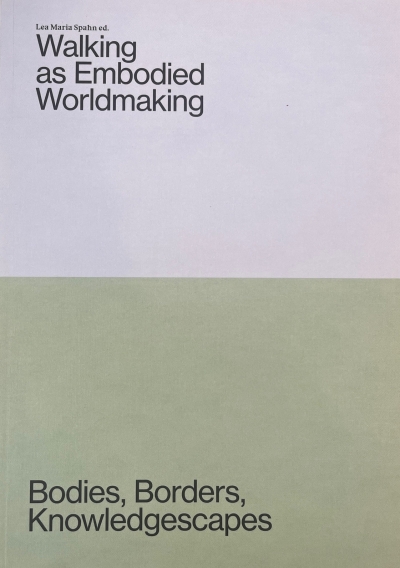
  • Lea Maria Spahn (ed.)

    Walking as Embodied Worldmaking. Bodies, Borders,…

  • gerade nicht auf Lager
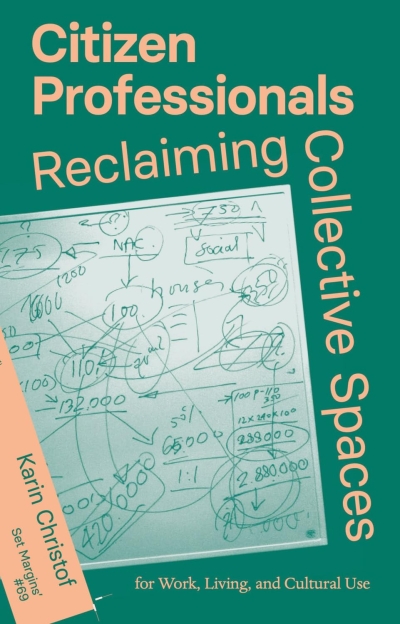
    Karin Christof

    Citizen Professionals - Reclaiming Collective Spaces for…

  • gerade nicht auf Lager
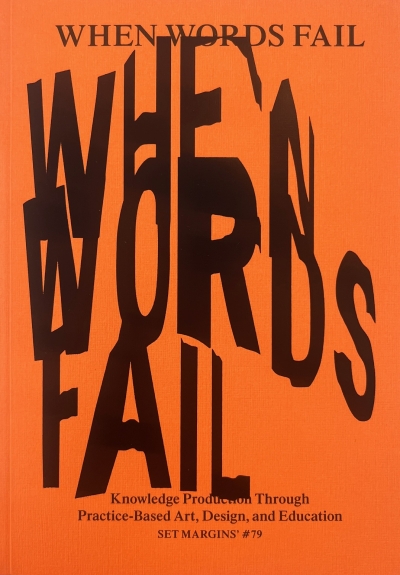
    Giulia Cordin (ed.)

    When Words Fail. Knowledge Production Through Practice…

  • Ludo Groen

    Mountains of Gold. Uncovering the Architecture of Swiss…

  • Monika Platzer, Susanne Rick,…

    Global / Neutral. Architecture from Austria in Africa and…

  • Lyna Bourouiba, Wouter Van Acker (Hg)

    Degree Zero in Architecture. Form, Value, Authorship

  • Pierre-Alexandre Mateos, Charles…

    Cruising Pavilion. Architecture, Dissident Sex and Cruising…

  • Matthias Drilling, Fabian Neuhaus (Hg)

    The Roofless Truth. Planning and Architecture for…

  • Anna-Sophie Springer & Etienne…

    Decapitated Economies (intercalations 5)

  • Christiane Rösinger

    The Joy of Ageing

  • dérive

    dérive N° 103, Sampler (Apr - Jun 2026)

  • Judith Schalansky

    Marmor, Quecksilber, Nebel. Woraus die Welt gemacht ist

  • Dieter Thomä (Hg)

    Postismen. Vom Nutzen und Nachteil eines Denkmusters für…

  • Merle Ibach

    Postwachstum gestalten. Designethnografische Perspektiven…

  • Edgar Walthert, George Sinclair (Hg)

    Letterspace 50

  • Gionata Girardi

    Space Issues: The Leaking City

  • Magdalena Zotou

    Space Issues: Animals

  • Florian Nagler, Tilmann Jarmer, Anne…

    Einfach umbauen. Ein Leitfaden

  • gerade nicht auf Lager
    Lori Jo Marso

    Feminism and the Cinema of Experience

  • David Jackson, Marsha Courneya, Toby…

    Listening In. How Audio Surveillance Became Artificial…

  • gerade nicht auf Lager
    Daniela Hamaui (Ed.)

    Archivio Magazine N°11. The Tech Issue

  • Stewart Brand

    Maintenance: Of Everything. Part One

  • SdA Strategien der Aufstandsbekämpfung…

    The Subject of Counterrevolution. Art, War, and the Public.

  • Lou Manuel Arsenault

    Of Enemies & Venison. First Materials for an Aztec…

  • Jacques Rancière

    Wege der Kunst

  • Stephan Trüby

    Right-Wing Spaces. Political Essays

  • Apsara Flury, Livio Liechti

    FREE BOOKS. On the Infrastructural Promise of Street…

  • Chiara Certomà, Susan Noori, Martin…

    Urban gardening and the struggle for social and spatial…

  • Nina Flaitz (Hg.)

    Mycelium Resources in Architecture and Design

  • Anja Schwanhäußer, Albrecht Gäbel

    It's a Book, money low, funny though. Independence.…

  • gerade nicht auf Lager
    Barbara Büscher, Franz Anton Cramer,…

    Relational Acts. Performance Practices and Media of…

  • Lisa Siraganian

    The Problem of Personhood. Giving Rights to Trees,…

  • gerade nicht auf Lager
    Omari Souza

    Design Against Racism. Creating Work That Transforms…

  • Jeremy Harding

    Analogue Africa. Notes on the Anti-Colonial Imagination

  • Gail Day, Steve Edwards

    Amphibious Realities. The Documentary Poetics of Allan…

  • Reinier de Graaf

    Architecture Against Architecture. A Manifesto

  • Wolfgang Ernst

    Den Technológos aufspüren. Medienarchäologische Arbeit am…

  • Carolyn L. Kane, Lida Zeitlin-Wu (eds.)

    Color Protocols. Technologies of Racial Encoding in…

  • gerade nicht auf Lager
    Peter Eisenman

    Rewriting Alberti

  • Lorenz Krauth (ed.)

    spheres of Post-Urban Spaces. 8 Essays and 4 Conversations

  • Peter Wolfendale

    The Revenge of Reason

  • Soundtrackcity

    Play Play Play, all day every day. An Intergenerational…

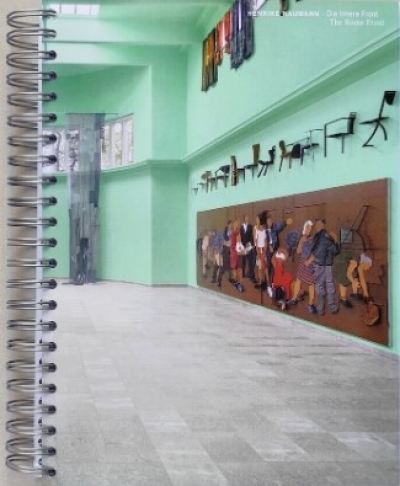
Cover Henrike Naumann. Die Innere Front. The Home Front

Henrike Naumann. Die Innere Front. The Home Front

German/English mit Texten von/with texts by Clemens Villinger, Kerstin Stakemeier. Design by Johannes Büttner

Die Publikation erscheint unabhängig als Materialsammlung zu Henrike Naumanns Beitrag für die Ausstellung RUIN im Deutschen Pavillon der diesjährigen Venedig Biennale (Kuratorin: Kathleen Reinhardt; Künstlerinnen: Henrike Naumann, Sung Tieu).

Sie hat keinen klaren Anfang und kein Ende. Beim ‚Forever‘-Umrunden der Seiten entlang der Spiralbindung entstehen neue Verknüpfungen, Fragmente verschieben sich, Bedeutungen kippen, Gesehenes erscheint in der Wiederholung anders. Klare Lesarten verweigern sich. Das zusammengetragene Material wird kontextualisiert und verwirrt gleichzeitig. Es ist ‚ungemütlich‘, ähnlich wie Henrike Naumann ihren Beitrag bezeichnete. Es zeigt sich eine dichte künstlerische Praxis, die nicht bewusst abgeschlossen werden konnte, sondern durch ein abruptes Ende bestimmt ist.

Als Materialsammlung werden verschiedene Elemente und Ansätze aus dem gesamten Arbeitsprozess zusammengeführt. Einmal die Hieroglyphen, die Henrike Naumann als Glossar und eigenes Zeichensystem beschrieb, teilweise begleitet von Texten von Clemens Villinger. Dazu kommt das umfangreiche ‚masterplan.key‘, ein fortlaufend bearbeitetes Dokument, mit dem sie vor über einem Jahr begann, um Ideen und Verknüpfungen zu sammeln. Es half ihr konzeptionelle Ansätze und Brüche zu entwickeln, sowie ihre Notizen und Denkprozesse aus den Skizzen und intensiven Recherchen zu visualisieren. Darunter der erste Konzeptentwurf aus dem Bewerbungsprozess.

Ähnlich wie bei ihrer Praxis der ‚Konzeptpapiere‘ nutzte Henrike ‚masterplan.key‘ als internes konzeptionelles Dokument, in dem sie Collagen und Manipulationen entwickelte, um das Material und die übereinanderliegenden Kontexte zu bändigen. Die Seitengröße des Dokuments orientiert sich an dem Laptopbildschirm, vor dem man mit ihr saß, während sie eine ihrer Keynote-Präsentationen durchklickte, um den künstlerischen Prozess in einem Projekt zu erläutern.

Die Sammlung enthält weiterhin Naumanns Konzepttextskizzen und einen Text von Kerstin Stakemeier. Dazu kommen einzelne Objektaufnahmen der Hieroglyphen, die noch in Naumanns Studio entstanden waren, sowie Ausstellungsansichten aus Venedig. Der Künstler Johannes Büttner entwickelte die konzeptionelle und grafischen Umsetzung der Publikation.

Die Materialsammlung war nicht mehr von Henrike Naumann geplant gewesen. Die Herausgeber:innen entschieden sich zur Veröffentlichung, um an ihren gewählten Schritt einer Sichtbarmachung von Ideen, Ansätzen und Recherchen anzuknüpfen, den sie mit dem Metallordner CONCEPTS eingeschlagen hatte. Die breite Vermittlung ihrer Arbeit war Henrike Naumann immer besonders wichtig, das Offenlegen ihrer Recherchelinien und Denkprozesse zu ihrem Pavillonbeitrag versucht diese Motivation so gut wie möglich zu unterstützen.

Es ist ein offenes Dokument entstanden, das Einblick gibt, aber vor allem herausfordert und zum Weiterdenken provoziert.

————————————————————————————————

This publication is an independently released collection of materials relating to Henrike Naumann’s contribution to the exhibition RUIN in the German Pavilion at this year’s Venice Biennale (curator: Kathleen Reinhardt; artists: Henrike Naumann, Sung Tieu).

It has no clear beginning or end. As one ‘forever’ turns the pages along the spiral binding, new connections emerge, fragments and meanings shift, and what has been seen appears different in repetitions. Clear interpretations elude the reader. The compiled material is both contextualizing and bewildering at the same time. It is ‘uncomfortable’, much as Henrike Naumann described her work in the pavilion. What emerges is a dense artistic practice that could not be consciously brought to a close, but is instead defined by an abrupt ending.

As a collection of material, various elements and approaches from the entire working process are brought together. Firstly, the hieroglyphs, which Henrike Naumann described as a glossary and a sign system in her own right, partly accompanied by texts by Clemens Villinger. Added to this is the extensive ‘masterplan.key’, a document that she constantly updated, and began working on over a year ago to collect ideas and connections. It helped her to develop conceptual approaches and disruptions, as well as to visualise her notes and thought processes drawn from the sketches and her intensive research. Among these is the first conceptual draft from the application procedure.

Much like her practice of ‘concept papers’, Henrike used ‘masterplan.key’ as an internal conceptual document in which she developed collages and manipulations to bring the material and the overlapping contexts ‘under control’. The page size of the document is based on the laptop screen in front of which one sat with her whilst she clicked through one of her Keynote presentations to explain the artistic process in a project.

The collection also includes Naumann’s conceptual text sketches and a text by Kerstin Stakemeier. In addition, there are individual photographs of the hieroglyphs, taken whilst they were still in Naumann’s studio, as well as exhibition views from Venice. The artist Johannes Büttner developed the conceptual and graphic design of the publication.

The collection of materials had not originally been planned by Henrike Naumann. The editors decided to publish it shortly before the opening in order to build on the approach she had adopted – that of bringing ideas, approaches and research to light – which she had embarked upon with the metal folder CONCEPTS. Communicating and mediating the work widely has always been particularly important to her; the disclosure of her lines of research and thoughts relating to her pavilion contribution seeks to support this motivation as effectively as possible.

The result is an open document that provides insight, but above all challenges the reader and provokes to further continue these approaches.


Studio Henrike Naumann
Henrike Naumann. Die Innere Front. The Home Front
Bierke Verlag, 2026, 978-3-948546-70-0
gerade nicht auf Lager