
Direkt zum Inhalt

Warenkorb

  • Johan Frederik Hartle

    Der geöffnete Raum. Zur Politik der ästhetischen Form

  • Jörg Dünne, Stephan Günzel (Hg.)

    Raumtheorie. Grundlagentexte aus Philosophie und…

  • An Architektur

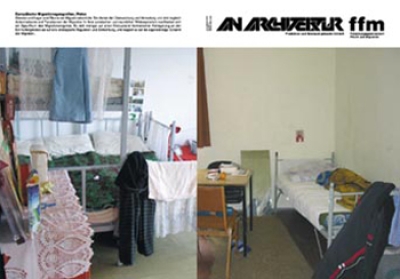
    An Architektur 16-17

  • Vera Beyer, Jutta Voorhoeve, Anselm…

    Das Bild ist der König. Repräsentation nach Louis Marin

  • An Architektur

    An Architektur 15 / FFM 11: Europäische…

  • Orhan Esen, Stephan Lanz (Hg)

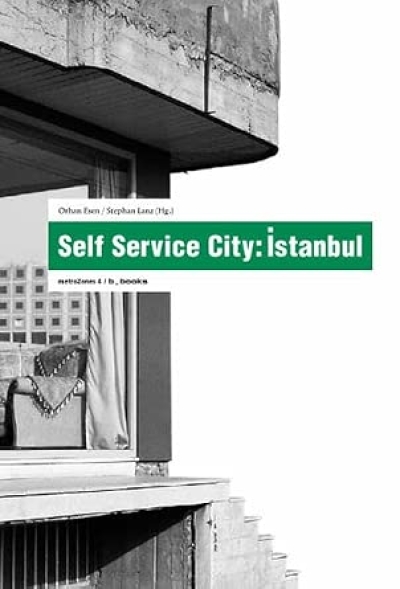
    Self Service City. Istanbul (metrozones 4)

  • An Architektur

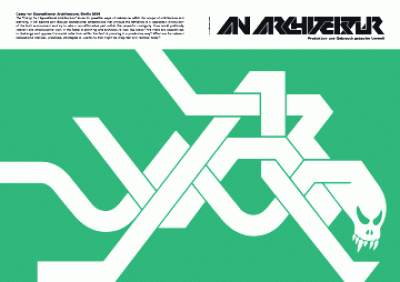
    An Architektur 14: Camp for Oppositional Architecture

  • Stephan Lanz (Hg.)

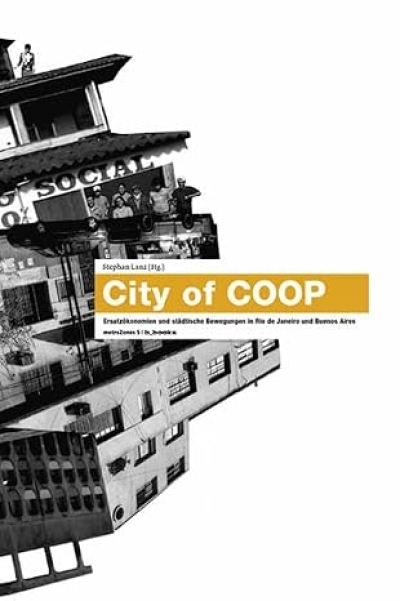
    City of COOP. Ersatzökonomiern und städtische Bewegungen in…

  • An Architektur

    An Architektur 11-13: Theorie und Praxis der Kartografie

  • An Architektur

    An Architektur 10: Gemeinschaftsräume

  • Jochen Becker, Stephan Lanz (Hg.)

    Space//Troubles. Jenseits des Guten Regierens:…

  • Sarai media lab

    Sarai Reader 03: shaping technologies

  • An Architektur

    An Architektur 04-09: Krieg und die Produktion von Raum

  • IDEA Magazine

    IDEA 296. Books <preposition> graphic design

  • IDEA Magazine

    IDEA 293. Stanley Donwood / Vacances. DD-DDD / Dimensions…

  • gerade nicht auf Lager
    An Architektur

    An Architektur 01-03

  • Martina Löw

    Raumsoziologie

  • Pro qm

    Gutschein / Voucher

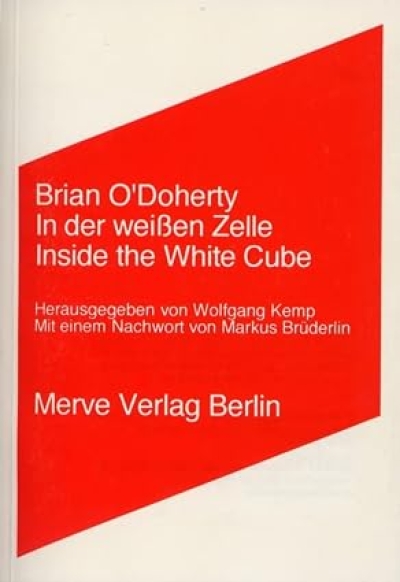
  • Brian O'Doherty

    In der weissen Zelle. Inside the White Cube

  • gerade nicht auf Lager
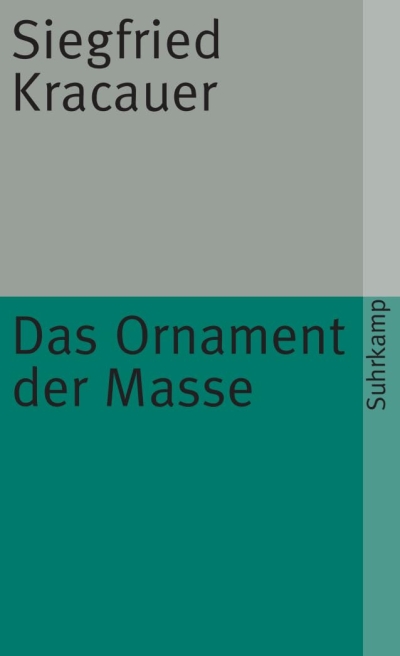
    Siegfried Kracauer

    Das Ornament der Masse. Essays

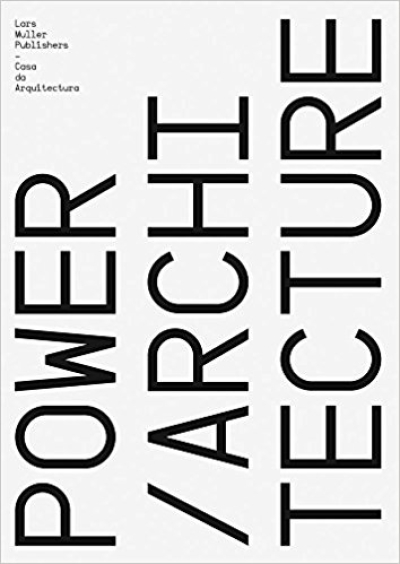
Power/Architecture

Power and architecture are fundamental to the question of how contemporary society and architecture work together. Since power lacks a comprehensive logic, coherence, and instrumentalization capability, the question refers both to the autonomous powers of the architectural forms and to a set of external powers represented through architecture. The presented series of projects based on current and extreme syntheses of comprehensive and complex world-views enables mapping a network of powers that align, intersect, inflect, and diverge from each other: collective power, ordaining power, economic power, technological power, ritual power, cultural power, media power, and domestic power. The issue of counter power is then discussed against this background. Through eight essays by contributors, along with images, drawings, and documents, the book renders visible a set of entities, informal conventions, stakeholders, and means involved in the creation of architecture; that is, the dynamics of the collective that ceaselessly tests the architectural composition of the common world.


Casa da Arquitetura
Power/Architecture
Lars Müller, 2018, 9783037785461
gerade nicht auf Lager