







Direkt zum Inhalt

Warenkorb

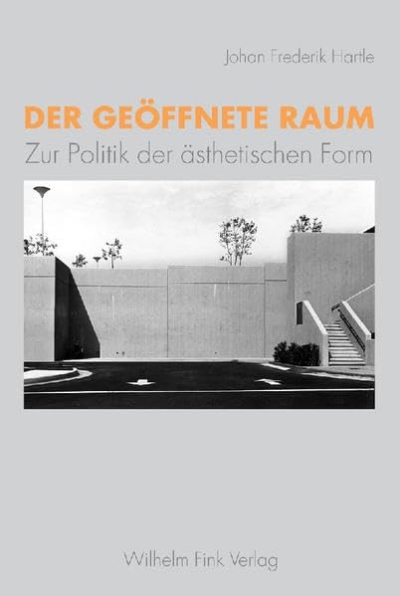
  • Johan Frederik Hartle

    Der geöffnete Raum. Zur Politik der ästhetischen Form

  • Jörg Dünne, Stephan Günzel (Hg.)

    Raumtheorie. Grundlagentexte aus Philosophie und…

  • An Architektur

    An Architektur 16-17

  • Vera Beyer, Jutta Voorhoeve, Anselm…

    Das Bild ist der König. Repräsentation nach Louis Marin

  • An Architektur

    An Architektur 15 / FFM 11: Europäische…

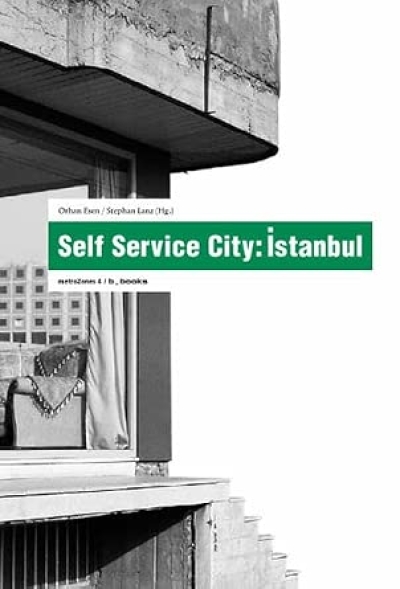
  • Orhan Esen, Stephan Lanz (Hg)

    Self Service City. Istanbul (metrozones 4)

  • An Architektur

    An Architektur 14: Camp for Oppositional Architecture

  • Stephan Lanz (Hg.)

    City of COOP. Ersatzökonomiern und städtische Bewegungen in…

  • An Architektur

    An Architektur 11-13: Theorie und Praxis der Kartografie

  • An Architektur

    An Architektur 10: Gemeinschaftsräume

  • Jochen Becker, Stephan Lanz (Hg.)

    Space//Troubles. Jenseits des Guten Regierens:…

  • Sarai media lab

    Sarai Reader 03: shaping technologies

  • An Architektur

    An Architektur 04-09: Krieg und die Produktion von Raum

  • IDEA Magazine

    IDEA 296. Books <preposition> graphic design

  • IDEA Magazine

    IDEA 293. Stanley Donwood / Vacances. DD-DDD / Dimensions…

  • gerade nicht auf Lager
    An Architektur

    An Architektur 01-03

  • Martina Löw

    Raumsoziologie

  • Pro qm

    Gutschein / Voucher

  • Brian O'Doherty

    In der weissen Zelle. Inside the White Cube

  • gerade nicht auf Lager
    Siegfried Kracauer

    Das Ornament der Masse. Essays

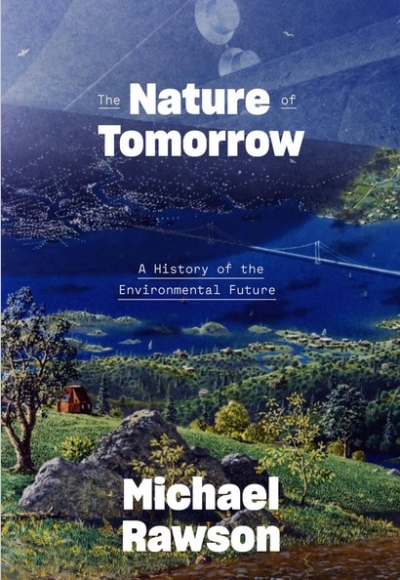
The Nature of Tomorrow. A History of the Environmental Future

An examination of how Western visions of endless future growth have contributed to the global environmental crisis
 
“This book does something that is worth doing and that no other scholarly book I know of comes close to doing: tracing the history of imagined environmental futures in the Western world.”—William Meyer, Colgate University
 
For centuries, the West has produced stories about the future in which humans use advanced science and technology to transform the earth. Michael Rawson uses a wide range of works that include Francis Bacon’s New Atlantis, the science fiction novels of Jules Verne, and even the speculations of think tanks like the RAND Corporation to reveal the environmental paradox at the heart of these narratives: the single-minded expectation of unlimited growth on a finite planet.
 
Rawson shows how these stories, which have long pervaded Western dreams about the future, have helped to enable an unprecedentedly abundant and technology-driven lifestyle for some while bringing the threat of environmental disaster to all. Adapting to ecological realities, he argues, hinges on the ability to create new visions of tomorrow that decouple growth from the idea of progress.


Michael Rawson
The Nature of Tomorrow. A History of the Environmental Future
Yale UP, 2022, 9780300255195
gerade nicht auf Lager