






















Direkt zum Inhalt

Warenkorb

  • von Borries, Ahlert, Fischer (Hrsg.)

    Die Berliner Weltverbesserungsmaschine. Die Rekonstruktion…

  • Friedrich von Borries, Jens-Uwe Fischer

    Die Berliner Weltverbesserungsmaschine. Die Geschichte…

  • Sven Lütticken

    History in Motion. Time in the Age of the Moving Image

  • Kevin C. Smith

    Recombo DNA. The Story of Devo, or How the 60s Became the…

  • Bastian Lange, Gottfried Prasenc,…

    Ortsentwürfe. Urbanität im 21. Jahrhundert

  • Claudia Mareis, Matthias Held, Gesche…

    Wer gestaltet die Gestaltung? Praxis, Theorie und…

  • Jean-Luc Nancy

    Äquivalenz der Katastrophen (Nach Fukushima)

  • gerade nicht auf Lager
    Rem Koolhaas, Hal Foster

    Junkspace with Running Room

  • Hilke Wagner, Axel Wieder (Eds.)

    Susanne Kriemann

  • Lionel Bovier

    Paulina Olowska. Book

  • Anri Sala

    Ravel Ravel Unravel

  • Anne Huffschmid, Kathrin Wildner (Hg.)

    Stadtforschung aus Lateinamerika: Neue urbane Szenarien.…

  • Thomas Keenan, Tirdad Zolghadr (Eds.)

    The Human Snapshot

  • gerade nicht auf Lager
    Between Artists

    Thom Andersen / William E. Jones

  • Heidrun Holzfeind

    Strictly Private

  • gerade nicht auf Lager
    Doreen Mende, Estelle Blaschke, Armin…

    Doppelte Ökonomien / Double Bound Economies

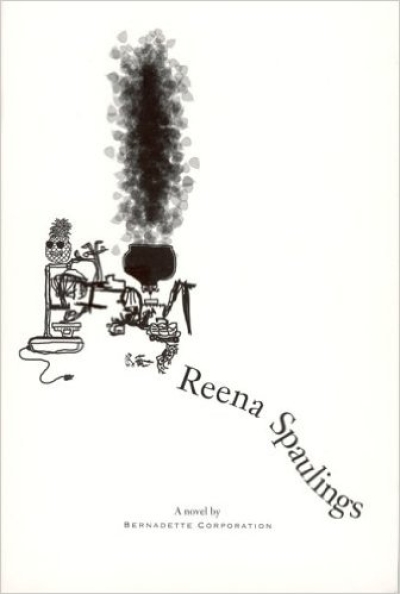
  • Bernadette Corporation

    Reena Spaulings. A Novel by Bernadette Corporation

  • IDEA Magazine

    IDEA 357. Architecture in Print: The Development of…

  • Klaus Zwerger

    Das Holz und seine Verbindungen. Traditionelle Bautechniken…

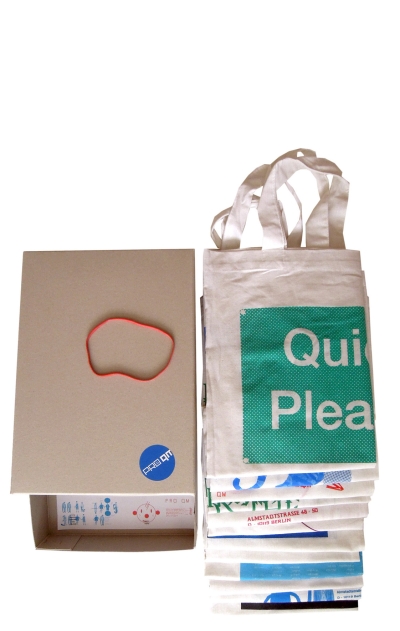
  • Abäke, Bernadette Corporation, Laurenz…

    Sonderedition Zwölf Taschen für Pro qm

  • Lucius Burckhardt

    Design ist unsichtbar. Entwurf, Gesellschaft und Pädagogik

  • Dietmar Kammerer (Hg)

    Vom Publicum. Das Öffentliche in der Kunst

  • Studienhefte Problemorientiertes Design…

    Lucius Burckhardt. Design heisst Entwurf

  • Studienhefte Problemorientiertes Design…

    Horst Rittel. Die Denkweise von Designern

  • gerade nicht auf Lager
    Gerald Raunig

    Fabriken des Wissens. Streifen und Glätten 1

  • Annette Wehrmann

    Luftschlangentexte

  • Oda Pälmke (Hg.)

    Ganz gut – Quite Good Houses

  • Mårten Spångberg

    Spangbergianism

  • Rem Koolhaas, Hans Ulrich Obrist (Hg.)

    Project Japan. An Oral History of Metabolism

  • gerade nicht auf Lager
    metroZones (Hg.)

    Urban Prayers – Neue religiöse Bewegungen in der globalen…

  • Byung-Chul Han

    Shanzhai. Dekonstruktion auf Chinesisch

  • gerade nicht auf Lager
    O.M. Ungers

    Morphologie City Metaphors

  • Bettina Allamoda

    Catwalk to History - A Sourcebook

  • Martin Ebner, Florian Zeyfang (Hg.)

    Poor Man’s Expression

  • Caleb Kelly (Hg.)

    Sound (Documents of Contemporary Art)

  • gerade nicht auf Lager
    Gwen Allen

    Artists' Magazines. An Alternative Space for Art [pb]

  • gerade nicht auf Lager
    Chris Kraus

    Where Art Belongs

  • Beatriz Colomina, Craig Buckley (Hg.)

    Clip, Stamp, Fold. The Radical Architecture of Little…

  • gerade nicht auf Lager
    Michael Merrill

    Louis Kahn. On the Thoughtful Making of Spaces

  • An Architektur

    An Architektur 23: On the Commons

  • IDEA Magazine

    IDEA 341. Dialogues with Tatsuya Ariyama

  • gerade nicht auf Lager
    Brandon LaBelle

    Acoustic Territories. Sound Culture and Everyday Life.…

  • gerade nicht auf Lager
    Adolf Opel (Hg.)

    Adolf Loos. Gesammelte Schriften

  • Pal Ahluwalia

    Out of Africa. Post-Structuralism's Colonial Roots

  • Christoph Schäfer

    Die Stadt ist unsere Fabrik. The City is Our Factory.

  • Stefan Marx

    85 Zeichnungen

  • Sandra Schaefer

    Stagings. Kabul, Film & Production of Representation

  • gerade nicht auf Lager
    Steve Goodman

    Sonic Warfare. Sound, Affect, and the Ecology of Fear

  • Gui Bonsiepe

    Entwurfskultur und Gesellschaft. Gestaltung zwischen…

  • gerade nicht auf Lager
    Claire Doherty (Hg.)

    Situation. Documents of Contemporary Art

  • Charles Harrison

    Since 1950. art and its criticism

  • gerade nicht auf Lager
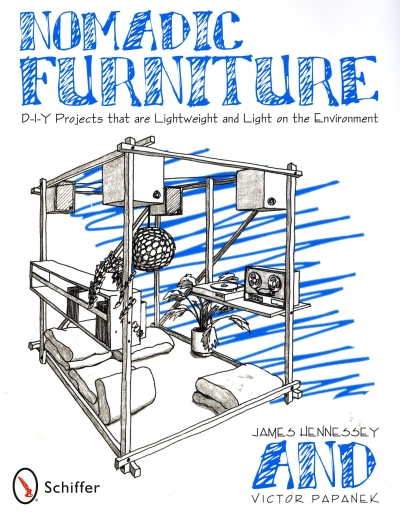
    James Hennessey, Victor Papanek

    Nomadic Furniture. D-I-Y Projects that are Lightweight

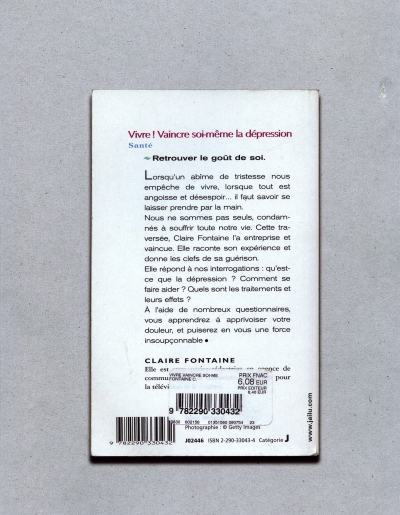
  • Claire Fontaine

    Vivre, vaincre

  • Claire Fontaine

    Claire Fontaine. Vivre, Vaincre

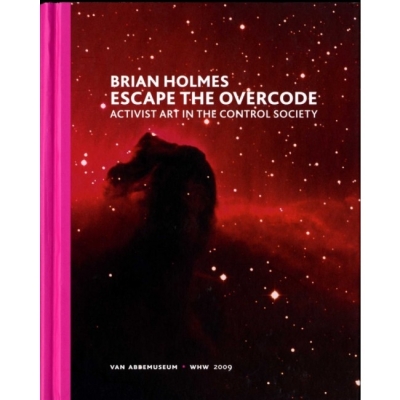
  • Brian Holmes

    Escape the Overcode. Activist Art in the Control Society

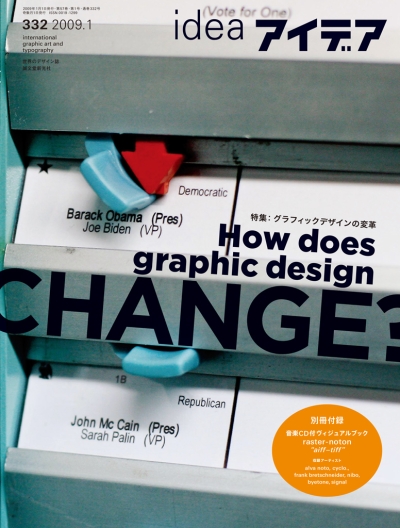
  • IDEA Magazine

    IDEA 332. How does graphic design CHANGE?

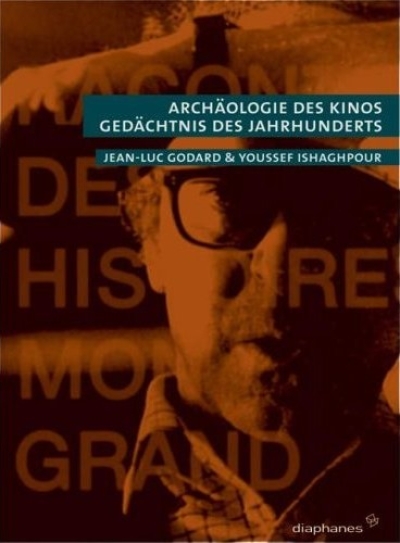
  • Jean-Luc Godard, Youssef Ishaghpour

    Archäologie des Kinos, Gedächtnis des Jahrhunderts

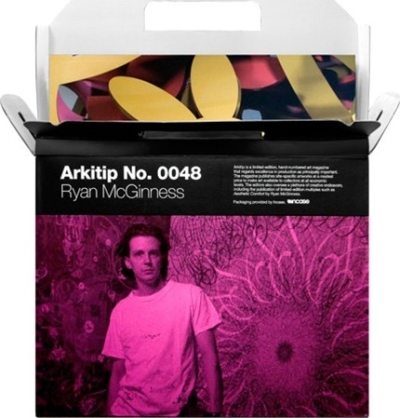
  • Arkitip No. 0048

    Ryan McGinness

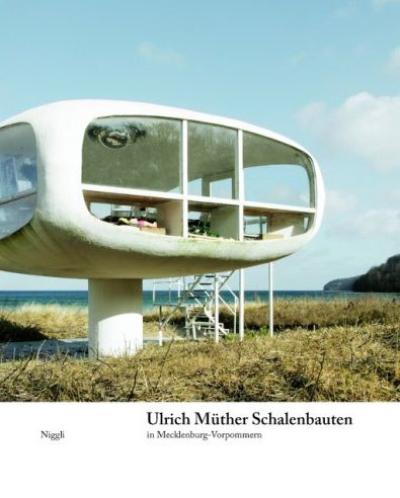
  • Rahel Lämmler, Michael Wagner

    Ulrich Müther. Schalenbauten in Mecklenburg-Vorpommern

  • Martina Löw

    Soziologie der Städte

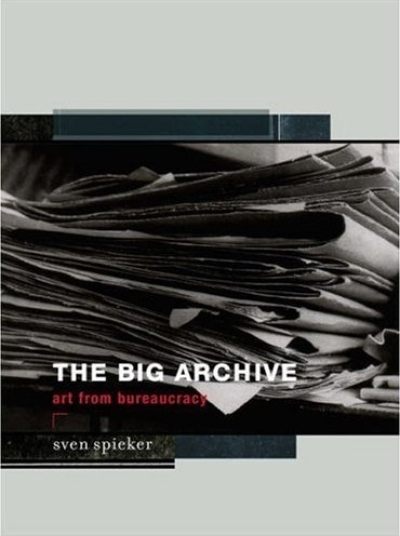
  • Sven Spieker

    The Big Archive. Art From Bureaucracy

  • Thomas Meinecke

    Jungfrau

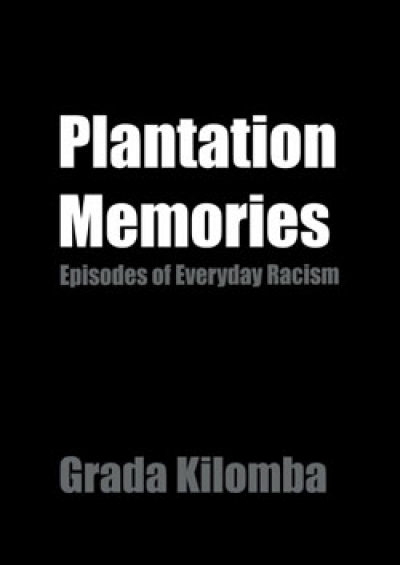
  • Grada Kilomba

    Plantation Memories. Episodes of Everyday Racism

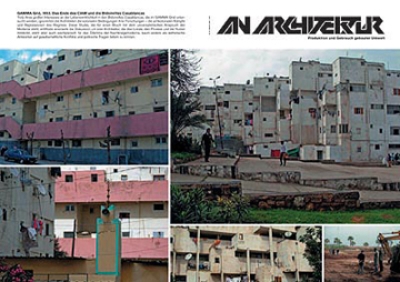
  • An Architektur

    An Architektur 22: GAMMA Grid, 1953. Das Ende des CIAM und…

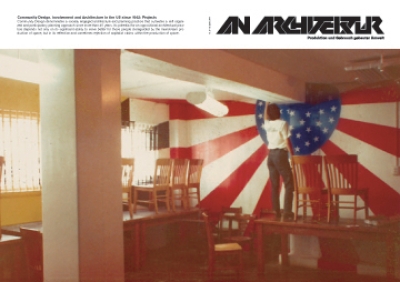
  • An Architektur

    An Architektur 19-21: Community Design. Involvement and…

  • Antonio Negri

    The Porcelain Workshop. For a New Grammar of Politics

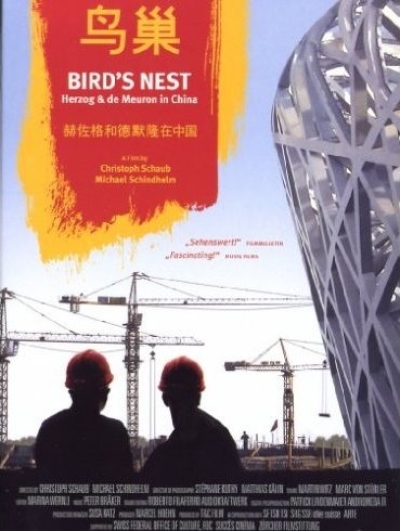
  • Christoph Schaub, Michael Schindhelm

    Bird's Nest (DVD, 87 min.). Jacques Herzog und Pierre…

  • Laurence A. Rickels

    Ulrike Ottinger. Eine Autobiografie

  • N. John Habraken, Arnulf Lüchinger

    Die Träger und die Menschen. Das Ende des Massenwohnungsbau…

  • gerade nicht auf Lager
    Guy Debord

    Comments on the Society of the Spectacle

  • Michel de Certeau

    Kunst des Handelns

  • Alain Badiou

    Wofür steht der Name Sarkozy?

  • gerade nicht auf Lager
    Donna Haraway

    Die Neuerfindung der Natur. Primaten, Cyborgs und Frauen.

  • gerade nicht auf Lager
    Stefanie Schulte Strathaus, Florian…

    Wer sagt denn, dass Beton nicht brennt, hast Du’s probiert?

  • gerade nicht auf Lager
    Henri Lefebvre

    Writings on Cities

  • Loretta Napoleoni

    Rogue Economics. Capitalism's New Reality

  • AD

    AD 174. Vol. 75. Nr. 2. Samantha Hardingham. The 1970…

  • An Architektur

    An Architektur 18: Camp for Oppositional Architecture:…

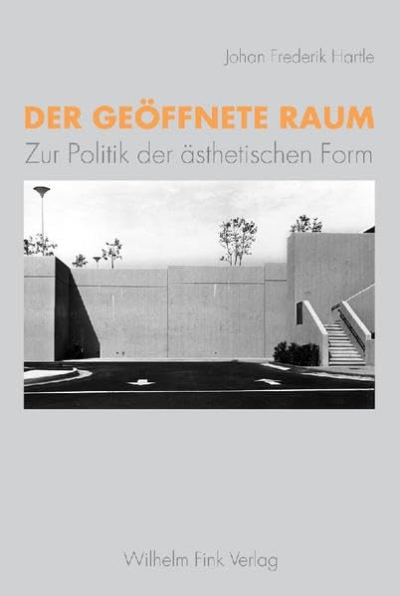
  • Johan Frederik Hartle

    Der geöffnete Raum. Zur Politik der ästhetischen Form

  • An Architektur

    An Architektur 16-17

  • Vera Beyer, Jutta Voorhoeve, Anselm…

    Das Bild ist der König. Repräsentation nach Louis Marin

  • An Architektur

    An Architektur 15 / FFM 11: Europäische…

  • An Architektur

    An Architektur 14: Camp for Oppositional Architecture

  • An Architektur

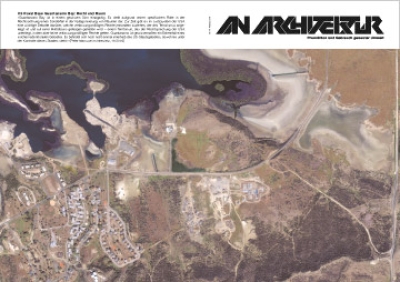
    An Architektur 11-13: Theorie und Praxis der Kartografie

  • An Architektur

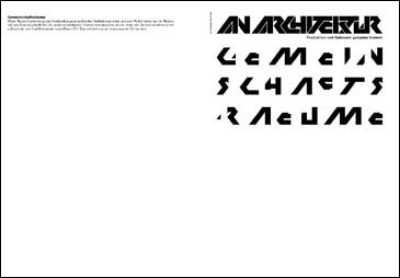
    An Architektur 10: Gemeinschaftsräume

  • An Architektur

    An Architektur 04-09: Krieg und die Produktion von Raum

  • IDEA Magazine

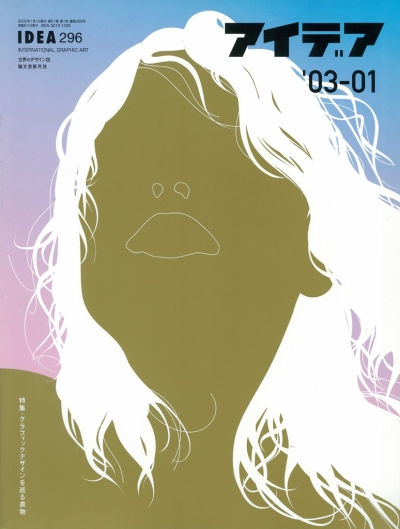
    IDEA 296. Books <preposition> graphic design

  • IDEA Magazine

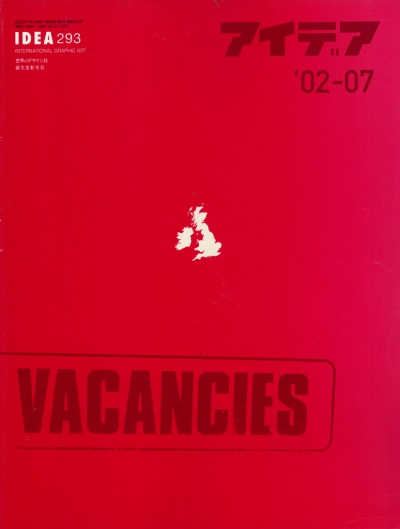
    IDEA 293. Stanley Donwood / Vacances. DD-DDD / Dimensions…

  • gerade nicht auf Lager
    An Architektur

    An Architektur 01-03

  • Pro qm

    Gutschein / Voucher

  • Siegfried Kracauer

    Das Ornament der Masse. Essays

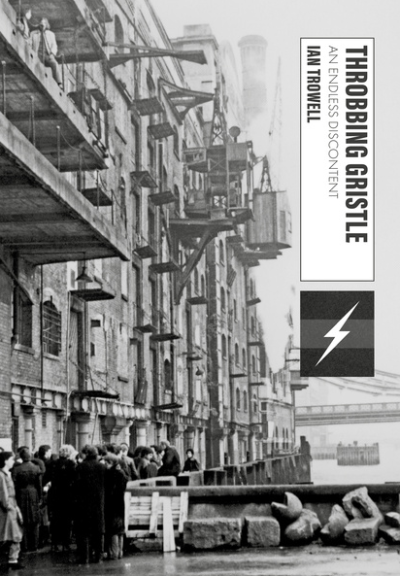
cover Throbbing Gristle. An Endless Discontent

Throbbing Gristle. An Endless Discontent

In 1976 the British band Throbbing Gristle emerged from the radical arts collective COUM Transmissions through core members Genesis P-Orridge and Cosey Fanni Tutti, joined by Hipgnosis photographer Peter Christopherson and electronics specialist Chris Carter. Though having performed previously in more low-key arts environments, their major launch coincided with the COUM retrospective exhibition Prostitution at London’s ICA gallery, showcasing and contextualising an array of challenging objects from COUM’s various actions in performance art and pornography. In a deliberately curated strategy inviting press, civic and arts dignitaries, extravagant followers of the nascent punk scene and music journalists, the band created an instant controversy and media panic that tapped into the restrictive climate and encroaching conservatism of late 1970s Britain. Any opportunities that were being explored by a formative punk ethos and movement around sex, censorship and transgression were amplified and exposed by Throbbing Gristle and Prostitution. An outraged Member of Parliament Nicholas Fairbairn took the bait and called the ensemble the ‘wreckers of civilisation’, providing the suitable newspaper headline that would be followed a month later by ‘the filth and the fury’ as the Sex Pistols uttered strong profanities on live television.

The switch from COUM to Throbbing Gristle encompassed a primary mode of expression in making music as opposed to art, to further coincide with the energy of the nascent punk scene. The band quickly developed a radically deviant and challenging reputation through pushing the punk format past its strictures in terms of lyrical themes, amateurism, and considerations of what constitutes music. Through a handful or record releases on their own label Industrial Records, and a sporadic string of live performances, the band nurtured a strong and devoted following including key journalists and fanzine editors of the punk and post-punk scenes such as Jon Savage and Sandy Robertson. The band’s style of exploring harsh pre-recorded sounds, samples of disconcerting narrative and conversation, and feeding all sounds through messy electronic processing devices gave rise to the title industrial music. This was further buttressed by performing a strictly timed set of one hour, and adopting a non-rockstar mode by appearing disinterested and preoccupied with electronic devices. Having given a name and impetus to the industrial music scene, many of their followers and fans formed bands in later years.

Drawing on works such as Andy Bennett’s When the Lights Went Out, this book looks at late 1970s Britain, before, during and immediately after the Winter of Discontent, to situate the activism of Throbbing Gristle in this time. It explores how the band worked in and against the time, and how they worked in and against punk as punk worked in and against the time and place. Punk acts as a mediating factor and nuisance value, as Throbbing Gristle emerged with punk in late 1976, seemingly grappled with it through 1977, and then went on to create and eventually criticise a number of post-punk scenes that had flourished around 1979. Trowell narrates the story through a series of live performances, as this is a point where Throbbing Gristle interact with the various city-scenes around England during their original period of operation (1975-1981). The band reflected (and incorporated into their live music) key tropes form the time, both ‘mainstream’ and fringe (subcultural, avant-garde art, counter-culture, taboo subjects, extremes) such that Throbbing Gristle events had an impact and affect, and Trowell traces these as a series of impressions and reverberations amongst fans who went on to do their own music and projects.


Ian Trowell
Throbbing Gristle. An Endless Discontent
Intellect Books, 2023, 9781789388299
gerade nicht auf Lager