













Direkt zum Inhalt

Warenkorb

  • Johan Frederik Hartle

    Der geöffnete Raum. Zur Politik der ästhetischen Form

  • Jörg Dünne, Stephan Günzel (Hg.)

    Raumtheorie. Grundlagentexte aus Philosophie und…

  • An Architektur

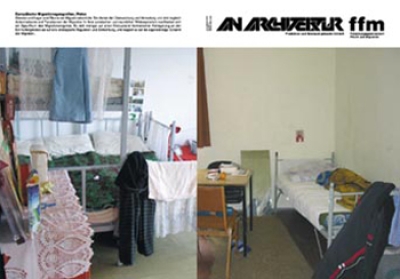
    An Architektur 16-17

  • Vera Beyer, Jutta Voorhoeve, Anselm…

    Das Bild ist der König. Repräsentation nach Louis Marin

  • An Architektur

    An Architektur 15 / FFM 11: Europäische…

  • Orhan Esen, Stephan Lanz (Hg)

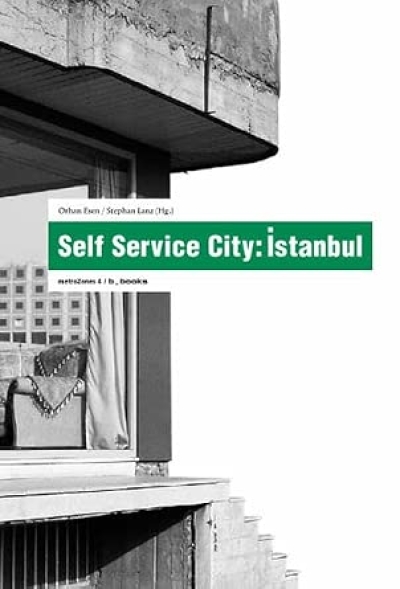
    Self Service City. Istanbul (metrozones 4)

  • An Architektur

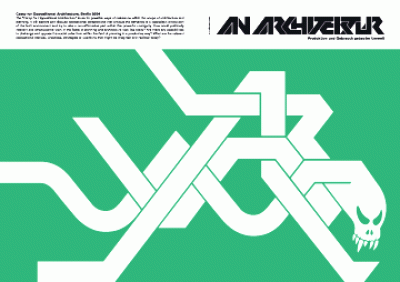
    An Architektur 14: Camp for Oppositional Architecture

  • Stephan Lanz (Hg.)

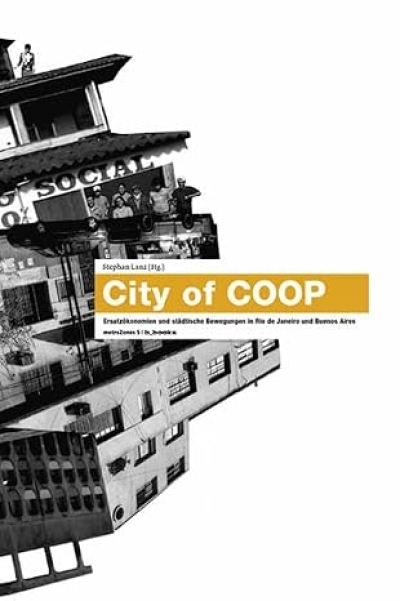
    City of COOP. Ersatzökonomiern und städtische Bewegungen in…

  • An Architektur

    An Architektur 11-13: Theorie und Praxis der Kartografie

  • An Architektur

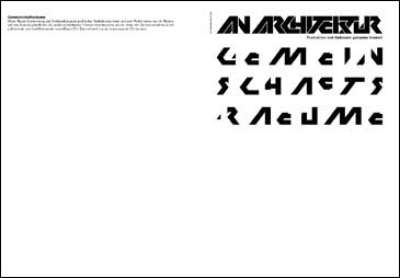
    An Architektur 10: Gemeinschaftsräume

  • Jochen Becker, Stephan Lanz (Hg.)

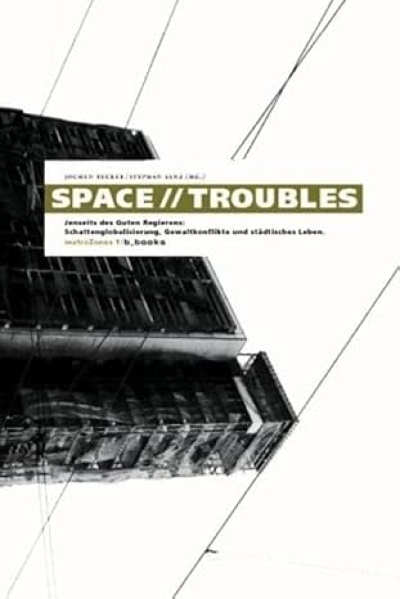
    Space//Troubles. Jenseits des Guten Regierens:…

  • Sarai media lab

    Sarai Reader 03: shaping technologies

  • An Architektur

    An Architektur 04-09: Krieg und die Produktion von Raum

  • IDEA Magazine

    IDEA 296. Books <preposition> graphic design

  • IDEA Magazine

    IDEA 293. Stanley Donwood / Vacances. DD-DDD / Dimensions…

  • gerade nicht auf Lager
    An Architektur

    An Architektur 01-03

  • Martina Löw

    Raumsoziologie

  • Pro qm

    Gutschein / Voucher

  • Brian O'Doherty

    In der weissen Zelle. Inside the White Cube

  • Siegfried Kracauer

    Das Ornament der Masse. Essays

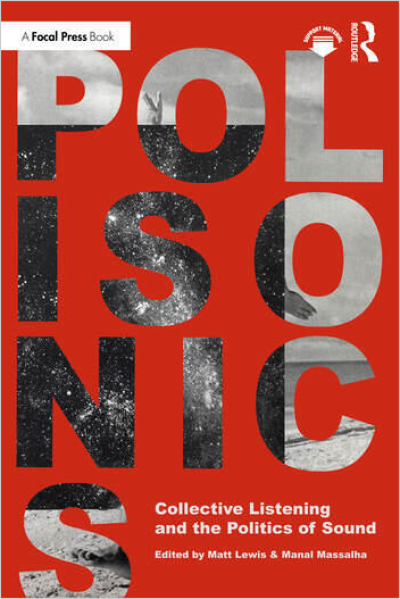
Polisonics. Collective Listening and the Politics of Sound

Bringing together contributors with backgrounds in ethnography, theatre, design, music, and sound, Polisonics: Collective Listening and the Politics of Sound demonstrates the importance of sound in design and how the sonic offers alternatives to dominant, singular, and technologically determined narratives.

From sonic street interventions to rural field recording, water fountains to community listening sessions, and Palestinian Hip-Hop to sound for VR, this book foregrounds participatory modes of making and collective engagement, particularly those rooted in musical cultures. It examines how relational approaches to sound can help reshape paradigms and challenge systemic inequalities, build communities, and resist structural injustice.

With chapters on areas including audio description, sound systems, and the use of machine listening as a tool for immigration control, Polisonics will be of interest to activists, academics, and musicians as well as those studying and working in sound design, ethnography, social justice, and theatre.


Matt Lewis, Manal Massalha (eds.)
Polisonics. Collective Listening and the Politics of Sound
Routledge, 2026, 9781032047324
45,00 €