










Direkt zum Inhalt

Warenkorb

  • Johan Frederik Hartle

    Der geöffnete Raum. Zur Politik der ästhetischen Form

  • Jörg Dünne, Stephan Günzel (Hg.)

    Raumtheorie. Grundlagentexte aus Philosophie und…

  • An Architektur

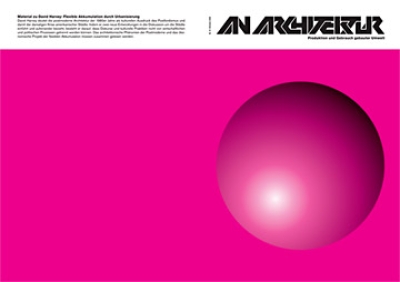
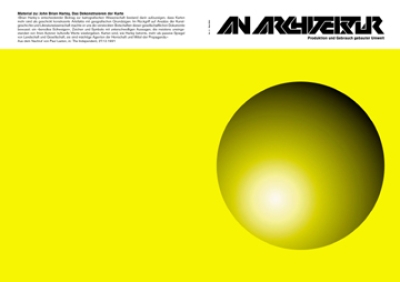
    An Architektur 16-17

  • Vera Beyer, Jutta Voorhoeve, Anselm…

    Das Bild ist der König. Repräsentation nach Louis Marin

  • An Architektur

    An Architektur 15 / FFM 11: Europäische…

  • Orhan Esen, Stephan Lanz (Hg)

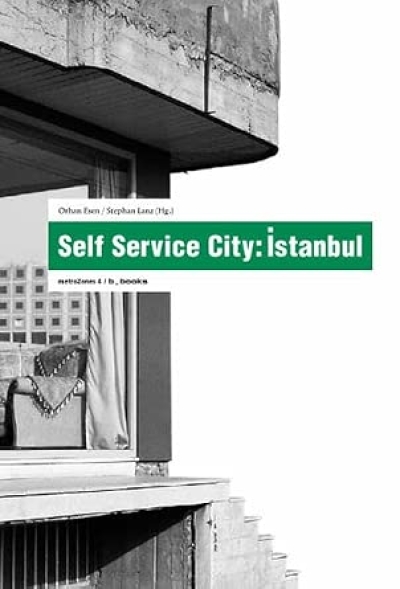
    Self Service City. Istanbul (metrozones 4)

  • An Architektur

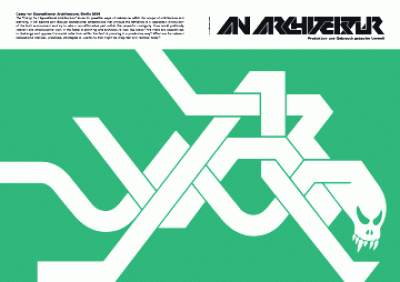
    An Architektur 14: Camp for Oppositional Architecture

  • Stephan Lanz (Hg.)

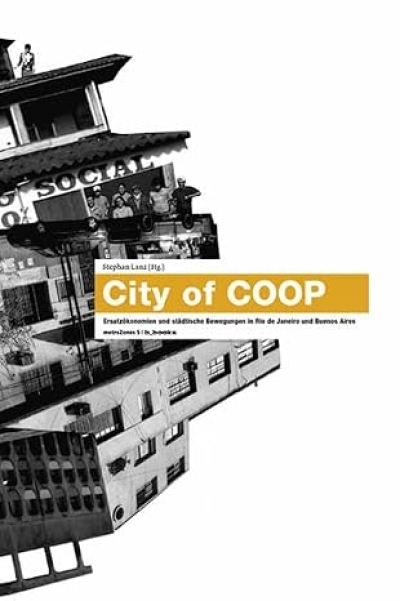
    City of COOP. Ersatzökonomiern und städtische Bewegungen in…

  • An Architektur

    An Architektur 11-13: Theorie und Praxis der Kartografie

  • An Architektur

    An Architektur 10: Gemeinschaftsräume

  • Jochen Becker, Stephan Lanz (Hg.)

    Space//Troubles. Jenseits des Guten Regierens:…

  • Sarai media lab

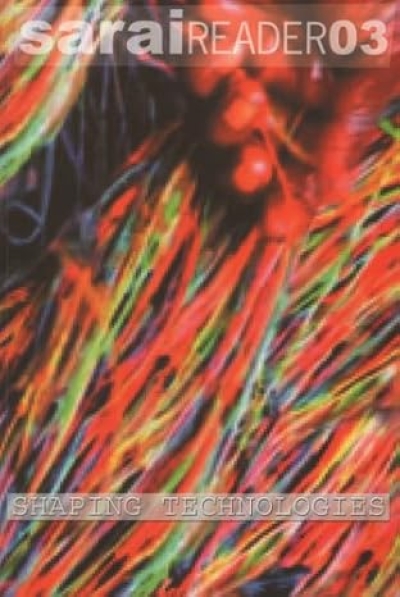
    Sarai Reader 03: shaping technologies

  • An Architektur

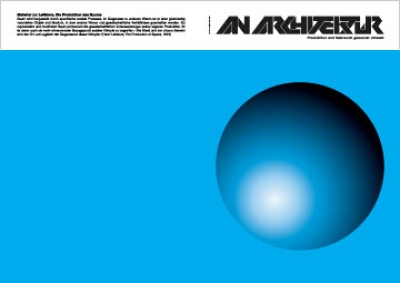
    An Architektur 04-09: Krieg und die Produktion von Raum

  • IDEA Magazine

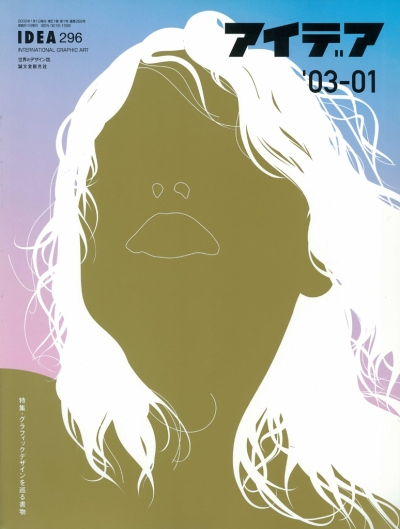
    IDEA 296. Books <preposition> graphic design

  • IDEA Magazine

    IDEA 293. Stanley Donwood / Vacances. DD-DDD / Dimensions…

  • gerade nicht auf Lager
    An Architektur

    An Architektur 01-03

  • Martina Löw

    Raumsoziologie

  • Pro qm

    Gutschein / Voucher

  • Brian O'Doherty

    In der weissen Zelle. Inside the White Cube

  • gerade nicht auf Lager
    Siegfried Kracauer

    Das Ornament der Masse. Essays

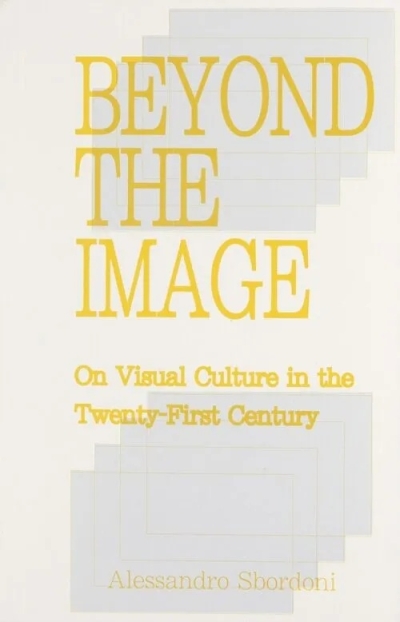
Beyond the Image Cover

Beyond the Image. On Visual Culture in the Twenty-First Century

Today, we do not believe in images anymore. This incredulity is, in part, the product of technology. From brainrot to deepfakes, from NFTs to sloppy content, the function of the image is not representation but only the reproduction of capital.

In the twentieth century, the machine automated the hands of workers; in the twenty-first century, it automates the eyes of consumers. The conveyor belt is upgraded by scrolling. In the age of electronic reproduction, the gaze is replaced by the stare of Internet users.

Yet, as the medium is pushed to its limit by capitalism, it reverses its characteristics. Another relationship with the medium–beyond post-truth and deepfake–is designed anew into digital culture. From the Kardashians to Donald Trump, from Pepe the Frog to Paris Hilton, the nihilism of the image is trending right now. Beyond the Image is an attempt at the revaluation of visual culture in the age of video monetization and artificial intelligence. Soon enough, the same eyes that are filled with the glow of the screen are also starting to see beyond it.


Alessandro Sbordoni
Beyond the Image. On Visual Culture in the Twenty-First Century
Set Margins', 2025, 978-90-836052-3-4
gerade nicht auf Lager