







Direkt zum Inhalt

Warenkorb

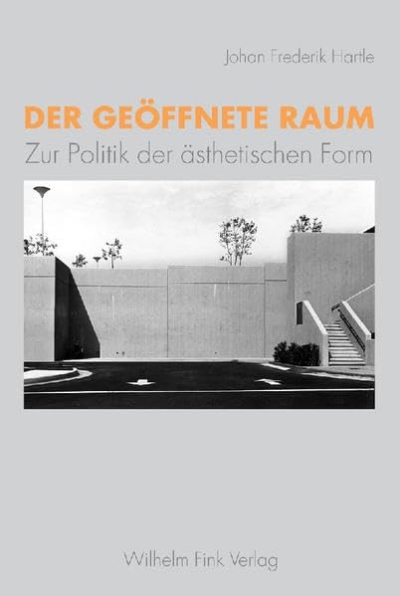
  • Johan Frederik Hartle

    Der geöffnete Raum. Zur Politik der ästhetischen Form

  • Jörg Dünne, Stephan Günzel (Hg.)

    Raumtheorie. Grundlagentexte aus Philosophie und…

  • An Architektur

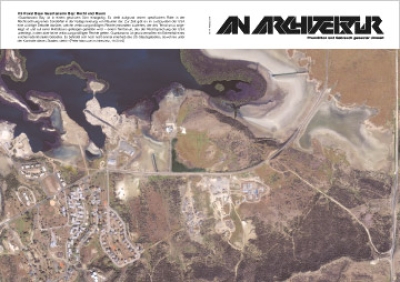
    An Architektur 16-17

  • Vera Beyer, Jutta Voorhoeve, Anselm…

    Das Bild ist der König. Repräsentation nach Louis Marin

  • An Architektur

    An Architektur 15 / FFM 11: Europäische…

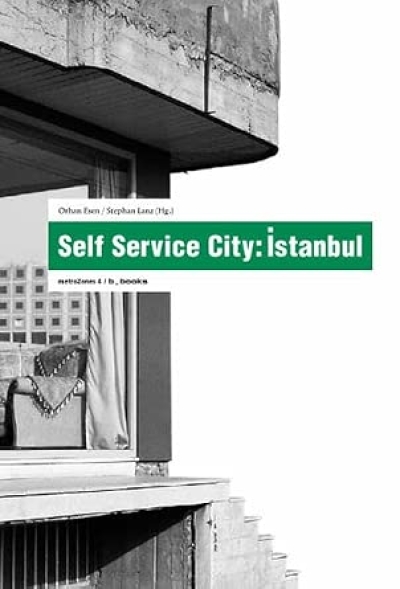
  • Orhan Esen, Stephan Lanz (Hg)

    Self Service City. Istanbul (metrozones 4)

  • An Architektur

    An Architektur 14: Camp for Oppositional Architecture

  • Stephan Lanz (Hg.)

    City of COOP. Ersatzökonomiern und städtische Bewegungen in…

  • An Architektur

    An Architektur 11-13: Theorie und Praxis der Kartografie

  • An Architektur

    An Architektur 10: Gemeinschaftsräume

  • Jochen Becker, Stephan Lanz (Hg.)

    Space//Troubles. Jenseits des Guten Regierens:…

  • Sarai media lab

    Sarai Reader 03: shaping technologies

  • An Architektur

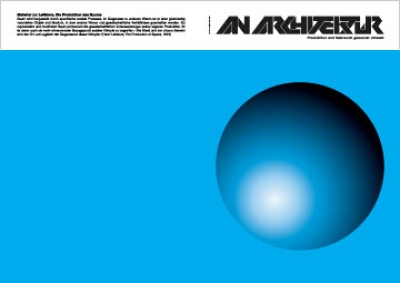
    An Architektur 04-09: Krieg und die Produktion von Raum

  • IDEA Magazine

    IDEA 296. Books <preposition> graphic design

  • IDEA Magazine

    IDEA 293. Stanley Donwood / Vacances. DD-DDD / Dimensions…

  • gerade nicht auf Lager
    An Architektur

    An Architektur 01-03

  • Martina Löw

    Raumsoziologie

  • Pro qm

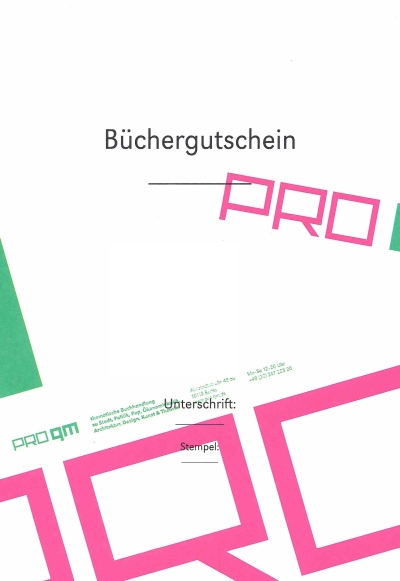
    Gutschein / Voucher

  • Brian O'Doherty

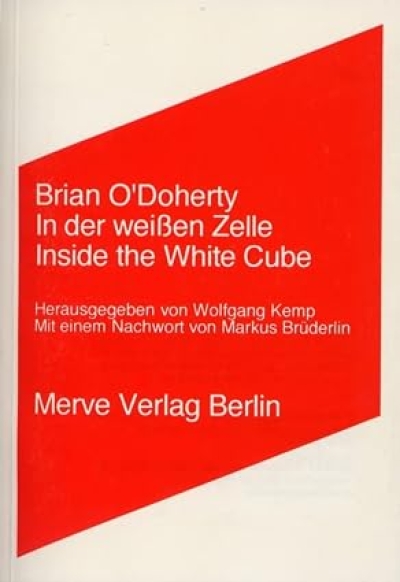
    In der weissen Zelle. Inside the White Cube

  • gerade nicht auf Lager
    Siegfried Kracauer

    Das Ornament der Masse. Essays

Buildings are for People. Human Ecological Design

"Buildings are for People: Human Ecological Design" offers a new approach to the process of conceiving architectural design, one that considers the interactions of the built environment with people and the natural environment. The book exposes our visceral and experiential connections to buildings, and how buildings intervene directly with our ecosystem, natural environment and sense of place. It brings to light our ability to utilize a building's surfaces, shape and materiality to synergize with the energy and forces of nature for a more green and sustainable architecture. It points out many of the roadblocks to successful design including issues in education, the profession, regulation and the industry's institutions, providing an awareness that heretofore is rarely discussed. Most importantly, "Buildings are for People: Human Ecological Design" highlights the obvious, that buildings are built for people, a fact that seems to have been overlooked in the last half-century.


Bill Caplan
Buildings are for People. Human Ecological Design
Libri Books, 2016, 978-0-993370618
gerade nicht auf Lager