
























Direkt zum Inhalt

Warenkorb

  • von Borries, Ahlert, Fischer (Hrsg.)

    Die Berliner Weltverbesserungsmaschine. Die Rekonstruktion…

  • Friedrich von Borries, Jens-Uwe Fischer

    Die Berliner Weltverbesserungsmaschine. Die Geschichte…

  • Sven Lütticken

    History in Motion. Time in the Age of the Moving Image

  • Kevin C. Smith

    Recombo DNA. The Story of Devo, or How the 60s Became the…

  • Bastian Lange, Gottfried Prasenc,…

    Ortsentwürfe. Urbanität im 21. Jahrhundert

  • Claudia Mareis, Matthias Held, Gesche…

    Wer gestaltet die Gestaltung? Praxis, Theorie und…

  • Jean-Luc Nancy

    Äquivalenz der Katastrophen (Nach Fukushima)

  • gerade nicht auf Lager
    Rem Koolhaas, Hal Foster

    Junkspace with Running Room

  • Hilke Wagner, Axel Wieder (Eds.)

    Susanne Kriemann

  • Lionel Bovier

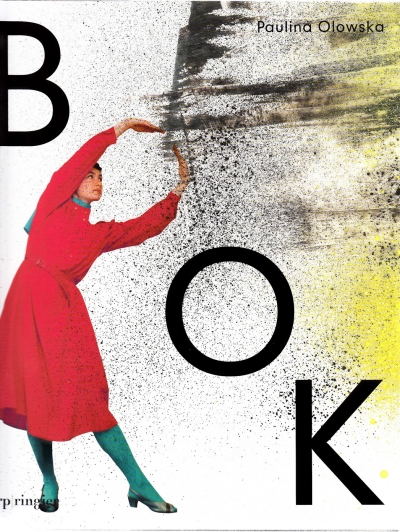
    Paulina Olowska. Book

  • Anri Sala

    Ravel Ravel Unravel

  • Anne Huffschmid, Kathrin Wildner (Hg.)

    Stadtforschung aus Lateinamerika: Neue urbane Szenarien.…

  • Thomas Keenan, Tirdad Zolghadr (Eds.)

    The Human Snapshot

  • gerade nicht auf Lager
    Between Artists

    Thom Andersen / William E. Jones

  • Heidrun Holzfeind

    Strictly Private

  • gerade nicht auf Lager
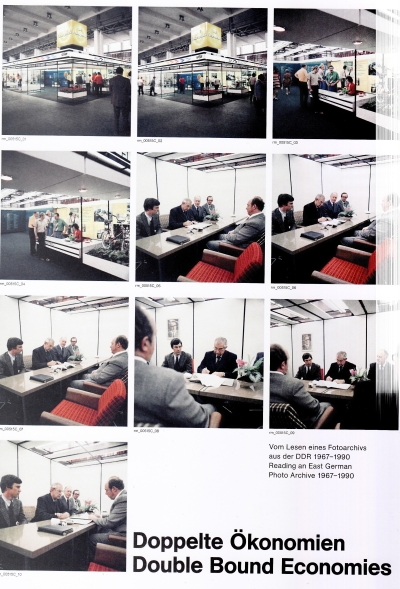
    Doreen Mende, Estelle Blaschke, Armin…

    Doppelte Ökonomien / Double Bound Economies

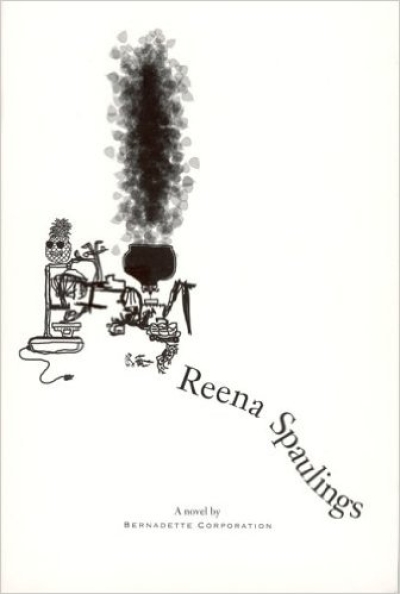
  • Bernadette Corporation

    Reena Spaulings. A Novel by Bernadette Corporation

  • IDEA Magazine

    IDEA 357. Architecture in Print: The Development of…

  • Klaus Zwerger

    Das Holz und seine Verbindungen. Traditionelle Bautechniken…

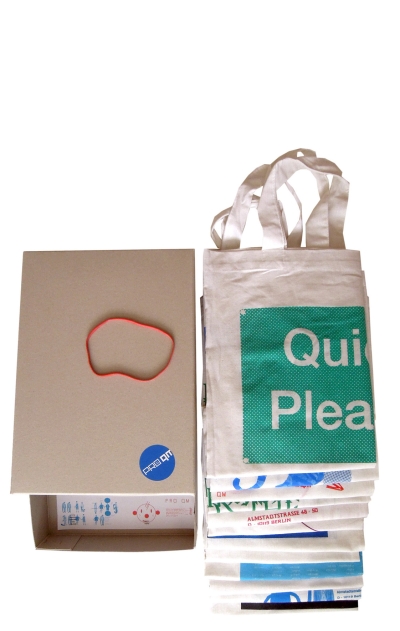
  • Abäke, Bernadette Corporation, Laurenz…

    Sonderedition Zwölf Taschen für Pro qm

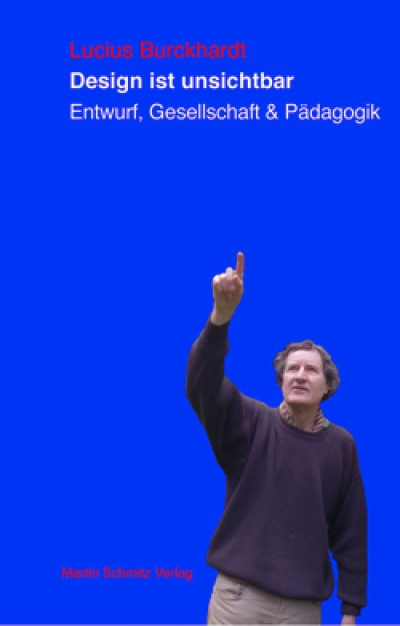
  • Lucius Burckhardt

    Design ist unsichtbar. Entwurf, Gesellschaft und Pädagogik

  • Dietmar Kammerer (Hg)

    Vom Publicum. Das Öffentliche in der Kunst

  • Studienhefte Problemorientiertes Design…

    Lucius Burckhardt. Design heisst Entwurf

  • Studienhefte Problemorientiertes Design…

    Horst Rittel. Die Denkweise von Designern

  • gerade nicht auf Lager
    Gerald Raunig

    Fabriken des Wissens. Streifen und Glätten 1

  • Annette Wehrmann

    Luftschlangentexte

  • Oda Pälmke (Hg.)

    Ganz gut – Quite Good Houses

  • Mårten Spångberg

    Spangbergianism

  • Rem Koolhaas, Hans Ulrich Obrist (Hg.)

    Project Japan. An Oral History of Metabolism

  • gerade nicht auf Lager
    metroZones (Hg.)

    Urban Prayers – Neue religiöse Bewegungen in der globalen…

  • Byung-Chul Han

    Shanzhai. Dekonstruktion auf Chinesisch

  • gerade nicht auf Lager
    O.M. Ungers

    Morphologie City Metaphors

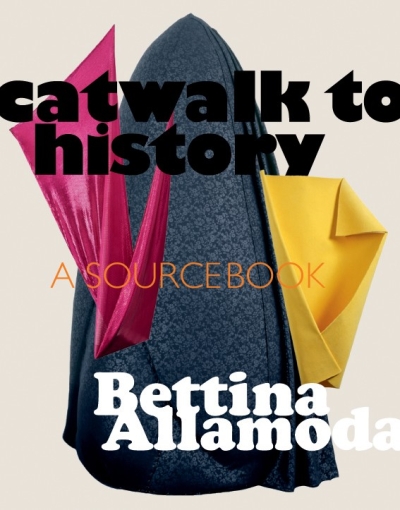
  • Bettina Allamoda

    Catwalk to History - A Sourcebook

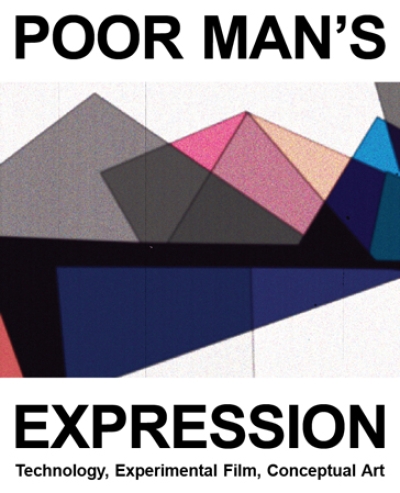
  • Martin Ebner, Florian Zeyfang (Hg.)

    Poor Man’s Expression

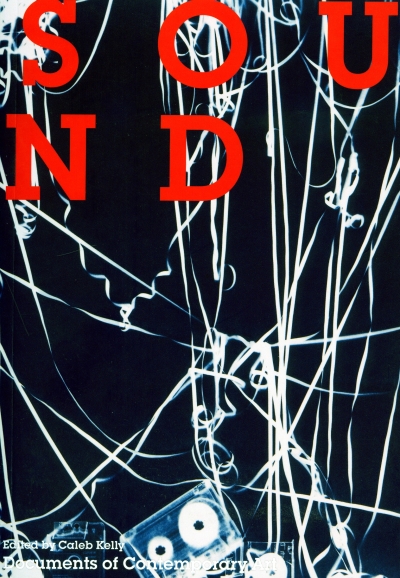
  • Caleb Kelly (Hg.)

    Sound (Documents of Contemporary Art)

  • gerade nicht auf Lager
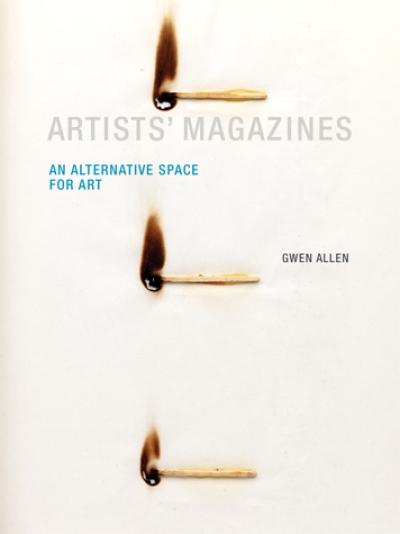
    Gwen Allen

    Artists' Magazines. An Alternative Space for Art [pb]

  • gerade nicht auf Lager
    Chris Kraus

    Where Art Belongs

  • Beatriz Colomina, Craig Buckley (Hg.)

    Clip, Stamp, Fold. The Radical Architecture of Little…

  • gerade nicht auf Lager
    Michael Merrill

    Louis Kahn. On the Thoughtful Making of Spaces

  • An Architektur

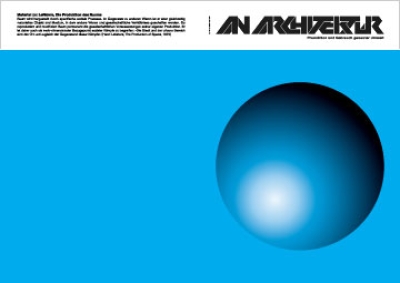
    An Architektur 23: On the Commons

  • IDEA Magazine

    IDEA 341. Dialogues with Tatsuya Ariyama

  • gerade nicht auf Lager
    Brandon LaBelle

    Acoustic Territories. Sound Culture and Everyday Life.…

  • gerade nicht auf Lager
    Adolf Opel (Hg.)

    Adolf Loos. Gesammelte Schriften

  • Pal Ahluwalia

    Out of Africa. Post-Structuralism's Colonial Roots

  • Christoph Schäfer

    Die Stadt ist unsere Fabrik. The City is Our Factory.

  • Stefan Marx

    85 Zeichnungen

  • Sandra Schaefer

    Stagings. Kabul, Film & Production of Representation

  • gerade nicht auf Lager
    Steve Goodman

    Sonic Warfare. Sound, Affect, and the Ecology of Fear

  • Gui Bonsiepe

    Entwurfskultur und Gesellschaft. Gestaltung zwischen…

  • gerade nicht auf Lager
    Claire Doherty (Hg.)

    Situation. Documents of Contemporary Art

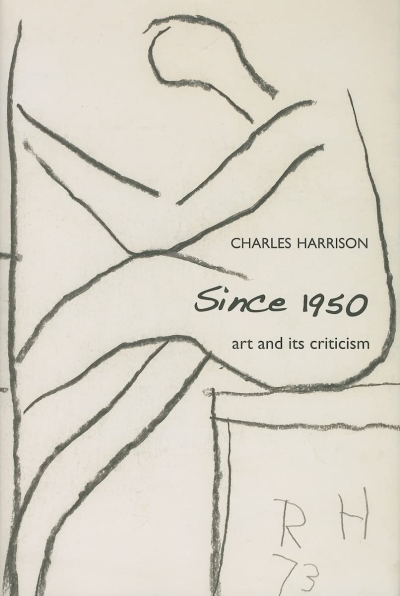
  • Charles Harrison

    Since 1950. art and its criticism

  • gerade nicht auf Lager
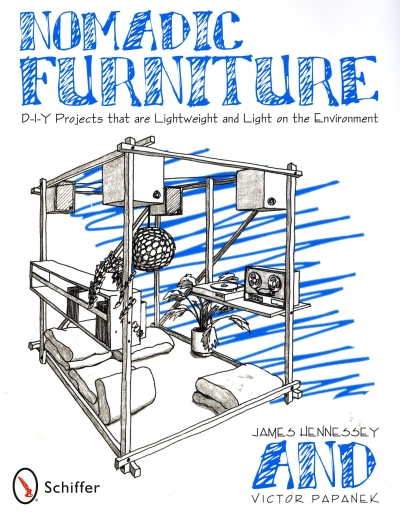
    James Hennessey, Victor Papanek

    Nomadic Furniture. D-I-Y Projects that are Lightweight

  • Claire Fontaine

    Vivre, vaincre

  • Claire Fontaine

    Claire Fontaine. Vivre, Vaincre

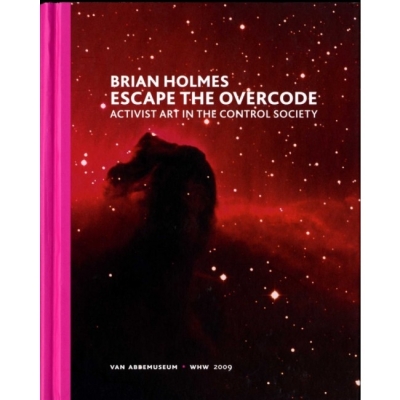
  • Brian Holmes

    Escape the Overcode. Activist Art in the Control Society

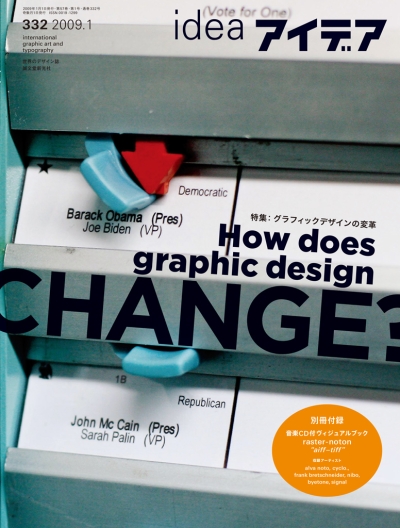
  • IDEA Magazine

    IDEA 332. How does graphic design CHANGE?

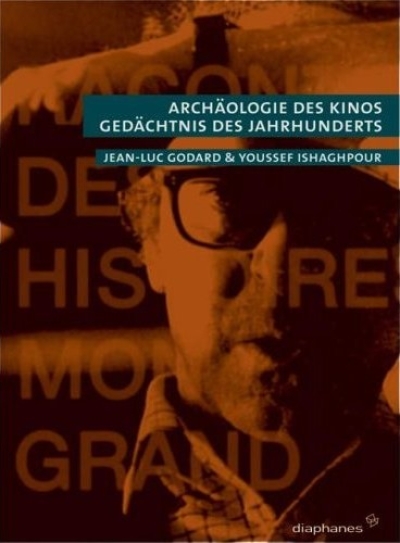
  • Jean-Luc Godard, Youssef Ishaghpour

    Archäologie des Kinos, Gedächtnis des Jahrhunderts

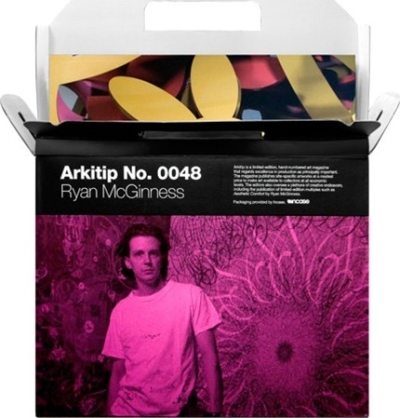
  • Arkitip No. 0048

    Ryan McGinness

  • Rahel Lämmler, Michael Wagner

    Ulrich Müther. Schalenbauten in Mecklenburg-Vorpommern

  • Martina Löw

    Soziologie der Städte

  • Sven Spieker

    The Big Archive. Art From Bureaucracy

  • Thomas Meinecke

    Jungfrau

  • Grada Kilomba

    Plantation Memories. Episodes of Everyday Racism

  • An Architektur

    An Architektur 22: GAMMA Grid, 1953. Das Ende des CIAM und…

  • An Architektur

    An Architektur 19-21: Community Design. Involvement and…

  • Antonio Negri

    The Porcelain Workshop. For a New Grammar of Politics

  • Christoph Schaub, Michael Schindhelm

    Bird's Nest (DVD, 87 min.). Jacques Herzog und Pierre…

  • Laurence A. Rickels

    Ulrike Ottinger. Eine Autobiografie

  • N. John Habraken, Arnulf Lüchinger

    Die Träger und die Menschen. Das Ende des Massenwohnungsbau…

  • gerade nicht auf Lager
    Guy Debord

    Comments on the Society of the Spectacle

  • Michel de Certeau

    Kunst des Handelns

  • Alain Badiou

    Wofür steht der Name Sarkozy?

  • gerade nicht auf Lager
    Donna Haraway

    Die Neuerfindung der Natur. Primaten, Cyborgs und Frauen.

  • gerade nicht auf Lager
    Stefanie Schulte Strathaus, Florian…

    Wer sagt denn, dass Beton nicht brennt, hast Du’s probiert?

  • gerade nicht auf Lager
    Henri Lefebvre

    Writings on Cities

  • Loretta Napoleoni

    Rogue Economics. Capitalism's New Reality

  • AD

    AD 174. Vol. 75. Nr. 2. Samantha Hardingham. The 1970…

  • An Architektur

    An Architektur 18: Camp for Oppositional Architecture:…

  • Johan Frederik Hartle

    Der geöffnete Raum. Zur Politik der ästhetischen Form

  • An Architektur

    An Architektur 16-17

  • Vera Beyer, Jutta Voorhoeve, Anselm…

    Das Bild ist der König. Repräsentation nach Louis Marin

  • An Architektur

    An Architektur 15 / FFM 11: Europäische…

  • An Architektur

    An Architektur 14: Camp for Oppositional Architecture

  • An Architektur

    An Architektur 11-13: Theorie und Praxis der Kartografie

  • An Architektur

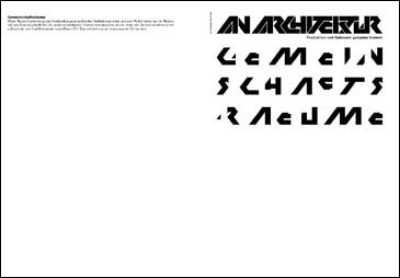
    An Architektur 10: Gemeinschaftsräume

  • An Architektur

    An Architektur 04-09: Krieg und die Produktion von Raum

  • IDEA Magazine

    IDEA 296. Books <preposition> graphic design

  • IDEA Magazine

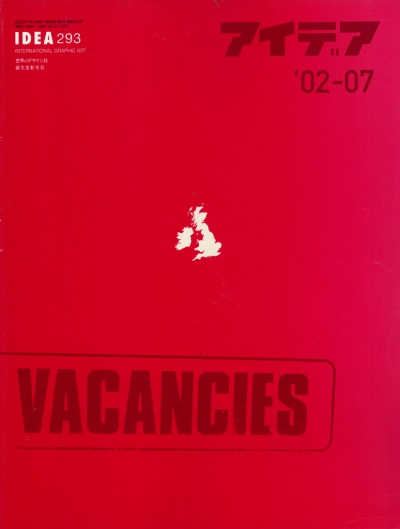
    IDEA 293. Stanley Donwood / Vacances. DD-DDD / Dimensions…

  • gerade nicht auf Lager
    An Architektur

    An Architektur 01-03

  • Pro qm

    Gutschein / Voucher

  • Siegfried Kracauer

    Das Ornament der Masse. Essays

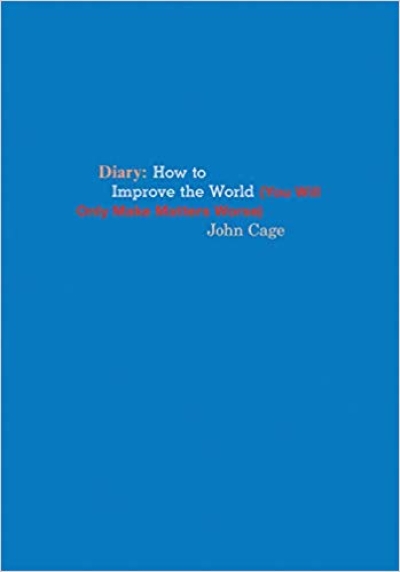
Diary: How to Improve the World (You Will Only Make Matters Worse)

"Over 16 years, beginning in 1965, John Cage compiled anecdotes, observations and koanlike tales, originally typing everything on an IBM Selectric and using chance methods to determine the formatting of texts that twist down each page. The Siglio edition preserves the graphic effects, but, more important, it gives a sense of the company he kept during these years--Marcel Duchamp, R. Buckminster Fuller, D.T. Suzuki--and of his passionate feeling about a world locked in a state of perpetual warfare. Cage has a reputation for being a Zen-inspired wit. He was also much more, an intensely engaged moral thinker." -Holland Cotter, New York Times
Now available in an expanded paperback edition, Diary registers Cage's assessment of the times in which he lived as well as his often uncanny portents about the world we live in now. With a great sense of play as well as purpose, Cage traverses vast territory, from the domestic minutiae of everyday life to ideas about how to feed the world. He used chance operations to determine not only the word count and the application of various typefaces but also the number of letters per line, the patterns of indentation, and--in the case of Part Three, originally published by Something Else Press--color. The unusual visual variances on the page become almost musical as language takes on a physical and aural presence.
While Cage used chance operations to expand the possibilities of creating and shaping his work beyond the limitations of individual taste, Diary nonetheless accumulates into a complex reflection of Cage's sensibilities as a thinker and citizen of the world, illuminating his social and political awareness, as well as his idealism and sense of humor: it becomes an oblique but indelible portrait of one the most influential figures of the 20th-century American avant-garde.
Collecting all eight parts into a single volume, coeditors Joe Biel and Richard Kraft also used chance operations to render the entire text in various combinations of red and blue (used by Dick Higgins and Alison Knowles for Part Three) as well as to apply a single set of 18 fonts to the entire work. In the editors' note, Kraft and Biel elucidate the procedure of chance operations and demonstrate its application, giving readers a rare opportunity to see how the text is transformed.
This expanded paperback edition reproduces the 2015 hardback edition, with a new essay by mycologist and Cage aficionado David Rose and, most important, an addendum that includes many facsimile pages of Cage's handwritten notebook of a ninth part in progress, bringing the reader into compelling proximity to Cage's process and the raw material from which Diary was made.


John Cage
Diary: How to Improve the World (You Will Only Make Matters Worse)
Siglio, 2019, 978-1-938221-21-7
gerade nicht auf Lager