








































Direkt zum Inhalt

Warenkorb

  • IFA (Ed.)

    Future Perfect. Contemporary Art from Germany

  • Wilfried Wang, Dan Sylvester (Hg.)

    Hans Scharoun. Philharmonie

  • Chair of Prof. Dr. Josep Lluís Mateo…

    Middle East. Landscape City Architecture

  • Anna Schober

    The Cinema Makers. Public Life and the Exhibition of…

  • von Borries, Ahlert, Fischer (Hrsg.)

    Die Berliner Weltverbesserungsmaschine. Die Rekonstruktion…

  • Friedrich von Borries, Jens-Uwe Fischer

    Die Berliner Weltverbesserungsmaschine. Die Geschichte…

  • Sven Lütticken

    History in Motion. Time in the Age of the Moving Image

  • Kevin C. Smith

    Recombo DNA. The Story of Devo, or How the 60s Became the…

  • Bastian Lange, Gottfried Prasenc,…

    Ortsentwürfe. Urbanität im 21. Jahrhundert

  • Claudia Mareis, Matthias Held, Gesche…

    Wer gestaltet die Gestaltung? Praxis, Theorie und…

  • Jean-Luc Nancy

    Äquivalenz der Katastrophen (Nach Fukushima)

  • gerade nicht auf Lager
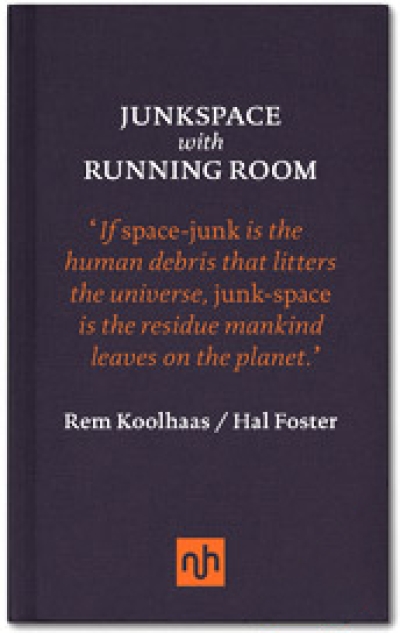
    Rem Koolhaas, Hal Foster

    Junkspace with Running Room

  • Hilke Wagner, Axel Wieder (Eds.)

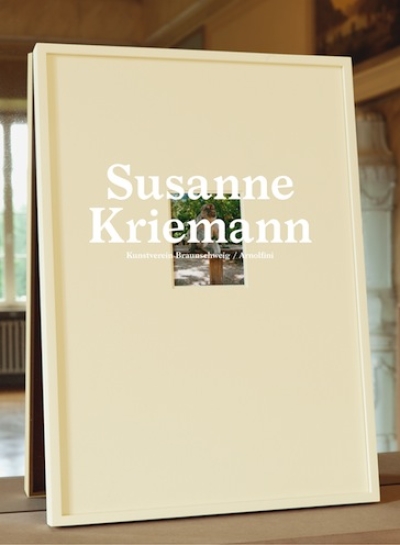
    Susanne Kriemann

  • Lionel Bovier

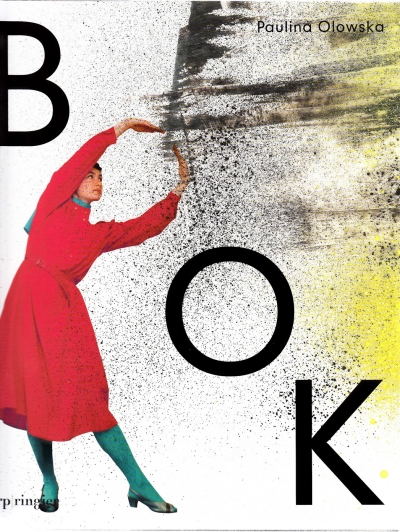
    Paulina Olowska. Book

  • Anri Sala

    Ravel Ravel Unravel

  • Anne Huffschmid, Kathrin Wildner (Hg.)

    Stadtforschung aus Lateinamerika: Neue urbane Szenarien.…

  • Thomas Keenan, Tirdad Zolghadr (Eds.)

    The Human Snapshot

  • gerade nicht auf Lager
    Between Artists

    Thom Andersen / William E. Jones

  • Heidrun Holzfeind

    Strictly Private

  • gerade nicht auf Lager
    Doreen Mende, Estelle Blaschke, Armin…

    Doppelte Ökonomien / Double Bound Economies

  • Bernadette Corporation

    Reena Spaulings. A Novel by Bernadette Corporation

  • IDEA Magazine

    IDEA 357. Architecture in Print: The Development of…

  • Klaus Zwerger

    Das Holz und seine Verbindungen. Traditionelle Bautechniken…

  • Abäke, Bernadette Corporation, Laurenz…

    Sonderedition Zwölf Taschen für Pro qm

  • Lucius Burckhardt

    Design ist unsichtbar. Entwurf, Gesellschaft und Pädagogik

  • Dietmar Kammerer (Hg)

    Vom Publicum. Das Öffentliche in der Kunst

  • Studienhefte Problemorientiertes Design…

    Lucius Burckhardt. Design heisst Entwurf

  • Studienhefte Problemorientiertes Design…

    Horst Rittel. Die Denkweise von Designern

  • gerade nicht auf Lager
    Gerald Raunig

    Fabriken des Wissens. Streifen und Glätten 1

  • Annette Wehrmann

    Luftschlangentexte

  • Oda Pälmke (Hg.)

    Ganz gut – Quite Good Houses

  • Mårten Spångberg

    Spangbergianism

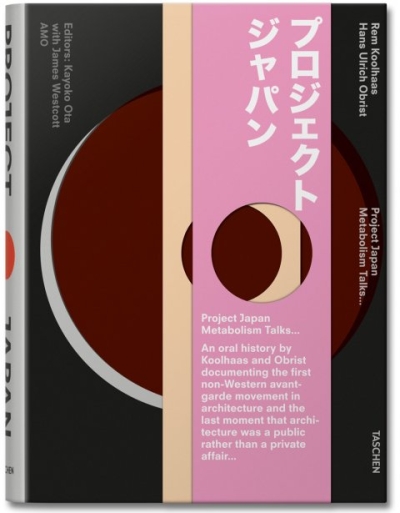
  • Rem Koolhaas, Hans Ulrich Obrist (Hg.)

    Project Japan. An Oral History of Metabolism

  • gerade nicht auf Lager
    metroZones (Hg.)

    Urban Prayers – Neue religiöse Bewegungen in der globalen…

  • Byung-Chul Han

    Shanzhai. Dekonstruktion auf Chinesisch

  • gerade nicht auf Lager
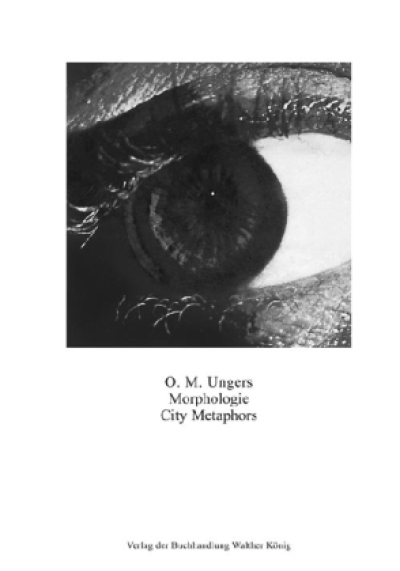
    O.M. Ungers

    Morphologie City Metaphors

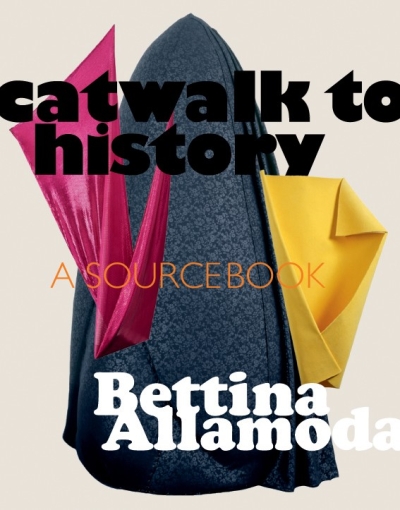
  • Bettina Allamoda

    Catwalk to History - A Sourcebook

  • Martin Ebner, Florian Zeyfang (Hg.)

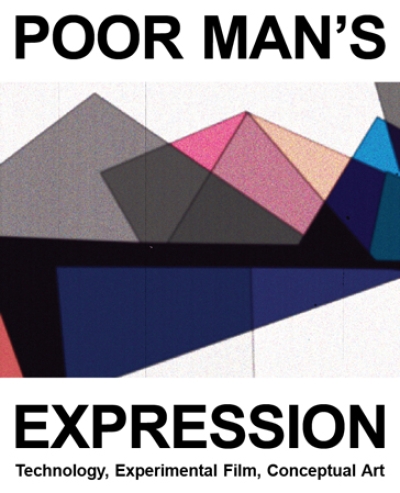
    Poor Man’s Expression

  • Caleb Kelly (Hg.)

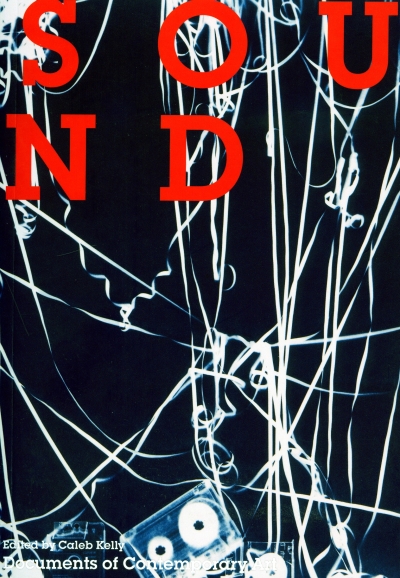
    Sound (Documents of Contemporary Art)

  • gerade nicht auf Lager
    Gwen Allen

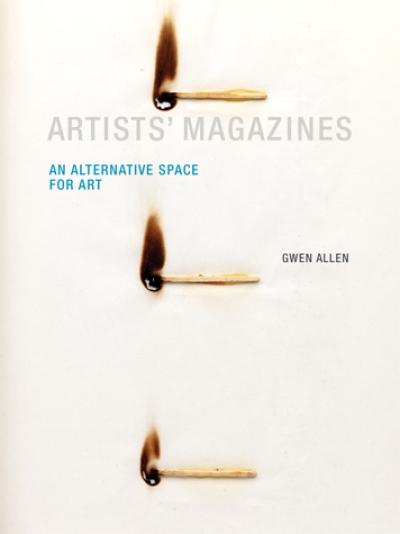
    Artists' Magazines. An Alternative Space for Art [pb]

  • gerade nicht auf Lager
    Chris Kraus

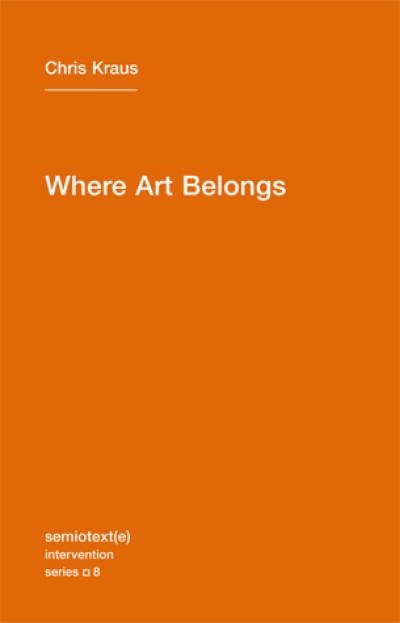
    Where Art Belongs

  • Beatriz Colomina, Craig Buckley (Hg.)

    Clip, Stamp, Fold. The Radical Architecture of Little…

  • gerade nicht auf Lager
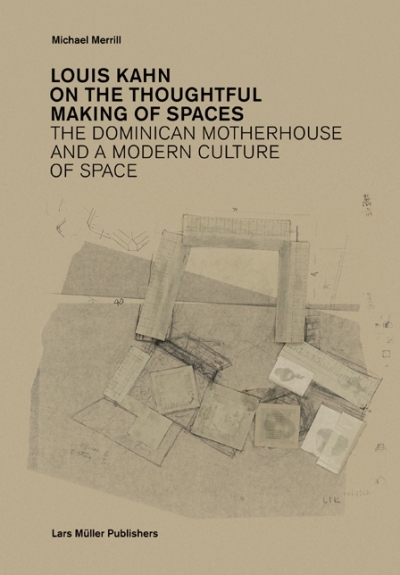
    Michael Merrill

    Louis Kahn. On the Thoughtful Making of Spaces

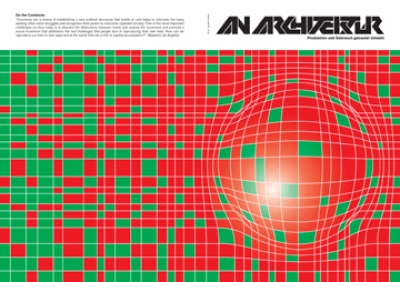
  • An Architektur

    An Architektur 23: On the Commons

  • IDEA Magazine

    IDEA 341. Dialogues with Tatsuya Ariyama

  • gerade nicht auf Lager
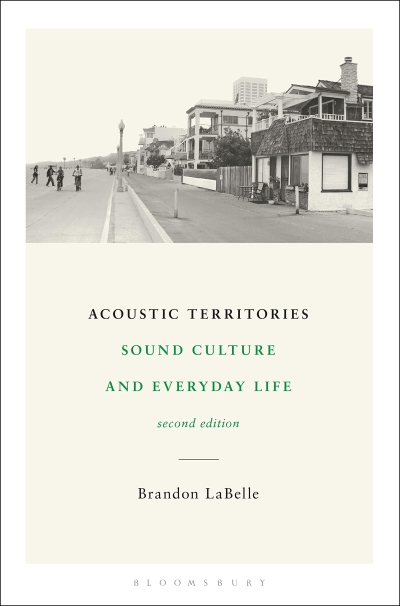
    Brandon LaBelle

    Acoustic Territories. Sound Culture and Everyday Life.…

  • gerade nicht auf Lager
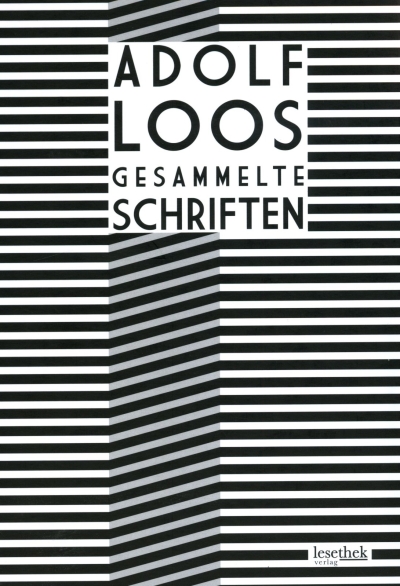
    Adolf Opel (Hg.)

    Adolf Loos. Gesammelte Schriften

  • Pal Ahluwalia

    Out of Africa. Post-Structuralism's Colonial Roots

  • Christoph Schäfer

    Die Stadt ist unsere Fabrik. The City is Our Factory.

  • Stefan Marx

    85 Zeichnungen

  • Sandra Schaefer

    Stagings. Kabul, Film & Production of Representation

  • gerade nicht auf Lager
    Steve Goodman

    Sonic Warfare. Sound, Affect, and the Ecology of Fear

  • Gui Bonsiepe

    Entwurfskultur und Gesellschaft. Gestaltung zwischen…

  • gerade nicht auf Lager
    Claire Doherty (Hg.)

    Situation. Documents of Contemporary Art

  • Charles Harrison

    Since 1950. art and its criticism

  • gerade nicht auf Lager
    James Hennessey, Victor Papanek

    Nomadic Furniture. D-I-Y Projects that are Lightweight

  • Claire Fontaine

    Vivre, vaincre

  • Claire Fontaine

    Claire Fontaine. Vivre, Vaincre

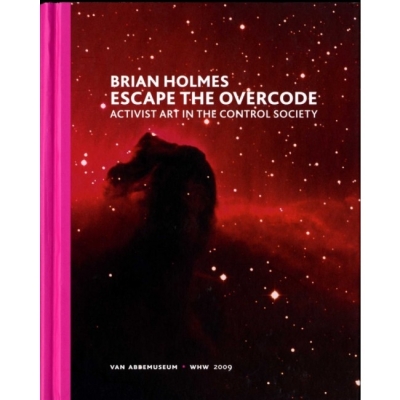
  • Brian Holmes

    Escape the Overcode. Activist Art in the Control Society

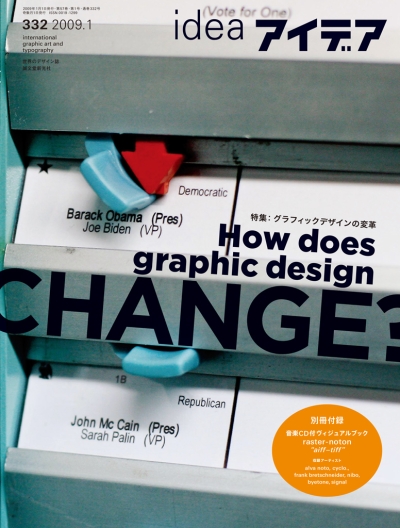
  • IDEA Magazine

    IDEA 332. How does graphic design CHANGE?

  • Jean-Luc Godard, Youssef Ishaghpour

    Archäologie des Kinos, Gedächtnis des Jahrhunderts

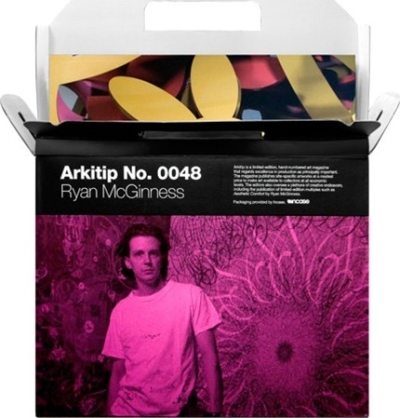
  • Arkitip No. 0048

    Ryan McGinness

  • Rahel Lämmler, Michael Wagner

    Ulrich Müther. Schalenbauten in Mecklenburg-Vorpommern

  • Martina Löw

    Soziologie der Städte

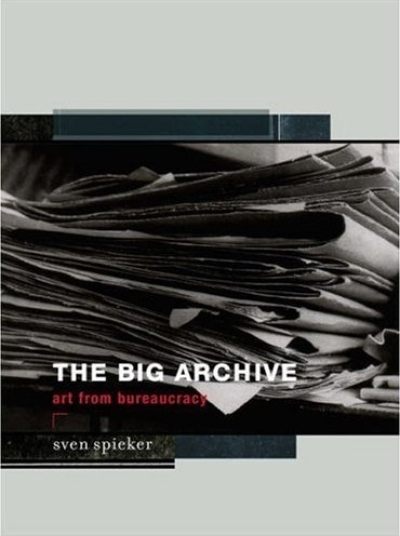
  • Sven Spieker

    The Big Archive. Art From Bureaucracy

  • Thomas Meinecke

    Jungfrau

  • Grada Kilomba

    Plantation Memories. Episodes of Everyday Racism

  • An Architektur

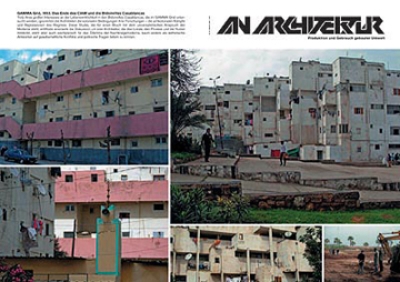
    An Architektur 22: GAMMA Grid, 1953. Das Ende des CIAM und…

  • An Architektur

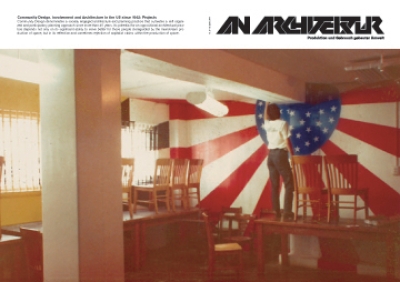
    An Architektur 19-21: Community Design. Involvement and…

  • Antonio Negri

    The Porcelain Workshop. For a New Grammar of Politics

  • Christoph Schaub, Michael Schindhelm

    Bird's Nest (DVD, 87 min.). Jacques Herzog und Pierre…

  • Laurence A. Rickels

    Ulrike Ottinger. Eine Autobiografie

  • N. John Habraken, Arnulf Lüchinger

    Die Träger und die Menschen. Das Ende des Massenwohnungsbau…

  • gerade nicht auf Lager
    Guy Debord

    Comments on the Society of the Spectacle

  • Michel de Certeau

    Kunst des Handelns

  • Alain Badiou

    Wofür steht der Name Sarkozy?

  • gerade nicht auf Lager
    Donna Haraway

    Die Neuerfindung der Natur. Primaten, Cyborgs und Frauen.

  • gerade nicht auf Lager
    Stefanie Schulte Strathaus, Florian…

    Wer sagt denn, dass Beton nicht brennt, hast Du’s probiert?

  • gerade nicht auf Lager
    Henri Lefebvre

    Writings on Cities

  • Loretta Napoleoni

    Rogue Economics. Capitalism's New Reality

  • AD

    AD 174. Vol. 75. Nr. 2. Samantha Hardingham. The 1970…

  • An Architektur

    An Architektur 18: Camp for Oppositional Architecture:…

  • Johan Frederik Hartle

    Der geöffnete Raum. Zur Politik der ästhetischen Form

  • An Architektur

    An Architektur 16-17

  • Vera Beyer, Jutta Voorhoeve, Anselm…

    Das Bild ist der König. Repräsentation nach Louis Marin

  • An Architektur

    An Architektur 15 / FFM 11: Europäische…

  • An Architektur

    An Architektur 14: Camp for Oppositional Architecture

  • An Architektur

    An Architektur 11-13: Theorie und Praxis der Kartografie

  • An Architektur

    An Architektur 10: Gemeinschaftsräume

  • An Architektur

    An Architektur 04-09: Krieg und die Produktion von Raum

  • IDEA Magazine

    IDEA 296. Books <preposition> graphic design

  • IDEA Magazine

    IDEA 293. Stanley Donwood / Vacances. DD-DDD / Dimensions…

  • gerade nicht auf Lager
    An Architektur

    An Architektur 01-03

  • Pro qm

    Gutschein / Voucher

  • Siegfried Kracauer

    Das Ornament der Masse. Essays

IDEA 389. Feminist Moments: Thoughts on graphic design possibilities from the issue of gender

Direction by Idea
Design by LABORATORIES (Kensaku Kato, Hiroyuki Kishida)

The British art magazine Art Review ranks the most influential figures in the contemporary art world in its annual “Power 100.” In 2018, #MeToo ranked third place. The movement, which first spread around the world in 2017 following the sexual harassment accusations in Hollywood, is now expanding its influence into the art and design fields.

At around the same time in South Korea, a feminist novel Kim Ji-young, Born 1982 (Cho Nam-joo, Minumsa) became a big hit. The story of women living in the modern world, which until then had remained largely undiscussed, and the feeling of something being out of place—having to live through difficulties and face unreasonable circumstances and inequality as women—were described through the life of the main character, Kim Ji-young. The book struck a chord especially among the readers of the generation, and the Japanese version also recorded unusual sales. Starting with the “Korea, Feminism, and Japan” feature in the Bungei magazine (fall 2019) that summarized this trend, and with the additional help of Korean feminist literature, many people in Japan began to focus on gender bias in their immediate surroundings.

Looking at the gender situation in Japan, medical school entrance exam discrimination against female and repeat applicants that came to light in 2018 has caused a huge ripple effect. In response to this incident, gender equality became the main slogan at last year’s Aichi Triennale where they attracted attention by dividing the list of participants into almost equal numbers of male and female artists. Having stepped into an age where it feels more unnatural to remain ignorant of the gender issue, we find ourselves standing amid a “feminist moment,” regardless of our gender.

Faced with a society in which gender inequality exists, what questions can we ask through design? Graphic design, essentially, has the ability to challenge society through visual language. If this is true, what actions can designers take? This special feature was designed to introduce examples that delve into these ideas.

In addition to the aforementioned feminist movements, in South Korea, issues such as the sexual harassment problem in the art industry became apparent at around the same time. These incidences urged female designers in the graphic design industry to work on projects and exhibitions that focus on fellow female designers and their achievements. Our feature opens with two exhibitions, “The W Show: A List of Graphic Designers” and “Peony and Crab: Shim Woo Yoon Solo Show,” both of which were produced by female designers and introduced diverse examples of graphic design exhibitions.

While the former equally juxtaposed female designers from different generations through a list and database, the latter used the concept of a fictitious female designer. In it, seventeen designers produced and displayed various works that the fictitious artist would have produced, and the project attested to the participating designers’ shared intention to not be dictated by a fixed format or stereotype, or even by the fact that the titular artist is a “woman” and that the show is her “solo exhibition.” While their approach is different, neither of these two exhibitions was about showing a particular style; they were practices of speculative design that illuminated the attitudes of the graphic designers.

Among other Korean designers featured in this issue, new and old female designers from Japan, the United States, and Europe also lead their field and have pioneered their careers. However, they are not necessarily feminists, and not all are consciously confronting the gender issue. As was the case in the two exhibitions in South Korea, gender does not necessarily command a specific shape or design style, and it is not our intention to link gender and style in this feature. That is to say, in considering the possibilities of future graphic design, establishing such constraints as “female” and “male” is meaningless, and neither the creators nor the recipients of design should be bound by “style” or anything else inserted between brackets. In this feature, we decided to set a gender bias on the project itself to force us to return to that sense of ordinary. It is in addition to this that we contemplate how to question our society today and challenge the true value of design.


IDEA Magazine
IDEA 389. Feminist Moments: Thoughts on graphic design possibilities from the issue of gender
Seibundo Shinkosha, 2020, IDEA389 2020.4
36,00 €