













Play the System. Parametric Approaches in Graphic Design
In graphic design, the focus is rarely on the spontaneous stroke of genius—it’s rather about a process-oriented approach to design. Digital tools, algorithms, and systems increasingly shape not only the final outcome but also the process itself. As a result, the role of the designer is changing: instead of crafting every detail, they increasingly design the framework in which design emerges.
Over more than twenty years of teaching, Heike Grebin has developed an approach centered on this shift. Its main appeal lies in developing dynamic systems that both guide and inspire the design process. Design is generated by a set of specifications whose effects can be explored, varied, and used creatively—this is parametric design.
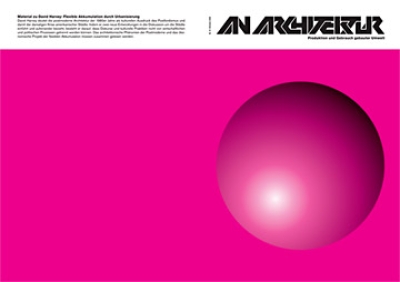
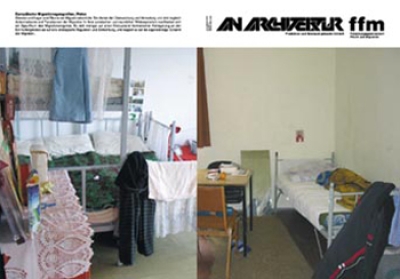
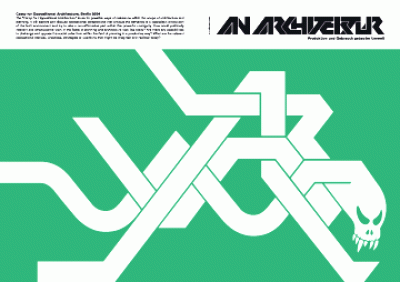
Play the System demonstrates, through selected examples from design history and academic teaching, how even minimal changes to individual parameters such as size, color, spacing, or movement—driven by input values, chance, or external influences—lead to different outcomes and open up space for variation, experimentation, and surprise.
Conversations with designers, programmers, and researchers such as Luna Maurer, Anja Groten, Frieder Nake, and Tom Bieling address key questions: How do systems foster—or limit—creativity? How do tools influence aesthetic decisions? And how can design respond to the structures of society itself?
As a hybrid publication, Play the System operates systemically itself. The website ↗ www.play-the-system.xyz complements the book with additional content and serves as the central data source for all projects published through an automated web-to-print process.
Play the System is a reader, an introduction, and a richly illustrated archive—all in one. Bringing together theory, education, and practice, it makes system-based and parametric design accessible to readers beyond the design discipline.