

Direkt zum Inhalt

Warenkorb

  • AD

    AD 174. Vol. 75. Nr. 2. Samantha Hardingham. The 1970…

  • An Architektur

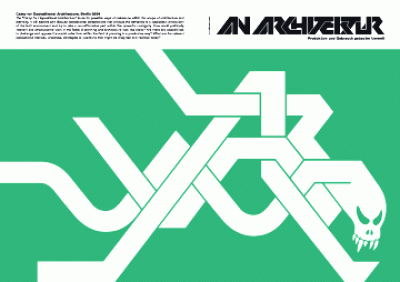
    An Architektur 18: Camp for Oppositional Architecture:…

  • Johan Frederik Hartle

    Der geöffnete Raum. Zur Politik der ästhetischen Form

  • Jörg Dünne, Stephan Günzel (Hg.)

    Raumtheorie. Grundlagentexte aus Philosophie und…

  • An Architektur

    An Architektur 16-17

  • Vera Beyer, Jutta Voorhoeve, Anselm…

    Das Bild ist der König. Repräsentation nach Louis Marin

  • An Architektur

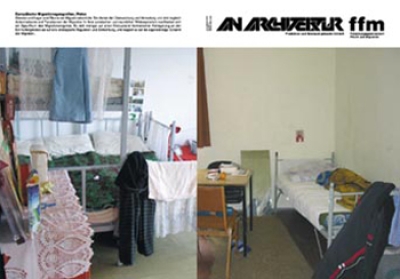
    An Architektur 15 / FFM 11: Europäische…

  • Orhan Esen, Stephan Lanz (Hg)

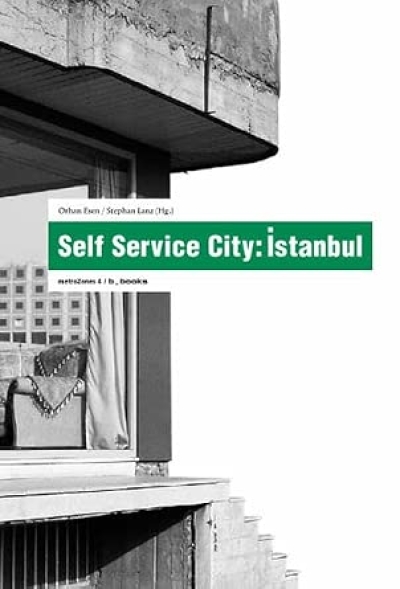
    Self Service City. Istanbul (metrozones 4)

  • An Architektur

    An Architektur 14: Camp for Oppositional Architecture

  • Stephan Lanz (Hg.)

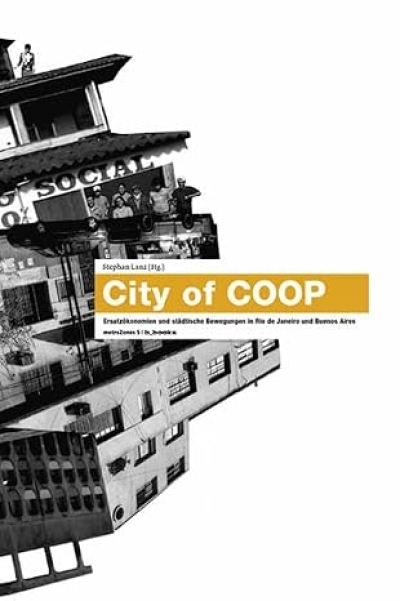
    City of COOP. Ersatzökonomiern und städtische Bewegungen in…

  • An Architektur

    An Architektur 11-13: Theorie und Praxis der Kartografie

  • An Architektur

    An Architektur 10: Gemeinschaftsräume

  • Jochen Becker, Stephan Lanz (Hg.)

    Space//Troubles. Jenseits des Guten Regierens:…

  • Sarai media lab

    Sarai Reader 03: shaping technologies

  • An Architektur

    An Architektur 04-09: Krieg und die Produktion von Raum

  • IDEA Magazine

    IDEA 296. Books <preposition> graphic design

  • IDEA Magazine

    IDEA 293. Stanley Donwood / Vacances. DD-DDD / Dimensions…

  • gerade nicht auf Lager
    An Architektur

    An Architektur 01-03

  • Martina Löw

    Raumsoziologie

  • Pro qm

    Gutschein / Voucher

  • Brian O'Doherty

    In der weissen Zelle. Inside the White Cube

  • gerade nicht auf Lager
    Siegfried Kracauer

    Das Ornament der Masse. Essays

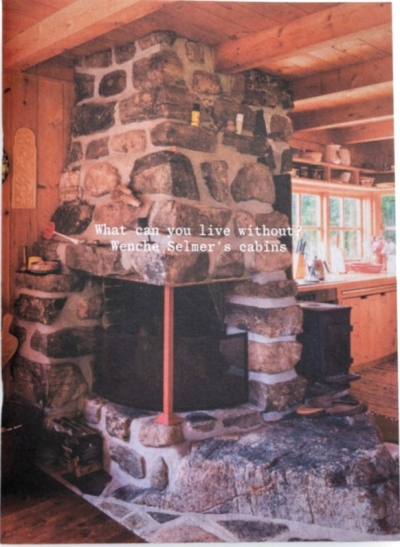
Cover What can you live without? Wenche Selmer's cabins

What can you live without? Wenche Selmer's cabins

The book What Can You Live Without? Wenche Selmer’s Cabins accompanies the exhibition on the work of the Norwegian architect Wenche Selmer (1920–1998), often designed and conceived in partnership with her husband Jens Selmer (1911–1995).

For Selmer, a cabin was more than a building project – it was an ideal for architecture in general and a metaphor for the good and simple life.

Wenche Selmer developed a distinctive architectural language that was poetic and generous at the same time as it was almost mercilessly plain. She often described her projects as insignificant. Behind the facade of what she called 'the little wooden house', the projects were unmistakably modern, with open and functional floor plans and a use of space reduced to the bare minimum.

The book What Can You Live Without? Wenche Selmer’s cabins consists of texts and photo essays about Selmer’s cabins. The main section explores the different parts of the cabins—such as roofs, windows, floors, and fireplaces—and is written by practicing architects. Author Amalie Lerstang writes about the longing for a cabin, while photographer Max Creasy has documented many of Selmer’s cabins as they appear today. In addition, the book includes several previously unpublished images from the family’s own photo archive, often photographed by Jens Selmer.


Martin Braathen, Marte Nødtvedt Skjæggestad, Jan Olav Jensen, Joakim Skajaa, Beate Hølmebakk, Mira Hahn, Stina Molander Skavlan, Amalie Kasin Lerstang, Kristian Wikborg Wiese (eds.)
What can you live without? Wenche Selmer's cabins
The National Museum (Nasjonalmuseet), 2026, 9788281541757
gerade nicht auf Lager