





Direkt zum Inhalt

Warenkorb

  • Johan Frederik Hartle

    Der geöffnete Raum. Zur Politik der ästhetischen Form

  • Jörg Dünne, Stephan Günzel (Hg.)

    Raumtheorie. Grundlagentexte aus Philosophie und…

  • An Architektur

    An Architektur 16-17

  • Vera Beyer, Jutta Voorhoeve, Anselm…

    Das Bild ist der König. Repräsentation nach Louis Marin

  • An Architektur

    An Architektur 15 / FFM 11: Europäische…

  • Orhan Esen, Stephan Lanz (Hg)

    Self Service City. Istanbul (metrozones 4)

  • An Architektur

    An Architektur 14: Camp for Oppositional Architecture

  • Stephan Lanz (Hg.)

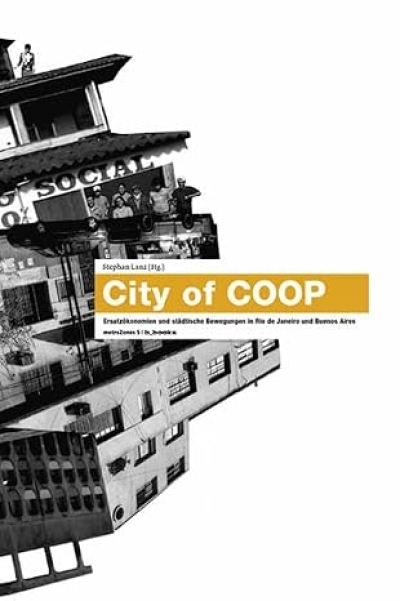
    City of COOP. Ersatzökonomiern und städtische Bewegungen in…

  • An Architektur

    An Architektur 11-13: Theorie und Praxis der Kartografie

  • An Architektur

    An Architektur 10: Gemeinschaftsräume

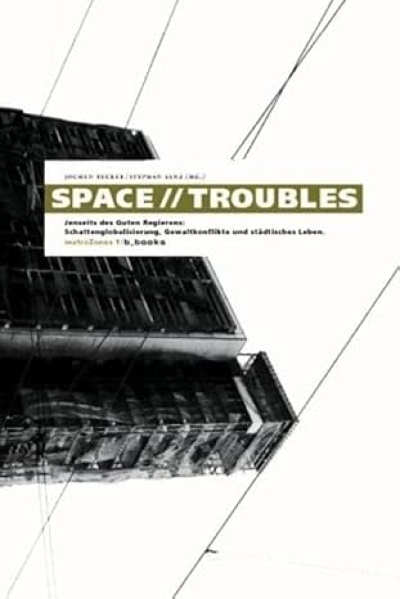
  • Jochen Becker, Stephan Lanz (Hg.)

    Space//Troubles. Jenseits des Guten Regierens:…

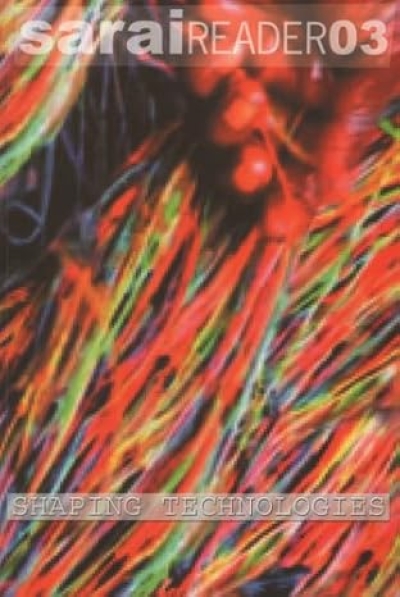
  • Sarai media lab

    Sarai Reader 03: shaping technologies

  • An Architektur

    An Architektur 04-09: Krieg und die Produktion von Raum

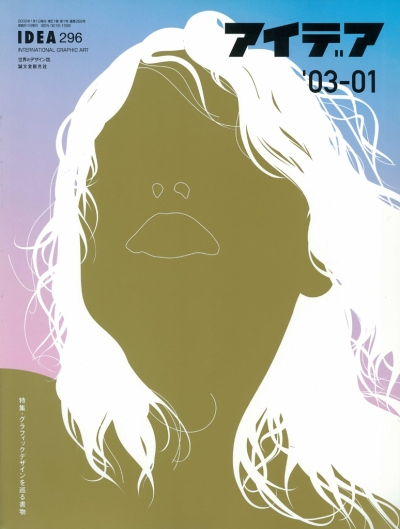
  • IDEA Magazine

    IDEA 296. Books <preposition> graphic design

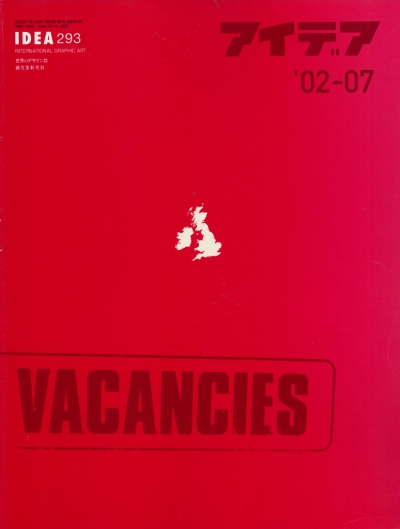
  • IDEA Magazine

    IDEA 293. Stanley Donwood / Vacances. DD-DDD / Dimensions…

  • gerade nicht auf Lager
    An Architektur

    An Architektur 01-03

  • Martina Löw

    Raumsoziologie

  • Pro qm

    Gutschein / Voucher

  • Brian O'Doherty

    In der weissen Zelle. Inside the White Cube

  • Siegfried Kracauer

    Das Ornament der Masse. Essays

Flaming Creatures

Banned soon after its first midnight screenings, the prints seized and the organizers arrested, Jack Smith’s incendiary Flaming Creatures (1963) quickly became a cause célèbre of the New York underground. Championed and defended by Jonas Mekas and Susan Sontag, among others, the film wildly and gleefully transgresses nearly every norm of Hollywood morality and aesthetics. In a surreal and visually dense series of episodes, the titular “creatures” reenact scenes drawn from the collective cinematic unconscious, playing on mainstream film culture’s moral code in a way that is at once a love letter to classical Hollywood and a searing send-up of its absurdities.
Tracing the film’s production and reception history, Constantine Verevis argues that it embodies a unique type of cinematic rewriting, one that combines Smith’s multifaceted artistic work with exotic fragments drawn from the cinematic past. This study of Smith’s magnum opus explores its status as a cult film that appropriates the visual texture, erotic nuance, and overt fabrication of old Hollywood exoticism.


Constantine Verevis
Flaming Creatures
Wallflower, 2020
gerade nicht auf Lager