


Direkt zum Inhalt

Warenkorb

  • AD

    AD 174. Vol. 75. Nr. 2. Samantha Hardingham. The 1970…

  • An Architektur

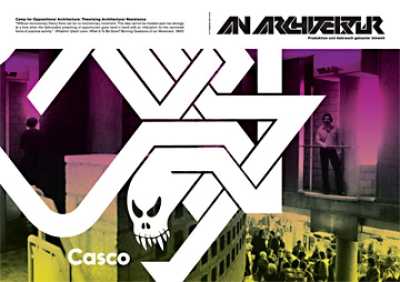
    An Architektur 18: Camp for Oppositional Architecture:…

  • Johan Frederik Hartle

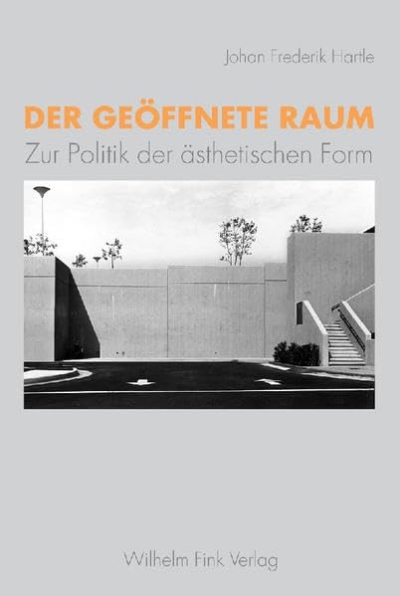
    Der geöffnete Raum. Zur Politik der ästhetischen Form

  • Jörg Dünne, Stephan Günzel (Hg.)

    Raumtheorie. Grundlagentexte aus Philosophie und…

  • An Architektur

    An Architektur 16-17

  • Vera Beyer, Jutta Voorhoeve, Anselm…

    Das Bild ist der König. Repräsentation nach Louis Marin

  • An Architektur

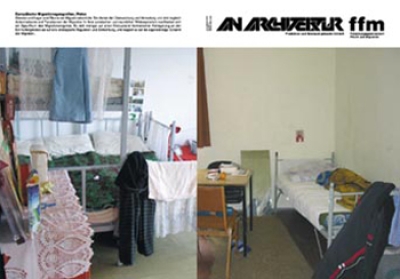
    An Architektur 15 / FFM 11: Europäische…

  • Orhan Esen, Stephan Lanz (Hg)

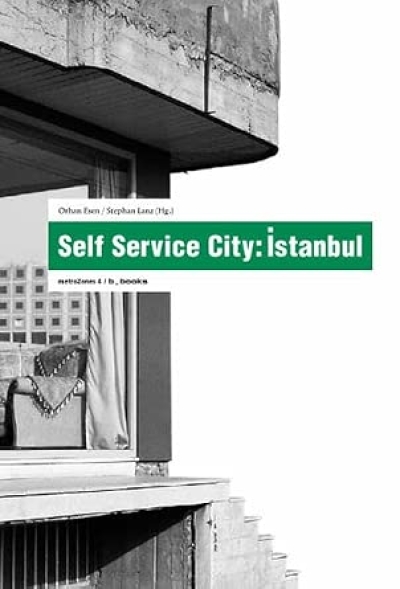
    Self Service City. Istanbul (metrozones 4)

  • An Architektur

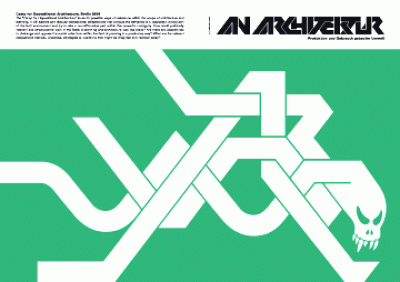
    An Architektur 14: Camp for Oppositional Architecture

  • Stephan Lanz (Hg.)

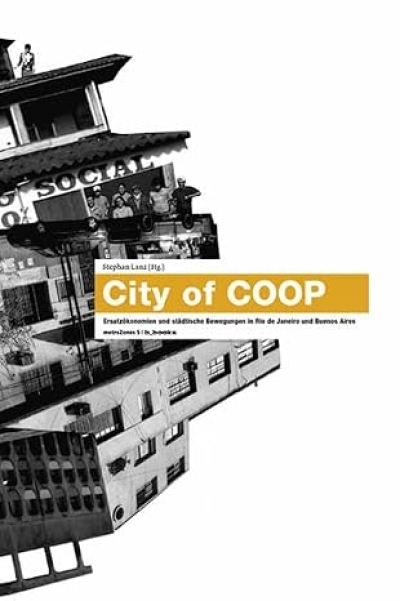
    City of COOP. Ersatzökonomiern und städtische Bewegungen in…

  • An Architektur

    An Architektur 11-13: Theorie und Praxis der Kartografie

  • An Architektur

    An Architektur 10: Gemeinschaftsräume

  • Jochen Becker, Stephan Lanz (Hg.)

    Space//Troubles. Jenseits des Guten Regierens:…

  • Sarai media lab

    Sarai Reader 03: shaping technologies

  • An Architektur

    An Architektur 04-09: Krieg und die Produktion von Raum

  • IDEA Magazine

    IDEA 296. Books <preposition> graphic design

  • IDEA Magazine

    IDEA 293. Stanley Donwood / Vacances. DD-DDD / Dimensions…

  • gerade nicht auf Lager
    An Architektur

    An Architektur 01-03

  • Martina Löw

    Raumsoziologie

  • Pro qm

    Gutschein / Voucher

  • Brian O'Doherty

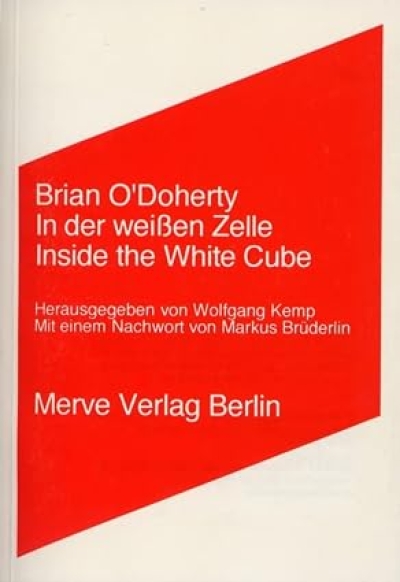
    In der weissen Zelle. Inside the White Cube

  • gerade nicht auf Lager
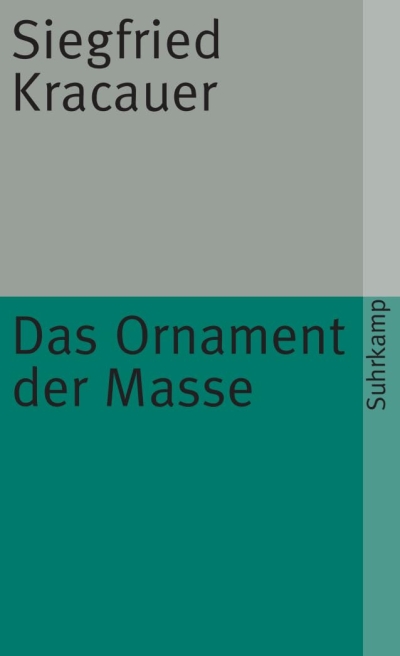
    Siegfried Kracauer

    Das Ornament der Masse. Essays

Against the Double Blackmail: Refugees, Terror and Other Troubles with the Neighbours

Today, hundreds of thousands of people, desperate to escape war, violence and poverty, are crossing the Mediterranean to seek refuge in Europe. Our response from our protected European standpoint, argues Slavoj Zizek, offers two versions of ideological blackmail: either we open our doors as widely as possible; or we try to pull up the drawbridge. Both solutions are bad, states Zizek. They merely prolong the problem, rather than tackling it. The refugee crisis also presents an opportunity, a unique chance for Europe to redefine itself: but, if we are to do so, we have to start raising unpleasant and difficult questions. We must also acknowledge that large migrations are our future: only then can we commit to a carefully prepared process of change, one founded not on a community that see the excluded as a threat, but one that takes as its basis the shared substance of our social being. The only way, in other words, to get to the heart of one of the greatest issues confronting Europe today is to insist on the global solidarity of the exploited and oppressed. Maybe such solidarity is a utopia. But, warns Zizek, if we don't engage in it, then we are really lost. And we will deserve to be lost.


Slavoj Zizek
Against the Double Blackmail: Refugees, Terror and Other Troubles with the Neighbours
Penguin, 2016, 9780241278840
gerade nicht auf Lager