



Direkt zum Inhalt

Warenkorb

  • Antonio Negri

    The Porcelain Workshop. For a New Grammar of Politics

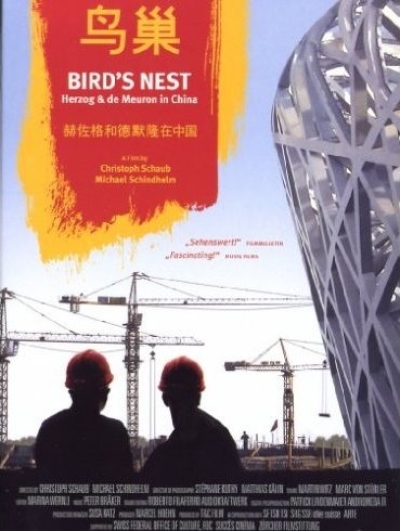
  • Christoph Schaub, Michael Schindhelm

    Bird's Nest (DVD, 87 min.). Jacques Herzog und Pierre…

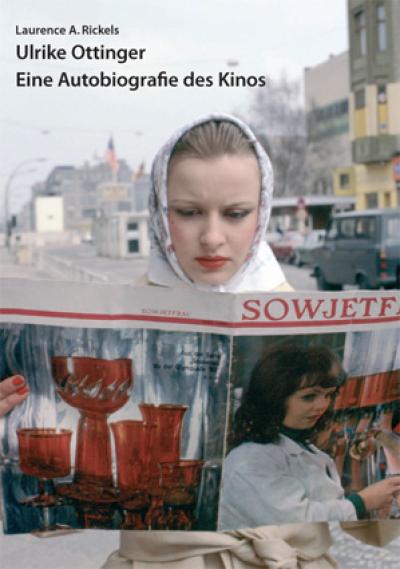
  • Laurence A. Rickels

    Ulrike Ottinger. Eine Autobiografie

  • N. John Habraken, Arnulf Lüchinger

    Die Träger und die Menschen. Das Ende des Massenwohnungsbau…

  • gerade nicht auf Lager
    Guy Debord

    Comments on the Society of the Spectacle

  • Michel de Certeau

    Kunst des Handelns

  • Alain Badiou

    Wofür steht der Name Sarkozy?

  • gerade nicht auf Lager
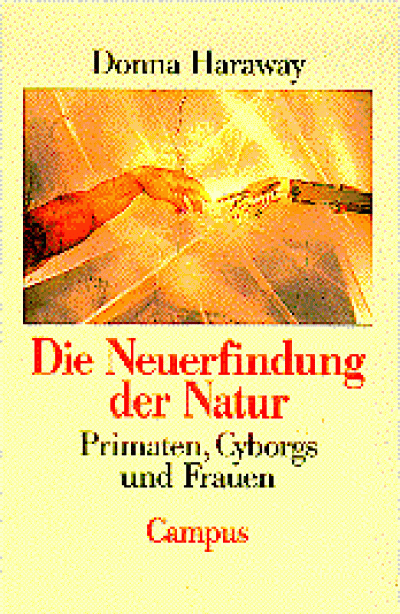
    Donna Haraway

    Die Neuerfindung der Natur. Primaten, Cyborgs und Frauen.

  • gerade nicht auf Lager
    Stefanie Schulte Strathaus, Florian…

    Wer sagt denn, dass Beton nicht brennt, hast Du’s probiert?

  • gerade nicht auf Lager
    Henri Lefebvre

    Writings on Cities

  • Loretta Napoleoni

    Rogue Economics. Capitalism's New Reality

  • AD

    AD 174. Vol. 75. Nr. 2. Samantha Hardingham. The 1970…

  • An Architektur

    An Architektur 18: Camp for Oppositional Architecture:…

  • Johan Frederik Hartle

    Der geöffnete Raum. Zur Politik der ästhetischen Form

  • An Architektur

    An Architektur 16-17

  • Vera Beyer, Jutta Voorhoeve, Anselm…

    Das Bild ist der König. Repräsentation nach Louis Marin

  • An Architektur

    An Architektur 15 / FFM 11: Europäische…

  • An Architektur

    An Architektur 14: Camp for Oppositional Architecture

  • An Architektur

    An Architektur 11-13: Theorie und Praxis der Kartografie

  • An Architektur

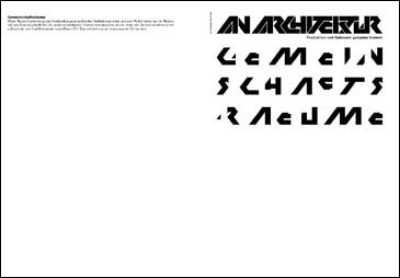
    An Architektur 10: Gemeinschaftsräume

  • An Architektur

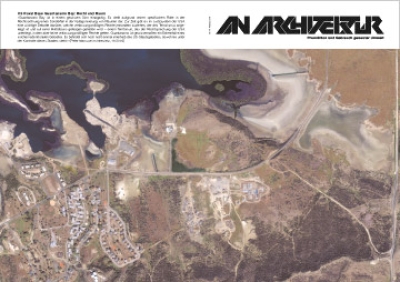
    An Architektur 04-09: Krieg und die Produktion von Raum

  • IDEA Magazine

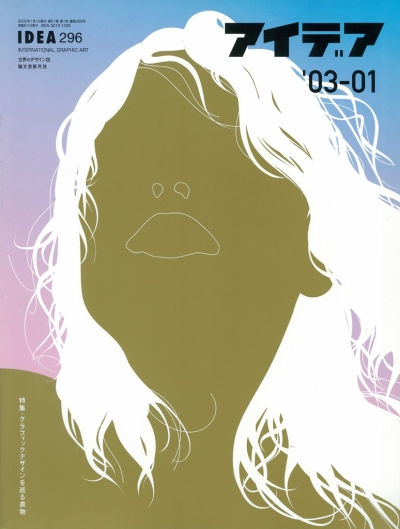
    IDEA 296. Books <preposition> graphic design

  • IDEA Magazine

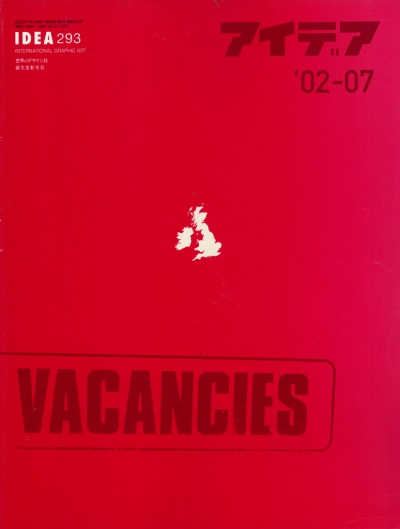
    IDEA 293. Stanley Donwood / Vacances. DD-DDD / Dimensions…

  • gerade nicht auf Lager
    An Architektur

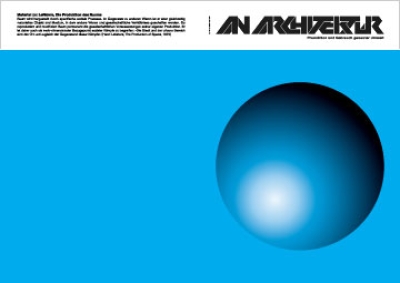
    An Architektur 01-03

  • Pro qm

    Gutschein / Voucher

  • Siegfried Kracauer

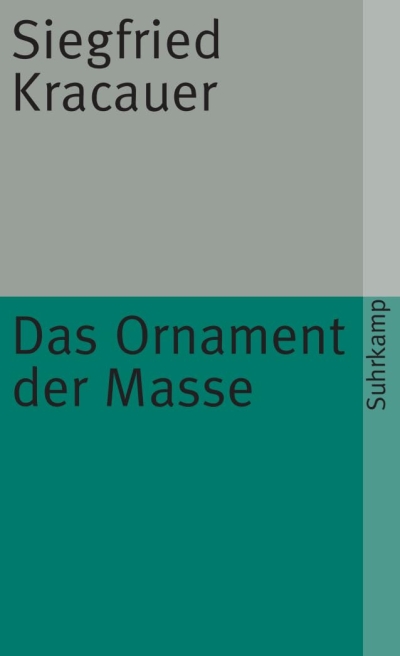
    Das Ornament der Masse. Essays

Border-Land-Scapes

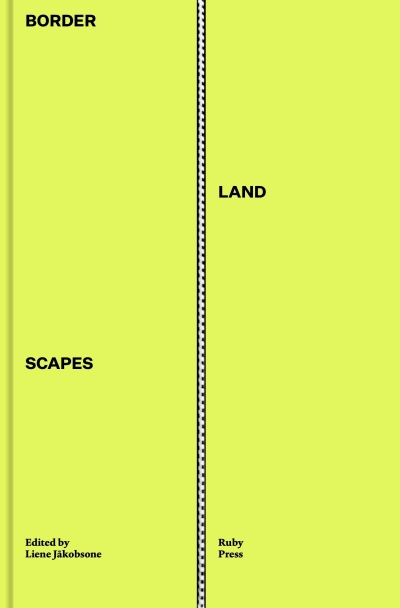
Beginning at Europe’s eastern edge in Latvia, the book traces how militarization reshapes not only territory but also everyday life, perception, and our relationship to space itself. Once imagined as abstract lines on maps, borders increasingly materialize in the landscape through fences, surveillance systems, watchtowers, barriers, and expanding defense infrastructure. Their presence transforms places, communities, and the meaning of belonging. Rooted in architectural inquiry yet reaching beyond its discipline, this book explores the intersection of conflict, spatial planning, political power, and the built environment. It reflects on how violence and security measures alter cultivated and natural environments alike, revealing landscapes as active participants in geopolitical change rather than passive backdrops. Triggered by the changing realities of Europe following Russia’s aggression in Ukraine and broader shifts in regional security, the book expands the topic to examine wider patterns of defense, segregation, and territorial control. What emerges is both a critical investigation and an invitation: to reconsider the spaces we inhabit, to question how borders are made visible, and to reflect on the landscapes that quietly absorb the consequences of fear, protection, and power. A book about borders ― and the landscapes they leave behind.


Liene Jākobsone (ed.)
Border-Land-Scapes
Ruby Press, 2026, 978-3-944074-71-9
30,00 €