








Direkt zum Inhalt

Warenkorb

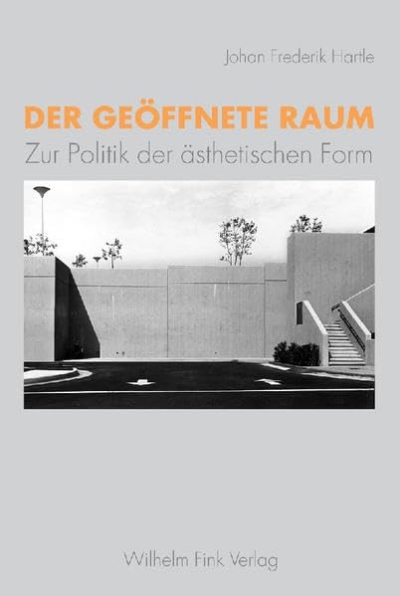
  • Johan Frederik Hartle

    Der geöffnete Raum. Zur Politik der ästhetischen Form

  • Jörg Dünne, Stephan Günzel (Hg.)

    Raumtheorie. Grundlagentexte aus Philosophie und…

  • An Architektur

    An Architektur 16-17

  • Vera Beyer, Jutta Voorhoeve, Anselm…

    Das Bild ist der König. Repräsentation nach Louis Marin

  • An Architektur

    An Architektur 15 / FFM 11: Europäische…

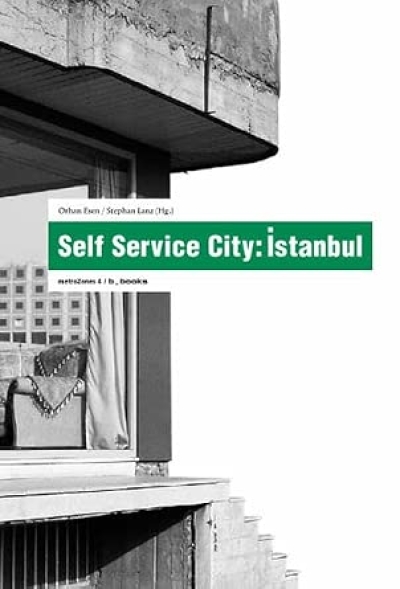
  • Orhan Esen, Stephan Lanz (Hg)

    Self Service City. Istanbul (metrozones 4)

  • An Architektur

    An Architektur 14: Camp for Oppositional Architecture

  • Stephan Lanz (Hg.)

    City of COOP. Ersatzökonomiern und städtische Bewegungen in…

  • An Architektur

    An Architektur 11-13: Theorie und Praxis der Kartografie

  • An Architektur

    An Architektur 10: Gemeinschaftsräume

  • Jochen Becker, Stephan Lanz (Hg.)

    Space//Troubles. Jenseits des Guten Regierens:…

  • Sarai media lab

    Sarai Reader 03: shaping technologies

  • An Architektur

    An Architektur 04-09: Krieg und die Produktion von Raum

  • IDEA Magazine

    IDEA 296. Books <preposition> graphic design

  • IDEA Magazine

    IDEA 293. Stanley Donwood / Vacances. DD-DDD / Dimensions…

  • gerade nicht auf Lager
    An Architektur

    An Architektur 01-03

  • Martina Löw

    Raumsoziologie

  • Pro qm

    Gutschein / Voucher

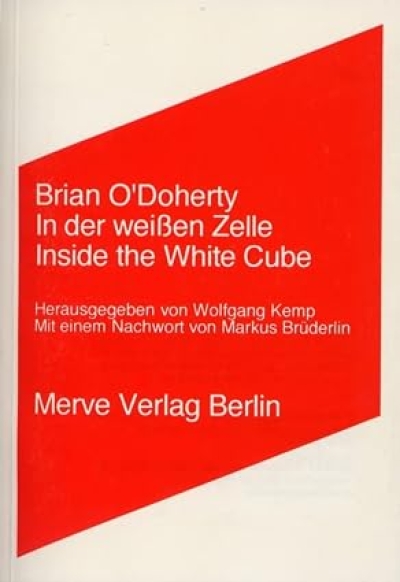
  • Brian O'Doherty

    In der weissen Zelle. Inside the White Cube

  • gerade nicht auf Lager
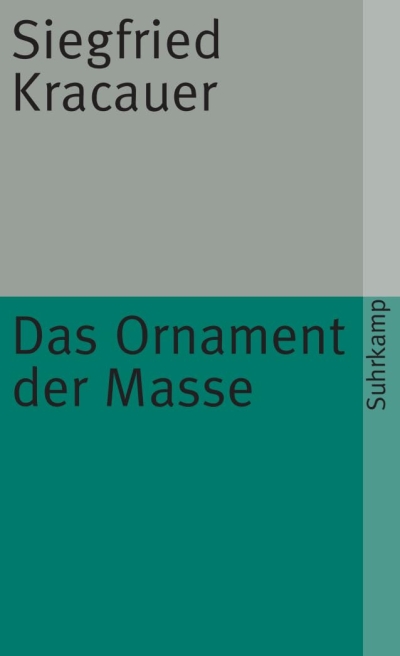
    Siegfried Kracauer

    Das Ornament der Masse. Essays

The New Populism: Democracy Stares into the Abyss

The word 'populism' has come to cover all manner of sins. Yet despite the prevalence of its use, it is often difficult to understand what connects its various supposed expressions. From Syriza to Trump and from Podemos to Brexit, the electoral earthquakes of recent years have often been grouped under this term. But what actually defines 'populism'? Is it an ideology, a form of organisation, or a mentality?
Marco Revelli seeks to answer this question by getting to grips with the historical dynamics of so-called 'populist' movements. While in the early days of democracy, populism sought to represent classes and social layers who asserted their political role for the first time, in today's post-democratic climate, it instead expresses the grievances of those who had until recently felt that they were included.
Having lost their power, the disinherited embrace not a political alternative to -isms like liberalism or socialism, but a populist mood of discontent. The new populism is the 'formless form' that protest and grievance assume in the era of financialisation, in the era where the atomised masses lack voice or organisation. For Revelli, this new populism the child of an age in which the Left has been hollowed out and lost its capacity to offer an alternative.


Marco Revelli
The New Populism: Democracy Stares into the Abyss
Verso, 2019, 9781788734509
gerade nicht auf Lager