

Direkt zum Inhalt

Warenkorb

  • gerade nicht auf Lager
    Edited by Beatriz Colomina with Nick…

    Sick Architecture

  • gerade nicht auf Lager
    Simon Unwin

    What Student Architects Should Do

  • Amy Ireland, Maya B. Kronic

    Cuter Akzelerationismus

  • Elbe Trakal (Hg.)

    Zwischen Tätigkeiten Berichte

  • Stiftung Bauhaus Dessau (Hg.)

    On Behalf of the Environment. Pedagogies of Unrest. Bauhaus…

  • Aaron Betsky

    Assemble. Building Collective

  • Catherine Bedard, Lea-Catherine Szacka

    Crossed Histories: Gae Aulenti, Ada Louise Huxtable,…

  • Paul Guillibert

    Anthropocene Communism

  • Ralf Hoffrogge

    Das laute Berlin. Deutsche Wohnen & Co enteignen und…

  • Cara Hähl-Pfeifer, Damjan Kokalevski,…

    City in the Cloud – Data on the Ground. Architektur und…

  • dérive

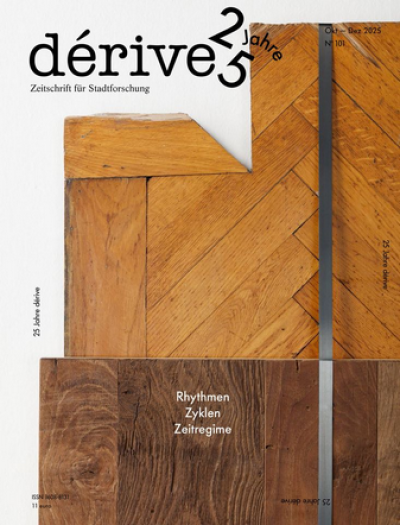
    dérive N° 101, Rhythmen, Zyklen, Zeitregime (Okt - Dez 2025)

  • Bernard Stiegler. Translated by Daniel…

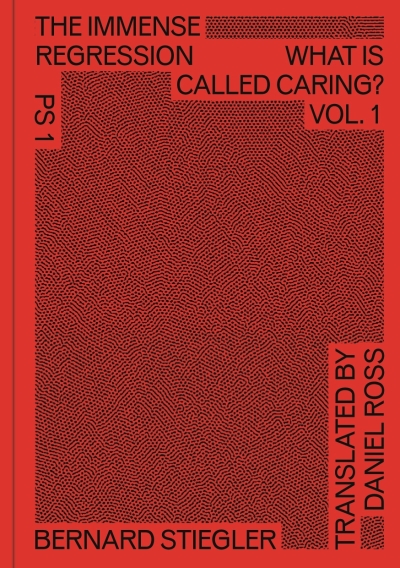
    Bernard Stiegler, The Immense Regression: What Is Called…

  • Spike

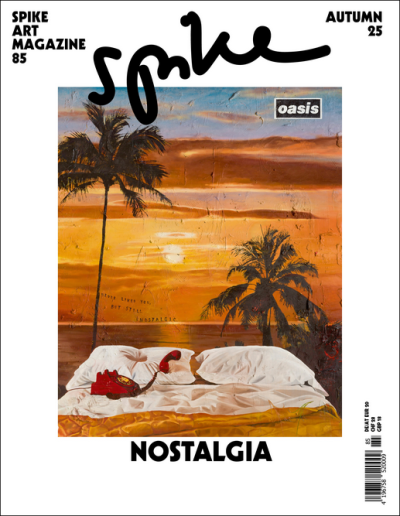
    Spike Art Magazine Issue 85 Nostalgia

  • Hito Steyerl

    Medium Hot. Bilder in Zeiten der Hitze

  • Ludovic Balland, Francesca Mautone,…

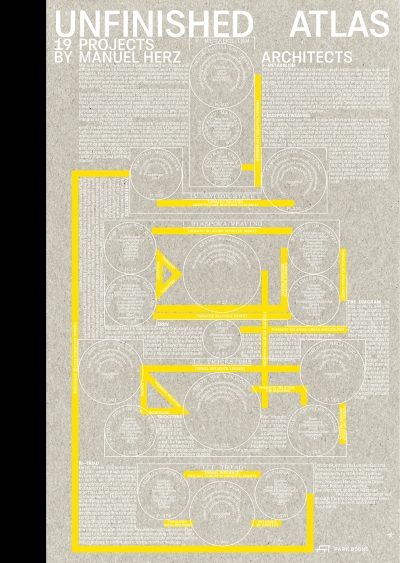
    Unfinished Atlas. 19 Projects by Manuel Herz Architects

  • Emanuel Christ, Victoria Easton, Giulio…

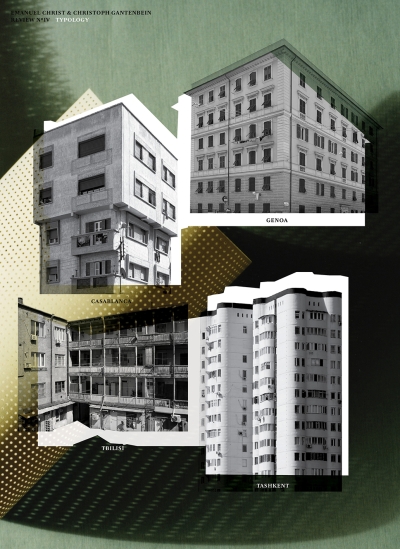
    Review No IV. Typology - Tashkent, Genoa, Tbilisi,…

  • Jeppe Ugelvig (Ed.), Bill Kouligas,…

    Viscose Journal 08. Sound

  • András Szántó

    The Future of the Art World. 38 Dialogues

  • Lucius Burckhardt, Martin Schmitz (Hg)

    Lucius Burckhardt und der Werkbund

  • Olaf Bahner, Laura Holzberg, Bund…

    Baustelle Transformation. Zehn Strategien für Stadt und Land

  • Sandro Mezzadra, Brett Neilson

    Der Rest und der Westen. Kapital und Macht in einer…

  • Anja Lutz, Soraya Guimarães Hoepfner (…

    On the Edges of Graphic Design from A—Z—∞. A Space for…

  • Elke Couchez & Hamish Lonergan

    This Is Not a Summer School. The International Laboratory…

  • Matter Of (eds.)

    New New Typography. Adventures in Transborder Typography

  • gerade nicht auf Lager
    Wilfried Kuehn, Dubravka Sekulić (eds.)

    Curatorial Design. A Place Between

  • Nigel Cottier (ed.)

    Alphabetical Playground

  • gerade nicht auf Lager
    Quang Vinh Nguyen, Émilie Laystary (…

    Vietnamese Objects. The material culture of resilience in…

  • Helen Hester, Will Stronge

    Post-work. What It Is, Why It Matters and How We Get There

  • gerade nicht auf Lager
    Terrassen

    Yvonne Rainer. Privilege - Yvonne Rainer Filmography

  • Eva Stricker, Dirk Bayer, Jürgen Graf,…

    Wege zur Bauwende. Klima- und ressourcenschonend…

  • Carlo Bramanti

    Conspiratorial Design. Information design for the bigger…

  • Mona Schieren, Oscar Svanelid

    Lygia Clarks künstlerische Methode der Strukturierung des…

  • Andreas Broeckmann

    The Making of Les Immatériaux

  • Stiftung Bauhaus Dessau, Regina Bittner…

    Not a Penguin Pool Echoes of More-Than-Human Entanglements…

  • Sandra Hofmeister (Hg)

    Architektur und Klimawandel (Vol. 2). 20 Interviews zur…

  • Blaise Agüera y Arcas

    What Is Life? Evolution as Computation

  • gerade nicht auf Lager
    Kristoffer Tjalve, Elliott Cost (Eds.)

    Internet Phone Book. A directory for exploring the vast…

  • Thomas Wüthrich, Yves Raschle

    Nachhaltige Designprozesse. Leitfaden für die…

  • Hans Teerds

    Space Is Politics. A Manifesto on Architecture

  • Elizabeth A. Wilson (Autorin),…

    Maschinenaffekte

  • Félix Guattari (Autor), Volker Bernhard…

    Die subjektive Stadt. Schriften zu Architektur und…

  • Arch+

    ARCH+ 261 Stadtumbau – Schulen der Transformation (…

  • Jonas Deuter

    Karl Gerstner: Der Traum vom Absoluten. Struktur und…

  • IDEA Magazine

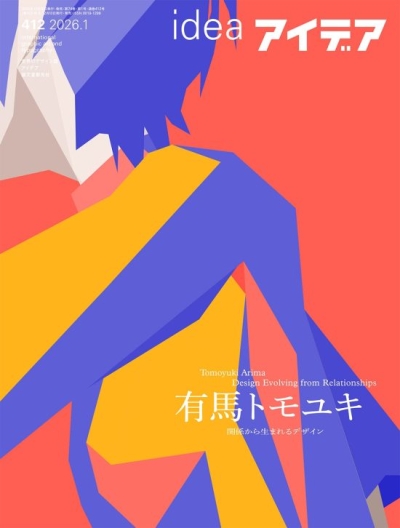
    Idea 411. Written Form & Letter Design: Decoding the…

  • Annette Gilbert, Andreas Bülhoff (Hg)

    Library of Artistic Print on Demand. Post-Digital…

  • Dagmar Pelger

    Spatial Commons. On the Communalization of Urban Spaces

  • Caroline Böttcher

    Mont Klamott. Berliner Trümmerberge

  • Dagmar Herzog

    Der neue faschistische Körper

  • gerade nicht auf Lager
    DAS MINSK Kunsthaus in Potsdam (Hg)

    Wohnkomplex. Kunst und Leben im Plattenbau

  • Mark D. Linder

    That's Brutal, What's Modern? The Smithsons,…

  • Katherine Ball

    The Water Runs Through Us. Experimental Water Filtration…

  • Stefan Nowotny (Hg)

    Praxis des Institutionellen und Politik. Jean Oury / Félix…

  • Francois J. Bonnet, Bartolomé Sanson

    Spectres V. Diffusion

  • Vivian Liska (ed)

    Eva Meyer. Remembering Forward

  • Bethan Hughes

    Bethan Hughes. Elastic Continuum

  • Ilaria Bombelli (Hg)

    Vika Kirchenbauer. Compassion and Inconvenience

  • Lorenzo De Chiffre, Artem Kitaev, Eva…

    Reuse in Teaching. The Future of the Architectural Design…

  • gerade nicht auf Lager
    Jack Self (Ed.)

    Real Review #17

  • Filippo Pagliani, Michele Rossi,…

    The Reinventing Heritage. A Design Compass on Adaptive Reuse

  • Cornelia Wild (Hg)

    Medium Wolke. Figur, Phänomen, Objekt

  • gerade nicht auf Lager
    Neda Atanasoski, Nassim Parvin (Hg)

    Technocreep and the Politics of Things Not Seen

  • Renée Levine Packer, Mary Jane Leach (…

    Gay Guerrilla - Julius Eastman and His Music

  • Manfredo di Robilant, Manuel Orazi

    Gio Ponti. More than One. Critic, Editor, Graphic Artist,…

  • Clare Croft

    Jill Johnston in Motion. Dance, Writing, and Lesbian Life

  • Soma Chaudhuri, Jane Ward (Hg)

    The Witch Studies Reader

  • gerade nicht auf Lager
    Okwui Enwezor, Atreyee Gupta (Hg)

    Postwar Revisited. A Global Art History

  • Marcus S. Kleiner

    Keine Macht für Niemand. Pop und Politik in Deutschland

  • Judith Butler

    Wer hat Angst vor Gender?

  • gerade nicht auf Lager
    Melanie Sehgal and Alex Wilkie (Eds)

    More-Than-Human Aesthetics. Venturing Beyond the…

  • Katrin Trautwein

    Working with Color. Library of 400 Combinations

  • Prem Krishnamurthy, Asad Raza (Hg)

    How Can We Gather Now?

  • Luïza Luz

    Beneath the Surface. Deep Listening, Buried Narratives, and…

  • Hg. von Nina Gerlach, Simon Vagts,…

    Zwischen Pixel und Pigment: Malerei in der postdigitalen…

  • gerade nicht auf Lager
    Charlotte Malterre-Barthes / Eds.:…

    A Moratorium on New Construction. Charlotte Malterre-Barthes

  • Bildungskollektiv Biko

    Kunst, Spektakel und Revolution No. 9.

  • Maya Indira Ganesh

    AUTO-CORRECT. The Fantasies and Failures of AI, Ethics, and…

  • gerade nicht auf Lager
    Jessica Backsell

    Provoking the Freeport Magic: Art Assemblage in Late…

  • gerade nicht auf Lager
    Henriette Waal, Clemens Driessen (Hg)

    Water Works. Eco-Social Design

  • Josephine Berry

    Planetary Realism. Art Against Apocalypse

  • gerade nicht auf Lager
    Nils C. Kumkar

    Polarisierung. Die Ordnung der Politik

  • Clément Gilles, Coloco, Civic City (Hg)

    Planetary Gardener. Life First

  • Philipp Rhensius, Janina Neustupny,…

    Home is Where the Heart Strives

  • Nick Axel, Silvia Franceschini,…

    Chronograms of Architecture

  • Nick Axel, Javier Peña Ibáñez (eds.)

    Concéntrico. Urban Innovation Laboratory

  • Jamie-Scott Baxter / Anna Juliane…

    Spacetimes Matter. A Collection of Mapping Methodologies

  • Anamarija Batista, Julia Siedle

    Rethinking Obsolete Typologies. Transformation Potentials…

  • Moisés Puente (Hg)

    2G 94. b+ Arno Brandlhuber, Olaf Grawert, Jonas Janke,…

  • Stanislas Chaillou

    Artificial Intelligence and Architecture. From Research to…

  • gerade nicht auf Lager
    Yasmin Masri

    Near 2,143 McDonald’s via Google Street View: Looking…

  • Jairus Banaji

    Wanting Something Completely Different: 111 Vignettes of…

  • Rosa Barotsi

    Time and the Everyday in Slow Cinema

  • Dominik Mattes, Janina Kehr, Julia…

    Radical Health. Cache 04

  • gerade nicht auf Lager
    Janina Kriszio

    Keep your City real! Stadtfilme zwischen dokumentarischer…

  • Birgit Wiens

    Bühne. Perspektiven der Szenografie und Performance Design…

  • Marcel Bächtiger

    Kino-Obsessionen - Le Corbusier, die Architektur und der…

  • Matas Petrikas

    The Joy of Electronic Music

  • S.E. Eisterer (Ed.)

    In the Daylight of Our Existence. Architectural History and…

  • Rachel Pafe, Mimi Howard (eds.)

    Reading Roses in Constellation

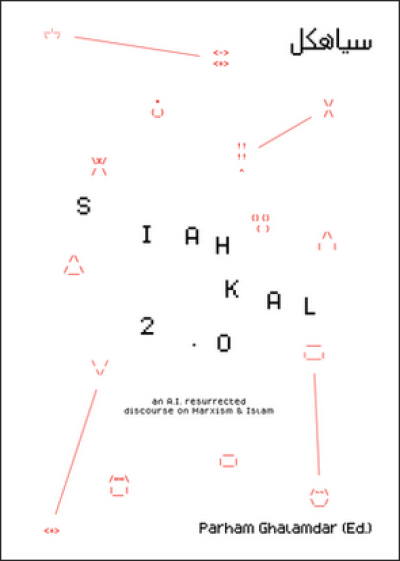
SIAHKAL 2.0: An A.I. resurrected discourse on Marxism & Islam


Siahkal names a place in the forests of Gilan and a threshold in revolutionary time. In 1971 a guerrilla action near Siahkal shook the order of the Shah. The action failed militarily yet seeded a myth for the People’s Fedai Guerrillas. Bizhan Jazani, a founding thinker, wrote and painted in prison and was executed in 1975. His work teaches that strategy rather than sentiment endures. // This book treats Siahkal as a Deep Object, a persistent attractor that gathers memory, images, and tactics. An AI model trained on Jazani’s writings and paintings translates his essay on Islamic Marxism and proposes annotations. The machine functions as a probe that widens attention while remaining accountable to the source. Parham Ghalamdar trained the AI, wrote the introduction, and composed ASCII diagrams and diagrammatic readings from Jazani’s artworks. Parsa Esmaeilzadeh contributes an essay that reads Jazani through Karatani and left accelerationism. // It is a call to reimagine and export revolution as a Deep Object that asks for Deep Time to unfold. This clandestine edition invites the reader to study, test, and build strategy that can outlast the news cycle and meet the future head on.

This is a limited edition book. The author trained an LLM on the texts of a deceased theorist, and then proceeded to interact with the LLM and produce simulations of what the theorist may have said in regards to various pertinent topics. The book is primarily a free online resource, but a few copies are being printed to commemorate the work. It has a foreword and afterword by the Editors.

At the core of this project is a translation of “Marxist Islam or Islamic Marxism,” a groundbreaking text written by Bizhan Jazani during his imprisonment in the 1970s under the Shah’s oppressive regime. Translated by Parham Ghalamdar, this work is accompanied by an introduction contextualizing Jazani’s radical vision. Ghalamdar also contributes a series of ASCII-style illustrations and diagrams—AI-assisted reinterpretations of Jazani’s original paintings and photographs—that bridge the past and present, offering a new perspective on his revolutionary artistry.


About the author
Parham Ghalamdar is a multidisciplinary artist currently based in the UK. Ghalamdar’s work traces forgotten mythologies, buried philosophies, and visual ruins, reconfiguring them into speculative worlds where memory, fiction, and futurism collapse into one another. Drawing on cybernetic theory and generative AI, he explores how systems of feedback, simulation, and machine vision mediate our understanding of history and possibility. Through painting, film, and writing, he builds narratives that feel both ancient and yet-to-come, haunted by lost histories and animated by possible futures.


Siahkal
names a place in the forests of Gilan and a threshold in revolutionary
time. In 1971 a guerrilla action near Siahkal shook the order of the
Shah. The action failed militarily yet seeded a myth for the People’s
Fedai Guerrillas. Bizhan Jazani, a founding thinker, wrote and painted
in prison and was executed in 1975. His work teaches that strategy
rather than sentiment endures. // This book treats Siahkal as a Deep
Object, a persistent attractor that gathers memory, images, and tactics.
An AI model trained on Jazani’s writings and paintings translates his
essay on Islamic Marxism and proposes annotations. The machine functions
as a probe that widens attention while remaining accountable to the
source. Parham Ghalamdar trained the AI, wrote the introduction, and
composed ASCII diagrams and diagrammatic readings from Jazani’s
artworks. Parsa Esmaeilzadeh contributes an essay that reads Jazani
through Karatani and left accelerationism. // It is a call to reimagine
and export revolution as a Deep Object that asks for Deep Time to
unfold. This clandestine edition invites the reader to study, test, and
build strategy that can outlast the news cycle and meet the future head
on.


This is a limited edition book. The author trained an LLM on the texts
of a deceased theorist, and then proceeded to interact with the LLM and
produce simulations of what the theorist may have said in regards to
various pertinent topics. The book is primarily a free online resource,
but a few copies are being printed to commemorate the work. It has a
foreword and afterword by the Editors.


At the core of this project is a translation of “Marxist Islam or
Islamic Marxism,” a groundbreaking text written by Bizhan Jazani during
his imprisonment in the 1970s under the Shah’s oppressive regime.
Translated by Parham Ghalamdar, this work is accompanied by an
introduction contextualizing Jazani’s radical vision. Ghalamdar also
contributes a series of ASCII-style illustrations and
diagrams—AI-assisted reinterpretations of Jazani’s original paintings
and photographs—that bridge the past and present, offering a new
perspective on his revolutionary artistry.


About the author

Parham Ghalamdar is a multidisciplinary artist currently based in the
UK. Ghalamdar’s work traces forgotten mythologies, buried philosophies,
and visual ruins, reconfiguring them into speculative worlds where
memory, fiction, and futurism collapse into one another. Drawing on
cybernetic theory and generative AI, he explores how systems of
feedback, simulation, and machine vision mediate our understanding of
history and possibility. Through painting, film, and writing, he builds
narratives that feel both ancient and yet-to-come, haunted by lost
histories and animated by possible futures.


Siahkal
names a place in the forests of Gilan and a threshold in revolutionary
time. In 1971 a guerrilla action near Siahkal shook the order of the
Shah. The action failed militarily yet seeded a myth for the People’s
Fedai Guerrillas. Bizhan Jazani, a founding thinker, wrote and painted
in prison and was executed in 1975. His work teaches that strategy
rather than sentiment endures. // This book treats Siahkal as a Deep
Object, a persistent attractor that gathers memory, images, and tactics.
An AI model trained on Jazani’s writings and paintings translates his
essay on Islamic Marxism and proposes annotations. The machine functions
as a probe that widens attention while remaining accountable to the
source. Parham Ghalamdar trained the AI, wrote the introduction, and
composed ASCII diagrams and diagrammatic readings from Jazani’s
artworks. Parsa Esmaeilzadeh contributes an essay that reads Jazani
through Karatani and left accelerationism. // It is a call to reimagine
and export revolution as a Deep Object that asks for Deep Time to
unfold. This clandestine edition invites the reader to study, test, and
build strategy that can outlast the news cycle and meet the future head
on.


This is a limited edition book. The author trained an LLM on the texts
of a deceased theorist, and then proceeded to interact with the LLM and
produce simulations of what the theorist may have said in regards to
various pertinent topics. The book is primarily a free online resource,
but a few copies are being printed to commemorate the work. It has a
foreword and afterword by the Editors.


At the core of this project is a translation of “Marxist Islam or
Islamic Marxism,” a groundbreaking text written by Bizhan Jazani during
his imprisonment in the 1970s under the Shah’s oppressive regime.
Translated by Parham Ghalamdar, this work is accompanied by an
introduction contextualizing Jazani’s radical vision. Ghalamdar also
contributes a series of ASCII-style illustrations and
diagrams—AI-assisted reinterpretations of Jazani’s original paintings
and photographs—that bridge the past and present, offering a new
perspective on his revolutionary artistry.


About the author

Parham Ghalamdar is a multidisciplinary artist currently based in the
UK. Ghalamdar’s work traces forgotten mythologies, buried philosophies,
and visual ruins, reconfiguring them into speculative worlds where
memory, fiction, and futurism collapse into one another. Drawing on
cybernetic theory and generative AI, he explores how systems of
feedback, simulation, and machine vision mediate our understanding of
history and possibility. Through painting, film, and writing, he builds
narratives that feel both ancient and yet-to-come, haunted by lost
histories and animated by possible futures.


Siahkal names a place in the forests of Gilan and a threshold in revolutionary time. In 1971 a guerrilla action near Siahkal shook the order of the Shah. The action failed militarily yet seeded a myth for the People’s Fedai Guerrillas. Bizhan Jazani, a founding thinker, wrote and painted in prison and was executed in 1975. His work teaches that strategy rather than sentiment endures. // This book treats Siahkal as a Deep Object, a persistent attractor that gathers memory, images, and tactics. An AI model trained on Jazani’s writings and paintings translates his essay on Islamic Marxism and proposes annotations. The machine functions as a probe that widens attention while remaining accountable to the source. Parham Ghalamdar trained the AI, wrote the introduction, and composed ASCII diagrams and diagrammatic readings from Jazani’s artworks. Parsa Esmaeilzadeh contributes an essay that reads Jazani through Karatani and left accelerationism. // It is a call to reimagine and export revolution as a Deep Object that asks for Deep Time to unfold. This clandestine edition invites the reader to study, test, and build strategy that can outlast the news cycle and meet the future head on.

This is a limited edition book. The author trained an LLM on the texts of a deceased theorist, and then proceeded to interact with the LLM and produce simulations of what the theorist may have said in regards to various pertinent topics. The book is primarily a free online resource, but a few copies are being printed to commemorate the work. It has a foreword and afterword by the Editors. 

At the core of this project is a translation of “Marxist Islam or Islamic Marxism,” a groundbreaking text written by Bizhan Jazani during his imprisonment in the 1970s under the Shah’s oppressive regime. Translated by Parham Ghalamdar, this work is accompanied by an introduction contextualizing Jazani’s radical vision. Ghalamdar also contributes a series of ASCII-style illustrations and diagrams—AI-assisted reinterpretations of Jazani’s original paintings and photographs—that bridge the past and present, offering a new perspective on his revolutionary artistry.


“Bizhan Jazani”, Parham Ghalamdar
SIAHKAL 2.0: An A.I. resurrected discourse on Marxism & Islam
Becoming Press, 2025, 978-9925-8207-7-1
15,00 €