

Direkt zum Inhalt

Warenkorb

  • Johan Frederik Hartle

    Der geöffnete Raum. Zur Politik der ästhetischen Form

  • Jörg Dünne, Stephan Günzel (Hg.)

    Raumtheorie. Grundlagentexte aus Philosophie und…

  • An Architektur

    An Architektur 16-17

  • Vera Beyer, Jutta Voorhoeve, Anselm…

    Das Bild ist der König. Repräsentation nach Louis Marin

  • An Architektur

    An Architektur 15 / FFM 11: Europäische…

  • Orhan Esen, Stephan Lanz (Hg)

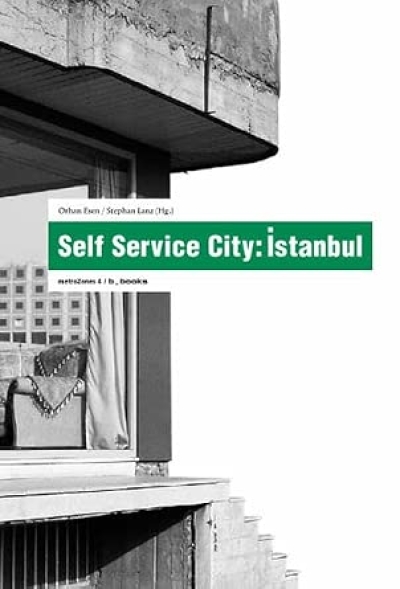
    Self Service City. Istanbul (metrozones 4)

  • An Architektur

    An Architektur 14: Camp for Oppositional Architecture

  • Stephan Lanz (Hg.)

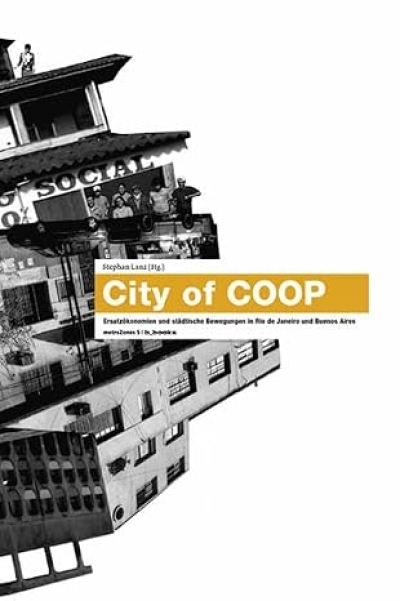
    City of COOP. Ersatzökonomiern und städtische Bewegungen in…

  • An Architektur

    An Architektur 11-13: Theorie und Praxis der Kartografie

  • An Architektur

    An Architektur 10: Gemeinschaftsräume

  • Jochen Becker, Stephan Lanz (Hg.)

    Space//Troubles. Jenseits des Guten Regierens:…

  • Sarai media lab

    Sarai Reader 03: shaping technologies

  • An Architektur

    An Architektur 04-09: Krieg und die Produktion von Raum

  • IDEA Magazine

    IDEA 296. Books <preposition> graphic design

  • IDEA Magazine

    IDEA 293. Stanley Donwood / Vacances. DD-DDD / Dimensions…

  • gerade nicht auf Lager
    An Architektur

    An Architektur 01-03

  • Martina Löw

    Raumsoziologie

  • Pro qm

    Gutschein / Voucher

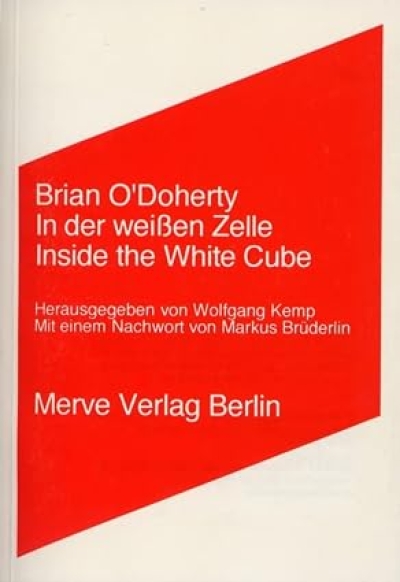
  • Brian O'Doherty

    In der weissen Zelle. Inside the White Cube

  • gerade nicht auf Lager
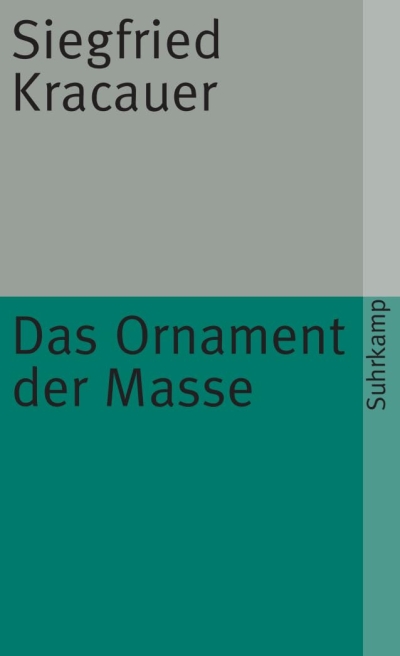
    Siegfried Kracauer

    Das Ornament der Masse. Essays

Materialism and Politics

What remains of materialism’s subversive potential — i.e., its ties with heresy or atheism and republicanism or communism — and to what extent does this concept still interpellate us politically and philosophically?
As neoliberal policies expanded far beyond the state, their mechanisms of control seeped into the materiality of social reproduction, solidifying a conception of matter as something inert, to be appropriated, manipulated, and exploited. If in this context the subversive nature of a reference to materiality is called into question, it has also provoked new forms of resistance, as well as fundamental reconsiderations of the political implications of the notion of ‘matter’.
Against this background, the aim of this book is to show the diversity within continued engagements with materialism as a central concept for progressive politics, be it in the direction opened up by New Materialism, in renewed forms of Marxist and Spinozist based approaches, or in feminist analyses, each in their own terms, without excluding the possibility of alliances between them.
Finally, this volume insists that the study of materiality and materialist approaches does not amount to a renunciation of philosophy, but rather urges us to broaden the task of philosophical thought in order to reconsider the historical and, in every sense of the word, material situatedness of all philosophical problems. Against a reductive and ahistorical conception of materialism — the straightest way back to ideology —, this book offers an analysis of its diverse emancipatory potentialities.


Bernardo Bianchi, Emilie Filion-Donato, Marlon Miguel, Ayşe Yuva (eds.)
Materialism and Politics
ICI Berlin Press, 2021, 978-3-96558-018-3
18,00 €