Direkt zum Inhalt

Warenkorb

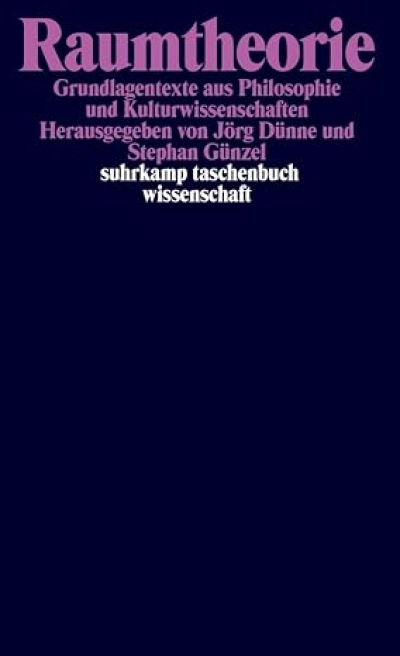
  • Jörg Dünne, Stephan Günzel (Hg.)

    Raumtheorie. Grundlagentexte aus Philosophie und…

  • An Architektur

    An Architektur 16-17

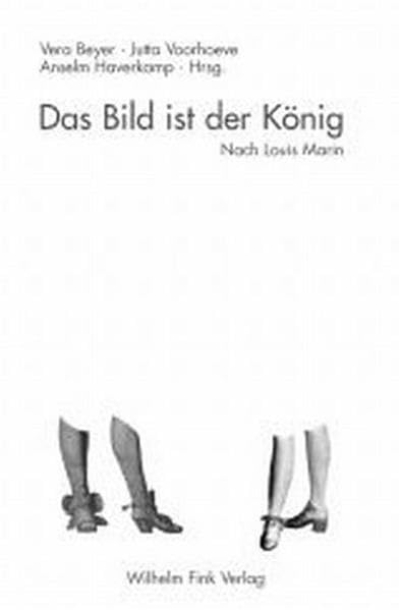
  • Vera Beyer, Jutta Voorhoeve, Anselm…

    Das Bild ist der König. Repräsentation nach Louis Marin

  • An Architektur

    An Architektur 15 / FFM 11: Europäische…

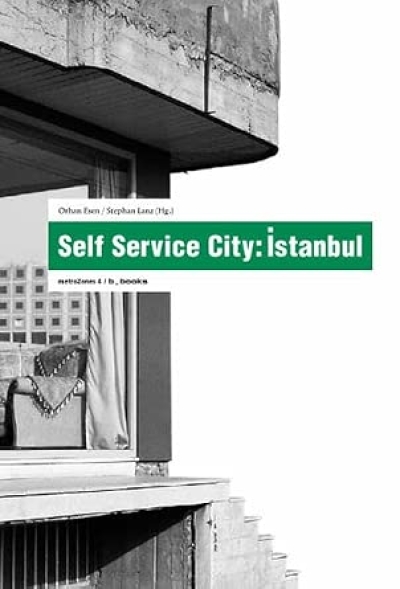
  • Orhan Esen, Stephan Lanz (Hg)

    Self Service City. Istanbul (metrozones 4)

  • An Architektur

    An Architektur 14: Camp for Oppositional Architecture

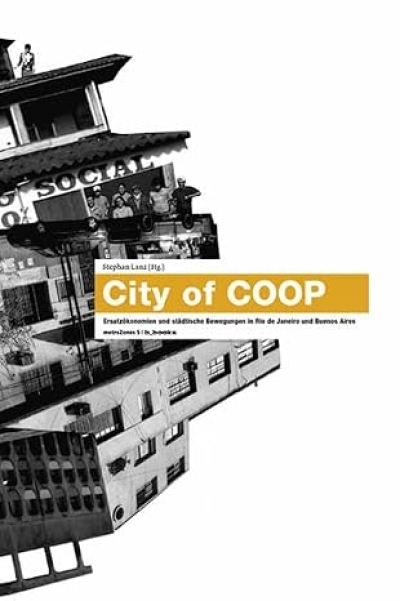
  • Stephan Lanz (Hg.)

    City of COOP. Ersatzökonomiern und städtische Bewegungen in…

  • An Architektur

    An Architektur 11-13: Theorie und Praxis der Kartografie

  • An Architektur

    An Architektur 10: Gemeinschaftsräume

  • Jochen Becker, Stephan Lanz (Hg.)

    Space//Troubles. Jenseits des Guten Regierens:…

  • Sarai media lab

    Sarai Reader 03: shaping technologies

  • An Architektur

    An Architektur 04-09: Krieg und die Produktion von Raum

  • IDEA Magazine

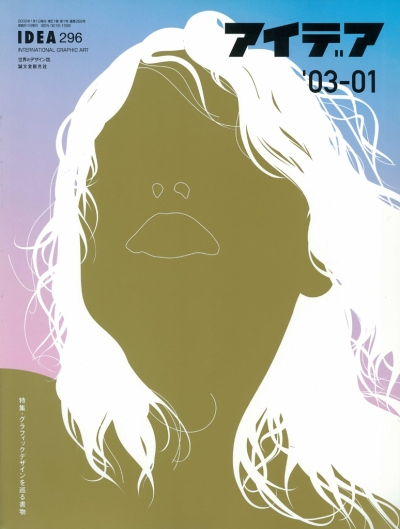
    IDEA 296. Books <preposition> graphic design

  • IDEA Magazine

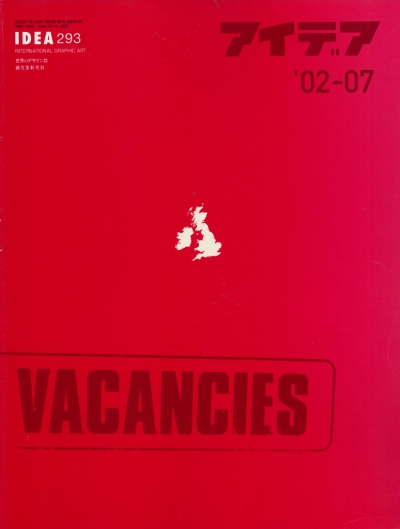
    IDEA 293. Stanley Donwood / Vacances. DD-DDD / Dimensions…

  • gerade nicht auf Lager
    An Architektur

    An Architektur 01-03

  • Martina Löw

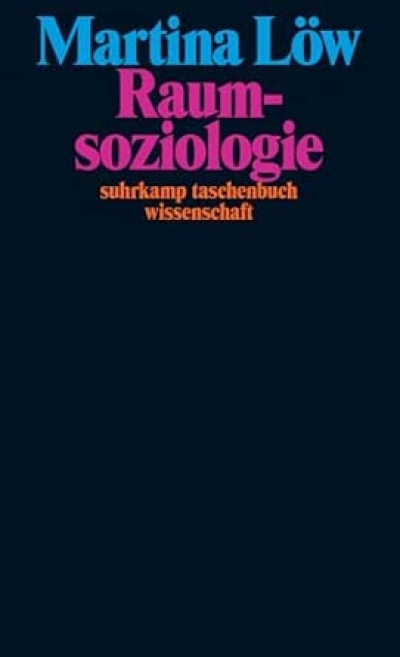
    Raumsoziologie

  • Pro qm

    Gutschein / Voucher

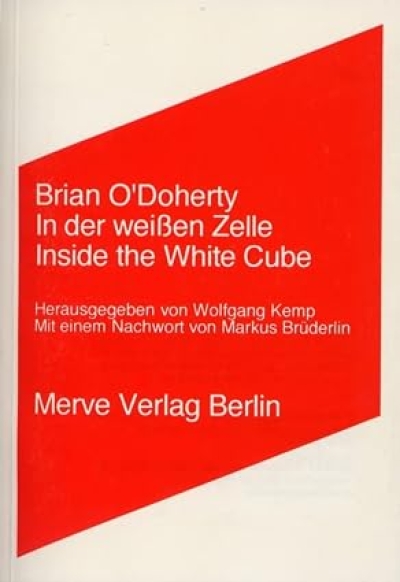
  • Brian O'Doherty

    In der weissen Zelle. Inside the White Cube

  • gerade nicht auf Lager
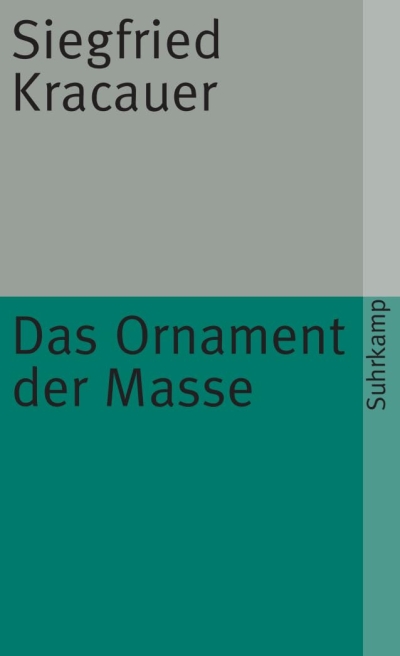
    Siegfried Kracauer

    Das Ornament der Masse. Essays

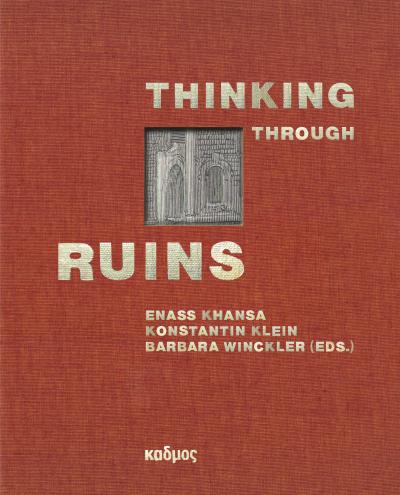
Thinking Through Ruins. Genealogies, Functions, and Interpretations

Ruins have for a long time captured the human imagination and, in one way or another, have been inscribed in a community's memory, history, or lore. This long-standing tradition concerning ruins – be it real or imagined, ancient or modern ones – has resulted in a multitude of reflections and creative interpretations. The discourse on ruins, steeped in tradition as it is, offers a unique vantage point to reflect upon their actual meaning in various societies and disciplines by focusing on how they have been and still are often (mis)used and employed in contemporary debates as powerful symbols and motifs. Tackling questions related to the genealogies, functions, and interpretations of ruins in literary and artistic, political and legal, philosophical and sociological discourses, this book aims at moving the discussion beyond the level of case studies. The contributors examine the perception of ruins and the discourse on decay, destruction, and reconstruction from various disciplinary perspectives, referring to a multitude of ruin-related concepts such as 'longing', 'memory', 'trauma', and 'identity'.


Barbara Winckler, Enass Khansa, Konstantin Klein (Hg.)
Thinking Through Ruins. Genealogies, Functions, and Interpretations
Kadmos, 2022, 978-3-96750-033-2
29,80 €