






Direkt zum Inhalt

Warenkorb

  • gerade nicht auf Lager
    Stefanie Schulte Strathaus, Florian…

    Wer sagt denn, dass Beton nicht brennt, hast Du’s probiert?

  • gerade nicht auf Lager
    Henri Lefebvre

    Writings on Cities

  • Loretta Napoleoni

    Rogue Economics. Capitalism's New Reality

  • AD

    AD 174. Vol. 75. Nr. 2. Samantha Hardingham. The 1970…

  • An Architektur

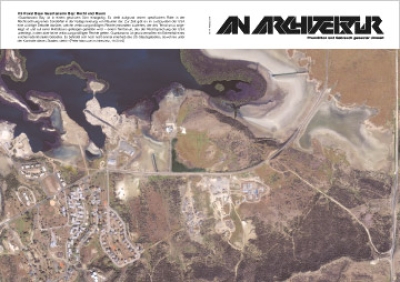
    An Architektur 18: Camp for Oppositional Architecture:…

  • Johan Frederik Hartle

    Der geöffnete Raum. Zur Politik der ästhetischen Form

  • Jörg Dünne, Stephan Günzel (Hg.)

    Raumtheorie. Grundlagentexte aus Philosophie und…

  • An Architektur

    An Architektur 16-17

  • Vera Beyer, Jutta Voorhoeve, Anselm…

    Das Bild ist der König. Repräsentation nach Louis Marin

  • An Architektur

    An Architektur 15 / FFM 11: Europäische…

  • Orhan Esen, Stephan Lanz (Hg)

    Self Service City. Istanbul (metrozones 4)

  • An Architektur

    An Architektur 14: Camp for Oppositional Architecture

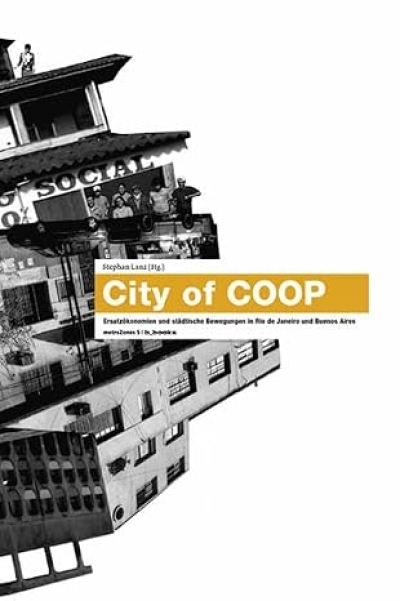
  • Stephan Lanz (Hg.)

    City of COOP. Ersatzökonomiern und städtische Bewegungen in…

  • An Architektur

    An Architektur 11-13: Theorie und Praxis der Kartografie

  • An Architektur

    An Architektur 10: Gemeinschaftsräume

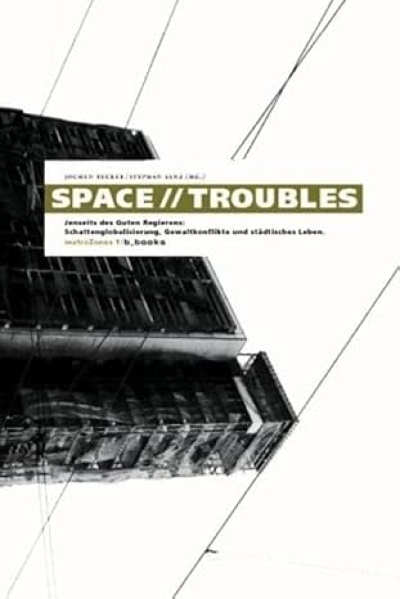
  • Jochen Becker, Stephan Lanz (Hg.)

    Space//Troubles. Jenseits des Guten Regierens:…

  • Sarai media lab

    Sarai Reader 03: shaping technologies

  • An Architektur

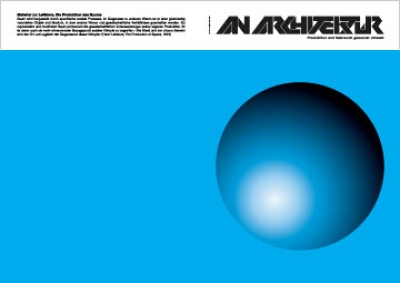
    An Architektur 04-09: Krieg und die Produktion von Raum

  • IDEA Magazine

    IDEA 296. Books <preposition> graphic design

  • IDEA Magazine

    IDEA 293. Stanley Donwood / Vacances. DD-DDD / Dimensions…

  • gerade nicht auf Lager
    An Architektur

    An Architektur 01-03

  • Martina Löw

    Raumsoziologie

  • Pro qm

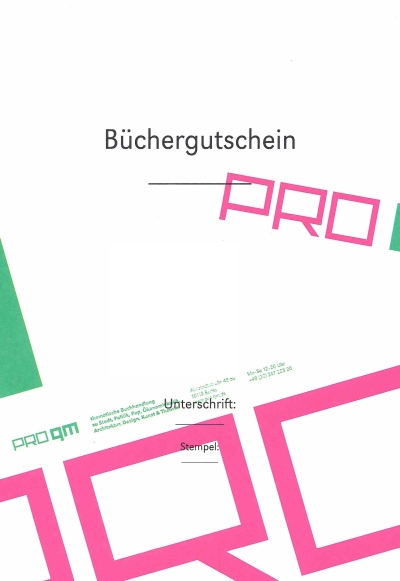
    Gutschein / Voucher

  • Brian O'Doherty

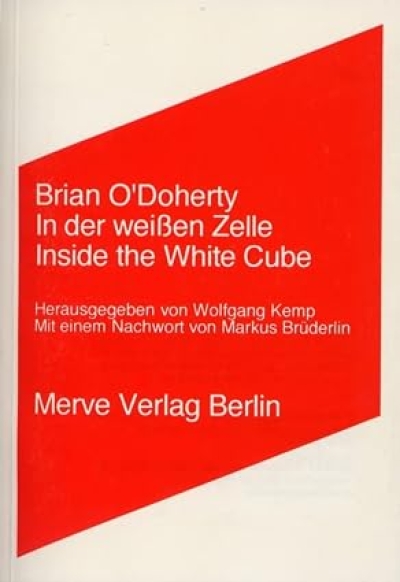
    In der weissen Zelle. Inside the White Cube

  • gerade nicht auf Lager
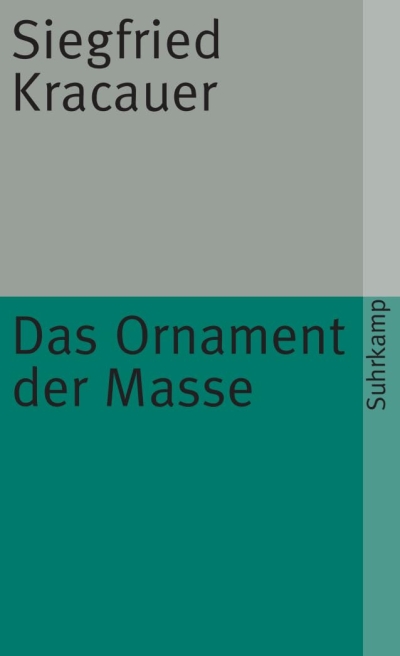
    Siegfried Kracauer

    Das Ornament der Masse. Essays

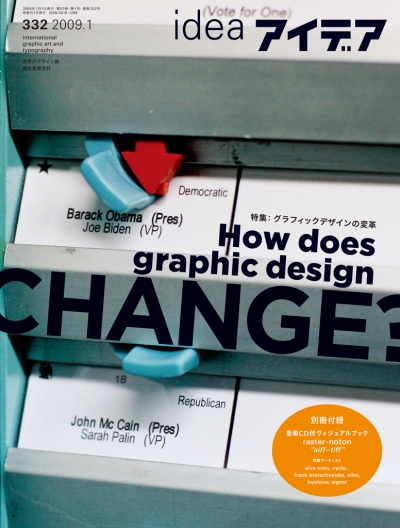
IDEA 332. How does graphic design CHANGE?

Are we not living in a time of change?
More than eighty years have passed since the term “graphic design” was born in the early twentieth century. Nonetheless, the nature of work carried out by graphic designers has not experienced any fundamental change. Yet, it is apparent that the line between the private and public domains of activity is blurring. The movement to acquire autonomy in client-oriented, heteronomous activities as well as the movement to gain a larger public audience for the products of self-initiated, autonomous activities are already underway. These two movements are not isolated from one another but, in fact, intermingle in the daily practice of designers.
So let us ask: in modern society, what mode of production will designers attempt to utilize and, on a daily basis, how will they attempt to construct the world in which they live? The projects gathered here may not lead to a dramatic change that is visible to the eye. But, make no mistake: these projects depict the reality before our eyes.


IDEA Magazine
IDEA 332. How does graphic design CHANGE?
Seibundo Shinkosha, 2009, IDEA332 2009.1
33,50 €