



Direkt zum Inhalt

Warenkorb

  • gerade nicht auf Lager
    Stefanie Schulte Strathaus, Florian…

    Wer sagt denn, dass Beton nicht brennt, hast Du’s probiert?

  • gerade nicht auf Lager
    Henri Lefebvre

    Writings on Cities

  • Loretta Napoleoni

    Rogue Economics. Capitalism's New Reality

  • AD

    AD 174. Vol. 75. Nr. 2. Samantha Hardingham. The 1970…

  • An Architektur

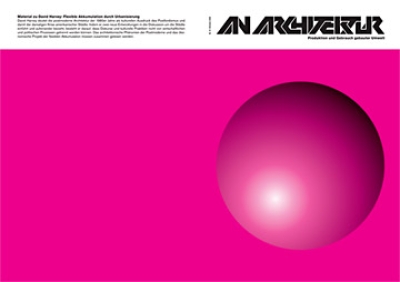
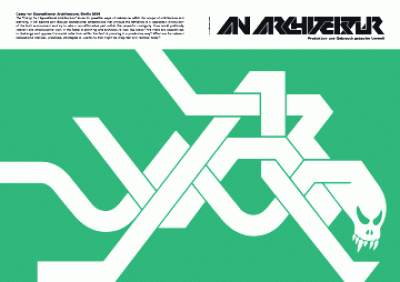
    An Architektur 18: Camp for Oppositional Architecture:…

  • Johan Frederik Hartle

    Der geöffnete Raum. Zur Politik der ästhetischen Form

  • Jörg Dünne, Stephan Günzel (Hg.)

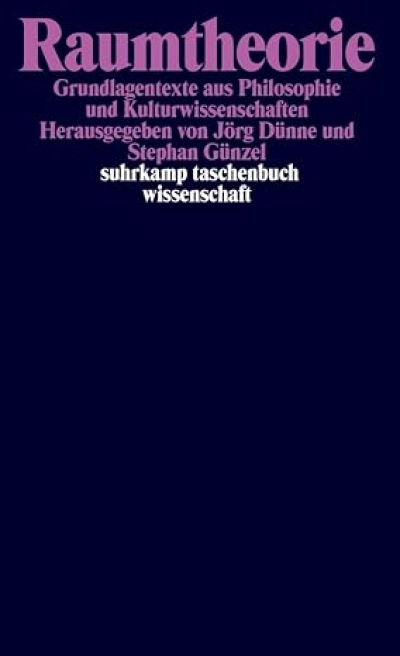
    Raumtheorie. Grundlagentexte aus Philosophie und…

  • An Architektur

    An Architektur 16-17

  • Vera Beyer, Jutta Voorhoeve, Anselm…

    Das Bild ist der König. Repräsentation nach Louis Marin

  • An Architektur

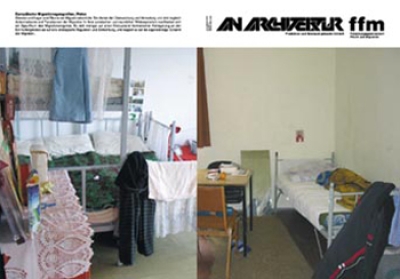
    An Architektur 15 / FFM 11: Europäische…

  • Orhan Esen, Stephan Lanz (Hg)

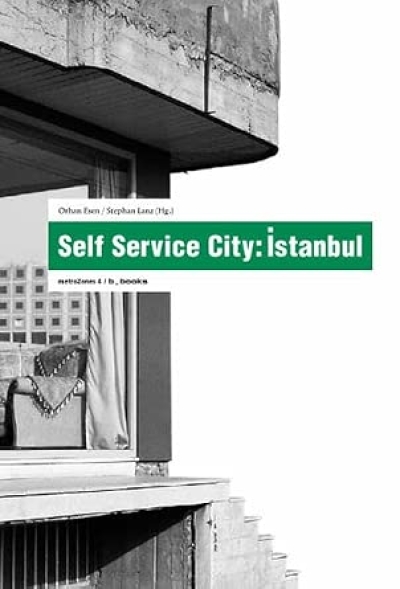
    Self Service City. Istanbul (metrozones 4)

  • An Architektur

    An Architektur 14: Camp for Oppositional Architecture

  • Stephan Lanz (Hg.)

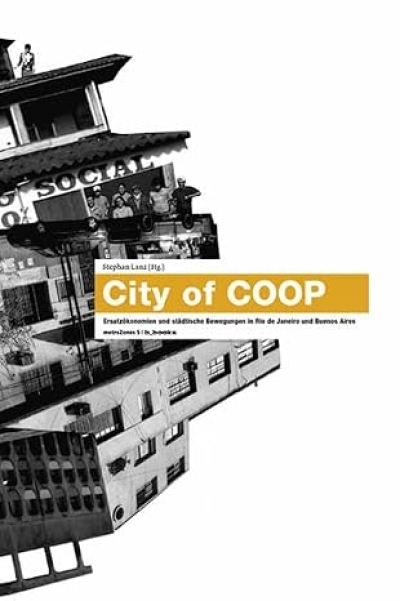
    City of COOP. Ersatzökonomiern und städtische Bewegungen in…

  • An Architektur

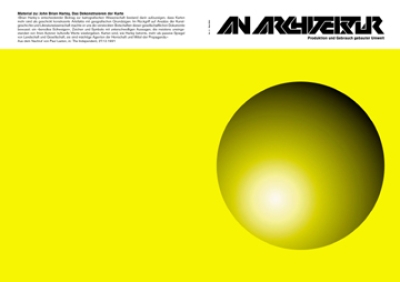
    An Architektur 11-13: Theorie und Praxis der Kartografie

  • An Architektur

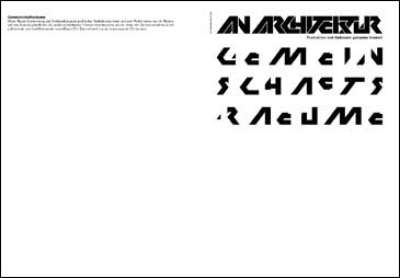
    An Architektur 10: Gemeinschaftsräume

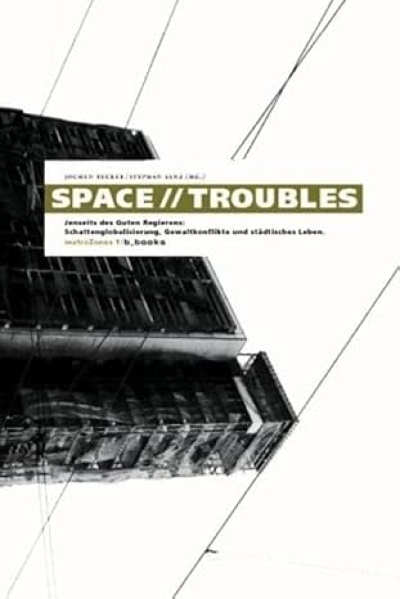
  • Jochen Becker, Stephan Lanz (Hg.)

    Space//Troubles. Jenseits des Guten Regierens:…

  • Sarai media lab

    Sarai Reader 03: shaping technologies

  • An Architektur

    An Architektur 04-09: Krieg und die Produktion von Raum

  • IDEA Magazine

    IDEA 296. Books <preposition> graphic design

  • IDEA Magazine

    IDEA 293. Stanley Donwood / Vacances. DD-DDD / Dimensions…

  • gerade nicht auf Lager
    An Architektur

    An Architektur 01-03

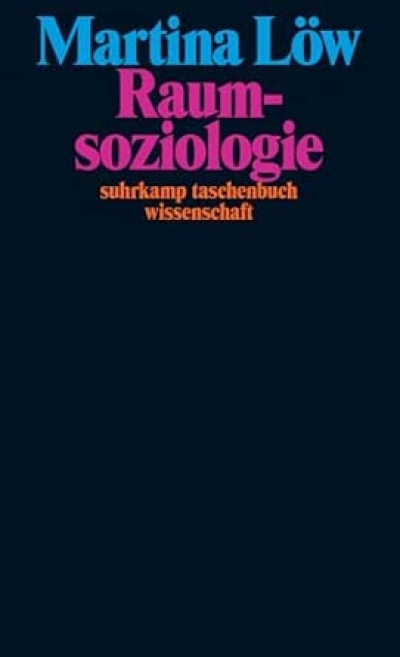
  • Martina Löw

    Raumsoziologie

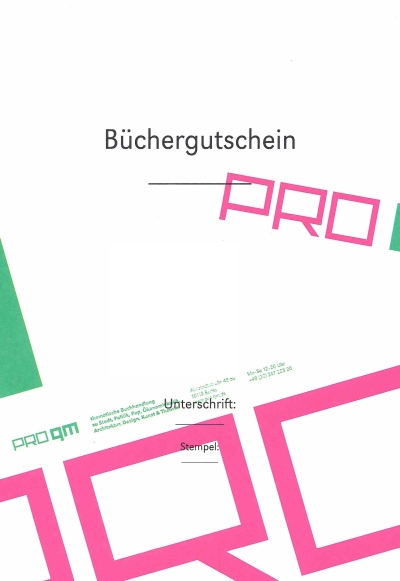
  • Pro qm

    Gutschein / Voucher

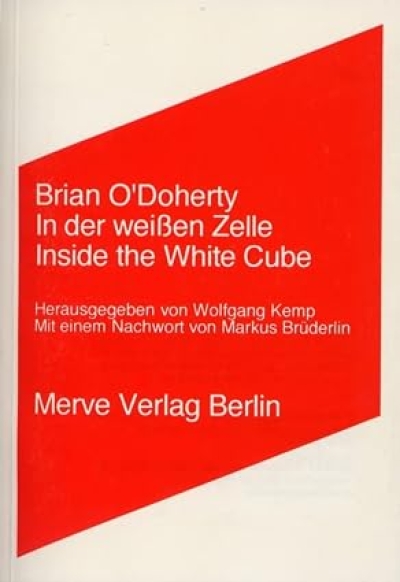
  • Brian O'Doherty

    In der weissen Zelle. Inside the White Cube

  • gerade nicht auf Lager
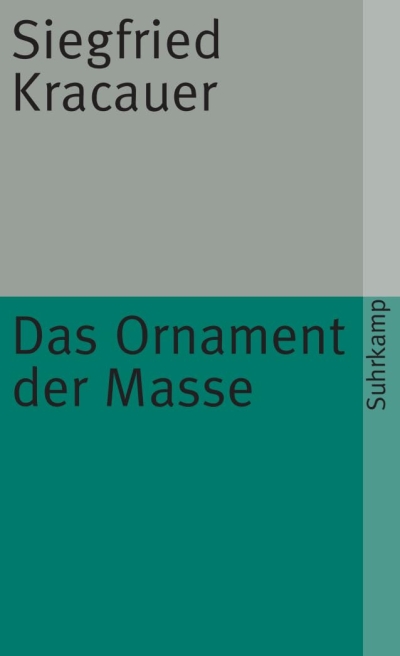
    Siegfried Kracauer

    Das Ornament der Masse. Essays

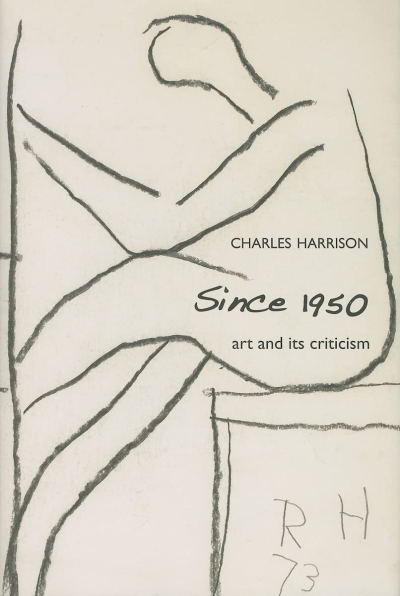
Since 1950. art and its criticsm

Since 1950. art and its criticism

In a series of compelling and finely argued essays, Charles Harrison offers an acute analysis of the seismic shift that took place when the modernist formalism that had underpinned thinking about art in the first half of the century came to be seen as a spent force. Harrison's principal concern is with the circumstances and consequences of that shift—in thought about art, and in criticism. He asks how the diverse art of this period is to be understood and on what basis judgments are to be made about the merits and importance of specific works.


Charles Harrison
Since 1950. art and its criticism
Yale University Press, 2009, 978-0-300-15186-2
25,00 €