


Direkt zum Inhalt

Warenkorb

  • Johan Frederik Hartle

    Der geöffnete Raum. Zur Politik der ästhetischen Form

  • Jörg Dünne, Stephan Günzel (Hg.)

    Raumtheorie. Grundlagentexte aus Philosophie und…

  • An Architektur

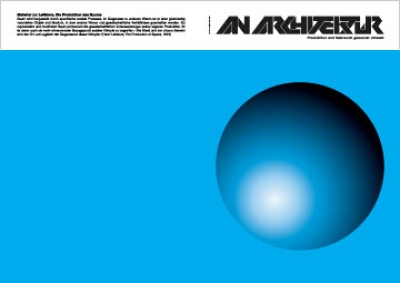
    An Architektur 16-17

  • Vera Beyer, Jutta Voorhoeve, Anselm…

    Das Bild ist der König. Repräsentation nach Louis Marin

  • An Architektur

    An Architektur 15 / FFM 11: Europäische…

  • Orhan Esen, Stephan Lanz (Hg)

    Self Service City. Istanbul (metrozones 4)

  • An Architektur

    An Architektur 14: Camp for Oppositional Architecture

  • Stephan Lanz (Hg.)

    City of COOP. Ersatzökonomiern und städtische Bewegungen in…

  • An Architektur

    An Architektur 11-13: Theorie und Praxis der Kartografie

  • An Architektur

    An Architektur 10: Gemeinschaftsräume

  • Jochen Becker, Stephan Lanz (Hg.)

    Space//Troubles. Jenseits des Guten Regierens:…

  • Sarai media lab

    Sarai Reader 03: shaping technologies

  • An Architektur

    An Architektur 04-09: Krieg und die Produktion von Raum

  • IDEA Magazine

    IDEA 296. Books <preposition> graphic design

  • IDEA Magazine

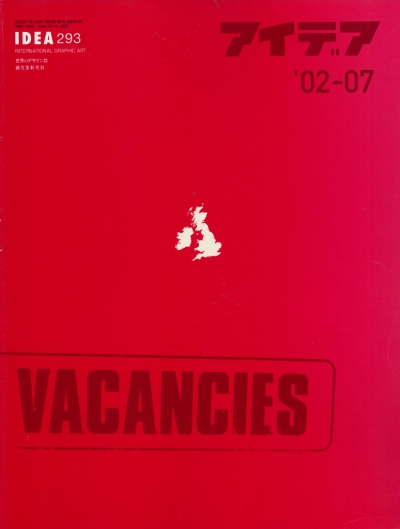
    IDEA 293. Stanley Donwood / Vacances. DD-DDD / Dimensions…

  • gerade nicht auf Lager
    An Architektur

    An Architektur 01-03

  • Martina Löw

    Raumsoziologie

  • Pro qm

    Gutschein / Voucher

  • Brian O'Doherty

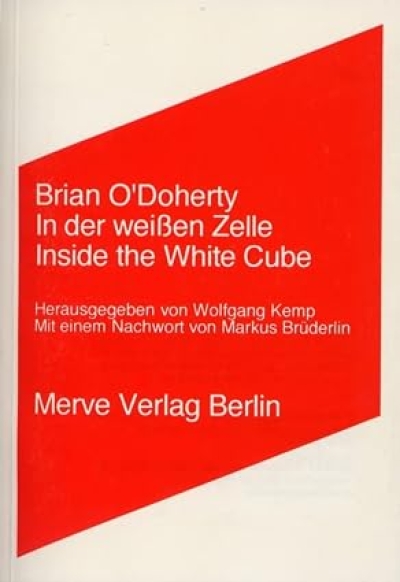
    In der weissen Zelle. Inside the White Cube

  • gerade nicht auf Lager
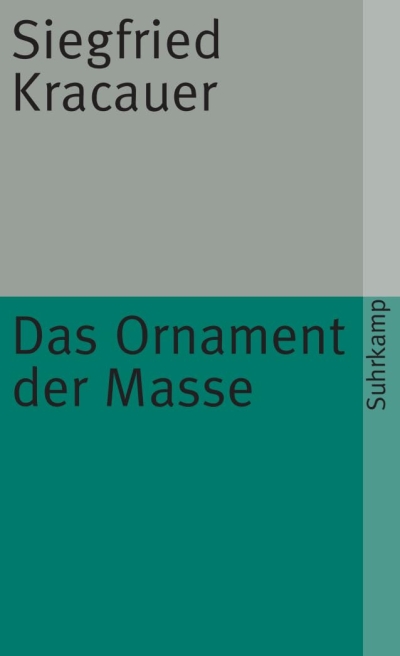
    Siegfried Kracauer

    Das Ornament der Masse. Essays

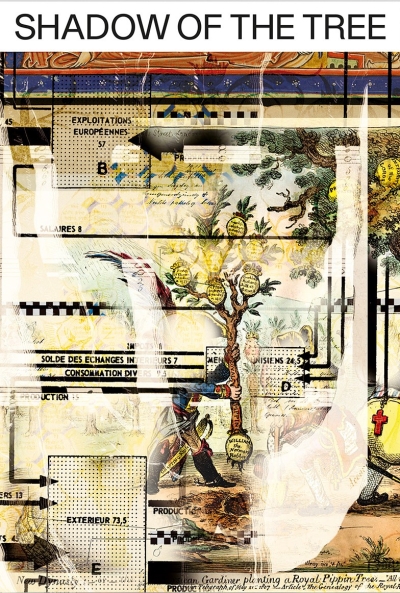
Shadow of the Tree. Cache 03

Diagrams have long been used to describe, claim, and produce the relatedness of human individuals and groups, animals, and plants. The tree form seems to have attained particular dominance, both within specific domains of practice and in historical scholarship. This pertains, moreover, to representations of non-organismic entities that draw from and flow back into the broad cultural history of the tree. And yet a wide variety of diagrams have been devised, sometimes in connection with the tree, other times as an explicit alternative, or as a novel or idiosyncratic invention. This volume, which brings together a commensurately diverse mix of historians of the natural and human sciences, social historians, philosophers, and historians of art and media, wishes to bring the variety of diagrammatic forms out from under the “shadow of the tree” – while also taking seriously the ubiquity of the tree and its implications.


Cache
Shadow of the Tree. Cache 03
Intercom Verlag, 2024, 9783907380048
20,00 €