


Direkt zum Inhalt

Warenkorb

  • gerade nicht auf Lager
    Guy Debord

    Comments on the Society of the Spectacle

  • Michel de Certeau

    Kunst des Handelns

  • gerade nicht auf Lager
    Jacques Ranciere

    Ist Kunst widerständig?

  • Alain Badiou

    Wofür steht der Name Sarkozy?

  • gerade nicht auf Lager
    Donna Haraway

    Die Neuerfindung der Natur. Primaten, Cyborgs und Frauen.

  • gerade nicht auf Lager
    Stefanie Schulte Strathaus, Florian…

    Wer sagt denn, dass Beton nicht brennt, hast Du’s probiert?

  • gerade nicht auf Lager
    Henri Lefebvre

    Writings on Cities

  • Loretta Napoleoni

    Rogue Economics. Capitalism's New Reality

  • AD

    AD 174. Vol. 75. Nr. 2. Samantha Hardingham. The 1970'…

  • An Architektur

    An Architektur 18: Camp for Oppositional Architecture:…

  • Johan Frederik Hartle

    Der geöffnete Raum. Zur Politik der ästhetischen Form

  • An Architektur

    An Architektur 16-17

  • Vera Beyer, Jutta Voorhoeve, Anselm…

    Das Bild ist der König. Repräsentation nach Louis Marin

  • An Architektur

    An Architektur 15 / FFM 11: Europäische…

  • An Architektur

    An Architektur 14: Camp for Oppositional Architecture

  • An Architektur

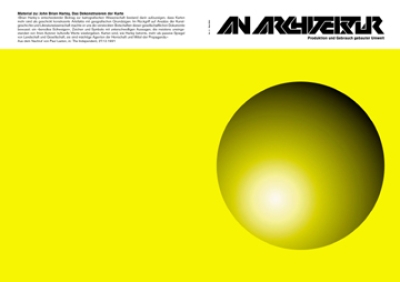
    An Architektur 11-13: Theorie und Praxis der Kartografie

  • An Architektur

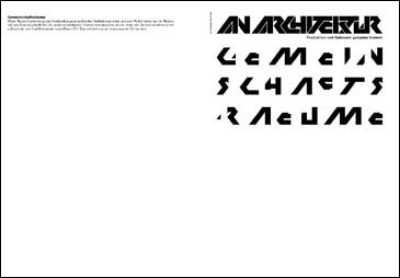
    An Architektur 10: Gemeinschaftsräume

  • An Architektur

    An Architektur 04-09: Krieg und die Produktion von Raum

  • IDEA Magazine

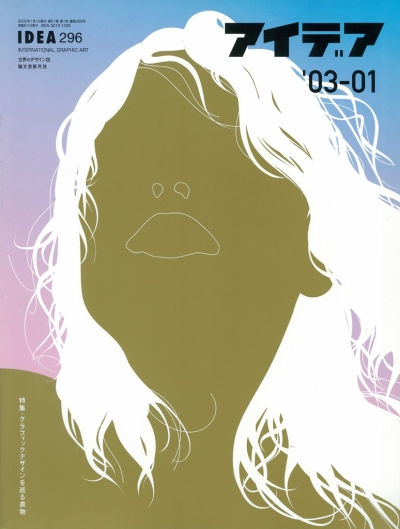
    IDEA 296. Books <preposition> graphic design

  • IDEA Magazine

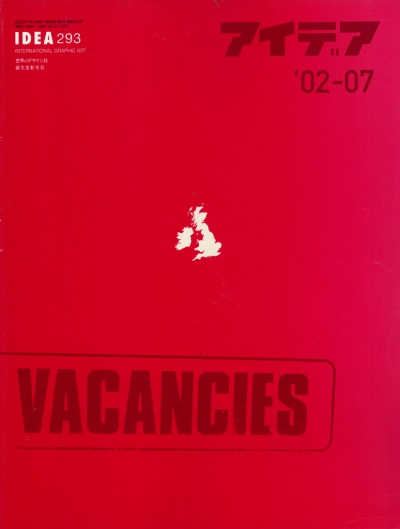
    IDEA 293. Stanley Donwood / Vacances. DD-DDD / Dimensions…

  • gerade nicht auf Lager
    An Architektur

    An Architektur 01-03

  • Pro qm

    Gutschein / Voucher

  • Siegfried Kracauer

    Das Ornament der Masse. Essays

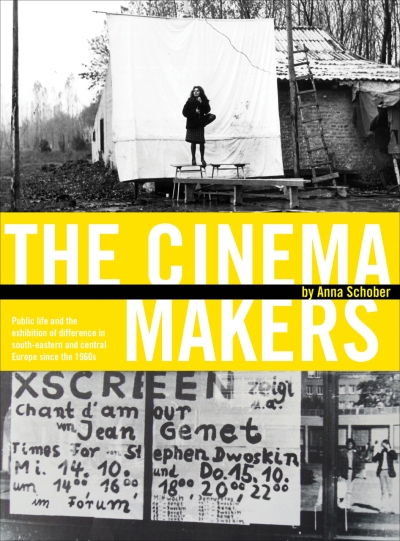
The Cinema Makers. Public Life and the Exhibition of Difference in South-Eastern and Central Europe since the 1960s

The Cinema Makers investigates how cinema spectators in south-eastern and central European cities became cinema makers through such practices as squatting in existing cinema spaces, organizing cinema ‘events’, writing about film and making films themselves. Drawing on a corpus of interviews with cinema activists in Germany, Austria and the former Yugoslavia, Anna Schober compares the activities and artistic productions they staged in cities such as Vienna, Cologne, Munich, Berlin, Hamburg, Ljubljana, Belgrade, Novi Sad, Subotica, Zagreb and Sarajevo. The resulting study illuminates the differences and similarities in the development of political culture—and cinema’s role in that development—in European countries with pluralist-democratic, one-party socialist and post-socialist traditions.
Key features include:
•    an account of cinema as a political and social transnational movement emerging with ‘1968’ that contests reigning forms of managing and controlling difference connected to the modern nation state
•    an exploration of theories and conceptions of the public sphere and how they connect to cinema as an urban arena
•    a close reading of films by authors produced by cinema activism of the 1960s, such as Rainer Werner Fassbinder or Dušan Makavejev
•    follow-up cinema activist groups in the 1990s, such as clandestine flash mob cinemas, ethnic or queer cinema initiatives (in central Europe) or short-film cinema activism (in ex-Yugoslavia) confronting the violence of war and ethnic cleansing with an emphatic use of humour


Anna Schober
The Cinema Makers. Public Life and the Exhibition of Difference in South-Eastern and Central Europe since the 1960s
Intellect Books, 2013, 9781841505152
30,50 €