













Direkt zum Inhalt

Warenkorb

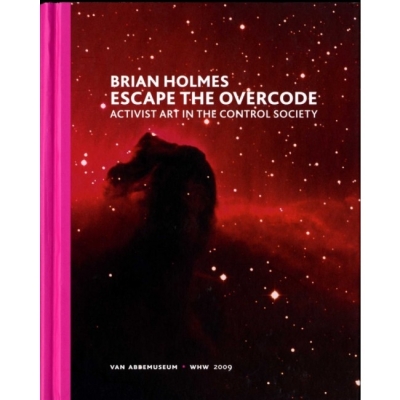
  • Brian Holmes

    Escape the Overcode. Activist Art in the Control Society

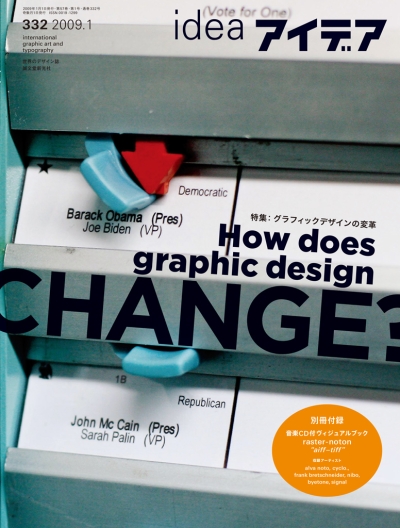
  • IDEA Magazine

    IDEA 332. How does graphic design CHANGE?

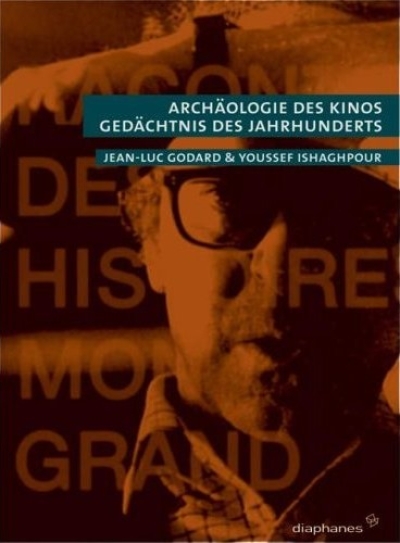
  • Jean-Luc Godard, Youssef Ishaghpour

    Archäologie des Kinos, Gedächtnis des Jahrhunderts

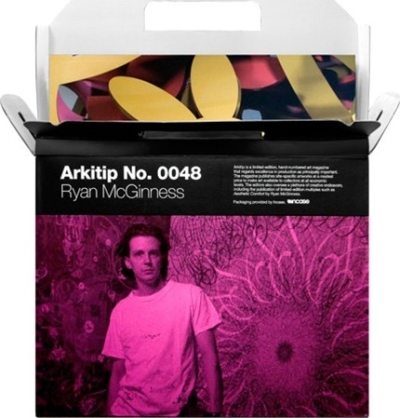
  • Arkitip No. 0048

    Ryan McGinness

  • Rahel Lämmler, Michael Wagner

    Ulrich Müther. Schalenbauten in Mecklenburg-Vorpommern

  • Martina Löw

    Soziologie der Städte

  • gerade nicht auf Lager
    Ilka & Andreas Ruby (Hg.)

    Urban Transformations

  • gerade nicht auf Lager
    Ralph Heidenreich, Stefan Heidenreich

    Mehr Geld

  • Sven Spieker

    The Big Archive. Art From Bureaucracy

  • Thomas Meinecke

    Jungfrau

  • Grada Kilomba

    Plantation Memories. Episodes of Everyday Racism

  • gerade nicht auf Lager
    Susanne von Falkenhausen

    KugelbauVisionen. Kulturgeschichte einer Bauform von der…

  • An Architektur

    An Architektur 22: GAMMA Grid, 1953. Das Ende des CIAM und…

  • gerade nicht auf Lager
    Felix Guattari

    The Three Ecologies

  • An Architektur

    An Architektur 19-21: Community Design. Involvement and…

  • Antonio Negri

    The Porcelain Workshop. For a New Grammar of Politics

  • Christoph Schaub, Michael Schindhelm

    Bird's Nest (DVD, 87 min.). Jacques Herzog und Pierre…

  • gerade nicht auf Lager
    Felicity D. Scott

    Architecture or Techno-Utopia. Politics after Modernism

  • gerade nicht auf Lager
    Birgit Schneider

    Textiles Prozessieren

  • gerade nicht auf Lager
    Georges Canguilhem

    Wissenschaft, Technik, Leben. Beiträge zur historischen…

  • gerade nicht auf Lager
    Stuart Elden, Elizabeth Lebas, Eleonore…

    Henri Lefebvre. Key Writings

  • Laurence A. Rickels

    Ulrike Ottinger. Eine Autobiografie

  • N. John Habraken, Arnulf Lüchinger

    Die Träger und die Menschen. Das Ende des Massenwohnungsbau…

  • gerade nicht auf Lager
    Liz Kotz

    Words to Be Looked at. Language in 1960s Art

  • gerade nicht auf Lager
    Guy Debord

    Comments on the Society of the Spectacle

  • Michel de Certeau

    Kunst des Handelns

  • gerade nicht auf Lager
    Jacques Ranciere

    Ist Kunst widerständig?

  • Alain Badiou

    Wofür steht der Name Sarkozy?

  • gerade nicht auf Lager
    Donna Haraway

    Die Neuerfindung der Natur. Primaten, Cyborgs und Frauen.

  • gerade nicht auf Lager
    Stefanie Schulte Strathaus, Florian…

    Wer sagt denn, dass Beton nicht brennt, hast Du’s probiert?

  • gerade nicht auf Lager
    Henri Lefebvre

    Writings on Cities

  • Loretta Napoleoni

    Rogue Economics. Capitalism's New Reality

  • AD

    AD 174. Vol. 75. Nr. 2. Samantha Hardingham. The 1970'…

  • An Architektur

    An Architektur 18: Camp for Oppositional Architecture:…

  • Johan Frederik Hartle

    Der geöffnete Raum. Zur Politik der ästhetischen Form

  • An Architektur

    An Architektur 16-17

  • Vera Beyer, Jutta Voorhoeve, Anselm…

    Das Bild ist der König. Repräsentation nach Louis Marin

  • An Architektur

    An Architektur 15 / FFM 11: Europäische…

  • An Architektur

    An Architektur 14: Camp for Oppositional Architecture

  • An Architektur

    An Architektur 11-13: Theorie und Praxis der Kartografie

  • An Architektur

    An Architektur 10: Gemeinschaftsräume

  • An Architektur

    An Architektur 04-09: Krieg und die Produktion von Raum

  • IDEA Magazine

    IDEA 296. Books <preposition> graphic design

  • IDEA Magazine

    IDEA 293. Stanley Donwood / Vacances. DD-DDD / Dimensions…

  • gerade nicht auf Lager
    An Architektur

    An Architektur 01-03

  • Pro qm

    Gutschein / Voucher

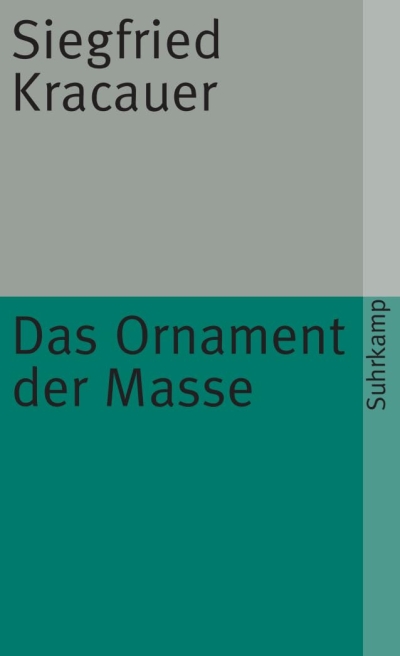
  • Siegfried Kracauer

    Das Ornament der Masse. Essays

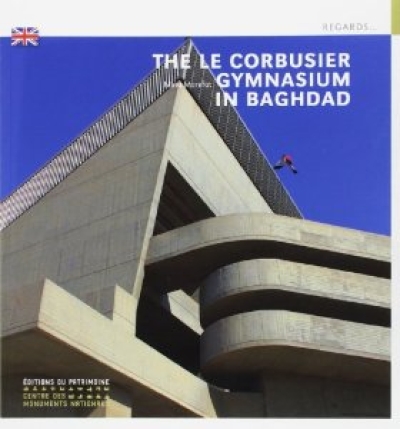
The Le Corbusier Gymnasium in Baghdad

The story begins end 2004, along with the very first research engaged for a thesis –concerning the urban and architectural transformations of the XXth century Baghdad, after three successive stays in Baghdad since June 2003. In June 1955, commissions were passed to world-famous architects by Nuri Said’s government via the Development Board, a governmental body created in 1950 in charge of developing new infrastructures throughout the whole country. There was a huge University campus by Walter Gropius, an opera-house by Frank Lloyd Wright, a building for the Ministry of Planning by the Italian Gio Ponti, a Civic Center by the Dutch Marinus Dudok, a Museum by the Finnish Alvar Aalto, etc. The aim of such a series of grand constructions was to endow the Iraqi capital with a modernist development, an ambition amply justified at the time by the country’s petrol booming revenues1. As concerns Le Corbusier he was to build an Olympic city, including a 50000 people capacity stadium, a gymnasium with a stage holding 3500 spectators, a pool for 5000 spectators, but also a basin with a “wave mechanism”, an outdoors amphitheater, several training grounds, “nautical amusements”. If indeed, some of these schemes were implemented in the following ten years, others, for instance those of Wright or Aalto, never came to be. As for Le Corbusier’s commission, it was only implemented partially and much later, with finally only the gymnasium being built in the spring of 1980. Yet this construction’s destiny is singular.
http://ifpo.hypotheses.org/3560


Mina Marefat
The Le Corbusier Gymnasium in Baghdad
Editions du Patrimoine , 2014, 9782757703021
12,00 €