


Direkt zum Inhalt

Warenkorb

  • gerade nicht auf Lager
    Stefanie Schulte Strathaus, Florian…

    Wer sagt denn, dass Beton nicht brennt, hast Du’s probiert?

  • gerade nicht auf Lager
    Henri Lefebvre

    Writings on Cities

  • gerade nicht auf Lager
    Henri Lefebvre

    The Production of Space

  • Hiromasa Shirai, André Schmidt (Hg.)

    Big Bang Beijing. Urban Change in Beijing

  • gerade nicht auf Lager
    John F. C. Turner

    Housing by People. Towards Autonomy in Building…

  • Loretta Napoleoni

    Rogue Economics. Capitalism's New Reality

  • AD

    AD 174. Vol. 75. Nr. 2. Samantha Hardingham. The 1970'…

  • An Architektur

    An Architektur 18: Camp for Oppositional Architecture:…

  • Johan Frederik Hartle

    Der geöffnete Raum. Zur Politik der ästhetischen Form

  • An Architektur

    An Architektur 16-17

  • Vera Beyer, Jutta Voorhoeve, Anselm…

    Das Bild ist der König. Repräsentation nach Louis Marin

  • An Architektur

    An Architektur 15 / FFM 11: Europäische…

  • An Architektur

    An Architektur 14: Camp for Oppositional Architecture

  • An Architektur

    An Architektur 11-13: Theorie und Praxis der Kartografie

  • An Architektur

    An Architektur 10: Gemeinschaftsräume

  • An Architektur

    An Architektur 04-09: Krieg und die Produktion von Raum

  • IDEA Magazine

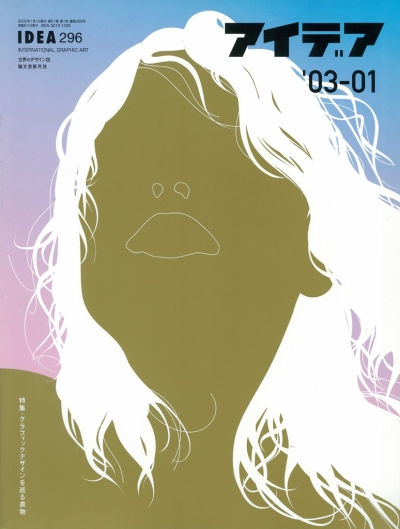
    IDEA 296. Books <preposition> graphic design

  • IDEA Magazine

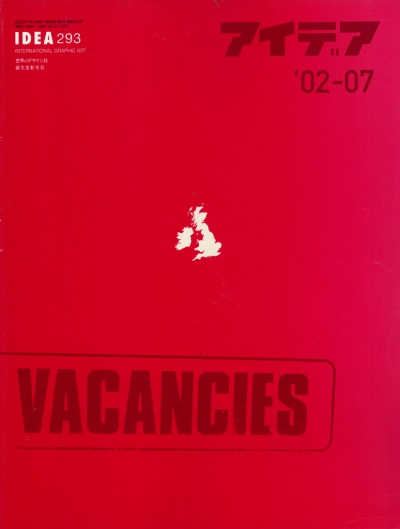
    IDEA 293. Stanley Donwood / Vacances. DD-DDD / Dimensions…

  • gerade nicht auf Lager
    An Architektur

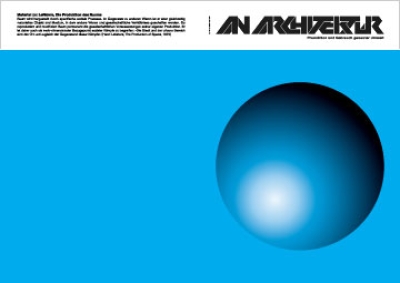
    An Architektur 01-03

  • Pro qm

    Gutschein / Voucher

SMAQ. Giraffes, Telegraphs, and Hero of Alexandria. Urban Design by Narration

In this book, stories portray the production of our built environment, guided by three characters: Giraffes, Telegraphs, and Hero of Alexandria. Having developed its long neck to reach the leaves of high trees, the giraffe represents the vernacular approach to architecture, in which construction follows forces of nature. The telegraph, in contrast, embodies the modernist paradigm, in which technology reigns supreme and forces nature to adapt. Inspired by Hero of Alexandria, SMAQ subscribe to a third paradigm – using technology to optimize nature and, inversely, nature to assimilate technology. Their design concepts appear as tools ready to engage our contemporary urban environment, free of today’s ecological and technological fundamentalism and in favor of experimentation, pleasure, and play. With contributions by Theo Deutinger, Rodney LaTourelle, Sabine Müller, Caroline O’Donnell, Andreas Quednau, Deane Simpson. And a poster showing a selection of the beautiful playful pneumatic inventions of Hero of Alexandria, Greek mathematician and engineer born in 10AD


Andreas Quednau, Sabine Müller
SMAQ. Giraffes, Telegraphs, and Hero of Alexandria. Urban Design by Narration
Ruby, 2016, 978-3-944074-13-9
gerade nicht auf Lager