

































Direkt zum Inhalt

Warenkorb

  • gerade nicht auf Lager
    Jacques Ranciere

    Ist Kunst widerständig?

  • Alain Badiou

    Wofür steht der Name Sarkozy?

  • gerade nicht auf Lager
    Donna Haraway

    Die Neuerfindung der Natur. Primaten, Cyborgs und Frauen.

  • gerade nicht auf Lager
    Stefanie Schulte Strathaus, Florian…

    Wer sagt denn, dass Beton nicht brennt, hast Du’s probiert?

  • gerade nicht auf Lager
    Henri Lefebvre

    Writings on Cities

  • gerade nicht auf Lager
    Henri Lefebvre

    The Production of Space

  • Hiromasa Shirai, André Schmidt (Hg.)

    Big Bang Beijing. Urban Change in Beijing

  • gerade nicht auf Lager
    John F. C. Turner

    Housing by People. Towards Autonomy in Building…

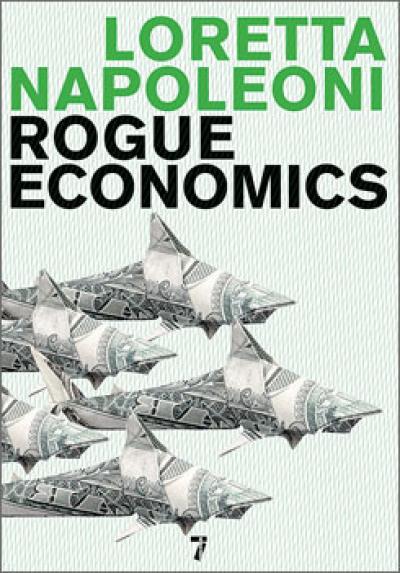
  • Loretta Napoleoni

    Rogue Economics. Capitalism's New Reality

  • AD

    AD 174. Vol. 75. Nr. 2. Samantha Hardingham. The 1970'…

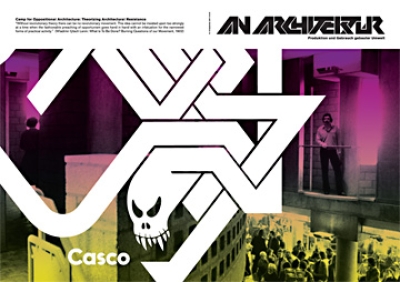
  • An Architektur

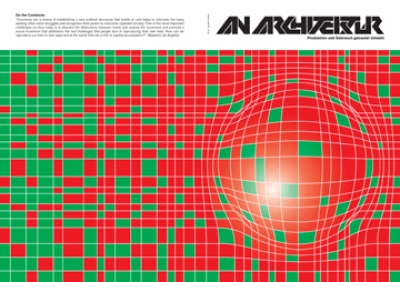
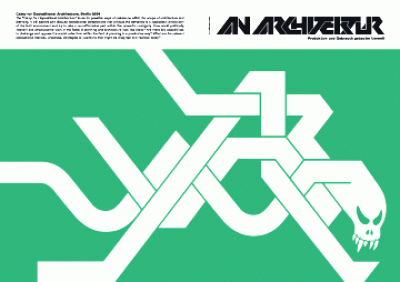
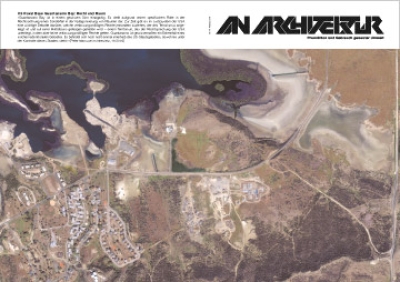
    An Architektur 18: Camp for Oppositional Architecture:…

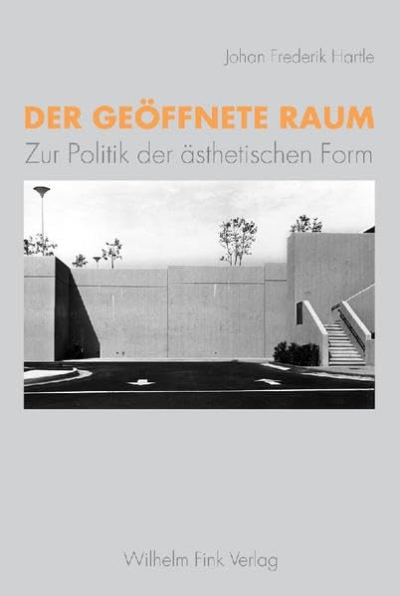
  • Johan Frederik Hartle

    Der geöffnete Raum. Zur Politik der ästhetischen Form

  • An Architektur

    An Architektur 16-17

  • Vera Beyer, Jutta Voorhoeve, Anselm…

    Das Bild ist der König. Repräsentation nach Louis Marin

  • An Architektur

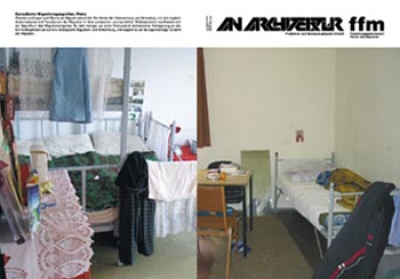
    An Architektur 15 / FFM 11: Europäische…

  • An Architektur

    An Architektur 14: Camp for Oppositional Architecture

  • An Architektur

    An Architektur 11-13: Theorie und Praxis der Kartografie

  • An Architektur

    An Architektur 10: Gemeinschaftsräume

  • An Architektur

    An Architektur 04-09: Krieg und die Produktion von Raum

  • IDEA Magazine

    IDEA 296. Books <preposition> graphic design

  • IDEA Magazine

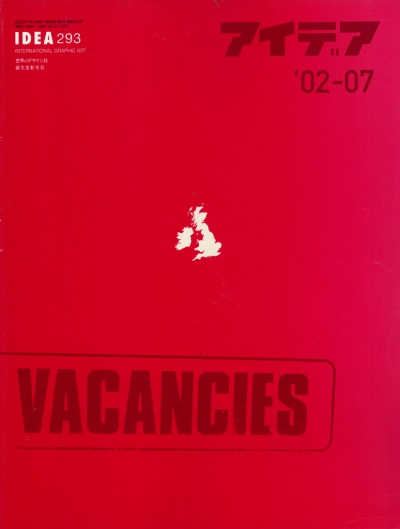
    IDEA 293. Stanley Donwood / Vacances. DD-DDD / Dimensions…

  • gerade nicht auf Lager
    An Architektur

    An Architektur 01-03

  • Pro qm

    Gutschein / Voucher

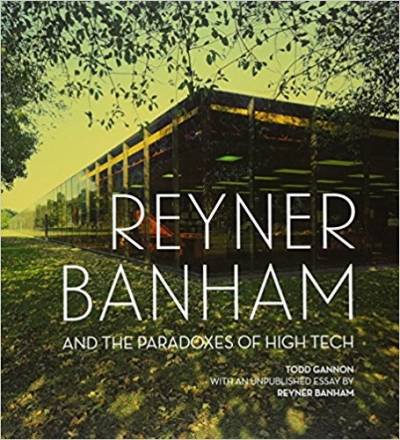
Reyner Banham and the Paradoxes of High Tech

Reyner Banham and the Paradoxes of High Tech reassesses one of the most influential voices in twentieth-century architectural history through a detailed examination of Banham’s writing on High Tech architecture and its immediate antecedents.
Taking as a guide Banham’s habit of structuring his writings around dialectical tensions, Todd Gannon sheds new light on Banham’s early engagement with the New Brutalism of Alison and Peter Smithson, his measured enthusiasm for the “clip-on” approach developed by Cedric Price and the Archigram group, his advocacy of “well-tempered environments” fostered by integrated mechanical and electrical systems, and his late-career assessments of High Tech practitioners such as Norman Foster, Richard Rogers, and Renzo Piano.
Gannon devotes significant attention to Banham’s late work, including fresh archival materials related to Making Architecture: The Paradoxes of High Tech, the manuscript he left unfinished at his death in 1988. For the first time, readers will have access to Banham’s previously unpublished draft introduction to that book.


Todd Gannon
Reyner Banham and the Paradoxes of High Tech
Getty Trust Publications, 2017, 9781606065303
gerade nicht auf Lager