
Direkt zum Inhalt

Warenkorb

  • gerade nicht auf Lager
    Jacques Ranciere

    Ist Kunst widerständig?

  • Alain Badiou

    Wofür steht der Name Sarkozy?

  • gerade nicht auf Lager
    Donna Haraway

    Die Neuerfindung der Natur. Primaten, Cyborgs und Frauen.

  • gerade nicht auf Lager
    Stefanie Schulte Strathaus, Florian…

    Wer sagt denn, dass Beton nicht brennt, hast Du’s probiert?

  • gerade nicht auf Lager
    Henri Lefebvre

    Writings on Cities

  • gerade nicht auf Lager
    Henri Lefebvre

    The Production of Space

  • Hiromasa Shirai, André Schmidt (Hg.)

    Big Bang Beijing. Urban Change in Beijing

  • gerade nicht auf Lager
    John F. C. Turner

    Housing by People. Towards Autonomy in Building…

  • Loretta Napoleoni

    Rogue Economics. Capitalism's New Reality

  • AD

    AD 174. Vol. 75. Nr. 2. Samantha Hardingham. The 1970'…

  • An Architektur

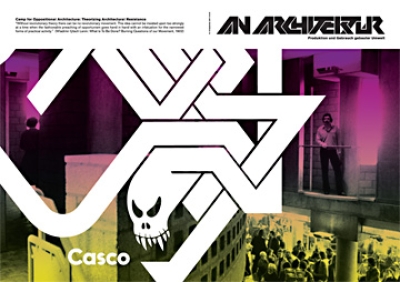
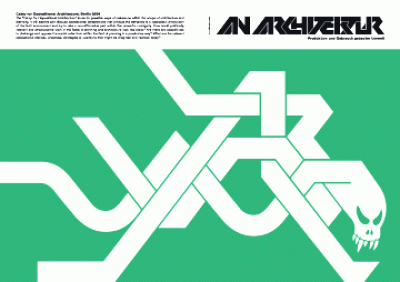
    An Architektur 18: Camp for Oppositional Architecture:…

  • Johan Frederik Hartle

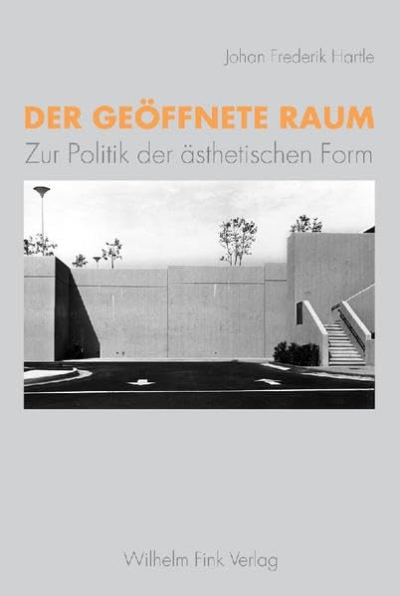
    Der geöffnete Raum. Zur Politik der ästhetischen Form

  • An Architektur

    An Architektur 16-17

  • Vera Beyer, Jutta Voorhoeve, Anselm…

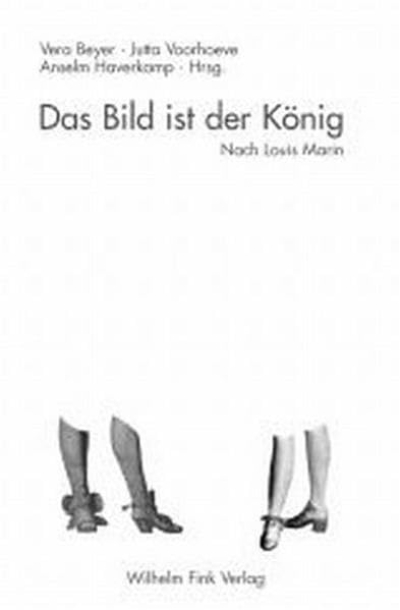
    Das Bild ist der König. Repräsentation nach Louis Marin

  • An Architektur

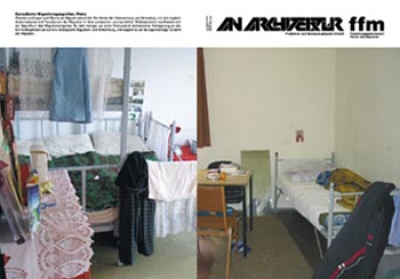
    An Architektur 15 / FFM 11: Europäische…

  • An Architektur

    An Architektur 14: Camp for Oppositional Architecture

  • An Architektur

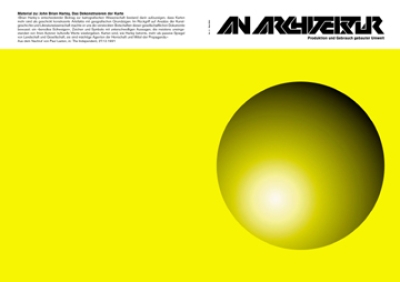
    An Architektur 11-13: Theorie und Praxis der Kartografie

  • An Architektur

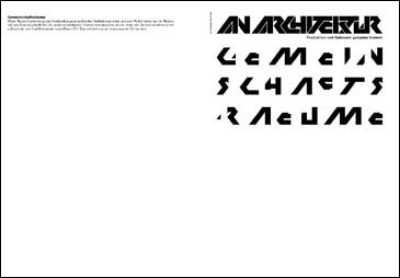
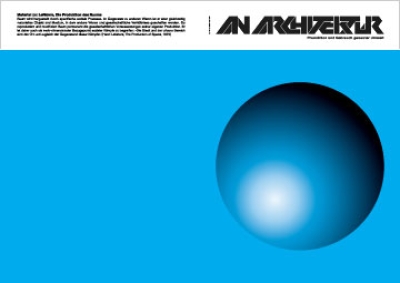
    An Architektur 10: Gemeinschaftsräume

  • An Architektur

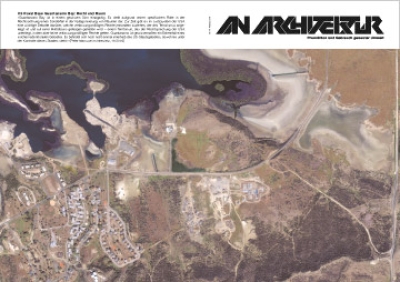
    An Architektur 04-09: Krieg und die Produktion von Raum

  • IDEA Magazine

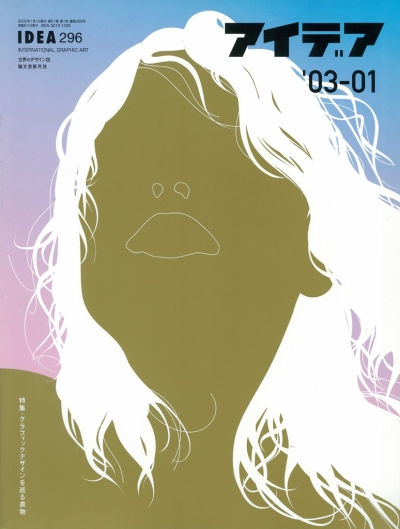
    IDEA 296. Books <preposition> graphic design

  • IDEA Magazine

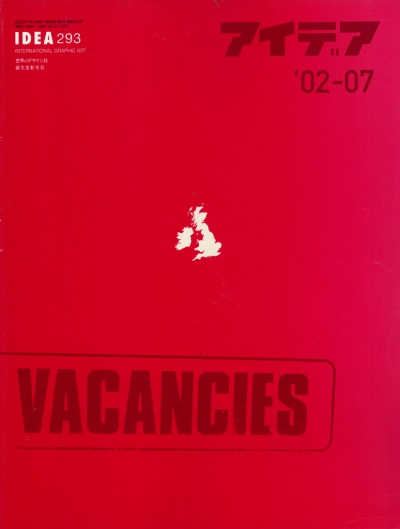
    IDEA 293. Stanley Donwood / Vacances. DD-DDD / Dimensions…

  • gerade nicht auf Lager
    An Architektur

    An Architektur 01-03

  • Pro qm

    Gutschein / Voucher

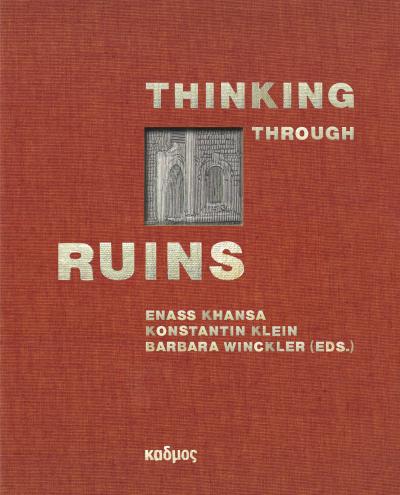
Thinking Through Ruins. Genealogies, Functions, and Interpretations

Ruins have for a long time captured the human imagination and, in one way or another, have been inscribed in a community's memory, history, or lore. This long-standing tradition concerning ruins – be it real or imagined, ancient or modern ones – has resulted in a multitude of reflections and creative interpretations. The discourse on ruins, steeped in tradition as it is, offers a unique vantage point to reflect upon their actual meaning in various societies and disciplines by focusing on how they have been and still are often (mis)used and employed in contemporary debates as powerful symbols and motifs. Tackling questions related to the genealogies, functions, and interpretations of ruins in literary and artistic, political and legal, philosophical and sociological discourses, this book aims at moving the discussion beyond the level of case studies. The contributors examine the perception of ruins and the discourse on decay, destruction, and reconstruction from various disciplinary perspectives, referring to a multitude of ruin-related concepts such as 'longing', 'memory', 'trauma', and 'identity'.


Barbara Winckler, Enass Khansa, Konstantin Klein (Hg.)
Thinking Through Ruins. Genealogies, Functions, and Interpretations
Kadmos, 2022, 978-3-96750-033-2
29,80 €