







Direkt zum Inhalt

Warenkorb

  • Johan Frederik Hartle

    Der geöffnete Raum. Zur Politik der ästhetischen Form

  • Jörg Dünne, Stephan Günzel (Hg.)

    Raumtheorie. Grundlagentexte aus Philosophie und…

  • An Architektur

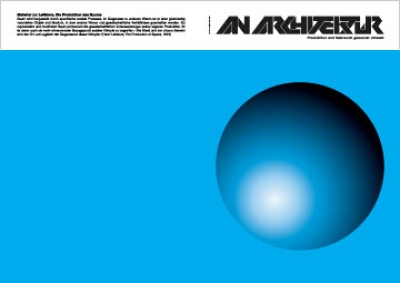
    An Architektur 16-17

  • Vera Beyer, Jutta Voorhoeve, Anselm…

    Das Bild ist der König. Repräsentation nach Louis Marin

  • An Architektur

    An Architektur 15 / FFM 11: Europäische…

  • Orhan Esen, Stephan Lanz (Hg)

    Self Service City. Istanbul (metrozones 4)

  • An Architektur

    An Architektur 14: Camp for Oppositional Architecture

  • Stephan Lanz (Hg.)

    City of COOP. Ersatzökonomiern und städtische Bewegungen in…

  • An Architektur

    An Architektur 11-13: Theorie und Praxis der Kartografie

  • An Architektur

    An Architektur 10: Gemeinschaftsräume

  • Jochen Becker, Stephan Lanz (Hg.)

    Space//Troubles. Jenseits des Guten Regierens:…

  • Sarai media lab

    Sarai Reader 03: shaping technologies

  • An Architektur

    An Architektur 04-09: Krieg und die Produktion von Raum

  • IDEA Magazine

    IDEA 296. Books <preposition> graphic design

  • IDEA Magazine

    IDEA 293. Stanley Donwood / Vacances. DD-DDD / Dimensions…

  • gerade nicht auf Lager
    An Architektur

    An Architektur 01-03

  • Martina Löw

    Raumsoziologie

  • Pro qm

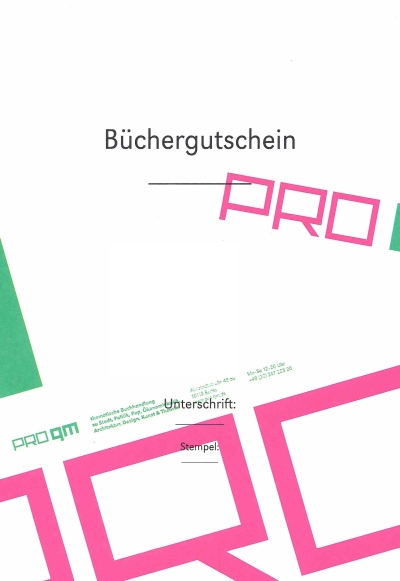
    Gutschein / Voucher

  • Brian O'Doherty

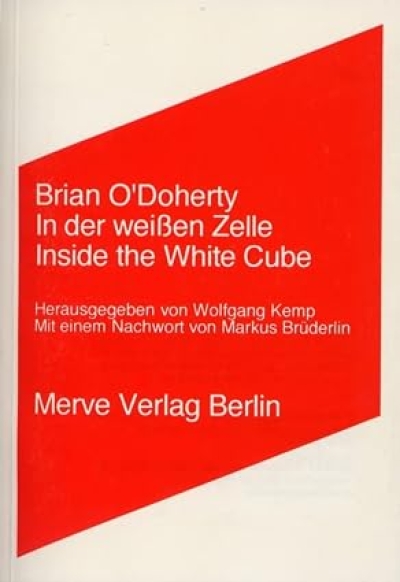
    In der weissen Zelle. Inside the White Cube

  • gerade nicht auf Lager
    Siegfried Kracauer

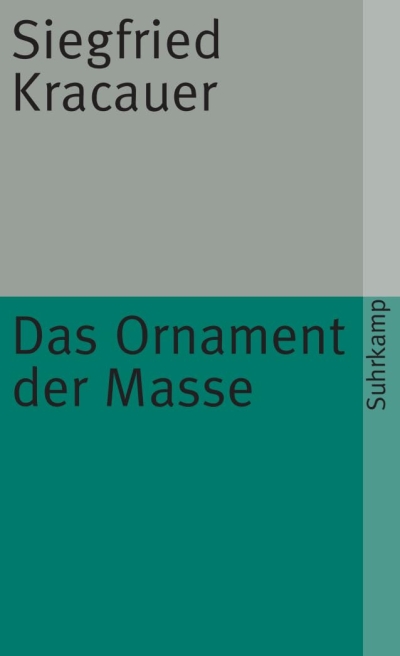
    Das Ornament der Masse. Essays

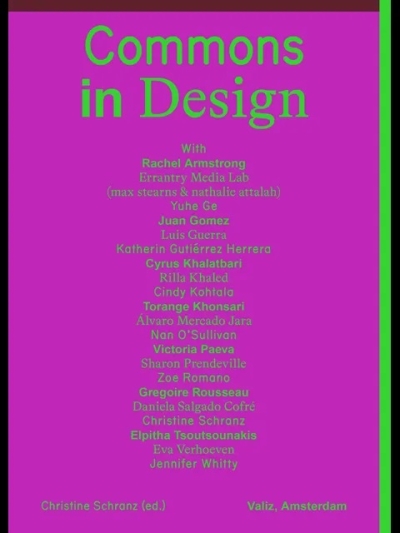
Commons in Design COVER

Commons in Design

The scarcity of resources, climate change, and the digitalization of everyday life are fuelling the economy of swapping, sharing, and lending—all of which are in some way linked to a culture of commoning. In this context, we understand commons as community-based processes that use, collectively manage, and organize generally accessible resources—referring to both goods and knowledge. Commons in Design explores the meaning and impact of commons—especially knowledge-based peer commons—and acts of commoning in design. It discusses networked, participatory, and open procedures based on the commons and commoning, testing models that negotiate the use of commons within design processes. In doing so, it critically engages with questions regarding designers’ positionings, everyday practices, self-understandings, ways of working, and approaches to education.


Christine Schranz (Ed.)
Commons in Design
Valiz, 2023, 9789493246300
gerade nicht auf Lager