






















Direkt zum Inhalt

Warenkorb

  • Claire Fontaine

    Claire Fontaine. Vivre, Vaincre

  • Brian Holmes

    Escape the Overcode. Activist Art in the Control Society

  • IDEA Magazine

    IDEA 332. How does graphic design CHANGE?

  • Jean-Luc Godard, Youssef Ishaghpour

    Archäologie des Kinos, Gedächtnis des Jahrhunderts

  • Arkitip No. 0048

    Ryan McGinness

  • Rahel Lämmler, Michael Wagner

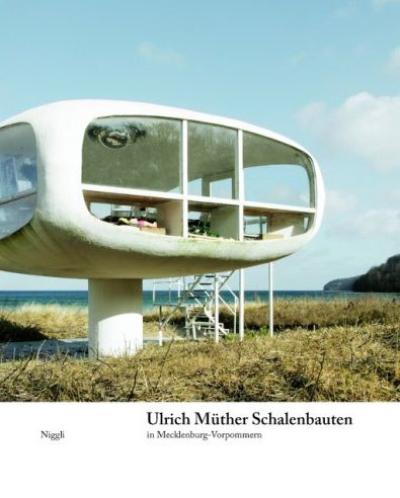
    Ulrich Müther. Schalenbauten in Mecklenburg-Vorpommern

  • Martina Löw

    Soziologie der Städte

  • Sven Spieker

    The Big Archive. Art From Bureaucracy

  • Thomas Meinecke

    Jungfrau

  • Grada Kilomba

    Plantation Memories. Episodes of Everyday Racism

  • An Architektur

    An Architektur 22: GAMMA Grid, 1953. Das Ende des CIAM und…

  • An Architektur

    An Architektur 19-21: Community Design. Involvement and…

  • Antonio Negri

    The Porcelain Workshop. For a New Grammar of Politics

  • Christoph Schaub, Michael Schindhelm

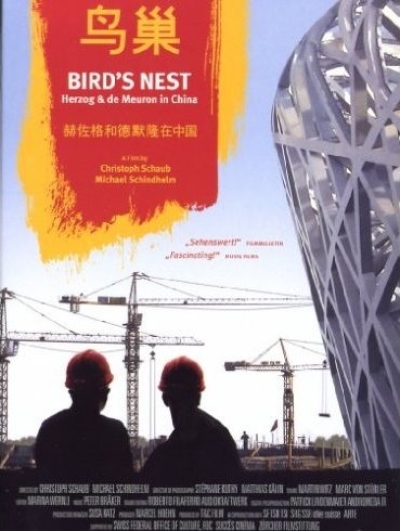
    Bird's Nest (DVD, 87 min.). Jacques Herzog und Pierre…

  • Laurence A. Rickels

    Ulrike Ottinger. Eine Autobiografie

  • N. John Habraken, Arnulf Lüchinger

    Die Träger und die Menschen. Das Ende des Massenwohnungsbau…

  • gerade nicht auf Lager
    Guy Debord

    Comments on the Society of the Spectacle

  • Michel de Certeau

    Kunst des Handelns

  • Alain Badiou

    Wofür steht der Name Sarkozy?

  • gerade nicht auf Lager
    Donna Haraway

    Die Neuerfindung der Natur. Primaten, Cyborgs und Frauen.

  • gerade nicht auf Lager
    Stefanie Schulte Strathaus, Florian…

    Wer sagt denn, dass Beton nicht brennt, hast Du’s probiert?

  • gerade nicht auf Lager
    Henri Lefebvre

    Writings on Cities

  • Loretta Napoleoni

    Rogue Economics. Capitalism's New Reality

  • AD

    AD 174. Vol. 75. Nr. 2. Samantha Hardingham. The 1970…

  • An Architektur

    An Architektur 18: Camp for Oppositional Architecture:…

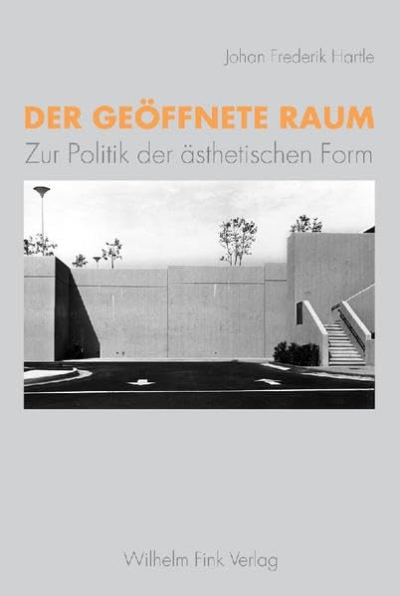
  • Johan Frederik Hartle

    Der geöffnete Raum. Zur Politik der ästhetischen Form

  • An Architektur

    An Architektur 16-17

  • Vera Beyer, Jutta Voorhoeve, Anselm…

    Das Bild ist der König. Repräsentation nach Louis Marin

  • An Architektur

    An Architektur 15 / FFM 11: Europäische…

  • An Architektur

    An Architektur 14: Camp for Oppositional Architecture

  • An Architektur

    An Architektur 11-13: Theorie und Praxis der Kartografie

  • An Architektur

    An Architektur 10: Gemeinschaftsräume

  • An Architektur

    An Architektur 04-09: Krieg und die Produktion von Raum

  • IDEA Magazine

    IDEA 296. Books <preposition> graphic design

  • IDEA Magazine

    IDEA 293. Stanley Donwood / Vacances. DD-DDD / Dimensions…

  • gerade nicht auf Lager
    An Architektur

    An Architektur 01-03

  • Pro qm

    Gutschein / Voucher

  • Siegfried Kracauer

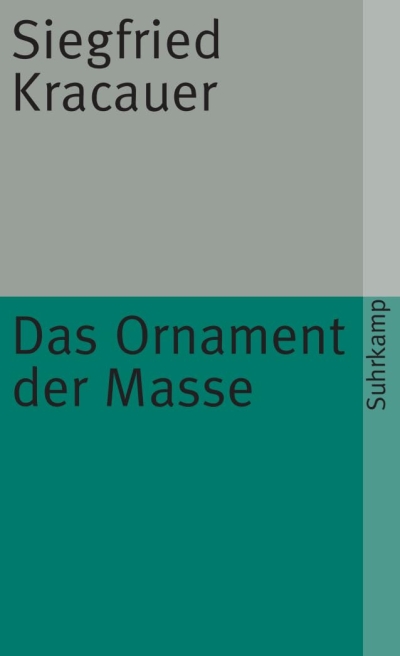
    Das Ornament der Masse. Essays

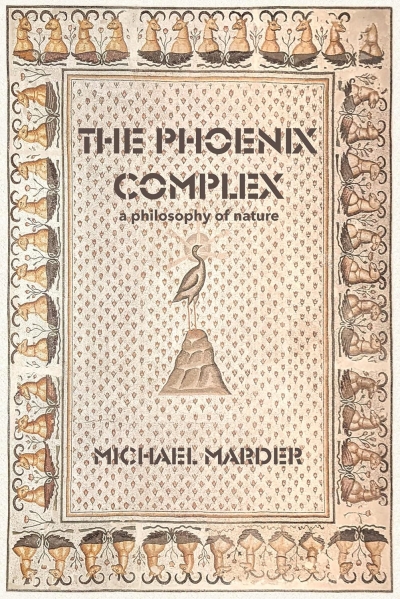
 The Phoenix Complex Cover

The Phoenix Complex. A Philosophy of Nature

An innovative, wide-ranging consideration of the global ecological crisis and its deep philosophical and theological roots.

Global crises, from melting Arctic ice to ecosystem collapse and the sixth mass extinction, challenge our age-old belief in nature as a phoenix with an infinite ability to regenerate itself from the ashes of destruction. Moving from antiquity to the present and back, Michael Marder provides an integrated examination of philosophies of nature drawn from traditions around the world to illuminate the theological, mythical, and philosophical origins of the contemporary environmental emergency. From there, he probes the contradictions and deadlocks of our current predicament to propose a philosophy of nature for the twenty-first century.

As Marder analyzes our reliance on the image and idea of the phoenix to organize our thoughts about the natural world, he outlines the obstacles in the path of formulating a revitalized philosophy of nature. His critical exposition of the phoenix complex draws on Chinese, Indian, Russian, European, and North African traditions. Throughout, Marder lets the figure of the phoenix guide readers through theories of immortality, intergenerational and interspecies relations, infinity compatible with finitude, resurrection, reincarnation, and a possibility of liberation from cycles of rebirth. His concluding remarks on a phoenix-suffused philosophy of nature and political thought extend from the Roman era to the writings of Hannah Arendt.


Michael Marder
The Phoenix Complex. A Philosophy of Nature
MIT Press, 2024, 9780262545709
45,00 €