
Direkt zum Inhalt

Warenkorb

  • gerade nicht auf Lager
    Brandon LaBelle

    Acoustic Territories. Sound Culture and Everyday Life.…

  • gerade nicht auf Lager
    Adolf Opel (Hg.)

    Adolf Loos. Gesammelte Schriften

  • Pal Ahluwalia

    Out of Africa. Post-Structuralism's Colonial Roots

  • Christoph Schäfer

    Die Stadt ist unsere Fabrik. The City is Our Factory.

  • Stefan Marx

    85 Zeichnungen

  • Sandra Schaefer

    Stagings. Kabul, Film & Production of Representation

  • gerade nicht auf Lager
    Steve Goodman

    Sonic Warfare. Sound, Affect, and the Ecology of Fear

  • Gui Bonsiepe

    Entwurfskultur und Gesellschaft. Gestaltung zwischen…

  • gerade nicht auf Lager
    Claire Doherty (Hg.)

    Situation. Documents of Contemporary Art

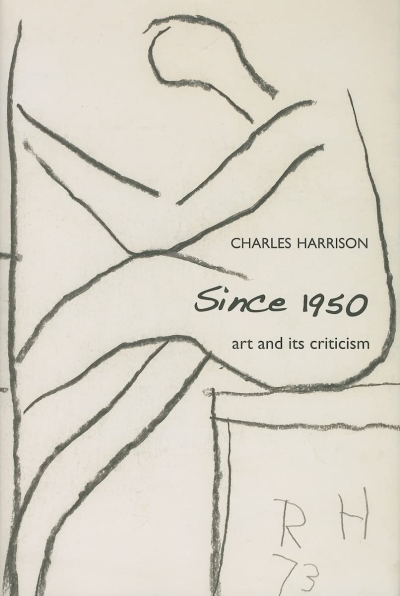
  • Charles Harrison

    Since 1950. art and its criticism

  • gerade nicht auf Lager
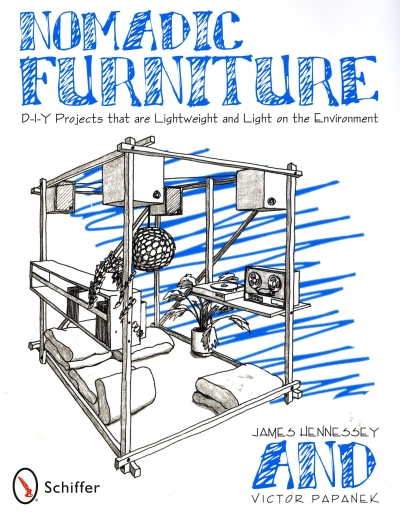
    James Hennessey, Victor Papanek

    Nomadic Furniture. D-I-Y Projects that are Lightweight

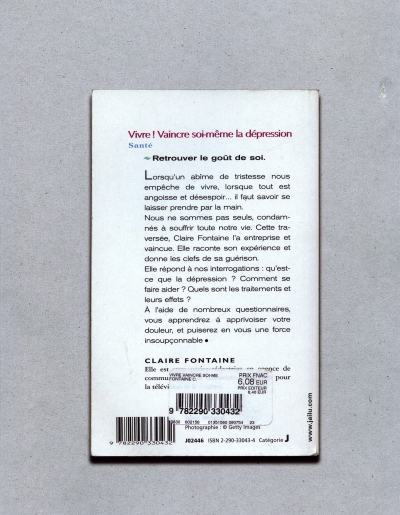
  • Claire Fontaine

    Vivre, vaincre

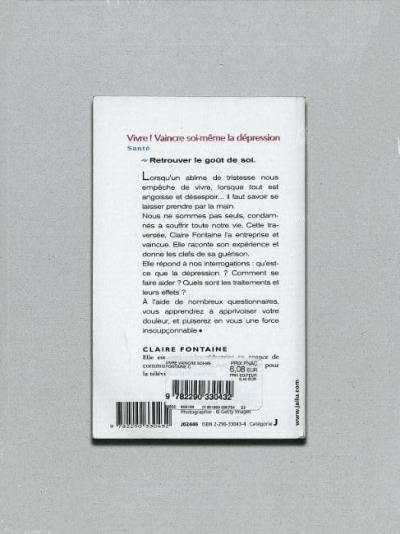
  • Claire Fontaine

    Claire Fontaine. Vivre, Vaincre

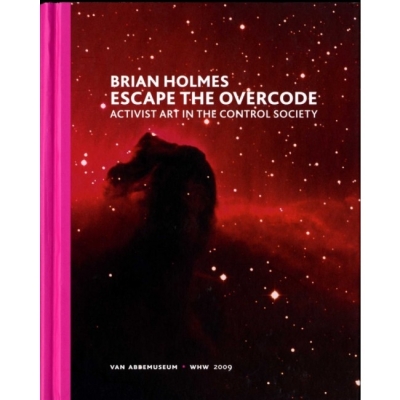
  • Brian Holmes

    Escape the Overcode. Activist Art in the Control Society

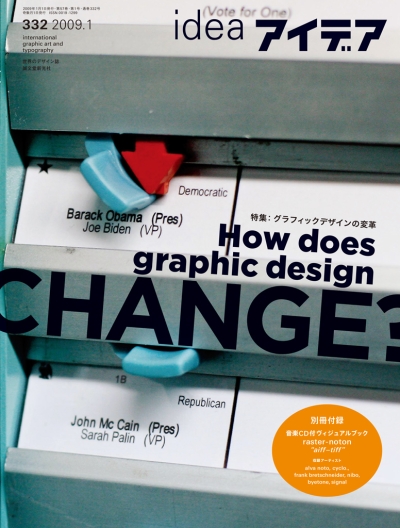
  • IDEA Magazine

    IDEA 332. How does graphic design CHANGE?

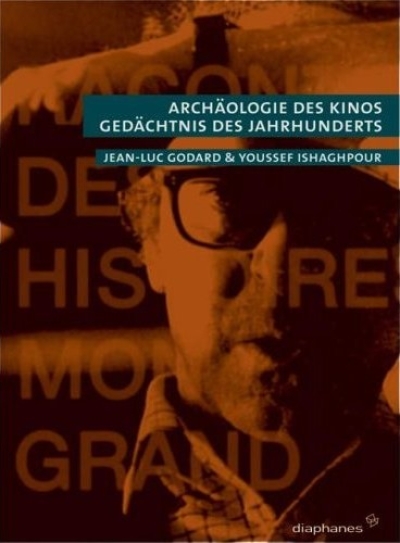
  • Jean-Luc Godard, Youssef Ishaghpour

    Archäologie des Kinos, Gedächtnis des Jahrhunderts

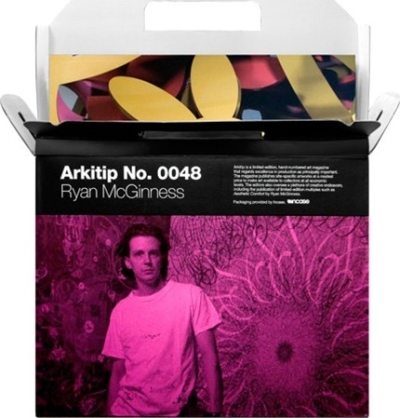
  • Arkitip No. 0048

    Ryan McGinness

  • Rahel Lämmler, Michael Wagner

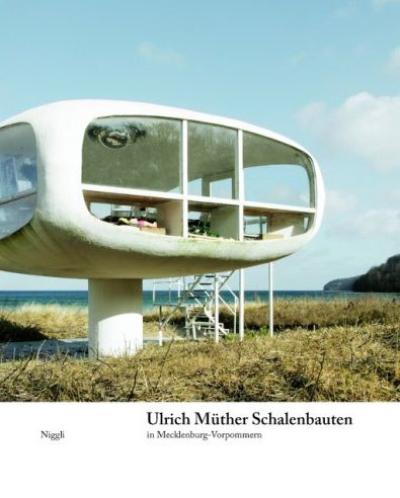
    Ulrich Müther. Schalenbauten in Mecklenburg-Vorpommern

  • Martina Löw

    Soziologie der Städte

  • Sven Spieker

    The Big Archive. Art From Bureaucracy

  • Thomas Meinecke

    Jungfrau

  • Grada Kilomba

    Plantation Memories. Episodes of Everyday Racism

  • An Architektur

    An Architektur 22: GAMMA Grid, 1953. Das Ende des CIAM und…

  • An Architektur

    An Architektur 19-21: Community Design. Involvement and…

  • Antonio Negri

    The Porcelain Workshop. For a New Grammar of Politics

  • Christoph Schaub, Michael Schindhelm

    Bird's Nest (DVD, 87 min.). Jacques Herzog und Pierre…

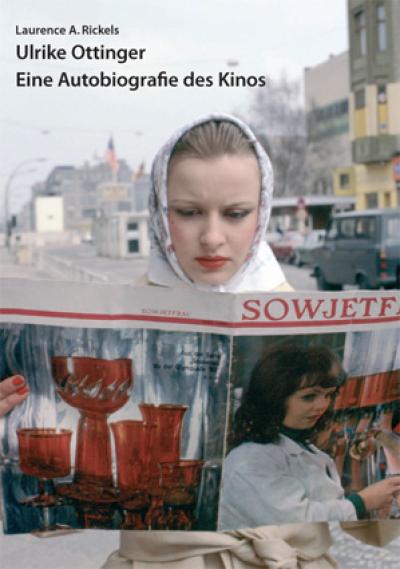
  • Laurence A. Rickels

    Ulrike Ottinger. Eine Autobiografie

  • N. John Habraken, Arnulf Lüchinger

    Die Träger und die Menschen. Das Ende des Massenwohnungsbau…

  • gerade nicht auf Lager
    Guy Debord

    Comments on the Society of the Spectacle

  • Michel de Certeau

    Kunst des Handelns

  • Alain Badiou

    Wofür steht der Name Sarkozy?

  • gerade nicht auf Lager
    Donna Haraway

    Die Neuerfindung der Natur. Primaten, Cyborgs und Frauen.

  • gerade nicht auf Lager
    Stefanie Schulte Strathaus, Florian…

    Wer sagt denn, dass Beton nicht brennt, hast Du’s probiert?

  • gerade nicht auf Lager
    Henri Lefebvre

    Writings on Cities

  • Loretta Napoleoni

    Rogue Economics. Capitalism's New Reality

  • AD

    AD 174. Vol. 75. Nr. 2. Samantha Hardingham. The 1970…

  • An Architektur

    An Architektur 18: Camp for Oppositional Architecture:…

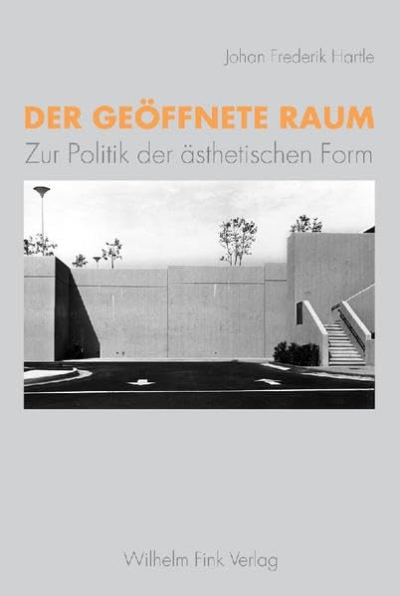
  • Johan Frederik Hartle

    Der geöffnete Raum. Zur Politik der ästhetischen Form

  • An Architektur

    An Architektur 16-17

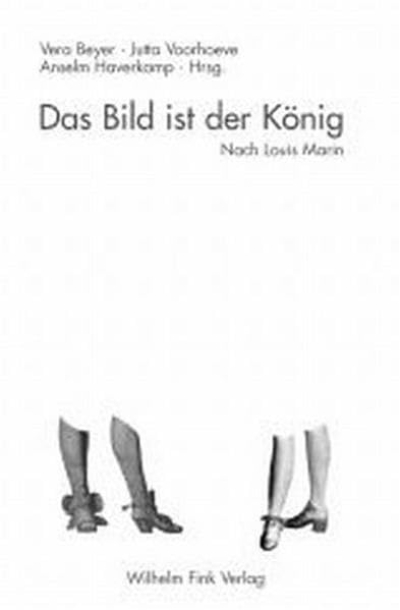
  • Vera Beyer, Jutta Voorhoeve, Anselm…

    Das Bild ist der König. Repräsentation nach Louis Marin

  • An Architektur

    An Architektur 15 / FFM 11: Europäische…

  • An Architektur

    An Architektur 14: Camp for Oppositional Architecture

  • An Architektur

    An Architektur 11-13: Theorie und Praxis der Kartografie

  • An Architektur

    An Architektur 10: Gemeinschaftsräume

  • An Architektur

    An Architektur 04-09: Krieg und die Produktion von Raum

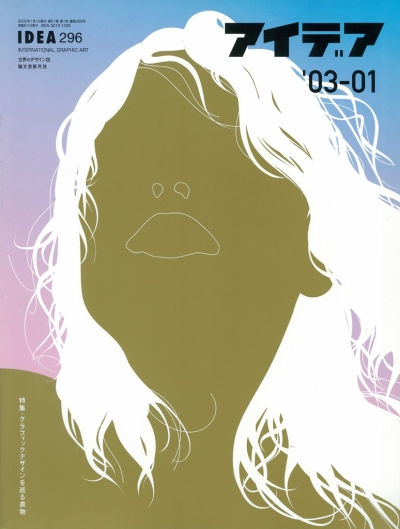
  • IDEA Magazine

    IDEA 296. Books <preposition> graphic design

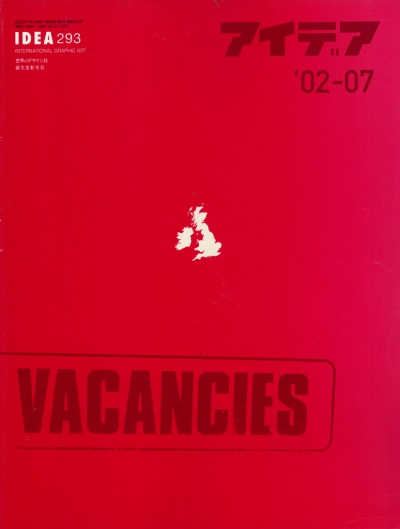
  • IDEA Magazine

    IDEA 293. Stanley Donwood / Vacances. DD-DDD / Dimensions…

  • gerade nicht auf Lager
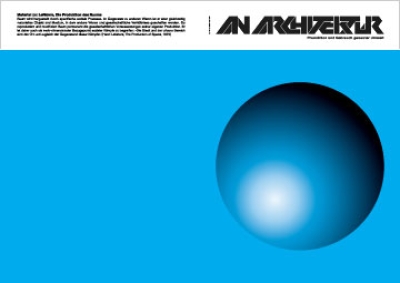
    An Architektur

    An Architektur 01-03

  • Pro qm

    Gutschein / Voucher

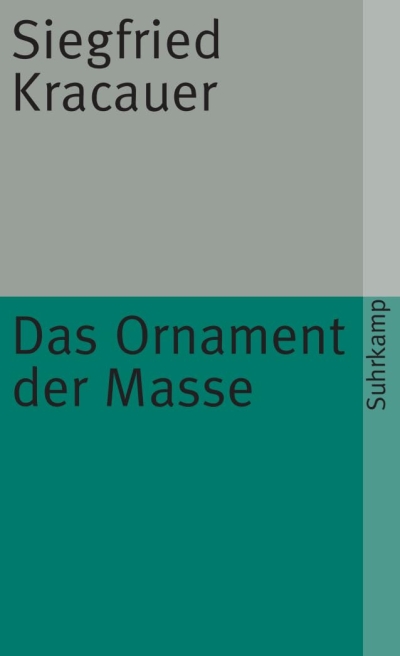
  • Siegfried Kracauer

    Das Ornament der Masse. Essays

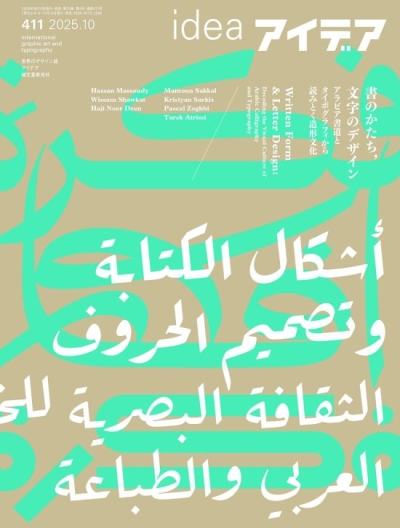
Idea 411. Written Form & Letter Design: Decoding the Visual Culture of Arabic Calligraphy and Typography

For approximately 1,400 years the intertwined form of spirituality and artistic beauty that is Arabic script has sustained both the culture and faith of the Islamic world. Arabic calligraphy flourished with the first writings of the Holy Quran (which had been bequeathed verbally before then) and has since become an appropriate visual expression befitting the Quran’s sublime ideals. Use of images is restricted in the Islamic context; this lends to the positioning of Arabic script as a respected means of visual expression for meaning and beauty to coexist. In particular, this can be seen in religious architecture, such as mosques and madrasas schools, where writings adorn walls and domes alongside geometric and organic motifs, bestowing upon viewers both spiritual profundity and symbolism.

Due to the nature of the unbroken lines of Arabic script and its complex modularity in letterform, the Arabic writing system has been difficult to adapt into the world of printing, and hence Arabic forms of letterpress printing have lagged behind their counterpart European languages. More orthodox forms of Muslim letterpress printing began in the 18th century, and initially faced a major challenge of retaining the beauty in calligraphy while allowing for the mechanical reproduction required.

Today we are witnessing the emergence of diverse attempts to surpass these limitations and bridge tradition and innovation. While some calligraphers reinterpret classical traditions by incorporating modern sensibilities, some designers explore typeface design and layout in the digital world, and pioneer new forms of typographical expression. They all work to preserve the inherent beauty in Arabic calligraphy̶the fluidity and rhythm of its lines and compositions of letter spacing and negative spaces̶and bequeath its legacy through contemporary visual culture such as posters, logotypes, book design, and other forms of media.

This issue’s feature is divided into two parts: chapter 1, Calligraphy, which traces the origin and aesthetics of Arabic calligraphy, and chapter 2, Typography, which explores its more modern developments and printing methods. Read together they reveal the genealogy of the visual culture that Arabic script has established. We hope this feature article assists in reexamining both the form and meaning inherent in Arabic script, and helps us contemplate how this calligraphy culture, with its bedrock in religion, still continues to thrive throughout the ages and accompanying technological changes.

Design by LABORATORIES (Kensaku Kato, Sae Kamata, Sakura Koizumi


IDEA Magazine
Idea 411. Written Form & Letter Design: Decoding the Visual Culture of Arabic Calligraphy and Typography
Seibundo Shinkosha, 2025, IDEA 2025.09
33,50 €