




Direkt zum Inhalt

Warenkorb

  • dérive

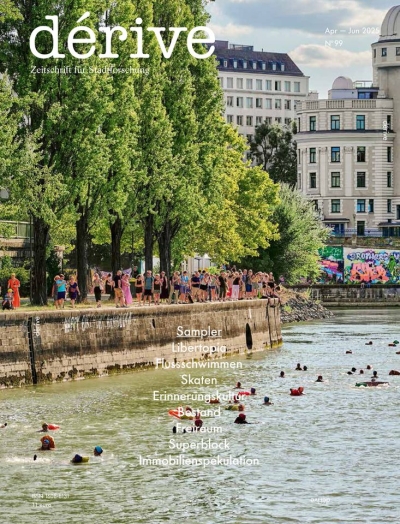
    dérive N° 99, Sampler (Apr - Jun 2025)

  • gerade nicht auf Lager
    Constantin Petcou, Doina Petrescu, EJ…

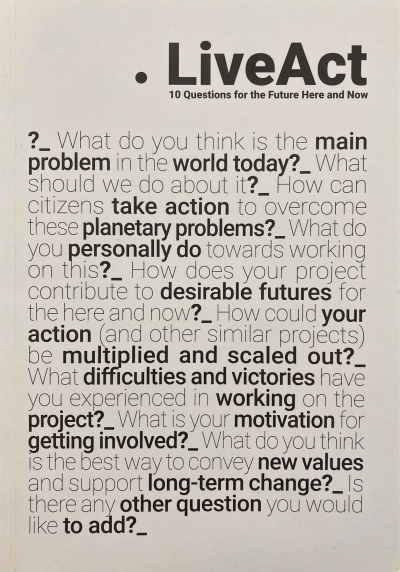
    LiveAct. 10 Questions for the Future Here and Now

  • Niklas Angebauer, Jacob Blumenfeld,…

    Umkämpftes Eigentum. Eine gesellschaftstheoretische Debatte

  • Kirsten Angermann

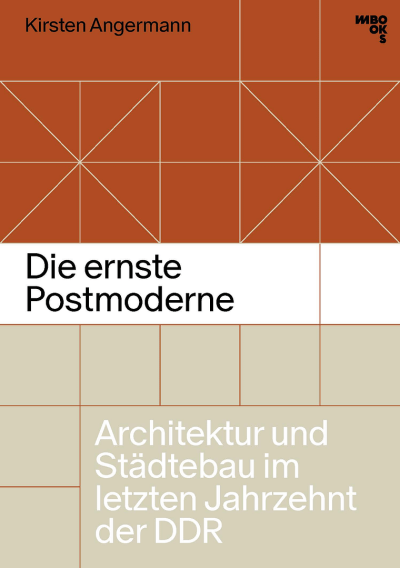
    Die ernste Postmoderne. Architektur und Städtebau im…

  • gerade nicht auf Lager
    Nieuwland

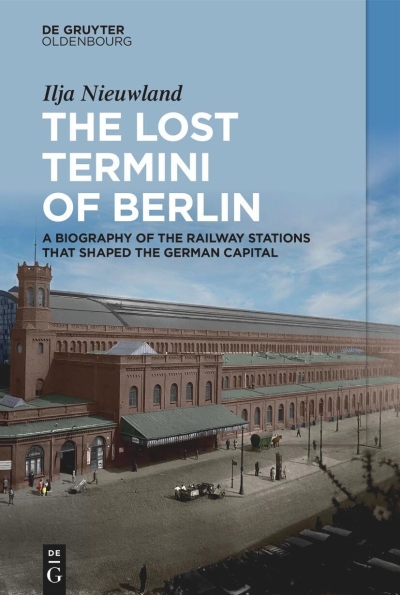
    The Lost Termini of Berlin

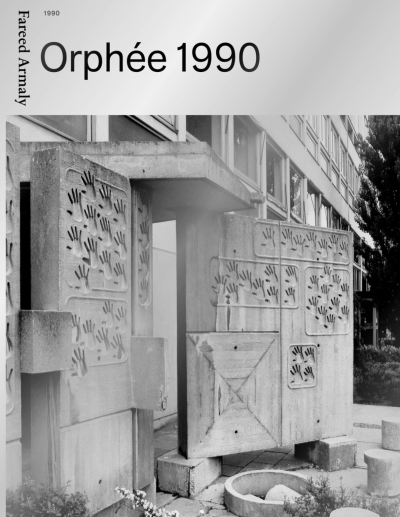
  • Fareed Armaly

    Orphée 1990

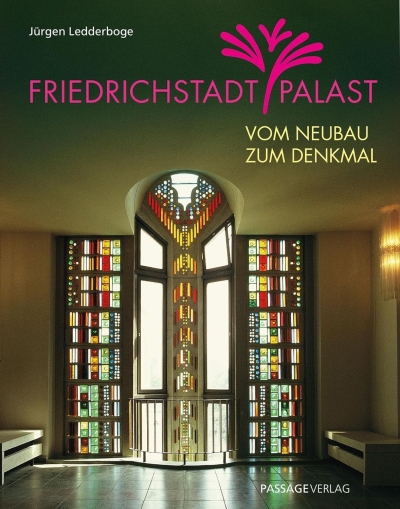
  • Jürgen Ledderboge

    Friedrichstadtpalast. Vom Neubau zum Denkmal

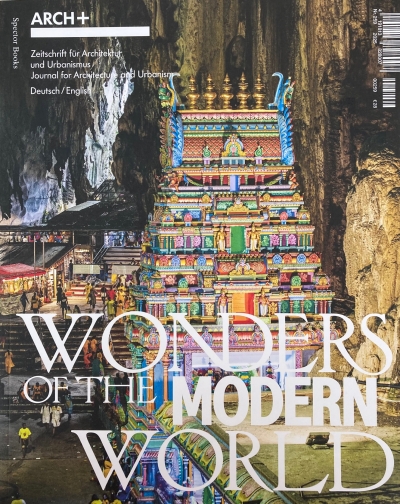
  • Arch+ Zeitschrift für Architektur und…

    ARCH+ 259. Wonders of the Modern World

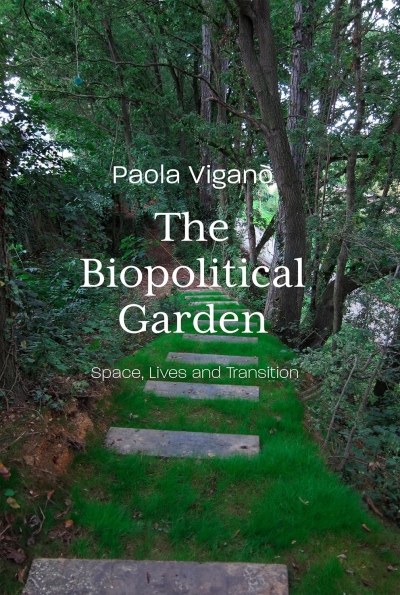
  • Paola Vigano

    The Biopolitical Garden. Space, Life, Transition

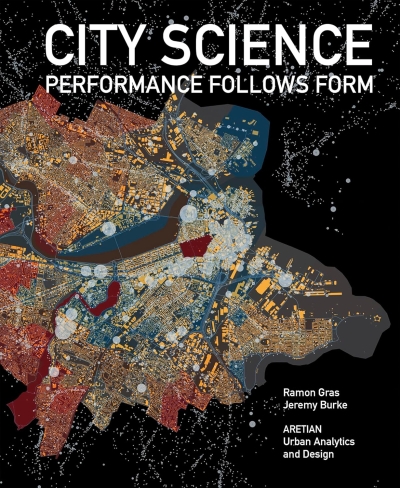
  • Ramon Gras, Jeremy Burke

    City Science. Performance follows Form

  • gerade nicht auf Lager
    Paul B. Preciado

    Dysphoria Mundi

  • gerade nicht auf Lager
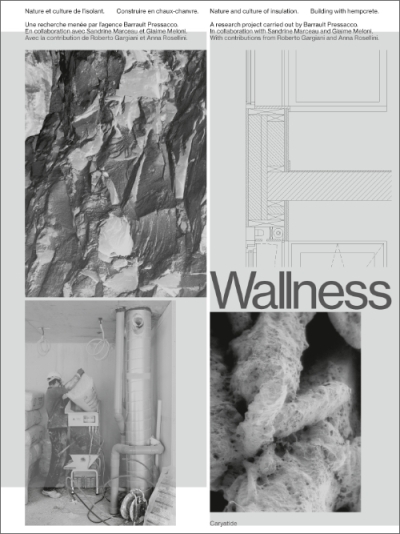
    Barrault Pressacco

    Wallness. Nature and culture of insulation. Building with…

  • Olivier Kaeser (Ed.)

    Dance First Think Later. The Thinking Body between Dance…

  • Paul-Antoine Lucas, Bui Quy Son (Hg)

    Housing, Micropolitics, and Pedagogies. Designing and…

  • Itsuko Hasegawa, Kersten Geers, Jelena…

    Itsuko Hasegawa. Shonandai - Exposing the World

  • gerade nicht auf Lager
    Roger Barta

    Shamans and Robots. On Ritual, the Placebo Effect, and…

  • gerade nicht auf Lager
    Chris Dähne, Martin Mäntele, Helge…

    Programmed for Hope. Architectural Experiments at the HfG…

  • Alexander Kluge

    Aus dem Bauhaus der Natur. Die Republik der Tiere in uns

  • Elizabeth Duval

    Nach Trans. Sex, Gender und die Linke

  • gerade nicht auf Lager
    SendPoints

    Creative Book Design

  • gerade nicht auf Lager
    Bruno Munari

    Bruno Munari. Fantasy. Invention, Creativity, and…

  • Nick Dyer-Witheford, Alessandra Mularoni

    Cybernetic Circulation Complex. Big Tech and Planetary…

  • Andjelka Badnjar, Kristina Pujkilovic,…

    Trees, Time, Architecture! Entwerfen im Wandel

  • Sico Carlier

    Currency #6

  • Julia Bee, Irina Gradinari, Katrin…

    digital:gender – de:mapping affect. Eine spekulative…

  • Zhiyi Cao

    Sediments

  • Tal Stadler

    Strategies for Landing

  • Vladimir Safatle

    Zynismus und das Scheitern der Kritik

  • Philippe Lacoue-Labarthe, Jean-Luc Nancy

    Der Nazi-Mythos

  • Boris Groys

    Zum Kunstwerk werden

  • Luise Rellensmann, Alexander Stumm (Hg.)

    Die Abrissfrage. Fundamente Ökologisches Bauen No 1

  • Marlon Miguel, Elena Vogman (eds.)

    Psychotherapy and Materialism. Essays by François…

  • Olya Kuzovkina

    Road Works (version 1.0)

  • Nadi Abusaada, Wesam Al Asali (eds.)

    Arab Modern. Architecture and the Project of Independence

  • gerade nicht auf Lager
    Luc Boltanski, Arnaud Esquerre

    The Making of Public Space. News, Events and Opinions in…

  • gerade nicht auf Lager
    Nick Couldry

    The Space of the World. Can Human Solidarity Survive Social…

  • gerade nicht auf Lager
    Mark Stoll

    Profit. An Environmental History

  • Guillaume Paoli

    Etwas Besseres als der Optimismus

  • Barragán Foundation

    Barragán Outside Barragán

  • Leila Taylor

    Sick Houses. Haunted Homes and the Architecture of Dread

  • Christina Köchling (Hg.)

    Ästhetik der Technik. Drei Ökohäuser in den 1970-90er Jahre

  • gerade nicht auf Lager
    Prof. Dr. Richard Woditsch (Hg.)

    Chronologie einer Ideologie. Architektur-Biografien im…

  • gerade nicht auf Lager
    Wenke Seemann

    Wenke Seemann. Utopie auf Platte

  • Stefan Heidenreich

    Attraktion und Mitmacht. Wie Kunst dem Kult des Exklusiven…

  • Cornelia Escher, Lars Fischer

    Negotiating Ungers 3. Self Help Housing

  • gerade nicht auf Lager
    Aylin Akyildiz, Karoline Fahl, Steffen…

    Einrichten in der Normalität – Wie Kinder und Jugendliche…

  • Henning Lundkvist

    Columns

  • gerade nicht auf Lager
    Sabine Bitter, Helmut Weber

    Encounter EDUCATIONAL MODERNISM

  • Joseph Vogl

    Meteor. Versuch über das Schwebende

  • gerade nicht auf Lager
    Sezgin Boynik, Tom Holert

    Engström/Farocki: About Narration (1975). Materials,…

  • gerade nicht auf Lager
    Derek Jarman

    Derek Jarman. A Finger in the Fishes Mouth

  • gerade nicht auf Lager
    Jean-Pierre Chupin

    Analogical Thinking in Architecture. Connecting Design and…

  • Scott Colman

    Ludwig Hilberseimer. Reanimating Architecture and the City

  • gerade nicht auf Lager
    Ammar Azzouz

    Domicide. Architecture, War and the Destruction of Home in…

  • gerade nicht auf Lager
    Marko Jobst, Naomi Stead (eds.)

    Queering Architecture. Methods, Practices, Spaces,…

  • Marina Tabassum

    Khudi Bari. A social project by Marina Tabassum Architects…

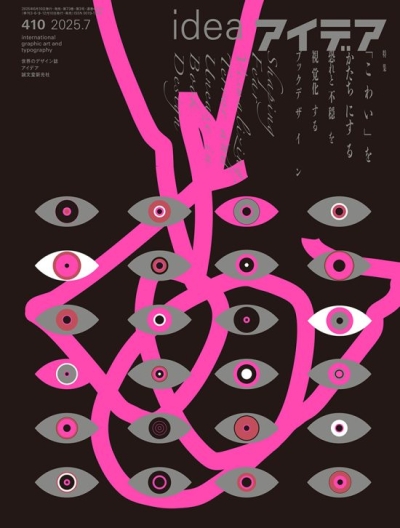
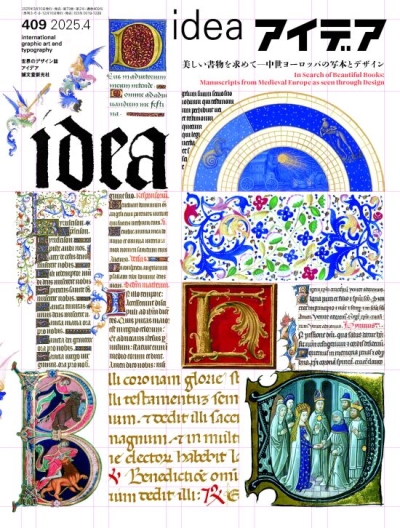
  • IDEA Magazine

    IDEA 408. Pixels Speak: Worlds of Tiny Dots and Design…

  • IDEA Magazine

    IDEA 407. Towards a Future Bound to Print Media: Those Who…

  • IDEA Magazine

    IDEA 406. Ikki Kobayashi - Life through Design Drawings

  • IDEA Magazine

    IDEA 405. Sneaking a Look. Cross Sections, Floor Plans…

  • Ludwig Heimbach (Hg.)

    Mäusebunker und Hygieneinstitut. Eine Berliner…

  • gerade nicht auf Lager
    Pascal Gielen

    Trust. Building on the Cultural Commons

  • gerade nicht auf Lager
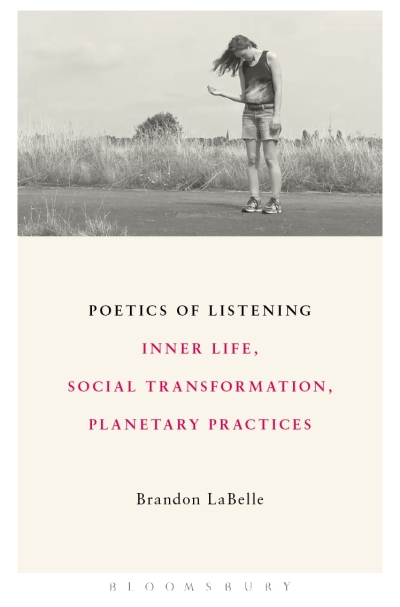
    Irene Revell, Sarah Shin (eds.)

    Bodies of Sound. Becoming a Feminist Ear

  • Ilaria Marotta, Andrea Baccin &…

    The Uncanny House

  • gerade nicht auf Lager
    Enzo Traverso

    Gaza Faces History

  • gerade nicht auf Lager
    Irene V. Small

    The Organic Line

  • gerade nicht auf Lager
    Sandra Schäfer

    Contested Landscapes

  • Nina Franz

    Militärische Bildtechniken. Von der frühen Neuzeit bis ins…

  • Volker Pantenburg

    Einfachheit ohne Vereinfachung. Zur Praxis Harun Farockis

  • Justin Barton, Steve Goodman, Maya B.…

    Sonic Faction. Audio Essay as Medium and Method

  • Lucas Ferraço Nassif

    Unconscious/Television

  • gerade nicht auf Lager
    Terry Farrell, Adam Nathaniel Furman

    Postmodernism. Architecture That Changed Our World

  • Natasha Aruri, Katleen De Flander,…

    Critical Mapping for Municipalist Mobilization. Housing…

  • gerade nicht auf Lager
    Nida Abdullah, Chris Lee, Xinyi Li (…

    Through Witnessing. Threading the critiquing, making,…

  • gerade nicht auf Lager
    Cecilia Casabona, Ginevra Petrozzi (Eds…

    Death Design Data

  • gerade nicht auf Lager
    Miriam Rasch, Jojanneke Gijsen, Harma…

    hands on research for artists, designers & educators

  • gerade nicht auf Lager
    Rosi Braidotti

    Posthuman Knowledge and the Critical Posthumanities

  • gerade nicht auf Lager
    Anna Colin

    Alternative Pedagogical Spaces: From Utopia to…

  • gerade nicht auf Lager
    Annett Jahn, Ulrike Mönnig (Hg.)

    An den Rändern taumelt das Glück. Die späte DDR in der…

  • gerade nicht auf Lager
    Silvia Franceschini, Nikolaus Hirsch,…

    Pre-Architectures

  • gerade nicht auf Lager
    David Toop

    Two-Headed Doctor. Listening For Ghosts in Dr. John's…

  • gerade nicht auf Lager
    Thordis Arrhenius, Ellen Braae, Guttorm…

    Architecture and Welfare. Scandinavian Perspectives

  • NIcole Schweitzer (Hg.)

    Uriel Orlow. Forest Times

  • Michael Schäfer

    Invasive Links

  • Daniel Berndt, Susanne Huber, Christian…

    ambivalent work*s. queer perspectives and art history

  • gerade nicht auf Lager
    Jorge Silvetti, Hg. von Nicolás Delgado…

    Large, Lasting and Inevitable. Jorge Silvetti in Dialogues…

  • gerade nicht auf Lager
    Giulio Bettini, Daniel Penzis

    Typostruktur. Sehnsucht nach architektonischer Relevanz

  • gerade nicht auf Lager
    Laura U. Marks

    The Fold. From Your Body to the Cosmos

  • gerade nicht auf Lager
    Emmanuele de Donno

    Construction of the Universe - Artists' Magazines and…

  • gerade nicht auf Lager
    Julia Grosse, Jenny Schlenzka

    Rirkrit Tiravanija: On Making Less

  • gerade nicht auf Lager
    Harry Vogt,  Martina Seeber (Hg.)

    Radio Cologne Sound. Das Studio für Elektronische Musik des…

  • Marion Hirte, Daniel Ott, Manos…

    Schnee von morgen. Statements zum Musiktheater der Zukunft

  • Claire Bishop

    Merce Cunningham's Events: Key Concepts

  • gerade nicht auf Lager
    Viyaleta Zhurava

    FIGUREN / SHAPES

  • Noura Tafeche

    The Postscriptum 51. The Kawayoku Tales: Aestheticisation…

  • dérive

    dérive N° 98, Eigentum (Jan-Mar 2025)

  • Viktoria Schabert

    Eileen Gray's Museum

  • Arch+ Zeitschrift für Architektur und…

    Arch+ 258. Urbane Praxis

SIAHKAL 2.0: An A.I. resurrected discourse on Marxism & Islam


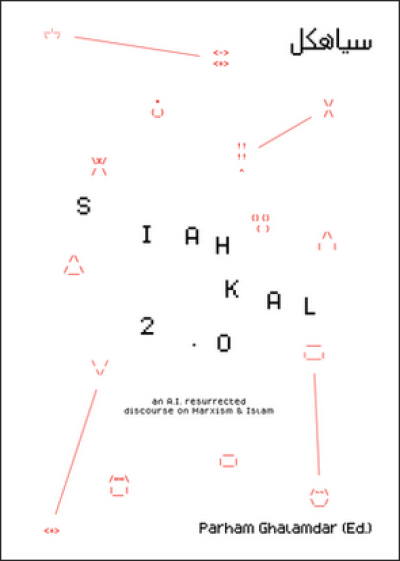
Siahkal names a place in the forests of Gilan and a threshold in revolutionary time. In 1971 a guerrilla action near Siahkal shook the order of the Shah. The action failed militarily yet seeded a myth for the People’s Fedai Guerrillas. Bizhan Jazani, a founding thinker, wrote and painted in prison and was executed in 1975. His work teaches that strategy rather than sentiment endures. // This book treats Siahkal as a Deep Object, a persistent attractor that gathers memory, images, and tactics. An AI model trained on Jazani’s writings and paintings translates his essay on Islamic Marxism and proposes annotations. The machine functions as a probe that widens attention while remaining accountable to the source. Parham Ghalamdar trained the AI, wrote the introduction, and composed ASCII diagrams and diagrammatic readings from Jazani’s artworks. Parsa Esmaeilzadeh contributes an essay that reads Jazani through Karatani and left accelerationism. // It is a call to reimagine and export revolution as a Deep Object that asks for Deep Time to unfold. This clandestine edition invites the reader to study, test, and build strategy that can outlast the news cycle and meet the future head on.

This is a limited edition book. The author trained an LLM on the texts of a deceased theorist, and then proceeded to interact with the LLM and produce simulations of what the theorist may have said in regards to various pertinent topics. The book is primarily a free online resource, but a few copies are being printed to commemorate the work. It has a foreword and afterword by the Editors.

At the core of this project is a translation of “Marxist Islam or Islamic Marxism,” a groundbreaking text written by Bizhan Jazani during his imprisonment in the 1970s under the Shah’s oppressive regime. Translated by Parham Ghalamdar, this work is accompanied by an introduction contextualizing Jazani’s radical vision. Ghalamdar also contributes a series of ASCII-style illustrations and diagrams—AI-assisted reinterpretations of Jazani’s original paintings and photographs—that bridge the past and present, offering a new perspective on his revolutionary artistry.


About the author
Parham Ghalamdar is a multidisciplinary artist currently based in the UK. Ghalamdar’s work traces forgotten mythologies, buried philosophies, and visual ruins, reconfiguring them into speculative worlds where memory, fiction, and futurism collapse into one another. Drawing on cybernetic theory and generative AI, he explores how systems of feedback, simulation, and machine vision mediate our understanding of history and possibility. Through painting, film, and writing, he builds narratives that feel both ancient and yet-to-come, haunted by lost histories and animated by possible futures.


Siahkal
names a place in the forests of Gilan and a threshold in revolutionary
time. In 1971 a guerrilla action near Siahkal shook the order of the
Shah. The action failed militarily yet seeded a myth for the People’s
Fedai Guerrillas. Bizhan Jazani, a founding thinker, wrote and painted
in prison and was executed in 1975. His work teaches that strategy
rather than sentiment endures. // This book treats Siahkal as a Deep
Object, a persistent attractor that gathers memory, images, and tactics.
An AI model trained on Jazani’s writings and paintings translates his
essay on Islamic Marxism and proposes annotations. The machine functions
as a probe that widens attention while remaining accountable to the
source. Parham Ghalamdar trained the AI, wrote the introduction, and
composed ASCII diagrams and diagrammatic readings from Jazani’s
artworks. Parsa Esmaeilzadeh contributes an essay that reads Jazani
through Karatani and left accelerationism. // It is a call to reimagine
and export revolution as a Deep Object that asks for Deep Time to
unfold. This clandestine edition invites the reader to study, test, and
build strategy that can outlast the news cycle and meet the future head
on.


This is a limited edition book. The author trained an LLM on the texts
of a deceased theorist, and then proceeded to interact with the LLM and
produce simulations of what the theorist may have said in regards to
various pertinent topics. The book is primarily a free online resource,
but a few copies are being printed to commemorate the work. It has a
foreword and afterword by the Editors.


At the core of this project is a translation of “Marxist Islam or
Islamic Marxism,” a groundbreaking text written by Bizhan Jazani during
his imprisonment in the 1970s under the Shah’s oppressive regime.
Translated by Parham Ghalamdar, this work is accompanied by an
introduction contextualizing Jazani’s radical vision. Ghalamdar also
contributes a series of ASCII-style illustrations and
diagrams—AI-assisted reinterpretations of Jazani’s original paintings
and photographs—that bridge the past and present, offering a new
perspective on his revolutionary artistry.


About the author

Parham Ghalamdar is a multidisciplinary artist currently based in the
UK. Ghalamdar’s work traces forgotten mythologies, buried philosophies,
and visual ruins, reconfiguring them into speculative worlds where
memory, fiction, and futurism collapse into one another. Drawing on
cybernetic theory and generative AI, he explores how systems of
feedback, simulation, and machine vision mediate our understanding of
history and possibility. Through painting, film, and writing, he builds
narratives that feel both ancient and yet-to-come, haunted by lost
histories and animated by possible futures.


Siahkal
names a place in the forests of Gilan and a threshold in revolutionary
time. In 1971 a guerrilla action near Siahkal shook the order of the
Shah. The action failed militarily yet seeded a myth for the People’s
Fedai Guerrillas. Bizhan Jazani, a founding thinker, wrote and painted
in prison and was executed in 1975. His work teaches that strategy
rather than sentiment endures. // This book treats Siahkal as a Deep
Object, a persistent attractor that gathers memory, images, and tactics.
An AI model trained on Jazani’s writings and paintings translates his
essay on Islamic Marxism and proposes annotations. The machine functions
as a probe that widens attention while remaining accountable to the
source. Parham Ghalamdar trained the AI, wrote the introduction, and
composed ASCII diagrams and diagrammatic readings from Jazani’s
artworks. Parsa Esmaeilzadeh contributes an essay that reads Jazani
through Karatani and left accelerationism. // It is a call to reimagine
and export revolution as a Deep Object that asks for Deep Time to
unfold. This clandestine edition invites the reader to study, test, and
build strategy that can outlast the news cycle and meet the future head
on.


This is a limited edition book. The author trained an LLM on the texts
of a deceased theorist, and then proceeded to interact with the LLM and
produce simulations of what the theorist may have said in regards to
various pertinent topics. The book is primarily a free online resource,
but a few copies are being printed to commemorate the work. It has a
foreword and afterword by the Editors.


At the core of this project is a translation of “Marxist Islam or
Islamic Marxism,” a groundbreaking text written by Bizhan Jazani during
his imprisonment in the 1970s under the Shah’s oppressive regime.
Translated by Parham Ghalamdar, this work is accompanied by an
introduction contextualizing Jazani’s radical vision. Ghalamdar also
contributes a series of ASCII-style illustrations and
diagrams—AI-assisted reinterpretations of Jazani’s original paintings
and photographs—that bridge the past and present, offering a new
perspective on his revolutionary artistry.


About the author

Parham Ghalamdar is a multidisciplinary artist currently based in the
UK. Ghalamdar’s work traces forgotten mythologies, buried philosophies,
and visual ruins, reconfiguring them into speculative worlds where
memory, fiction, and futurism collapse into one another. Drawing on
cybernetic theory and generative AI, he explores how systems of
feedback, simulation, and machine vision mediate our understanding of
history and possibility. Through painting, film, and writing, he builds
narratives that feel both ancient and yet-to-come, haunted by lost
histories and animated by possible futures.


Siahkal names a place in the forests of Gilan and a threshold in revolutionary time. In 1971 a guerrilla action near Siahkal shook the order of the Shah. The action failed militarily yet seeded a myth for the People’s Fedai Guerrillas. Bizhan Jazani, a founding thinker, wrote and painted in prison and was executed in 1975. His work teaches that strategy rather than sentiment endures. // This book treats Siahkal as a Deep Object, a persistent attractor that gathers memory, images, and tactics. An AI model trained on Jazani’s writings and paintings translates his essay on Islamic Marxism and proposes annotations. The machine functions as a probe that widens attention while remaining accountable to the source. Parham Ghalamdar trained the AI, wrote the introduction, and composed ASCII diagrams and diagrammatic readings from Jazani’s artworks. Parsa Esmaeilzadeh contributes an essay that reads Jazani through Karatani and left accelerationism. // It is a call to reimagine and export revolution as a Deep Object that asks for Deep Time to unfold. This clandestine edition invites the reader to study, test, and build strategy that can outlast the news cycle and meet the future head on.

This is a limited edition book. The author trained an LLM on the texts of a deceased theorist, and then proceeded to interact with the LLM and produce simulations of what the theorist may have said in regards to various pertinent topics. The book is primarily a free online resource, but a few copies are being printed to commemorate the work. It has a foreword and afterword by the Editors. 

At the core of this project is a translation of “Marxist Islam or Islamic Marxism,” a groundbreaking text written by Bizhan Jazani during his imprisonment in the 1970s under the Shah’s oppressive regime. Translated by Parham Ghalamdar, this work is accompanied by an introduction contextualizing Jazani’s radical vision. Ghalamdar also contributes a series of ASCII-style illustrations and diagrams—AI-assisted reinterpretations of Jazani’s original paintings and photographs—that bridge the past and present, offering a new perspective on his revolutionary artistry.


“Bizhan Jazani”, Parham Ghalamdar
SIAHKAL 2.0: An A.I. resurrected discourse on Marxism & Islam
Becoming Press, 2025, 978-9925-8207-7-1
15,00 €