Direkt zum Inhalt

Warenkorb

  • gerade nicht auf Lager
    Jacques Ranciere

    Ist Kunst widerständig?

  • Alain Badiou

    Wofür steht der Name Sarkozy?

  • gerade nicht auf Lager
    Donna Haraway

    Die Neuerfindung der Natur. Primaten, Cyborgs und Frauen.

  • gerade nicht auf Lager
    Stefanie Schulte Strathaus, Florian…

    Wer sagt denn, dass Beton nicht brennt, hast Du’s probiert?

  • gerade nicht auf Lager
    Henri Lefebvre

    Writings on Cities

  • gerade nicht auf Lager
    Henri Lefebvre

    The Production of Space

  • Hiromasa Shirai, André Schmidt (Hg.)

    Big Bang Beijing. Urban Change in Beijing

  • gerade nicht auf Lager
    John F. C. Turner

    Housing by People. Towards Autonomy in Building…

  • Loretta Napoleoni

    Rogue Economics. Capitalism's New Reality

  • AD

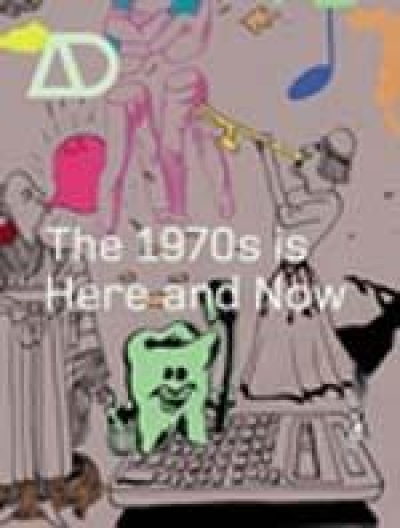
    AD 174. Vol. 75. Nr. 2. Samantha Hardingham. The 1970'…

  • An Architektur

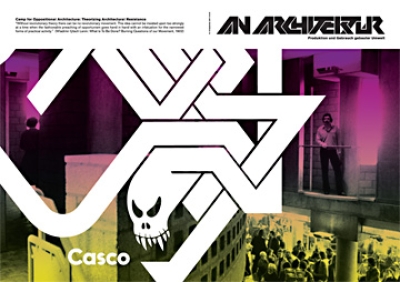
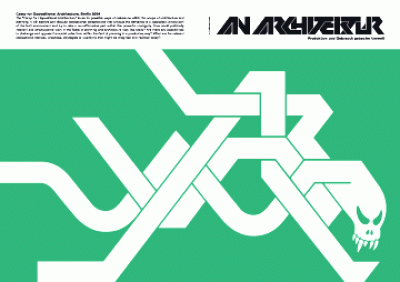
    An Architektur 18: Camp for Oppositional Architecture:…

  • Johan Frederik Hartle

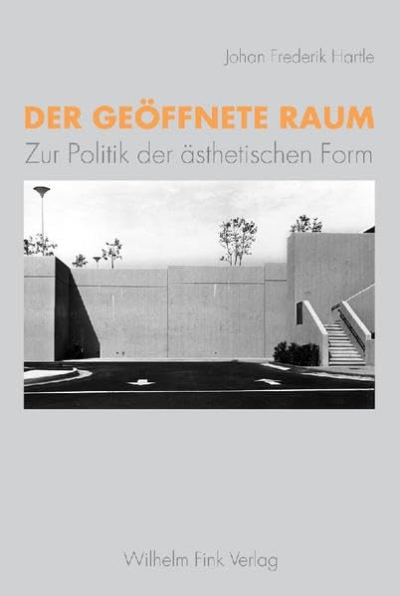
    Der geöffnete Raum. Zur Politik der ästhetischen Form

  • An Architektur

    An Architektur 16-17

  • Vera Beyer, Jutta Voorhoeve, Anselm…

    Das Bild ist der König. Repräsentation nach Louis Marin

  • An Architektur

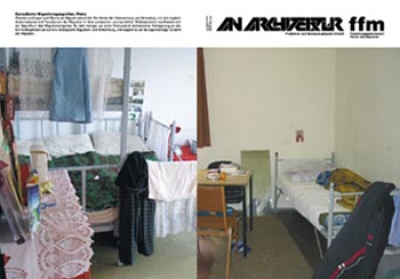
    An Architektur 15 / FFM 11: Europäische…

  • An Architektur

    An Architektur 14: Camp for Oppositional Architecture

  • An Architektur

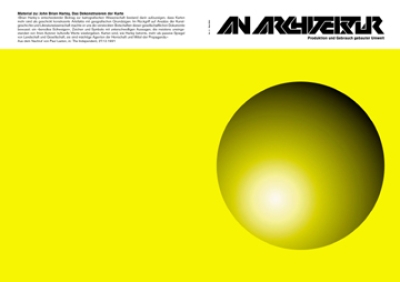
    An Architektur 11-13: Theorie und Praxis der Kartografie

  • An Architektur

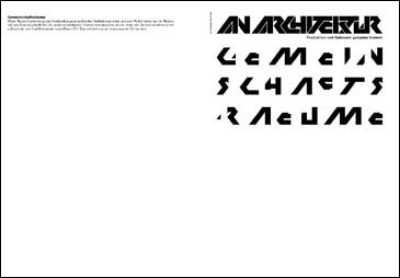
    An Architektur 10: Gemeinschaftsräume

  • An Architektur

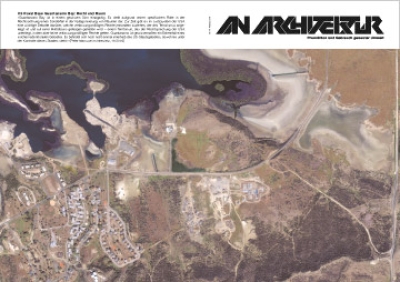
    An Architektur 04-09: Krieg und die Produktion von Raum

  • IDEA Magazine

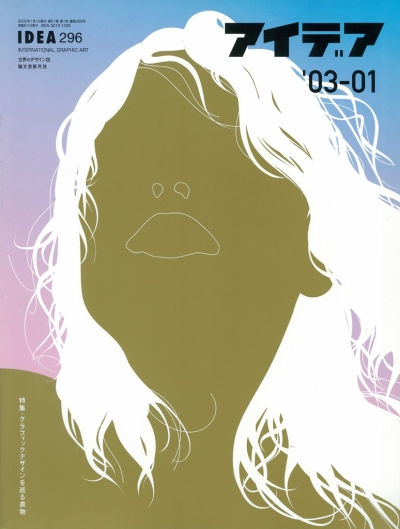
    IDEA 296. Books <preposition> graphic design

  • IDEA Magazine

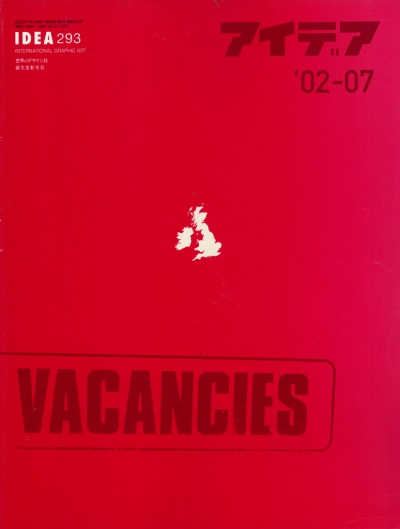
    IDEA 293. Stanley Donwood / Vacances. DD-DDD / Dimensions…

  • gerade nicht auf Lager
    An Architektur

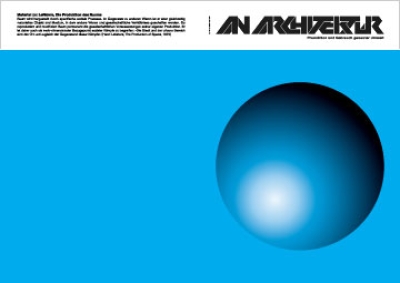
    An Architektur 01-03

  • Pro qm

    Gutschein / Voucher

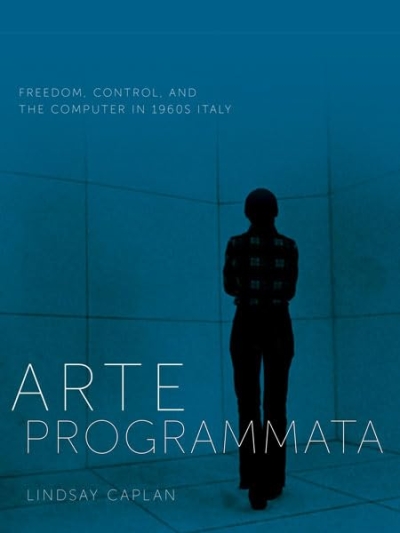
Arte Programmata. Freedom, Control, and the Computer in 1960s Italy

In postwar Italy, a group of visionary artists used emergent computer technologies as both tools of artistic production and a means to reconceptualize the dynamic interrelation between individual freedom and collectivity. Working contrary to assumptions that the rigid, structural nature of programming limits subjectivity, this book traces the multifaceted practices of these groundbreaking artists and their conviction that technology could provide the conditions for a liberated social life.

Situating their developments within the context of the Cold War and the ensuing crisis among the Italian left, Arte Programmata describes how Italy’s distinctive political climate fueled the group’s engagement with computers, cybernetics, and information theory. Creating a broad range of immersive environments, kinetic sculptures, domestic home goods, and other multimedia art and design works, artists such as Bruno Munari, Enzo Mari, and others looked to the conceptual frameworks provided by this new technology to envision a way out of the ideological impasses of the age.

Showcasing the ingenuity of Italy’s earliest computer-based art, this study highlights its distinguishing characteristics while also exploring concurrent developments across the globe. Centered on the relationships between art, technology, and politics, Arte Programmata considers an important antecedent to the digital age. 


Lindsay Caplan
Arte Programmata. Freedom, Control, and the Computer in 1960s Italy
University of Minnesota Press, 2022, 9781517909956
32,00 €