






Direkt zum Inhalt

Warenkorb

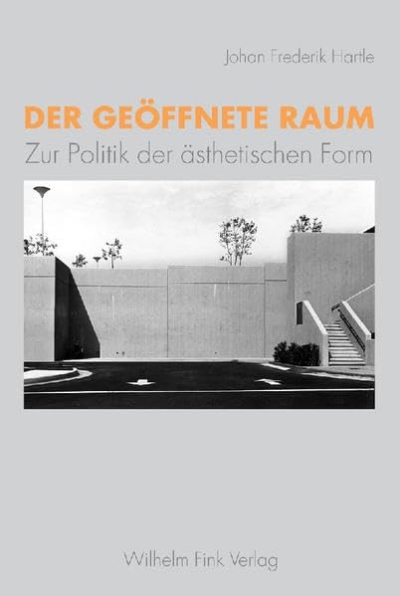
  • Johan Frederik Hartle

    Der geöffnete Raum. Zur Politik der ästhetischen Form

  • Jörg Dünne, Stephan Günzel (Hg.)

    Raumtheorie. Grundlagentexte aus Philosophie und…

  • An Architektur

    An Architektur 16-17

  • Vera Beyer, Jutta Voorhoeve, Anselm…

    Das Bild ist der König. Repräsentation nach Louis Marin

  • An Architektur

    An Architektur 15 / FFM 11: Europäische…

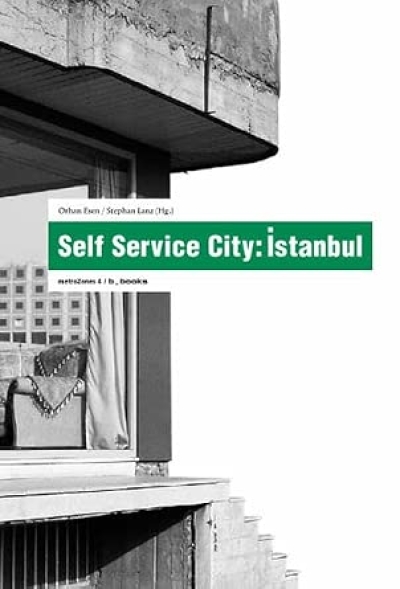
  • Orhan Esen, Stephan Lanz (Hg)

    Self Service City. Istanbul (metrozones 4)

  • An Architektur

    An Architektur 14: Camp for Oppositional Architecture

  • Stephan Lanz (Hg.)

    City of COOP. Ersatzökonomiern und städtische Bewegungen in…

  • An Architektur

    An Architektur 11-13: Theorie und Praxis der Kartografie

  • An Architektur

    An Architektur 10: Gemeinschaftsräume

  • Jochen Becker, Stephan Lanz (Hg.)

    Space//Troubles. Jenseits des Guten Regierens:…

  • Sarai media lab

    Sarai Reader 03: shaping technologies

  • An Architektur

    An Architektur 04-09: Krieg und die Produktion von Raum

  • IDEA Magazine

    IDEA 296. Books <preposition> graphic design

  • IDEA Magazine

    IDEA 293. Stanley Donwood / Vacances. DD-DDD / Dimensions…

  • gerade nicht auf Lager
    An Architektur

    An Architektur 01-03

  • Martina Löw

    Raumsoziologie

  • Pro qm

    Gutschein / Voucher

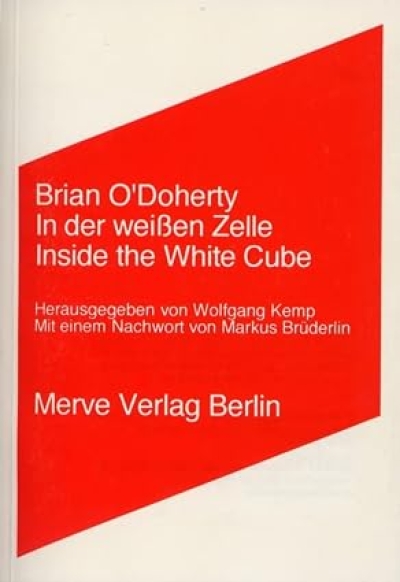
  • Brian O'Doherty

    In der weissen Zelle. Inside the White Cube

  • gerade nicht auf Lager
    Siegfried Kracauer

    Das Ornament der Masse. Essays

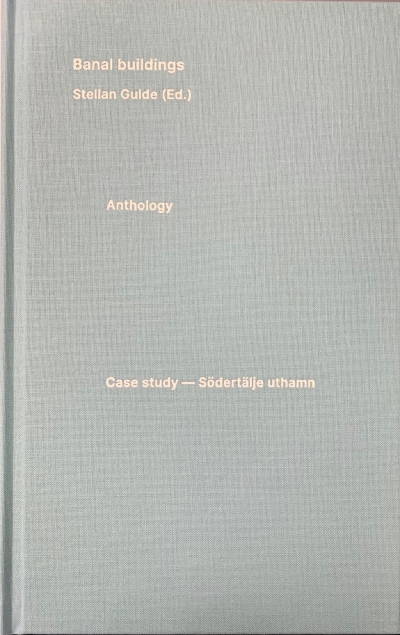
Cover "Banal buildings"

Banal Buildings. Anthology

Banal buildings, sometimes located in plain sight, other times on urban fringes, in the countryside, or perceived as minor matters next to more prominent buildings, are fascinating because they do not immediately attract attention. They are treated with indifference by most, anonymously omnipresent, and maintainers of normality. Normality is neither spectacular, brutal, nor beautiful and can vary in scale from the big box to the small shed. These buildings are perceived as straight, ugly, and ordinary when the spatial and structural system’s sole purpose is to serve the program without intentional architectural specificities. As spaces of accumulation, they support both production and storage. 


Stellan Gulde (Ed.)
Banal Buildings. Anthology
banal books, 2024, 978-91-531-1459-8
gerade nicht auf Lager