





Direkt zum Inhalt

Warenkorb

  • gerade nicht auf Lager
    Gwen Allen

    Artists' Magazines. An Alternative Space for Art [pb]

  • gerade nicht auf Lager
    Chris Kraus

    Where Art Belongs

  • Beatriz Colomina, Craig Buckley (Hg.)

    Clip, Stamp, Fold. The Radical Architecture of Little…

  • gerade nicht auf Lager
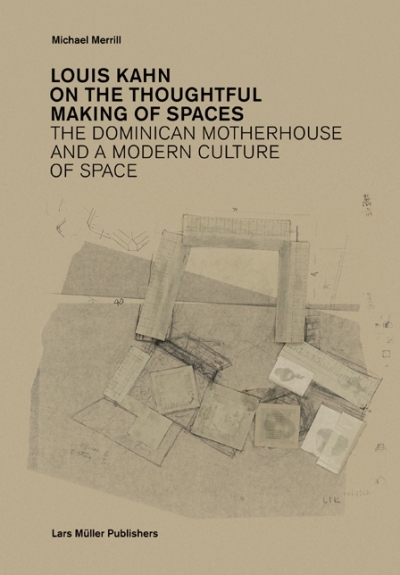
    Michael Merrill

    Louis Kahn. On the Thoughtful Making of Spaces

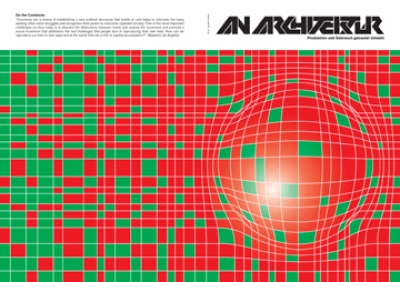
  • An Architektur

    An Architektur 23: On the Commons

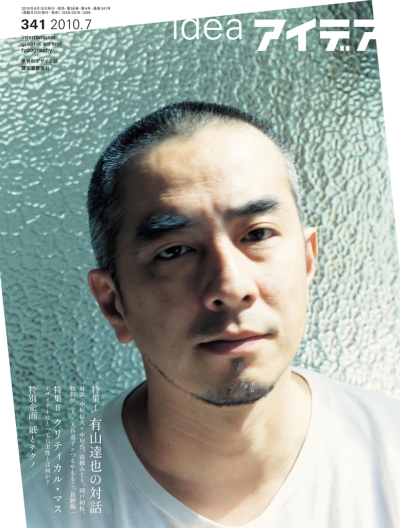
  • IDEA Magazine

    IDEA 341. Dialogues with Tatsuya Ariyama

  • gerade nicht auf Lager
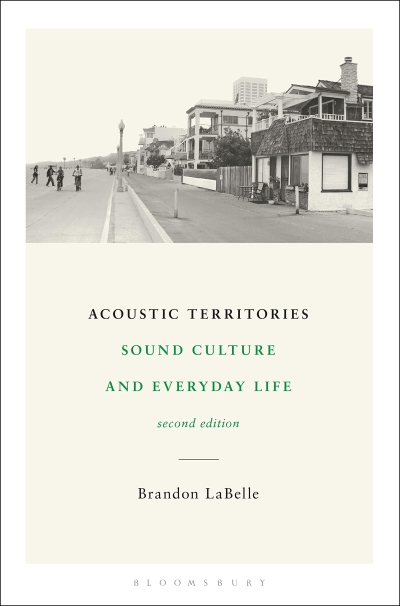
    Brandon LaBelle

    Acoustic Territories. Sound Culture and Everyday Life.…

  • gerade nicht auf Lager
    Adolf Opel (Hg.)

    Adolf Loos. Gesammelte Schriften

  • Pal Ahluwalia

    Out of Africa. Post-Structuralism's Colonial Roots

  • Christoph Schäfer

    Die Stadt ist unsere Fabrik. The City is Our Factory.

  • Stefan Marx

    85 Zeichnungen

  • Sandra Schaefer

    Stagings. Kabul, Film & Production of Representation

  • gerade nicht auf Lager
    Steve Goodman

    Sonic Warfare. Sound, Affect, and the Ecology of Fear

  • Gui Bonsiepe

    Entwurfskultur und Gesellschaft. Gestaltung zwischen…

  • gerade nicht auf Lager
    Claire Doherty (Hg.)

    Situation. Documents of Contemporary Art

  • Charles Harrison

    Since 1950. art and its criticism

  • gerade nicht auf Lager
    James Hennessey, Victor Papanek

    Nomadic Furniture. D-I-Y Projects that are Lightweight

  • Claire Fontaine

    Vivre, vaincre

  • Claire Fontaine

    Claire Fontaine. Vivre, Vaincre

  • Brian Holmes

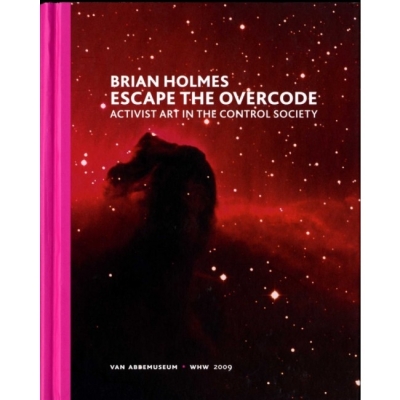
    Escape the Overcode. Activist Art in the Control Society

  • IDEA Magazine

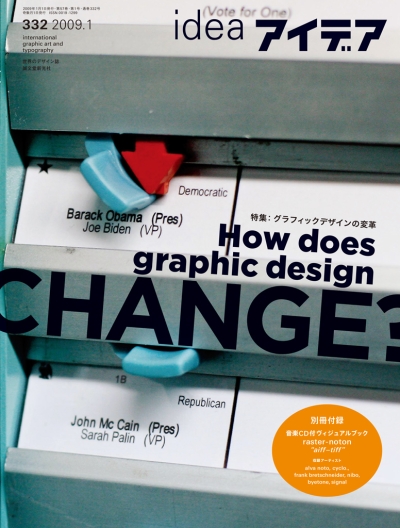
    IDEA 332. How does graphic design CHANGE?

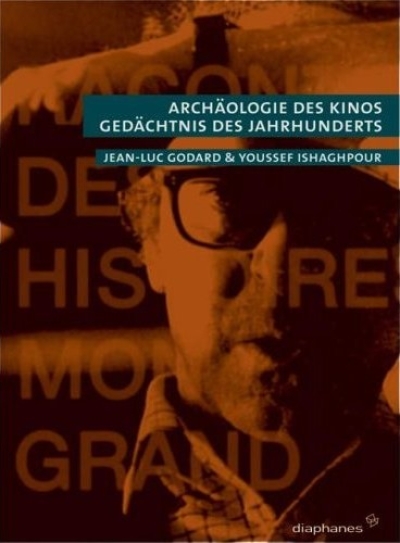
  • Jean-Luc Godard, Youssef Ishaghpour

    Archäologie des Kinos, Gedächtnis des Jahrhunderts

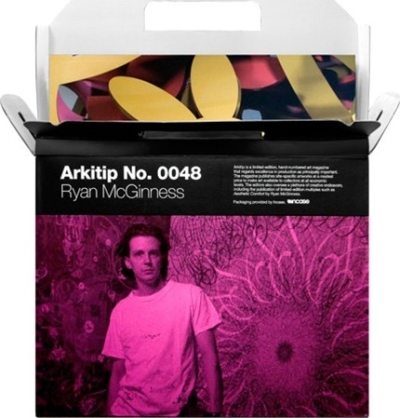
  • Arkitip No. 0048

    Ryan McGinness

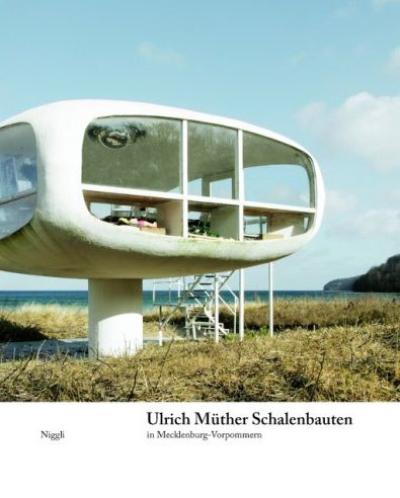
  • Rahel Lämmler, Michael Wagner

    Ulrich Müther. Schalenbauten in Mecklenburg-Vorpommern

  • Martina Löw

    Soziologie der Städte

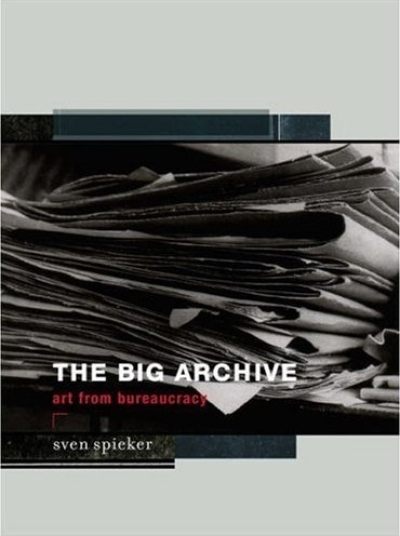
  • Sven Spieker

    The Big Archive. Art From Bureaucracy

  • Thomas Meinecke

    Jungfrau

  • Grada Kilomba

    Plantation Memories. Episodes of Everyday Racism

  • An Architektur

    An Architektur 22: GAMMA Grid, 1953. Das Ende des CIAM und…

  • An Architektur

    An Architektur 19-21: Community Design. Involvement and…

  • Antonio Negri

    The Porcelain Workshop. For a New Grammar of Politics

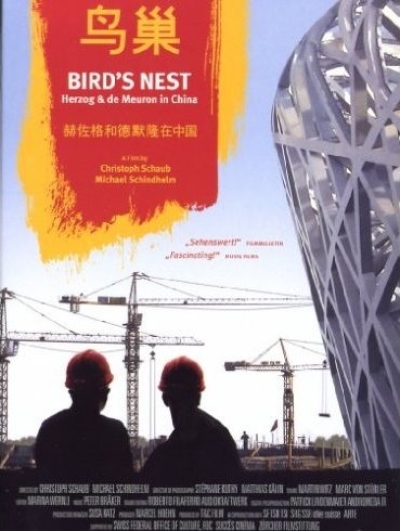
  • Christoph Schaub, Michael Schindhelm

    Bird's Nest (DVD, 87 min.). Jacques Herzog und Pierre…

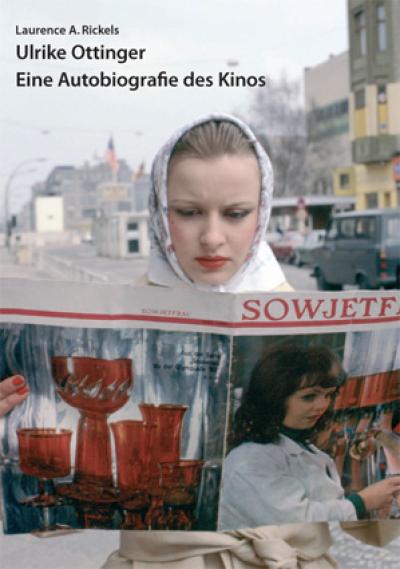
  • Laurence A. Rickels

    Ulrike Ottinger. Eine Autobiografie

  • N. John Habraken, Arnulf Lüchinger

    Die Träger und die Menschen. Das Ende des Massenwohnungsbau…

  • gerade nicht auf Lager
    Guy Debord

    Comments on the Society of the Spectacle

  • Michel de Certeau

    Kunst des Handelns

  • Alain Badiou

    Wofür steht der Name Sarkozy?

  • gerade nicht auf Lager
    Donna Haraway

    Die Neuerfindung der Natur. Primaten, Cyborgs und Frauen.

  • gerade nicht auf Lager
    Stefanie Schulte Strathaus, Florian…

    Wer sagt denn, dass Beton nicht brennt, hast Du’s probiert?

  • gerade nicht auf Lager
    Henri Lefebvre

    Writings on Cities

  • Loretta Napoleoni

    Rogue Economics. Capitalism's New Reality

  • AD

    AD 174. Vol. 75. Nr. 2. Samantha Hardingham. The 1970…

  • An Architektur

    An Architektur 18: Camp for Oppositional Architecture:…

  • Johan Frederik Hartle

    Der geöffnete Raum. Zur Politik der ästhetischen Form

  • An Architektur

    An Architektur 16-17

  • Vera Beyer, Jutta Voorhoeve, Anselm…

    Das Bild ist der König. Repräsentation nach Louis Marin

  • An Architektur

    An Architektur 15 / FFM 11: Europäische…

  • An Architektur

    An Architektur 14: Camp for Oppositional Architecture

  • An Architektur

    An Architektur 11-13: Theorie und Praxis der Kartografie

  • An Architektur

    An Architektur 10: Gemeinschaftsräume

  • An Architektur

    An Architektur 04-09: Krieg und die Produktion von Raum

  • IDEA Magazine

    IDEA 296. Books <preposition> graphic design

  • IDEA Magazine

    IDEA 293. Stanley Donwood / Vacances. DD-DDD / Dimensions…

  • gerade nicht auf Lager
    An Architektur

    An Architektur 01-03

  • Pro qm

    Gutschein / Voucher

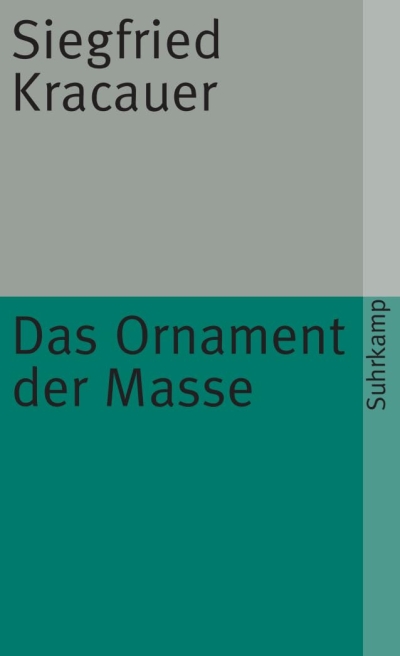
  • Siegfried Kracauer

    Das Ornament der Masse. Essays

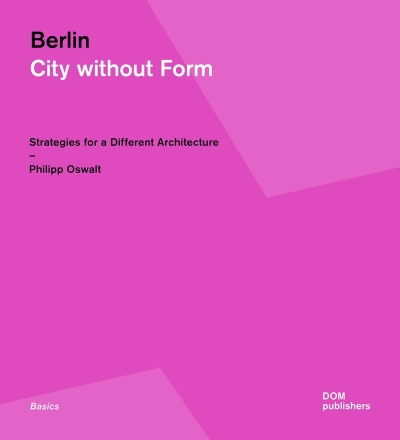
Berlin. City Without Form

Strategies for a Different Architecture
Berlin was shaped by the events of the twentieth century in a process of “automatic urbanism.” More than any other metropolis, the city absorbed the forces of that epoch — modernity, fascism, two world wars, Stalinism, socialism, the Cold War, revolt, capitalism — and gave them form. This book shows how even today, opposed ideological, political, economic, and military forces continue to produce unplanned structures and activities and urban phenomena beyond the categories of urban design and architecture that conceal rich potential. Berlin reveals particularly clearly phenomena that have shaped urban development in the twentieth century in other places as well: conglomeration, collision of borders, ­destruction, void, mass, metabolism, and simulation. The present book, which caused a sensation when first published in German twenty years ago, is now being published in English for the first time. Its surprising and informative analysis of ­Berlin as a prototype of the modern city destroys the ideologies of heroic modernity as well as the new nationalisms and shows how the modern city “as found” can become the point of departure for new forms of context-specific architecture and urban planning.
Taking Berlin as a prototype, Philipp Oswalt’s lucid analysis describes how much the built environment of cities is influenced by the unintended side-effects of political, economic, and technological processes. This “automatic urbanism” reveals modernist master-planning and national building traditions as being a myth. Instead, the book offers a both socially and ecologically more sensitive, more responsible approach to develop cities “as found.”
Saskia Sassen, Columbia University New York
This English edition of Philipp Oswalt’s now-classic study could not be more timely. Every effort to understand the modern city must contend with Berlin, the twentieth century’s anti-capital. Its lessons, presented here with singular insight and authority, remain necessary to anyone thinking about what that word — “city” — might still mean today.
Reinhold Martin, Columbia University New York
Berlin has never only been a theatre in the battle between ideas and ideologies. Rather, it has always been the material means by which these ideas clash against each other. If the struggle for our futures must take place in Berlin, as our historical moment seems to demand, there is no better guide than Philipp Oswalt’s now classic Berlin: City Without Form. His scholarly ingenuity and perceptive architect’s eye are only matched by a commitment to the future of his city.
Eyal Weizman, Goldsmiths/University of London


Philipp Oswalt with Anthony Fontenot
Berlin. City Without Form
Dom Publishers, 2021, 978-3-86922-274-5
gerade nicht auf Lager