




















Direkt zum Inhalt

Warenkorb

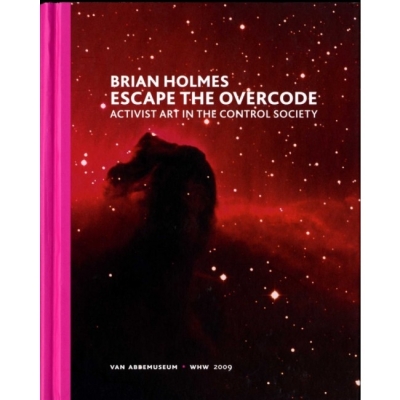
  • Brian Holmes

    Escape the Overcode. Activist Art in the Control Society

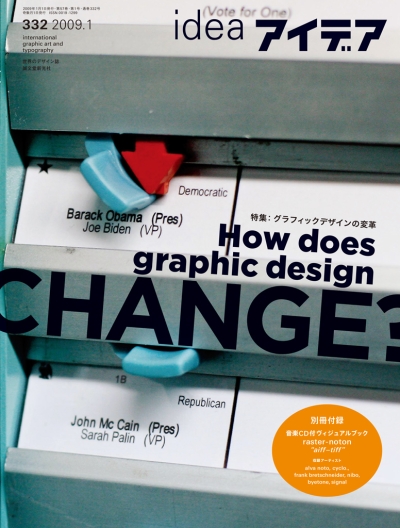
  • IDEA Magazine

    IDEA 332. How does graphic design CHANGE?

  • Jean-Luc Godard, Youssef Ishaghpour

    Archäologie des Kinos, Gedächtnis des Jahrhunderts

  • Arkitip No. 0048

    Ryan McGinness

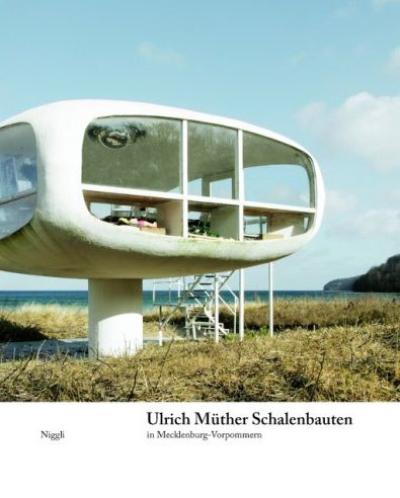
  • Rahel Lämmler, Michael Wagner

    Ulrich Müther. Schalenbauten in Mecklenburg-Vorpommern

  • Martina Löw

    Soziologie der Städte

  • gerade nicht auf Lager
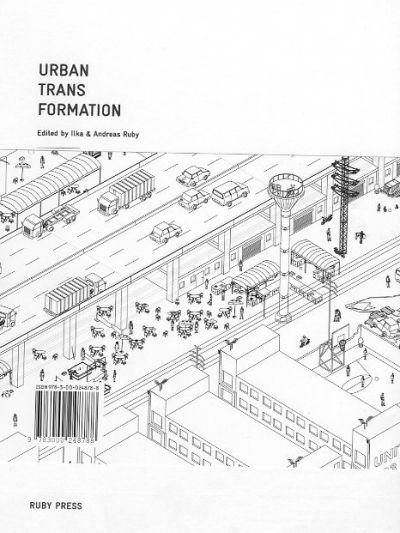
    Ilka & Andreas Ruby (Hg.)

    Urban Transformations

  • gerade nicht auf Lager
    Ralph Heidenreich, Stefan Heidenreich

    Mehr Geld

  • Sven Spieker

    The Big Archive. Art From Bureaucracy

  • Thomas Meinecke

    Jungfrau

  • Grada Kilomba

    Plantation Memories. Episodes of Everyday Racism

  • gerade nicht auf Lager
    Susanne von Falkenhausen

    KugelbauVisionen. Kulturgeschichte einer Bauform von der…

  • An Architektur

    An Architektur 22: GAMMA Grid, 1953. Das Ende des CIAM und…

  • gerade nicht auf Lager
    Felix Guattari

    The Three Ecologies

  • An Architektur

    An Architektur 19-21: Community Design. Involvement and…

  • Antonio Negri

    The Porcelain Workshop. For a New Grammar of Politics

  • Christoph Schaub, Michael Schindhelm

    Bird's Nest (DVD, 87 min.). Jacques Herzog und Pierre…

  • gerade nicht auf Lager
    Felicity D. Scott

    Architecture or Techno-Utopia. Politics after Modernism

  • gerade nicht auf Lager
    Birgit Schneider

    Textiles Prozessieren

  • gerade nicht auf Lager
    Georges Canguilhem

    Wissenschaft, Technik, Leben. Beiträge zur historischen…

  • gerade nicht auf Lager
    Stuart Elden, Elizabeth Lebas, Eleonore…

    Henri Lefebvre. Key Writings

  • Laurence A. Rickels

    Ulrike Ottinger. Eine Autobiografie

  • N. John Habraken, Arnulf Lüchinger

    Die Träger und die Menschen. Das Ende des Massenwohnungsbau…

  • gerade nicht auf Lager
    Liz Kotz

    Words to Be Looked at. Language in 1960s Art

  • gerade nicht auf Lager
    Guy Debord

    Comments on the Society of the Spectacle

  • Michel de Certeau

    Kunst des Handelns

  • gerade nicht auf Lager
    Jacques Ranciere

    Ist Kunst widerständig?

  • Alain Badiou

    Wofür steht der Name Sarkozy?

  • gerade nicht auf Lager
    Donna Haraway

    Die Neuerfindung der Natur. Primaten, Cyborgs und Frauen.

  • gerade nicht auf Lager
    Stefanie Schulte Strathaus, Florian…

    Wer sagt denn, dass Beton nicht brennt, hast Du’s probiert?

  • gerade nicht auf Lager
    Henri Lefebvre

    Writings on Cities

  • Loretta Napoleoni

    Rogue Economics. Capitalism's New Reality

  • AD

    AD 174. Vol. 75. Nr. 2. Samantha Hardingham. The 1970'…

  • An Architektur

    An Architektur 18: Camp for Oppositional Architecture:…

  • Johan Frederik Hartle

    Der geöffnete Raum. Zur Politik der ästhetischen Form

  • An Architektur

    An Architektur 16-17

  • Vera Beyer, Jutta Voorhoeve, Anselm…

    Das Bild ist der König. Repräsentation nach Louis Marin

  • An Architektur

    An Architektur 15 / FFM 11: Europäische…

  • An Architektur

    An Architektur 14: Camp for Oppositional Architecture

  • An Architektur

    An Architektur 11-13: Theorie und Praxis der Kartografie

  • An Architektur

    An Architektur 10: Gemeinschaftsräume

  • An Architektur

    An Architektur 04-09: Krieg und die Produktion von Raum

  • IDEA Magazine

    IDEA 296. Books <preposition> graphic design

  • IDEA Magazine

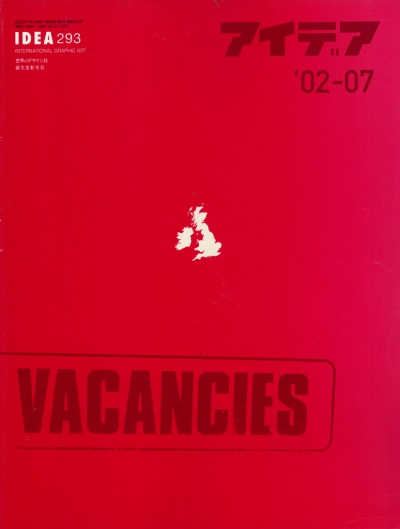
    IDEA 293. Stanley Donwood / Vacances. DD-DDD / Dimensions…

  • gerade nicht auf Lager
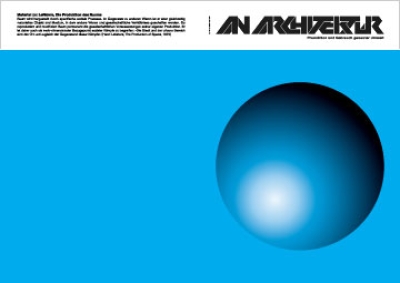
    An Architektur

    An Architektur 01-03

  • Pro qm

    Gutschein / Voucher

  • Siegfried Kracauer

    Das Ornament der Masse. Essays

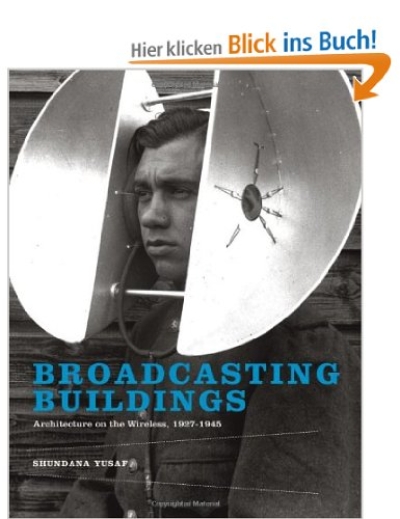
Broadcasting Buildings. Architecture on the Wireless, 1927-1945

In the years between the world wars, millions of people heard the world through a box on the dresser. In Britain, radio listeners relied on the British Broadcasting Corporation for information on everything from interior decoration to Hitler's rise to power. One subject covered regularly on the wireless was architecture and the built environment. Between 1927 and 1945, the BBC aired more than six hundred programs on this topic, published a similar number of articles in its magazine, The Listener, and sponsored several traveling exhibitions. In this book, Shundana Yusaf examines the ways that broadcasting placed architecture at the heart of debates on democracy. Undaunted by the challenge of talking about space and place in disembodied voices over a nonvisual medium, designers and critics turned the wireless into an arena for debates about the definitions of the architect and architecture, the difficulties of town and country planning after the breakup of large country estates, the financing of the luxury market, the expansion of local governing power, and tourism. Yusaf argues that while broadcast technology made a decisive break with the Victorian world, these broadcasts reflected the BBC's desire to continue the legacy of Victorian institutions dedicated to the production of a cultivated polity. Under the leadership of John Reith, the BBC introduced listeners to the higher pleasures of life hoping to deepen their respect for tradition, the authority of the state, and national interests. These ambitions influenced the way architecture was portrayed on the air. Yusaf finds that the wireless evoked historic architecture only in travelogues and contemporary design mainly in shopping advice. The BBC's architectural programming, she argues, offered a paradoxical interface between the placelessness of radio and the situatedness of architecture, between the mechanical or nonhumanistic impulses of technology and the humanist conception of architecture.


Shundana Yusaf
Broadcasting Buildings. Architecture on the Wireless, 1927-1945
MIT, 2014, 9780262026741
gerade nicht auf Lager