








Direkt zum Inhalt

Warenkorb

  • Grada Kilomba

    Plantation Memories. Episodes of Everyday Racism

  • An Architektur

    An Architektur 22: GAMMA Grid, 1953. Das Ende des CIAM und…

  • An Architektur

    An Architektur 19-21: Community Design. Involvement and…

  • Antonio Negri

    The Porcelain Workshop. For a New Grammar of Politics

  • Christoph Schaub, Michael Schindhelm

    Bird's Nest (DVD, 87 min.). Jacques Herzog und Pierre…

  • Laurence A. Rickels

    Ulrike Ottinger. Eine Autobiografie

  • N. John Habraken, Arnulf Lüchinger

    Die Träger und die Menschen. Das Ende des Massenwohnungsbau…

  • gerade nicht auf Lager
    Guy Debord

    Comments on the Society of the Spectacle

  • Michel de Certeau

    Kunst des Handelns

  • Alain Badiou

    Wofür steht der Name Sarkozy?

  • gerade nicht auf Lager
    Donna Haraway

    Die Neuerfindung der Natur. Primaten, Cyborgs und Frauen.

  • gerade nicht auf Lager
    Stefanie Schulte Strathaus, Florian…

    Wer sagt denn, dass Beton nicht brennt, hast Du’s probiert?

  • gerade nicht auf Lager
    Henri Lefebvre

    Writings on Cities

  • Loretta Napoleoni

    Rogue Economics. Capitalism's New Reality

  • AD

    AD 174. Vol. 75. Nr. 2. Samantha Hardingham. The 1970…

  • An Architektur

    An Architektur 18: Camp for Oppositional Architecture:…

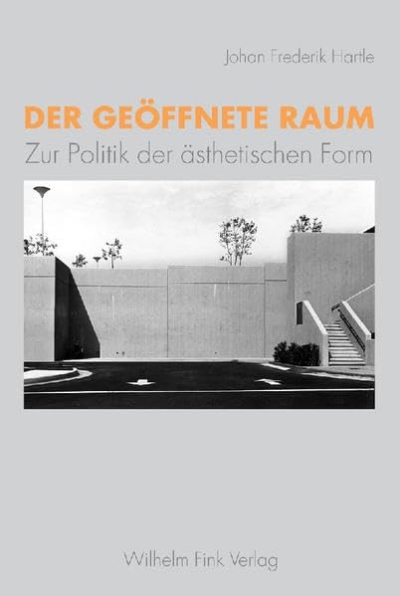
  • Johan Frederik Hartle

    Der geöffnete Raum. Zur Politik der ästhetischen Form

  • Jörg Dünne, Stephan Günzel (Hg.)

    Raumtheorie. Grundlagentexte aus Philosophie und…

  • An Architektur

    An Architektur 16-17

  • Vera Beyer, Jutta Voorhoeve, Anselm…

    Das Bild ist der König. Repräsentation nach Louis Marin

  • An Architektur

    An Architektur 15 / FFM 11: Europäische…

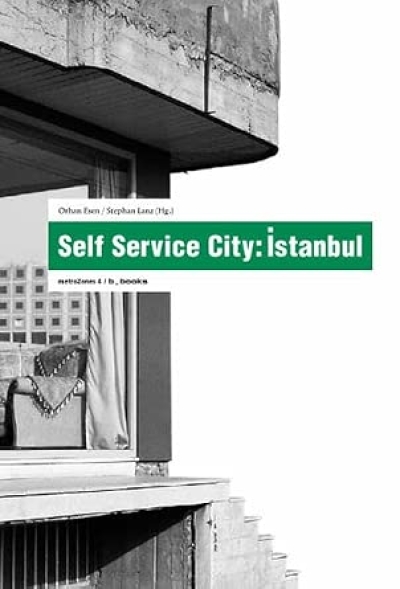
  • Orhan Esen, Stephan Lanz (Hg)

    Self Service City. Istanbul (metrozones 4)

  • An Architektur

    An Architektur 14: Camp for Oppositional Architecture

  • Stephan Lanz (Hg.)

    City of COOP. Ersatzökonomiern und städtische Bewegungen in…

  • An Architektur

    An Architektur 11-13: Theorie und Praxis der Kartografie

  • An Architektur

    An Architektur 10: Gemeinschaftsräume

  • Jochen Becker, Stephan Lanz (Hg.)

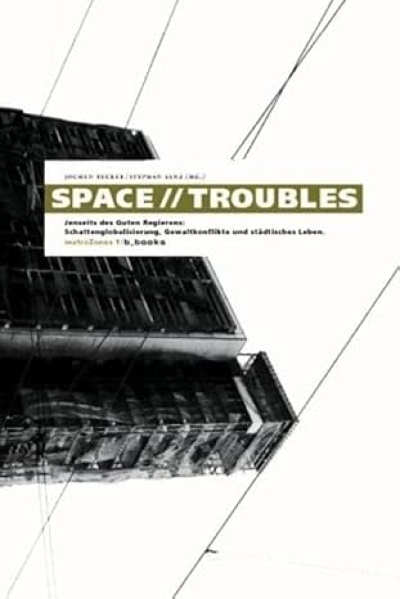
    Space//Troubles. Jenseits des Guten Regierens:…

  • Sarai media lab

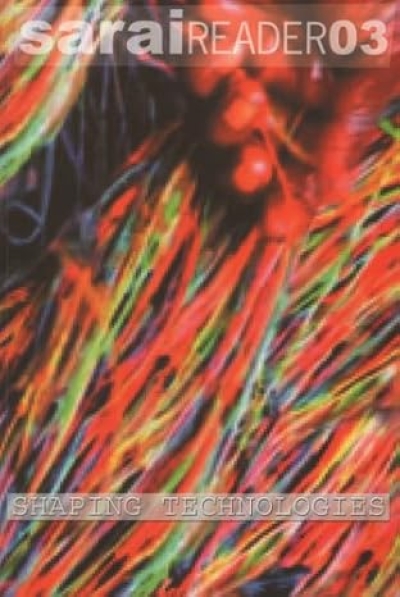
    Sarai Reader 03: shaping technologies

  • An Architektur

    An Architektur 04-09: Krieg und die Produktion von Raum

  • IDEA Magazine

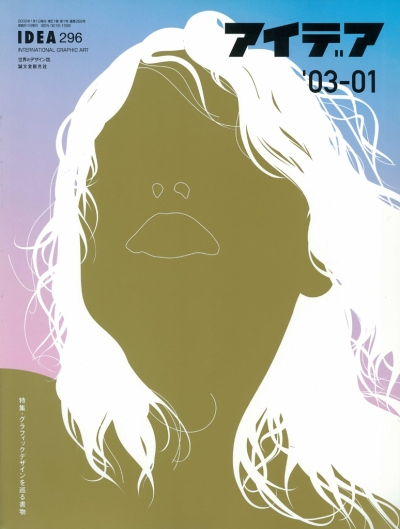
    IDEA 296. Books <preposition> graphic design

  • IDEA Magazine

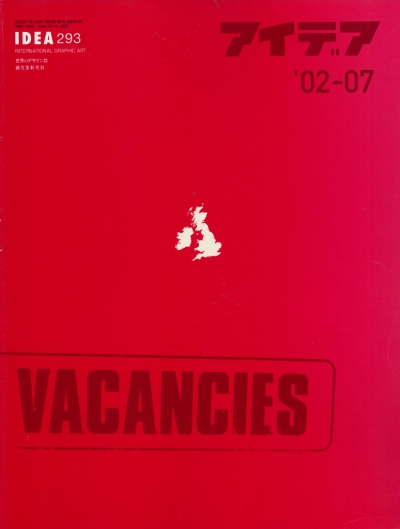
    IDEA 293. Stanley Donwood / Vacances. DD-DDD / Dimensions…

  • gerade nicht auf Lager
    An Architektur

    An Architektur 01-03

  • Martina Löw

    Raumsoziologie

  • Pro qm

    Gutschein / Voucher

  • Brian O'Doherty

    In der weissen Zelle. Inside the White Cube

  • Siegfried Kracauer

    Das Ornament der Masse. Essays

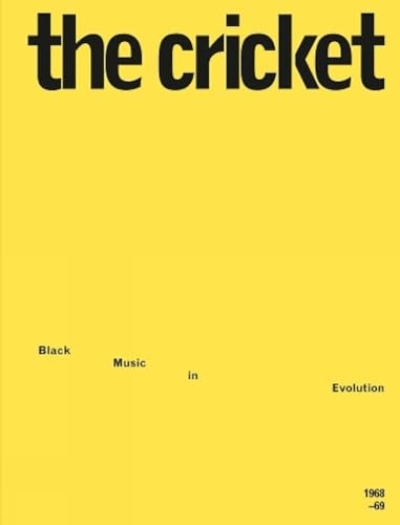
The Cricket. Black Music in Evolution, 1968 - 69

A rare document of the 1960s Black Arts Movement featuring Albert Ayler, Amiri Baraka, Milford Graves, Sun Ra, Cecil Taylor, and many more, The Cricket fostered critical and political dialogue for Black musicians and writers. Edited by poets and writers Amiri Baraka, A.B. Spellman, and Larry Neal between 1968 and 1969 and published by Baraka’s New Jersey–based Jihad productions shortly after the time of the Newark Riots, this experimental music magazine ran poetry, position papers, and gossip alongside concert and record reviews and essays on music and politics. Over four mimeographed issues, The Cricket laid out an anticommercial ideology and took aim at the conservative jazz press, providing a space for critics, poets, and journalists (including Stanley Crouch, Haki Madhubuti, Ishmael Reed, Sonia Sanchez and Keorapetse Kgositsile) and a range of musicians, from Mtume to Black Unity Trio, to devise new styles of music writing. The publication emerged from the heart of a political movement—“a proto-ideology, akin to but younger than the Garveyite movement and the separatism of Elijah Mohammed,” as Spellman writes in the book’s preface—and aimed to reunite advanced art with its community, “to provide Black Music with a powerful historical and critical tool” and to enable avant-garde Black musicians and writers “to finally make a way for themselves.” This publication gathers all issues of the magazine with an introduction by poet and scholar David Grundy, who argues that The Cricket “attempted something that was in many ways entirely new: creating a form of music writing which united politics, poetry, and aesthetics as part of a broader movement for change; resisting the entire apparatus through which music is produced, received, appreciated, distributed, and written about in the Western world; going well beyond the tried-and-tested journalistic route of description, evaluation, and narration.”  


David Grundy, A.B. Spellman
The Cricket. Black Music in Evolution, 1968 - 69
Blank Forms, 2022, 9781953691101
37,90 €