



Direkt zum Inhalt

Warenkorb

  • Adam Kraft

    KING SIZE. Tags, Bricolage and Subcultural Globalization

  • Piet Eckert, Wim Eckert (Hrsg.)

    Kirchenbauten / Church Buildings. Ein Archiv der…

  • Christian Nirvana Damato

    Retrograde Prometheus. Subjectivity & Computation

  • Karin Harrasser

    Des Teufels Leibspeise. Die Entstehung der verschlungenen…

  • Maliha Safri, Marianna Pavlovskaya,…

    Solidarity Cities. Confronting Racial Capitalism, Mapping…

  • Eyal Weizman

    Ungrounding. The Architecture of Genocide

  • gerade nicht auf Lager
    Yiorgis Yerolymbos, Platon Issaias

    Athens as a Project. A critical examination of the…

  • Spike

    Spike Art Magazine Issue 87 Everything's Computer

  • gerade nicht auf Lager
    Tom Simons, Rainer Knapas (Hg.)

    Aalto and Nature

  • Nitin Bathla, Silvia Cipelletti, Markus…

    Cinema and the City in the Age of Planetary Urbanization

  • Fachhochschule Potsdam, Hermann August…

    Die Schrebergartenlaube. Neue gestalterische Ansätze

  • gerade nicht auf Lager
    Alessandro Sbordoni

    Beyond the Image. On Visual Culture in the Twenty-First…

  • Javier Fernández Contreras, Youri…

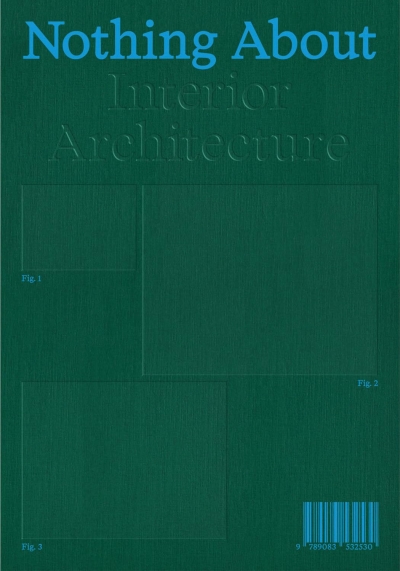
    Nothing About Interior Architecture

  • gerade nicht auf Lager
    Maisa Imamović

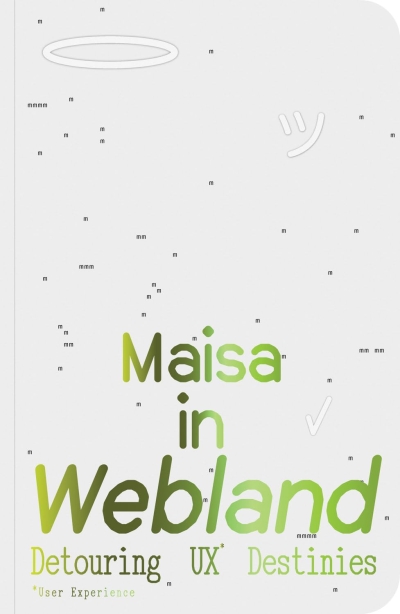
    Maisa in Webland. Detouring UX Destinies

  • Z

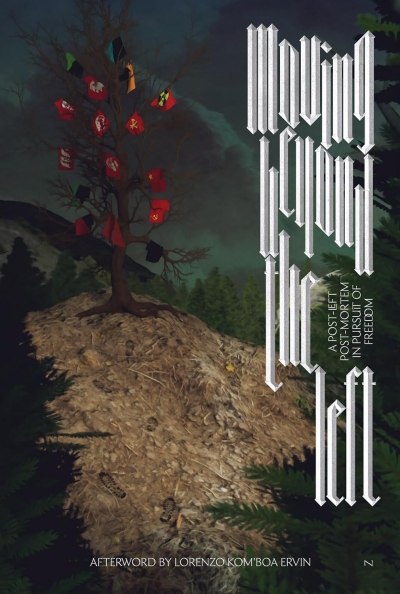
    Moving Beyond the Left: A Post-Left Post-Mortem in Pursuit…

  • ATI collective (Natalia Agati, Matteo…

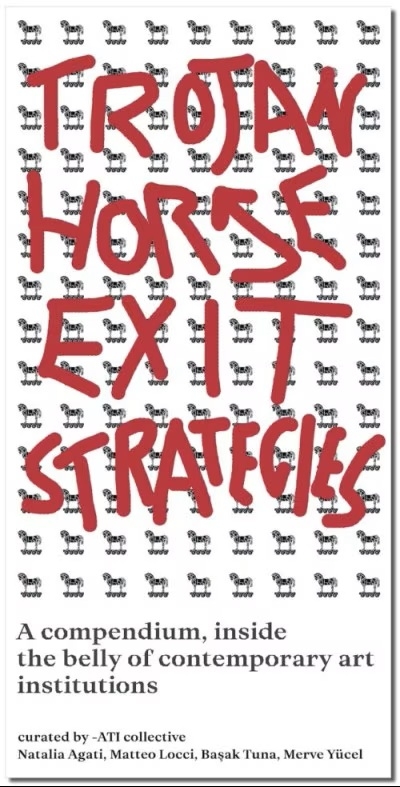
    Trojan Horse Exit Strategies. A compendium inside the belly…

  • Sarah Huber (Hg)

    Creative Formats Across Media and Disciplines. Assignments…

  • Lea Maria Spahn (ed.)

    Walking as Embodied Worldmaking. Bodies, Borders,…

  • Karin Christof

    Citizen Professionals - Reclaiming Collective Spaces for…

  • Giulia Cordin (ed.)

    When Words Fail. Knowledge Production Through Practice-…

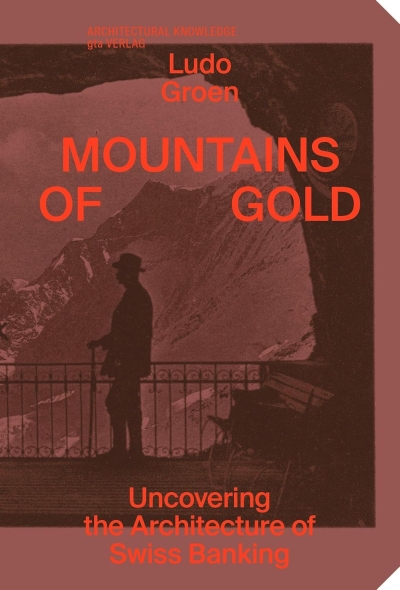
  • Ludo Groen

    Mountains of Gold. Uncovering the Architecture of Swiss…

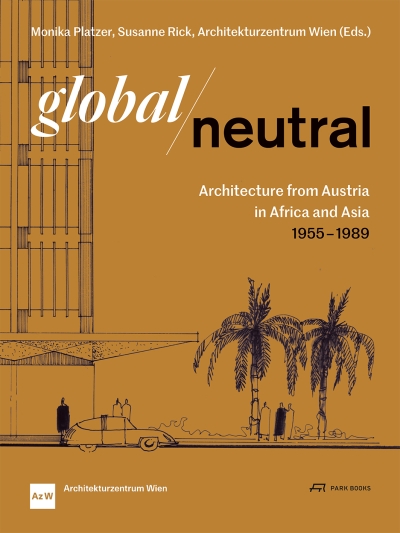
  • Monika Platzer, Susanne Rick,…

    Global / Neutral. Architecture from Austria in Africa and…

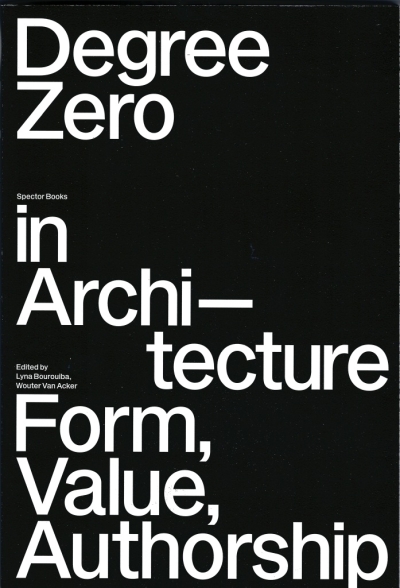
  • Lyna Bourouiba, Wouter Van Acker (Hg)

    Degree Zero in Architecture. Form, Value, Authorship

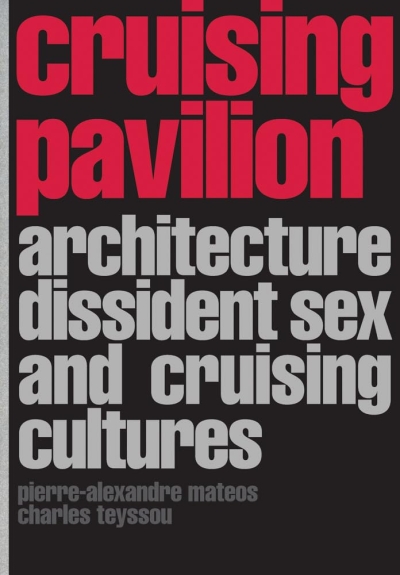
  • Pierre-Alexandre Mateos, Charles…

    Cruising Pavilion. Architecture, Dissident Sex and Cruising…

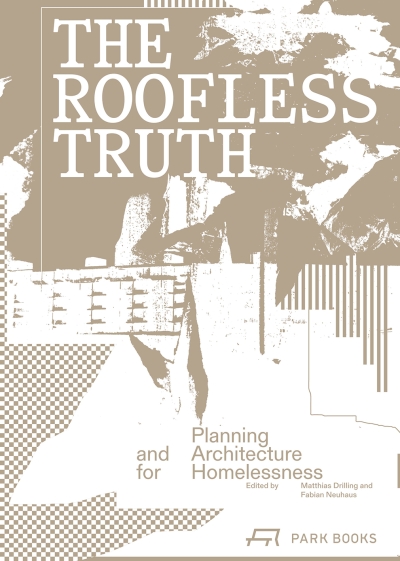
  • Matthias Drilling, Fabian Neuhaus (Hg)

    The Roofless Truth. Planning and Architecture for…

  • Anna-Sophie Springer & Etienne…

    Decapitated Economies (intercalations 5)

  • Christiane Rösinger

    The Joy of Ageing

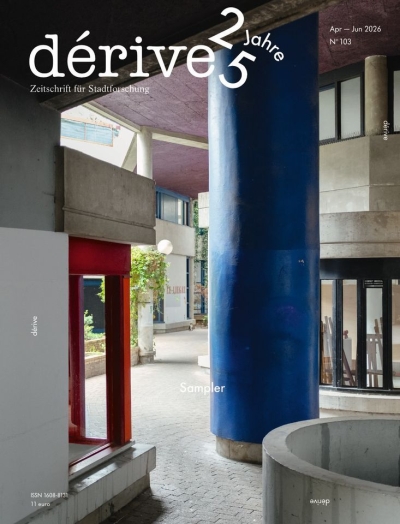
  • dérive

    dérive N° 103, Sampler (Apr - Jun 2026)

  • Judith Schalansky

    Marmor, Quecksilber, Nebel. Woraus die Welt gemacht ist

  • Dieter Thomä (Hg)

    Postismen. Vom Nutzen und Nachteil eines Denkmusters für…

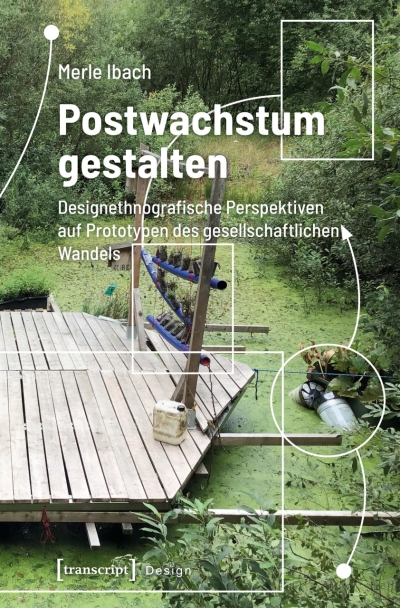
  • Merle Ibach

    Postwachstum gestalten. Designethnografische Perspektiven…

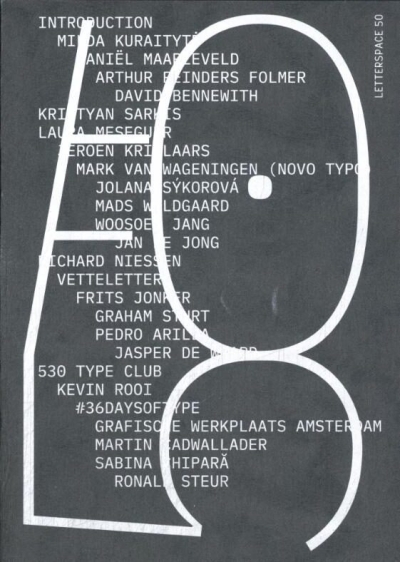
  • Edgar Walthert, George Sinclair (Hg)

    Letterspace 50

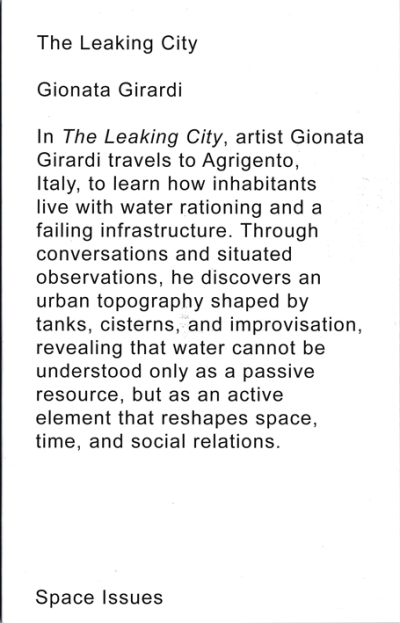
  • Gionata Girardi

    Space Issues: The Leaking City

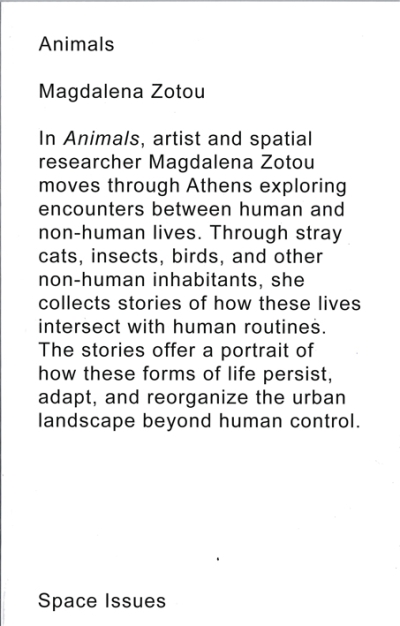
  • Magdalena Zotou

    Space Issues: Animals

  • gerade nicht auf Lager
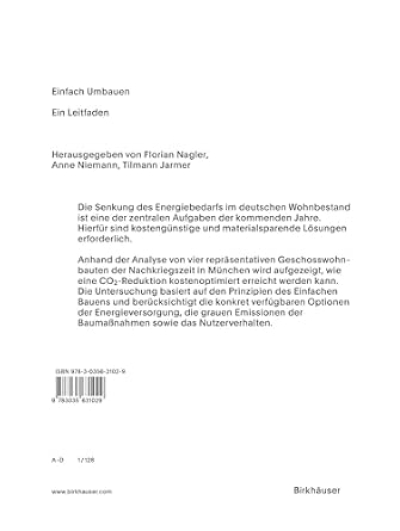
    Florian Nagler, Tilmann Jarmer, Anne…

    Einfach umbauen. Ein Leitfaden

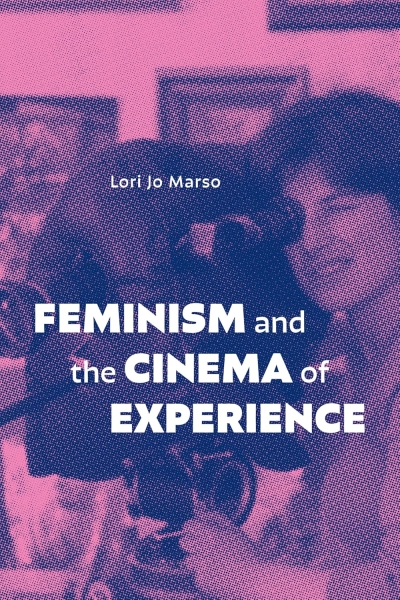
  • Lori Jo Marso

    Feminism and the Cinema of Experience

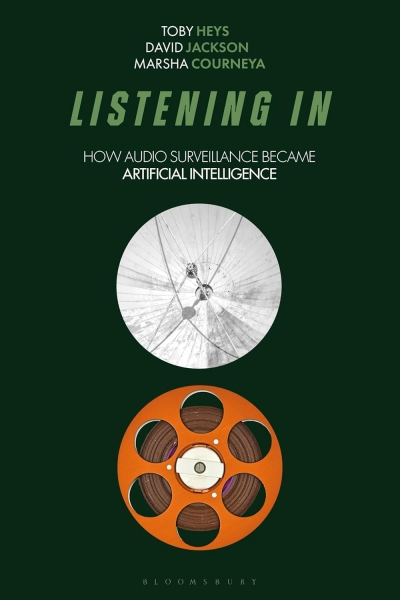
  • David Jackson, Marsha Courneya, Toby…

    Listening In. How Audio Surveillance Became Artificial…

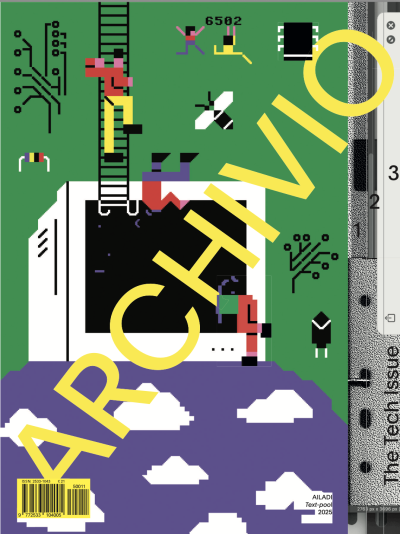
  • Daniela Hamaui (Ed.)

    Archivio Magazine N°11. The Tech Issue

  • Stewart Brand

    Maintenance: Of Everything. Part One

  • SdA Strategien der Aufstandsbekämpfung…

    The Subject of Counterrevolution. Art, War, and the Public.

  • Lou Manuel Arsenault

    Of Enemies & Venison. First Materials for an Aztec…

  • Jacques Rancière

    Wege der Kunst

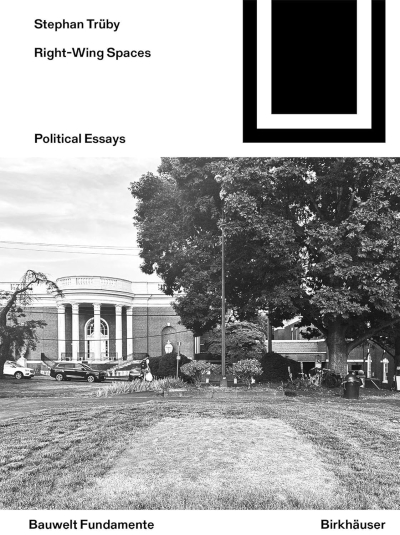
  • Stephan Trüby

    Right-Wing Spaces. Political Essays

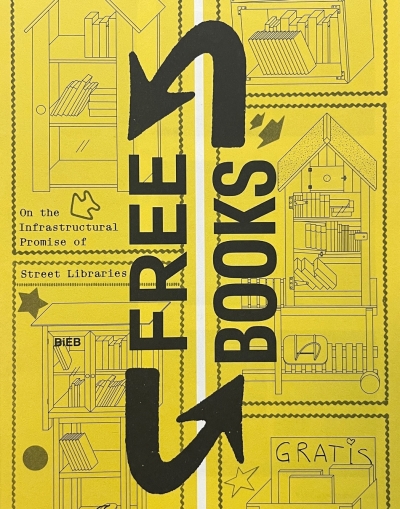
  • Apsara Flury, Livio Liechti

    FREE BOOKS. On the Infrastructural Promise of Street…

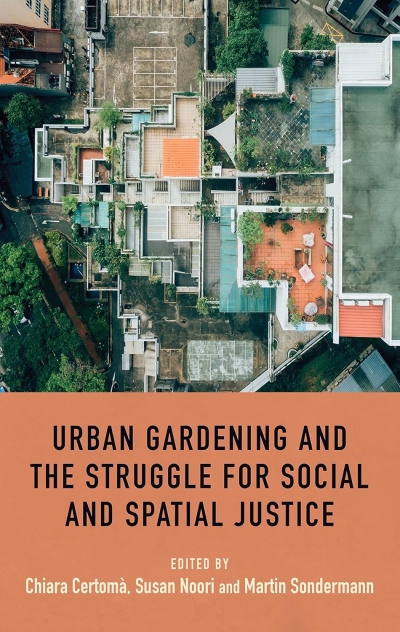
  • Chiara Certomà, Susan Noori, Martin…

    Urban gardening and the struggle for social and spatial…

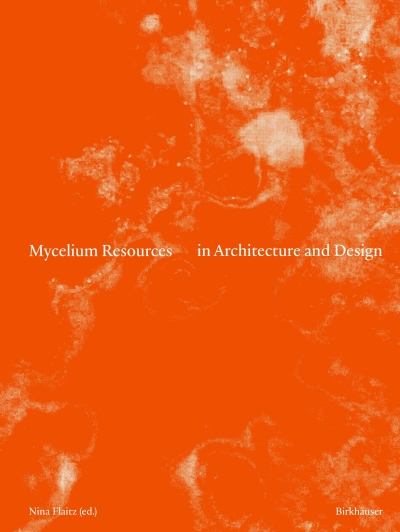
  • Nina Flaitz (Hg.)

    Mycelium Resources in Architecture and Design

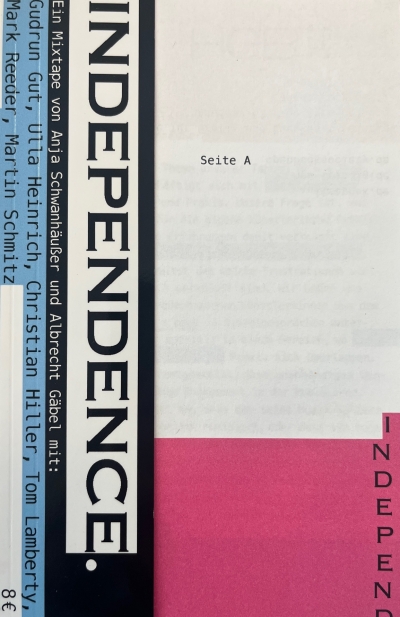
  • Anja Schwanhäußer, Albrecht Gäbel

    It's a Book, money low, funny though. Independence.…

  • gerade nicht auf Lager
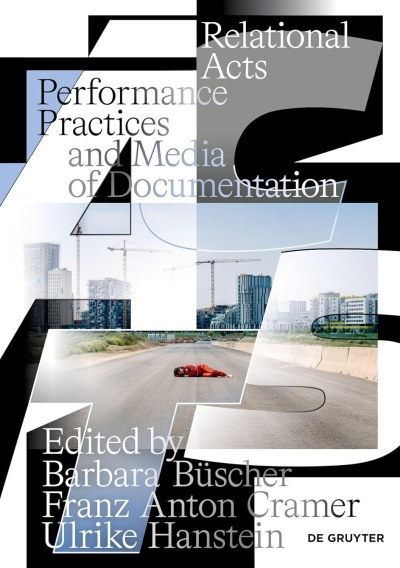
    Barbara Büscher, Franz Anton Cramer,…

    Relational Acts. Performance Practices and Media of…

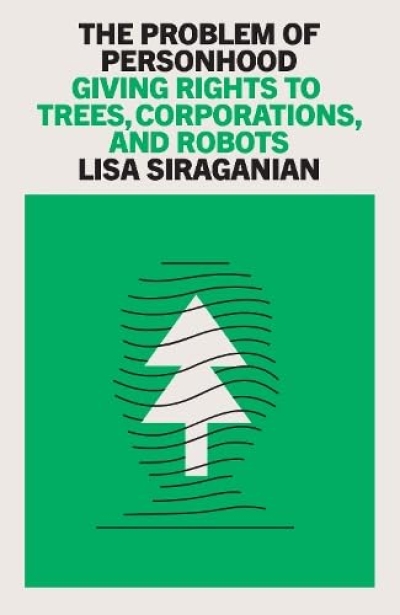
  • Lisa Siraganian

    The Problem of Personhood. Giving Rights to Trees,…

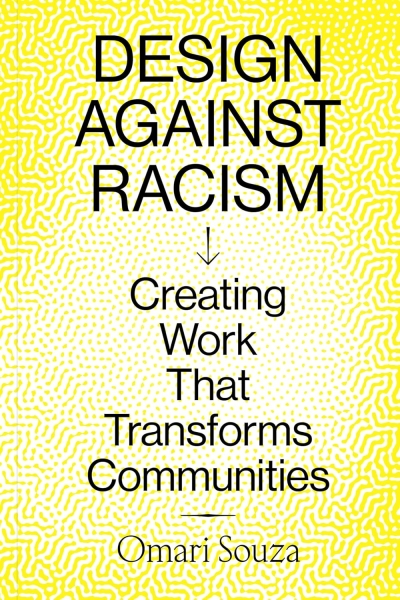
  • Omari Souza

    Design Against Racism. Creating Work That Transforms…

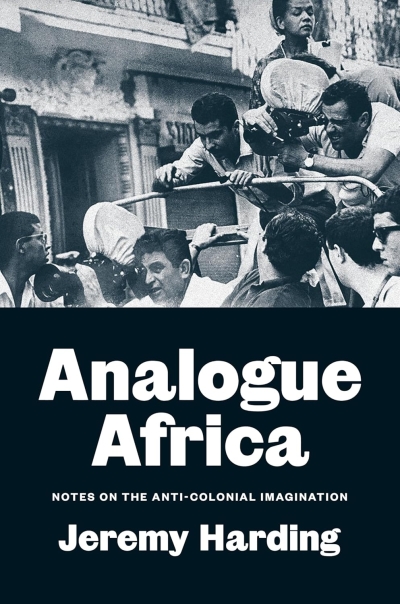
  • Jeremy Harding

    Analogue Africa. Notes on the Anti-Colonial Imagination

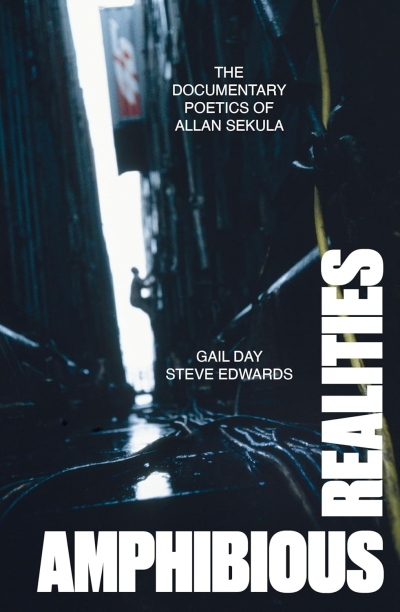
  • Gail Day, Steve Edwards

    Amphibious Realities. The Documentary Poetics of Allan…

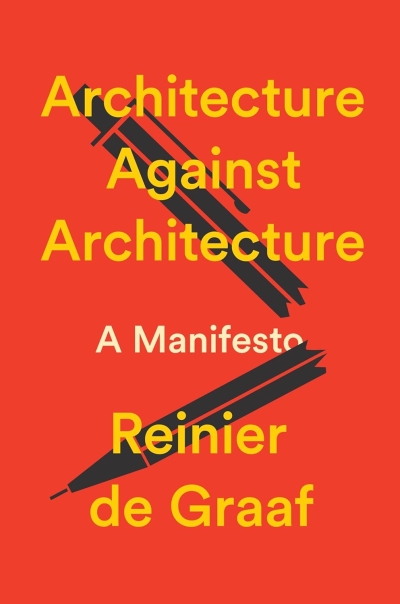
  • Reinier de Graaf

    Architecture Against Architecture. A Manifesto

  • Wolfgang Ernst

    Den Technológos aufspüren. Medienarchäologische Arbeit am…

  • Carolyn L. Kane, Lida Zeitlin-Wu (eds.)

    Color Protocols. Technologies of Racial Encoding in…

  • Peter Eisenman

    Rewriting Alberti

  • Lorenz Krauth (ed.)

    spheres of Post-Urban Spaces. 8 Essays and 4 Conversations

  • gerade nicht auf Lager
    Peter Wolfendale

    The Revenge of Reason

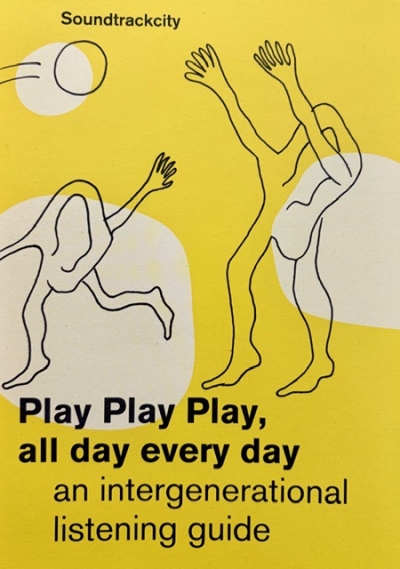
  • Soundtrackcity

    Play Play Play, all day every day. An Integrational…

  • Tom Holert, Volker Pantenburg (Hg)

    Harun Farocki. Häuserbauen und Filmemachen. Dokument,…

  • Annette Gigon, Mike Guyer, Arend Kölsch

    Haus, Energie und CO2. Ein Handbuch

  • gerade nicht auf Lager
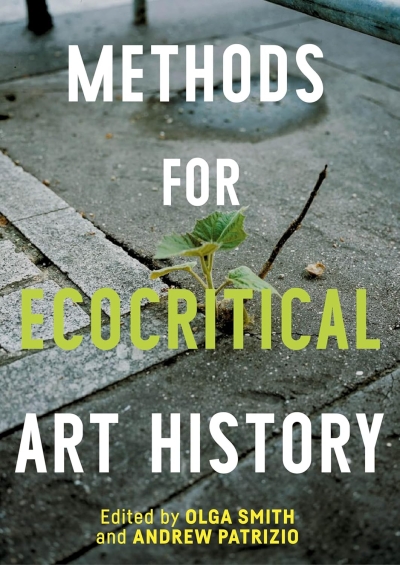
    Olga Smith, Andrew Patrizio (Eds)

    Methods for Ecocritical Art History

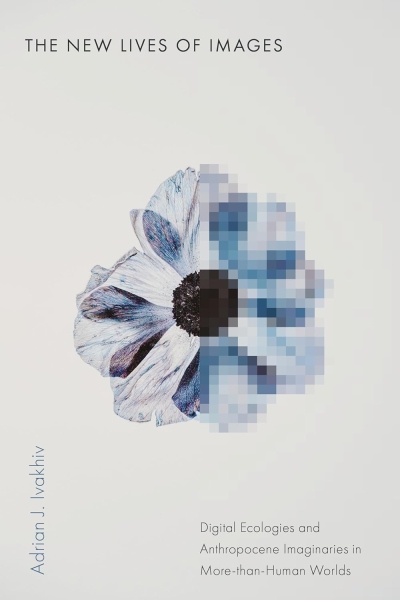
  • Adrian J. Ivakhiv

    The New Lives of Images. Digital Ecologies and Anthropocene…

  • gerade nicht auf Lager
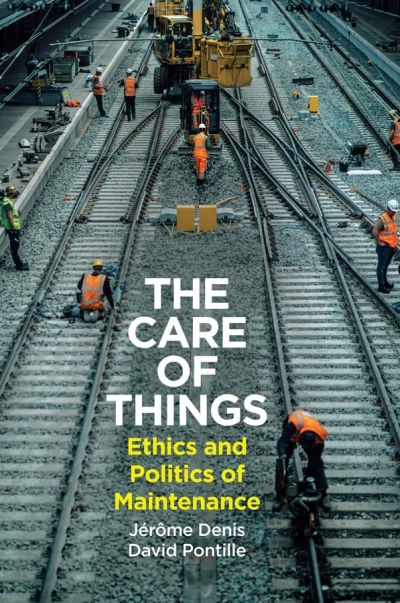
    Jerome Denis, David Pontille

    The Care of Things. Ethics and Politics of Maintenance

  • gerade nicht auf Lager
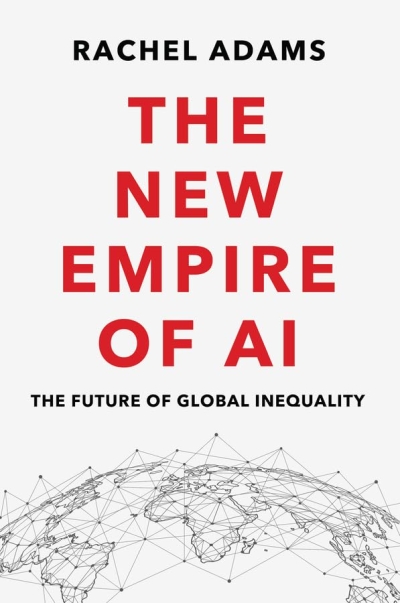
    Rachel Adams

    The New Empire of AI. The Future of Global Inequality

  • gerade nicht auf Lager
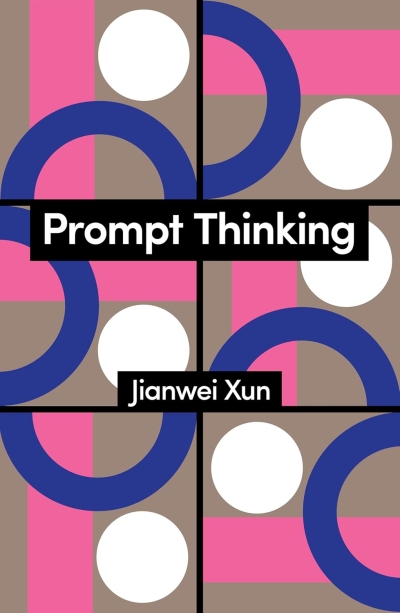
    Jianwei Xun

    Prompt Thinking. A Critique of Generative Reason

  • gerade nicht auf Lager
    Katia Baudin, Waleria Dorogova (Hg)

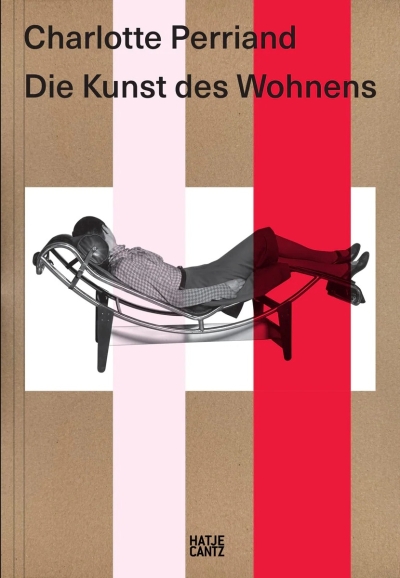
    Charlotte Perriand. Die Kunst des Wohnens

  • gerade nicht auf Lager
    Walter J. Scheirer

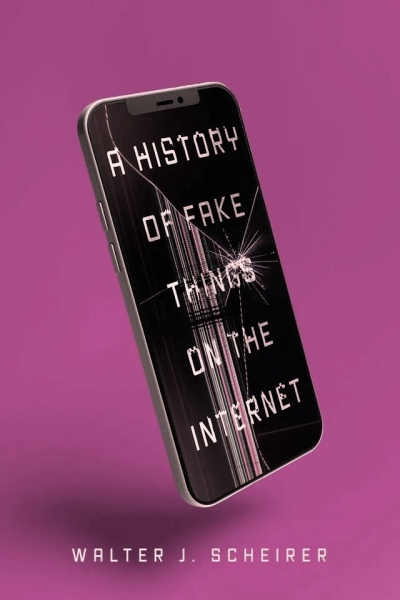
    A History of Fake Things on the Internet

  • Matias Echanove, Rahul Srivastava

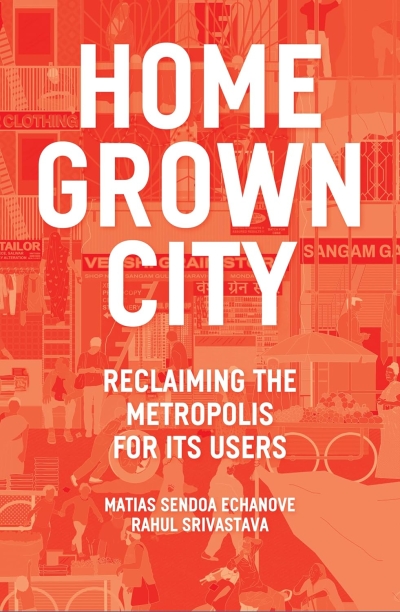
    The Homegrown City. Reclaiming the Metropolis for its Users

  • Suzanne Lettieri, Anya Sirota (Hg)

    Junior Architects. New Paradigms in Design Education

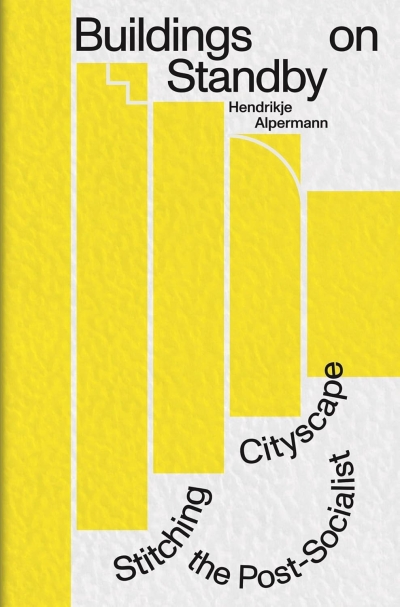
  • Hendrikje Alpermann

    Buildings on Standby: Stitching the Post-Socialist Cityscape

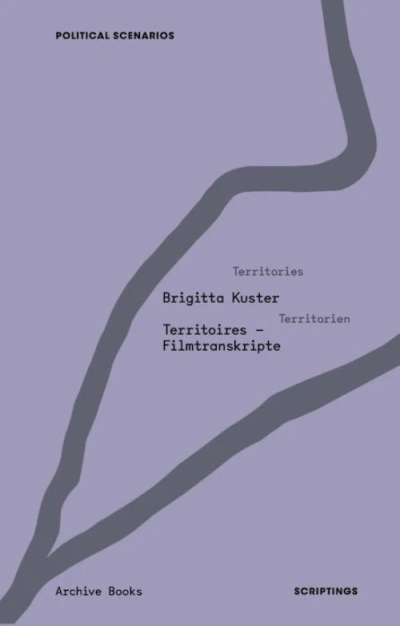
  • Brigitta Kuster, Achim Lengerer (Hg.)

    Territoires – Filmtranskripte

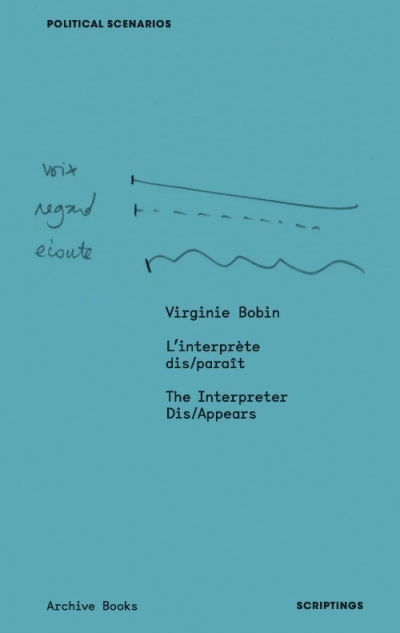
  • Virginie Bobin, Achim Lengerer (Hg)

    The Interpreter Dis/Appears. L'interprète dis/parait

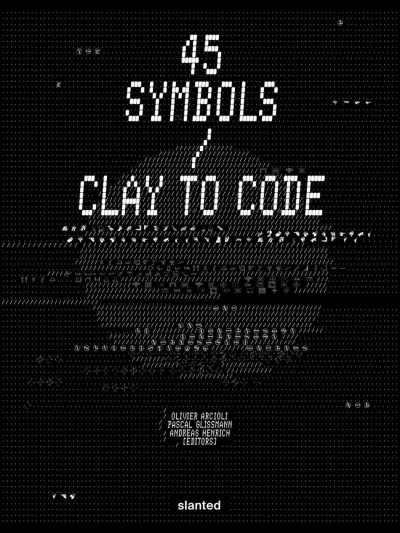
  • Andreas Henrich, Olivier Arcioli,…

    45 Symbols - Clay to Code

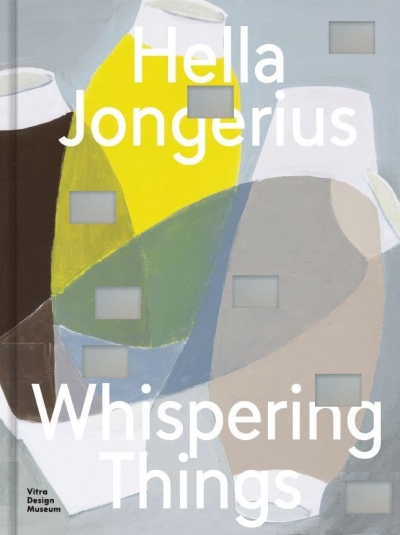
  • Mateo Kries, Glenn Adamson (Hrsg.)

    Hella Jongerius. Whispering Things

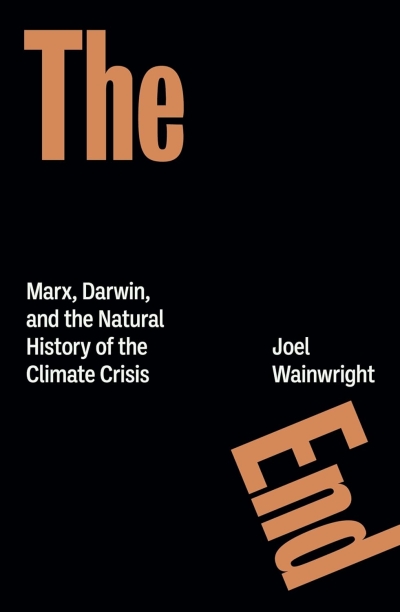
  • Joel Wainwright

    The End. Marx, Darwin, and the Natural History of the…

  • gerade nicht auf Lager
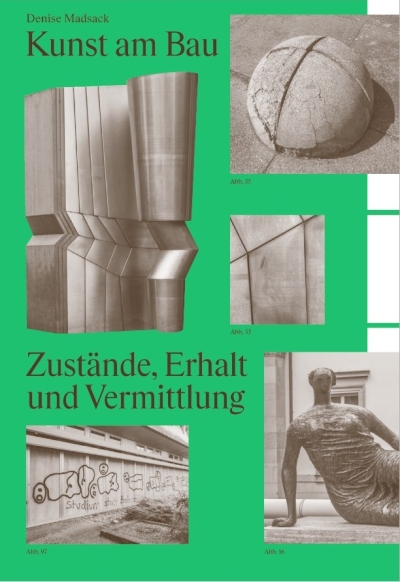
    Denise Madsack

    Kunst am Bau. Zustände, Erhalt und Vermittlung

  • Adrian Daub

    Was das Valley herrschen nennt

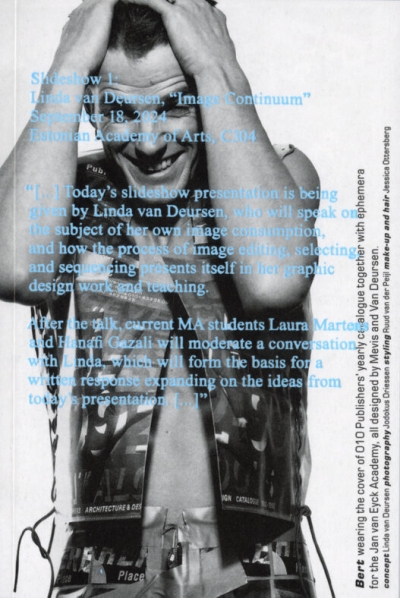
  • Linda van Deursen, Alexandra Margetic (…

    Slideshow 1: Linda van Deursen: “Image Continuum”

  • gerade nicht auf Lager
    Enrico Camporesi, Catherine de Smet,…

    Read Frame Type Film Or, Written on the Screen

  • gerade nicht auf Lager
    Werner Lorenz, Roland May (Hgs.)

    Bauen am Limit. Traditionen und Transformationen eines…

  • Christina Haas, Anne-Catherine Schröter…

    Kernkraftwerke. Nuclear Power Plants.

  • Jorge Muñoz, Jesús Vassallo

    The Houses of Guadalajara. Ghosts of Modernity / Ghosts of…

  • David Bröderbauer

    Acker, Baulücke, Deponie. Ein Brachenatlas

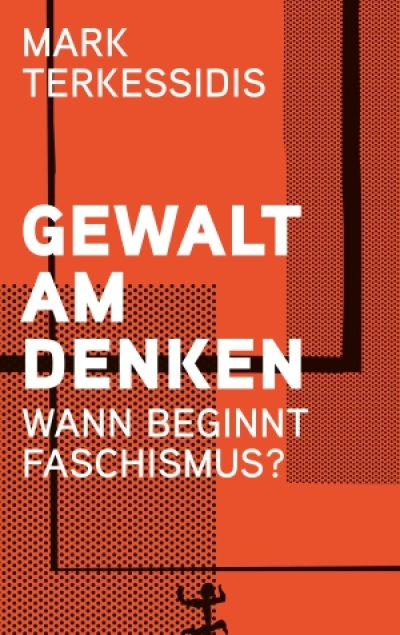
  • Mark Terkessidis

    Gewalt am Denken. Wann beginnt Faschismus?

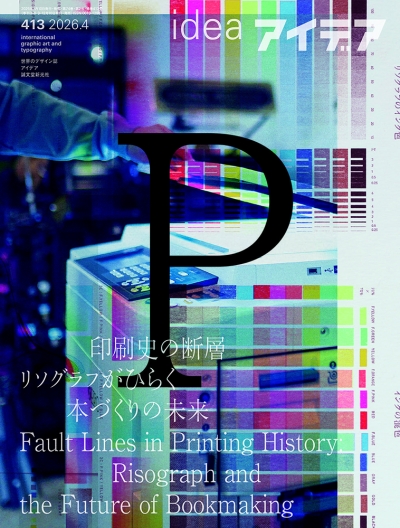
  • IDEA Magazine

    Idea 413. Fault Lines in Printing History: Risograph and…

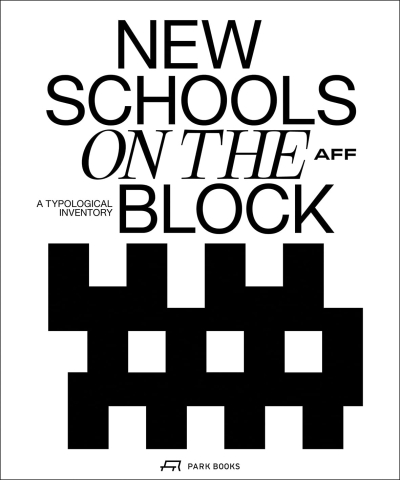
  • AFF Architekten, Kim Grundlach (Hg)

    AFF Architekten. New Schools on the Block. A Typological…

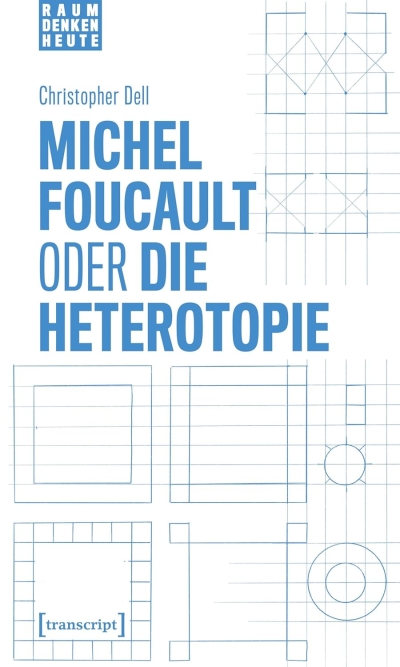
  • Christopher Dell

    Michel Foucault oder die Heterotopie

  • Cassie Thornton & Magdalena Jadwiga…

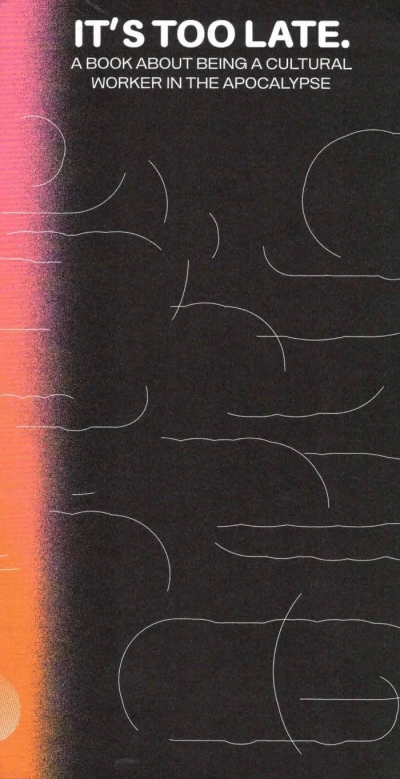
    It's Too Late. Do It Anyway!

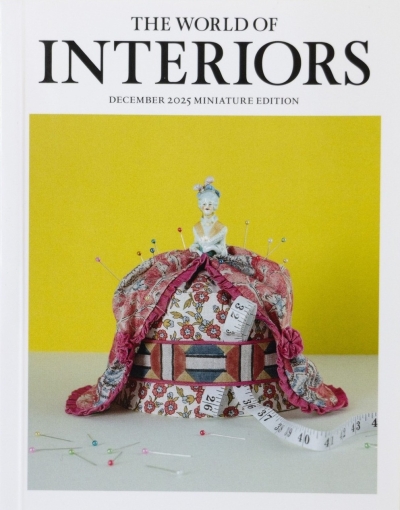
  • World of Interiors. December 2025 Mini Edition

  • gerade nicht auf Lager
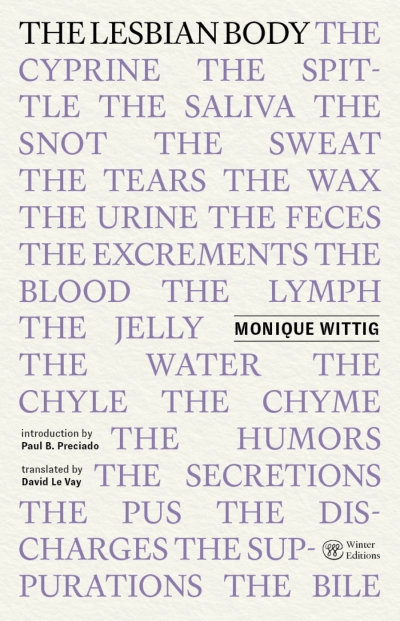
    Monique Wittig

    The Lesbian Body

  • gerade nicht auf Lager
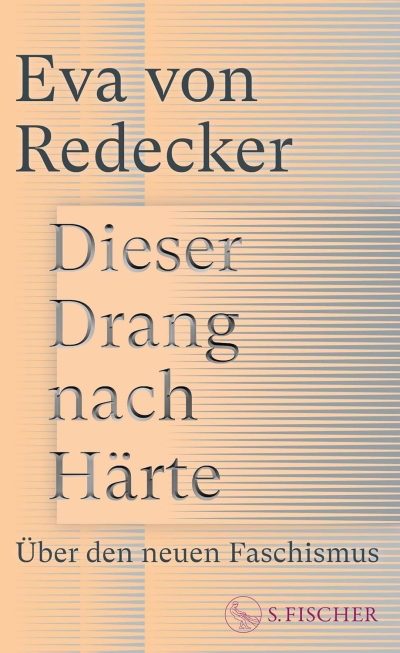
    Eva von Redecker

    Dieser Drang nach Härte. Über den neuen Faschismus

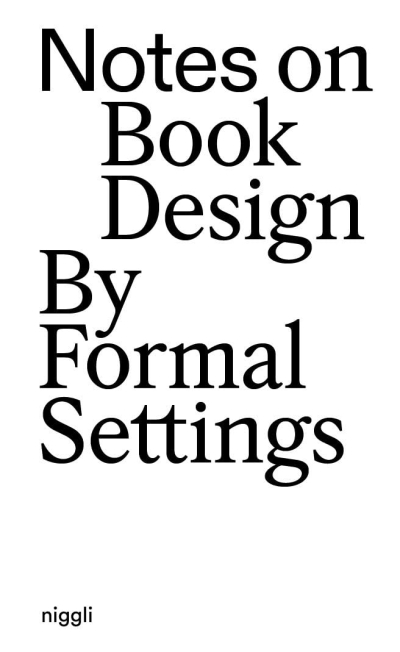
  • Amanda-Li Kollberg, Siri Lee Lindskrog

    Notes on Book Design: by Formal Setting

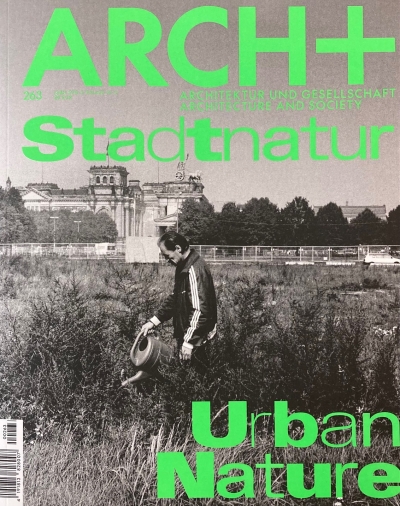
  • Anh-Linh Ngo

    ARCH+ 263. Stadtnatur / Urban Nature

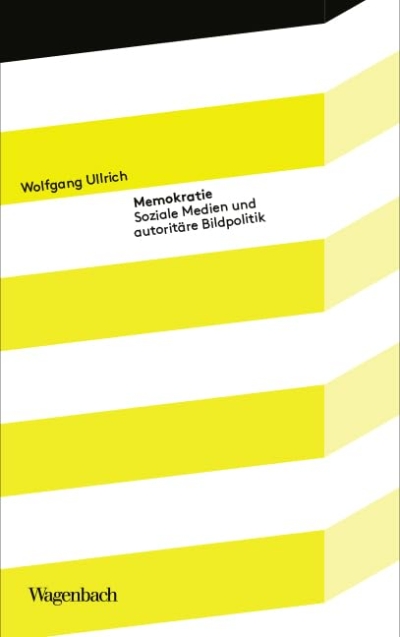
  • Wolfgang Ullrich

    Memokratie. Soziale Medien und autoritäre Bildpolitik

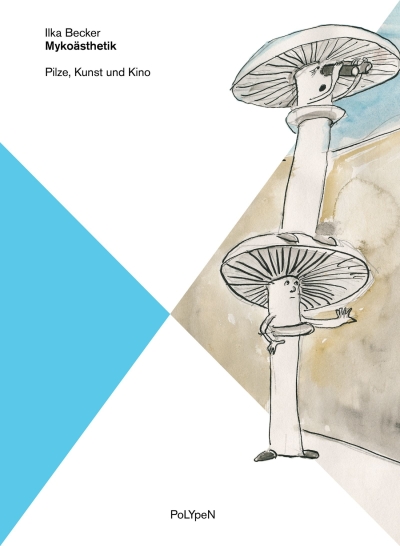
  • Ilka Becker

    Mykoästhetik. Pilze, Kunst und Kino

  • Inke Arns, Sabine Weier, Jan Wenzel,…

    Robotron. Code und Utopie

  • Sekou Cooke

    Black Architect

SIAHKAL 2.0: An A.I. resurrected discourse on Marxism & Islam


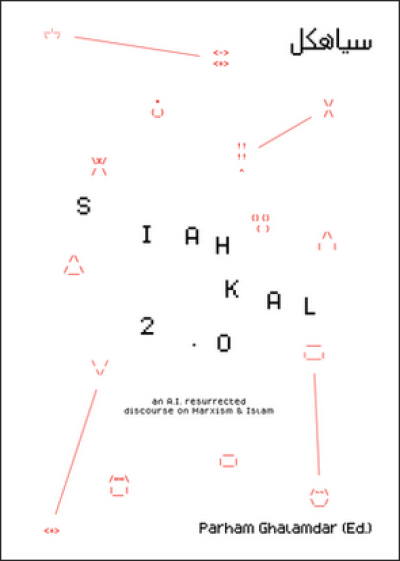
Siahkal names a place in the forests of Gilan and a threshold in revolutionary time. In 1971 a guerrilla action near Siahkal shook the order of the Shah. The action failed militarily yet seeded a myth for the People’s Fedai Guerrillas. Bizhan Jazani, a founding thinker, wrote and painted in prison and was executed in 1975. His work teaches that strategy rather than sentiment endures. // This book treats Siahkal as a Deep Object, a persistent attractor that gathers memory, images, and tactics. An AI model trained on Jazani’s writings and paintings translates his essay on Islamic Marxism and proposes annotations. The machine functions as a probe that widens attention while remaining accountable to the source. Parham Ghalamdar trained the AI, wrote the introduction, and composed ASCII diagrams and diagrammatic readings from Jazani’s artworks. Parsa Esmaeilzadeh contributes an essay that reads Jazani through Karatani and left accelerationism. // It is a call to reimagine and export revolution as a Deep Object that asks for Deep Time to unfold. This clandestine edition invites the reader to study, test, and build strategy that can outlast the news cycle and meet the future head on.

This is a limited edition book. The author trained an LLM on the texts of a deceased theorist, and then proceeded to interact with the LLM and produce simulations of what the theorist may have said in regards to various pertinent topics. The book is primarily a free online resource, but a few copies are being printed to commemorate the work. It has a foreword and afterword by the Editors.

At the core of this project is a translation of “Marxist Islam or Islamic Marxism,” a groundbreaking text written by Bizhan Jazani during his imprisonment in the 1970s under the Shah’s oppressive regime. Translated by Parham Ghalamdar, this work is accompanied by an introduction contextualizing Jazani’s radical vision. Ghalamdar also contributes a series of ASCII-style illustrations and diagrams—AI-assisted reinterpretations of Jazani’s original paintings and photographs—that bridge the past and present, offering a new perspective on his revolutionary artistry.


About the author
Parham Ghalamdar is a multidisciplinary artist currently based in the UK. Ghalamdar’s work traces forgotten mythologies, buried philosophies, and visual ruins, reconfiguring them into speculative worlds where memory, fiction, and futurism collapse into one another. Drawing on cybernetic theory and generative AI, he explores how systems of feedback, simulation, and machine vision mediate our understanding of history and possibility. Through painting, film, and writing, he builds narratives that feel both ancient and yet-to-come, haunted by lost histories and animated by possible futures.


Siahkal names a place in the forests of Gilan and a threshold in revolutionary time. In 1971 a guerrilla action near Siahkal shook the order of the Shah. The action failed militarily yet seeded a myth for the People’s Fedai Guerrillas. Bizhan Jazani, a founding thinker, wrote and painted in prison and was executed in 1975. His work teaches that strategy rather than sentiment endures. // This book treats Siahkal as a Deep Object, a persistent attractor that gathers memory, images, and tactics. An AI model trained on Jazani’s writings and paintings translates his essay on Islamic Marxism and proposes annotations. The machine functions as a probe that widens attention while remaining accountable to the source. Parham Ghalamdar trained the AI, wrote the introduction, and composed ASCII diagrams and diagrammatic readings from Jazani’s artworks. Parsa Esmaeilzadeh contributes an essay that reads Jazani through Karatani and left accelerationism. // It is a call to reimagine and export revolution as a Deep Object that asks for Deep Time to unfold. This clandestine edition invites the reader to study, test, and build strategy that can outlast the news cycle and meet the future head on.

This is a limited edition book. The author trained an LLM on the texts of a deceased theorist, and then proceeded to interact with the LLM and produce simulations of what the theorist may have said in regards to various pertinent topics. The book is primarily a free online resource, but a few copies are being printed to commemorate the work. It has a foreword and afterword by the Editors.

At the core of this project is a translation of “Marxist Islam or Islamic Marxism,” a groundbreaking text written by Bizhan Jazani during his imprisonment in the 1970s under the Shah’s oppressive regime. Translated by Parham Ghalamdar, this work is accompanied by an introduction contextualizing Jazani’s radical vision. Ghalamdar also contributes a series of ASCII-style illustrations and diagrams—AI-assisted reinterpretations of Jazani’s original paintings and photographs—that bridge the past and present, offering a new perspective on his revolutionary artistry.


About the author
Parham Ghalamdar is a multidisciplinary artist currently based in the UK. Ghalamdar’s work traces forgotten mythologies, buried philosophies, and visual ruins, reconfiguring them into speculative worlds where memory, fiction, and futurism collapse into one another. Drawing on cybernetic theory and generative AI, he explores how systems of feedback, simulation, and machine vision mediate our understanding of history and possibility. Through painting, film, and writing, he builds narratives that feel both ancient and yet-to-come, haunted by lost histories and animated by possible futures.


Siahkal names a place in the forests of Gilan and a threshold in revolutionary time. In 1971 a guerrilla action near Siahkal shook the order of the Shah. The action failed militarily yet seeded a myth for the People’s Fedai Guerrillas. Bizhan Jazani, a founding thinker, wrote and painted in prison and was executed in 1975. His work teaches that strategy rather than sentiment endures. // This book treats Siahkal as a Deep Object, a persistent attractor that gathers memory, images, and tactics. An AI model trained on Jazani’s writings and paintings translates his essay on Islamic Marxism and proposes annotations. The machine functions as a probe that widens attention while remaining accountable to the source. Parham Ghalamdar trained the AI, wrote the introduction, and composed ASCII diagrams and diagrammatic readings from Jazani’s artworks. Parsa Esmaeilzadeh contributes an essay that reads Jazani through Karatani and left accelerationism. // It is a call to reimagine and export revolution as a Deep Object that asks for Deep Time to unfold. This clandestine edition invites the reader to study, test, and build strategy that can outlast the news cycle and meet the future head on.

This is a limited edition book. The author trained an LLM on the texts of a deceased theorist, and then proceeded to interact with the LLM and produce simulations of what the theorist may have said in regards to various pertinent topics. The book is primarily a free online resource, but a few copies are being printed to commemorate the work. It has a foreword and afterword by the Editors.

At the core of this project is a translation of “Marxist Islam or Islamic Marxism,” a groundbreaking text written by Bizhan Jazani during his imprisonment in the 1970s under the Shah’s oppressive regime. Translated by Parham Ghalamdar, this work is accompanied by an introduction contextualizing Jazani’s radical vision. Ghalamdar also contributes a series of ASCII-style illustrations and diagrams—AI-assisted reinterpretations of Jazani’s original paintings and photographs—that bridge the past and present, offering a new perspective on his revolutionary artistry.


About the author
Parham Ghalamdar is a multidisciplinary artist currently based in the UK. Ghalamdar’s work traces forgotten mythologies, buried philosophies, and visual ruins, reconfiguring them into speculative worlds where memory, fiction, and futurism collapse into one another. Drawing on cybernetic theory and generative AI, he explores how systems of feedback, simulation, and machine vision mediate our understanding of history and possibility. Through painting, film, and writing, he builds narratives that feel both ancient and yet-to-come, haunted by lost histories and animated by possible futures.

Siahkal names a place in the forests of Gilan and a threshold in revolutionary time. In 1971 a guerrilla action near Siahkal shook the order of the Shah. The action failed militarily yet seeded a myth for the People’s Fedai Guerrillas. Bizhan Jazani, a founding thinker, wrote and painted in prison and was executed in 1975. His work teaches that strategy rather than sentiment endures. // This book treats Siahkal as a Deep Object, a persistent attractor that gathers memory, images, and tactics. An AI model trained on Jazani’s writings and paintings translates his essay on Islamic Marxism and proposes annotations. The machine functions as a probe that widens attention while remaining accountable to the source. Parham Ghalamdar trained the AI, wrote the introduction, and composed ASCII diagrams and diagrammatic readings from Jazani’s artworks. Parsa Esmaeilzadeh contributes an essay that reads Jazani through Karatani and left accelerationism. // It is a call to reimagine and export revolution as a Deep Object that asks for Deep Time to unfold. This clandestine edition invites the reader to study, test, and build strategy that can outlast the news cycle and meet the future head on.

This is a limited edition book. The author trained an LLM on the texts of a deceased theorist, and then proceeded to interact with the LLM and produce simulations of what the theorist may have said in regards to various pertinent topics. The book is primarily a free online resource, but a few copies are being printed to commemorate the work. It has a foreword and afterword by the Editors. 

At the core of this project is a translation of “Marxist Islam or Islamic Marxism,” a groundbreaking text written by Bizhan Jazani during his imprisonment in the 1970s under the Shah’s oppressive regime. Translated by Parham Ghalamdar, this work is accompanied by an introduction contextualizing Jazani’s radical vision. Ghalamdar also contributes a series of ASCII-style illustrations and diagrams—AI-assisted reinterpretations of Jazani’s original paintings and photographs—that bridge the past and present, offering a new perspective on his revolutionary artistry.


“Bizhan Jazani”, Parham Ghalamdar
SIAHKAL 2.0: An A.I. resurrected discourse on Marxism & Islam
Becoming Press, 2025, 978-9925-8207-7-1
gerade nicht auf Lager