
















Direkt zum Inhalt

Warenkorb

  • gerade nicht auf Lager
    Calla Henkel

    Other People's Clothes

  • gerade nicht auf Lager
    Philipp Sarasin

    1977. Eine kurze Geschichte der Gegenwart

  • gerade nicht auf Lager
    Patricia Bickers

    The Ends of Art Criticism

  • gerade nicht auf Lager
    Katharina Hoppe, Thomas Lemke

    Neue Materialismen zur Einführung

  • Zachary Horton

    The Cosmic Zoom. Scale, Knowledge, and Mediation

  • gerade nicht auf Lager
    Ciara Cremin

    The Future is Feminine. Capitalism and the Masculine…

  • gerade nicht auf Lager
    Kate Crawford

    Atlas of AI. Power, Politics, and the Planetary Costs of…

  • gerade nicht auf Lager
    N. Reynolds, M. McCormick

    No Fixed Points: Dance in the Twentieth Century

  • Design Studio for Social Intervention

    Ideas Arrangements Effects: Systems Design and Social…

  • gerade nicht auf Lager
    Inke Arns, Marie Lechner (Hg)

    Computer Grrrls. HMKV Ausstellungsmagazin 2021/1

  • Claude Lévi-Strauss

    Strukturale Anthropologie Zero

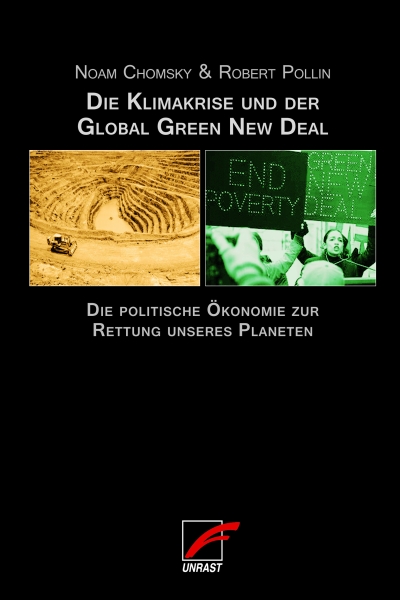
  • Noam Chomsky, Robert Pollin

    Die Klimakrise und der Global Green New Deal. Die…

  • gerade nicht auf Lager
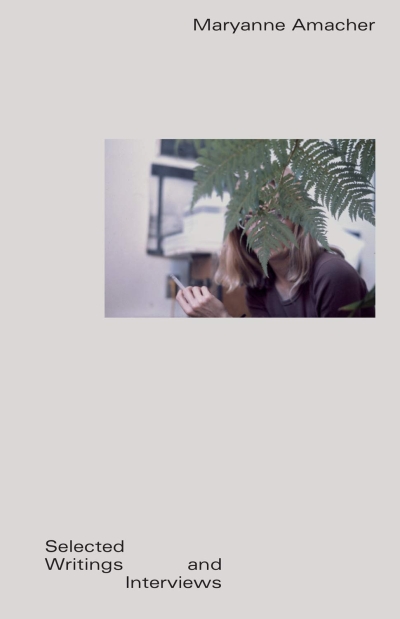
    Amy Cimini, Bill Dietz (eds)

    Maryanne Amacher: Selected Writings and Interviews

  • gerade nicht auf Lager
    Hélène Cixous (Wolfgang Hottner Hg.)

    Die meineidige Stadt oder das Erwachen der Erinyen

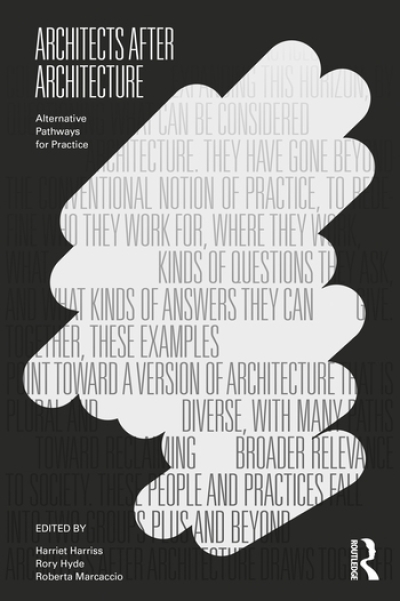
  • Harriet Harriss, Rory Hyde, Roberta…

    Architects After Architecture. Alternative Pathways for…

  • gerade nicht auf Lager
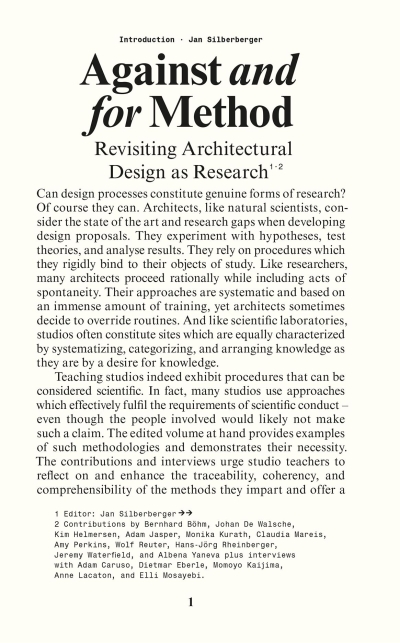
    Jan Silberberger (Ed.)

    Against and For Method. Revisiting Architectural Design as…

  • gerade nicht auf Lager
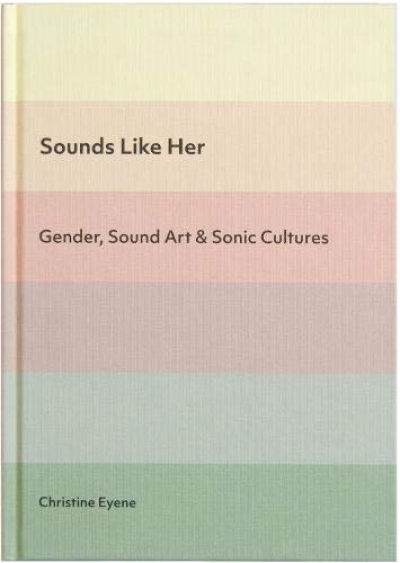
    Christine Eyene

    Sounds Like Her. Gender, Sound Art & Sonic Cultures

  • gerade nicht auf Lager
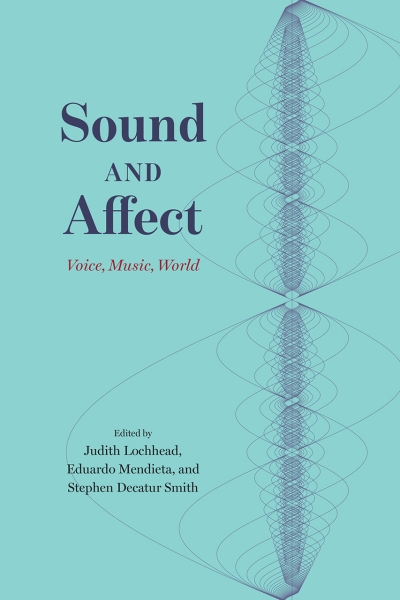
    Judith Lochhead, Eduardo Mendieta,…

    Sound and Affect. Voice, Music, World

  • Lee Chichester, Brigitte Sölch (Hg)

    Kunsthistorikerinnen 1910 - 1980. Theorien, Methoden,…

  • Tobias Michnik und Leander Nowack

    Übergangsräume. Die Bushaltestellen auf der Berliner…

  • gerade nicht auf Lager
    Annett Busch, Tobias Hering (Eds.)

    Tell It to the Stones. Encounters with the Films of Danièle…

  • gerade nicht auf Lager
    Boris Groys

    Logic of the Collection

  • gerade nicht auf Lager
    Daniela Zyman (Ed.)

    Oceans Rising. A Companion to “Territorial Agency: Oceans…

  • Peter Sutherland

    Colorado

  • gerade nicht auf Lager
    Elias Guenoun

    198 Wood Joints

  • Alison J. Clarke

    Victor Papanek. Designer for the Real World

  • gerade nicht auf Lager
    Philipp P. Metzger

    Wohnkonzerne enteignen! Wie Deutsche Wohnen & Co ein…

  • gerade nicht auf Lager
    Elizabeth Ezra

    The Cinema of Things. Globalization and the Posthuman Object

  • gerade nicht auf Lager
    MMS (Maryam Fanni, Matilda Flodmark and…

    Natural Enemies of Books. A Messy History of Women in…

  • gerade nicht auf Lager
    Sascha Roesler

    Weltkonstruktion. Eine Globalgeschichte der…

  • gerade nicht auf Lager
    Owen Hatherley

    Clean Living under Difficult Circumstances. Finding a Home…

  • gerade nicht auf Lager
    Benjamin Bratton

    The Revenge of the Real. Politics for a Post-Pandemic World

  • gerade nicht auf Lager
    Gisela Notz

    Genossenschaften. Geschichte, Aktualität und Renaissance

  • Lorenz Engell

    Das Schaltbild. Philosophie des Fernsehens

  • Rafal Niemojewski

    Biennials: The Exhibitions We Love to Hate

  • Jens Balzer

    High Energy. Die Achtziger - das pulsierende Jahrzehnt

  • gerade nicht auf Lager
    Bund Deutscher Architektinnen und…

    Architektinnen・BDA

  • gerade nicht auf Lager
    ETH Newrope (Ed.)

    Design in Dialogue. 51N4E, endeavour, Denkstatt

  • gerade nicht auf Lager
    J. Wangel, E. Fauré

    Beyond Efficiency. Speculative design for living in the…

  • gerade nicht auf Lager
    Michelle Christensen, Ralf Michel,…

    NERD - New Experimental Research in Design 2

  • gerade nicht auf Lager
    Brandon LaBelle, Víctor Aguado, Ramón…

    Party Studies Vol. 1: Home Gatherings, Flat Events, Festive…

  • gerade nicht auf Lager
    Tom Holert (Hg.)

    Harun Farocki. Unregelmäßig, nicht regellos. Texte 1986–2000

  • Barnabas Calder

    Architecture. From Prehistory to Climate Emergency

  • gerade nicht auf Lager
    Anne Miltenburg

    Design. Think. Make. Break. Repeat. A Handbook of Methods (…

  • IDEA Magazine

    IDEA 394. Class for Graphic Design Circle of Education,…

  • gerade nicht auf Lager
    Marie Staggat, Timo Stein

    Hush – Berliner Clubs in Zeiten der Stille / Berlin Club…

  • gerade nicht auf Lager
    Martina Löw, Volkan Sayman, Jona…

    Am Ende der Globalisierung: Über die Refiguration von Räumen

  • Carsten Seiffarth (Hg) edition neue…

    urban sound art / stadtklangkunst. bonn hoeren 2010-2019

  • gerade nicht auf Lager
    Andreas Malm and the Zetkin Collective

    White Skin, Black Fuel. On the Danger of Fossil Fascism

  • Andrej Holm, Ulrike Hamann, Sandy…

    Die Legende vom Sozialen Wohnungsbau

  • gerade nicht auf Lager
    Giulia Foscari / UNLESS (Hg)

    Antarctic Resolution

  • gerade nicht auf Lager
    Daniel Kiss, Simon Kretz (Hg)

    Relational Theories of Urban Form. An Anthology

  • gerade nicht auf Lager
    Friederike Landau, Lucas Pohl, Nikolai…

    [Un]Grounding: Post-foundational Geographies

  • Raúl Sánchez Cedillo

    Das Absolute der Demokratie. Gegenmächte, Körper-Maschinen…

  • gerade nicht auf Lager
    Anne Boyer

    Die Unsterblichen. Krankheit, Körper, Kapitalismus

  • gerade nicht auf Lager
    Jeffrey Hou, Sabine Knierbein (Eds.)

    City Unsilenced. Urban Resistance and Public Space in the…

  • Philipp Zitzlsperger

    Das Design-Dilemma zwischen Kunst und Problemlösung

  • Sekou Cooke

    Hip-Hop Architecture

  • Stefanie Bürkle

    MigraTouriSpace. Raummigration und Tourismus / Migrating…

  • Joannette van der Veer (Ed.)

    CriticALL! (un)professional everyday design criticism

  • gerade nicht auf Lager
    German Pavilion at the 17th…

    2038. The New Serenity

  • Isabelle Lorey

    Demokratie im Präsens. Eine Theorie der politischen…

  • Tom Holert, HKW (Hg.)

    Bildungsschock. Lernen, Politik und Architektur in den…

  • Donald K. Carter (Ed.)

    Remaking Post-Industrial Cities. Lessons from North America…

  • Harry W. Richardson, Chang Woon Nam (…

    Shrinking Cities. A Global Perspective

  • gerade nicht auf Lager
    Robert Klanten, Elli Stuhler (Hg)

    Evergreen Architecture. Overgrown Buildings and Greener…

  • gerade nicht auf Lager
    Edward Tufte

    Seeing With Fresh Eyes: Meaning, Space, Data, Truth

  • gerade nicht auf Lager
    Sara Ahmed

    Eigenwillige Subjekte. Eigenwilligkeit als Politik des…

  • gerade nicht auf Lager
    Francesco Garutti (ed.)

    The Things Around Us: 51N4E and Rural Urban Framework

  • gerade nicht auf Lager
    Anselm Franke, Nida Ghouse, Paz Guevara…

    Parapolitics. Cultural Freedom and the Cold War

  • Seng Kuan (Hg)

    Kazuo Shinohara. Traversing the House and the City

  • gerade nicht auf Lager
    Moisés Puente (Hg)

    2G 82. Ensamble Studio

  • Daniel Mettler, Daniel Studer (Hg) BUK…

    Konstruktion. Manual. ETH Zürich - BUK

  • gerade nicht auf Lager
    Andrea Long Chu

    Females. Alle sind weiblich

  • gerade nicht auf Lager
    Susan Schuppli

    Material Witness. Media, Forensics, Evidence

  • Cathy Lane, Angus Carlyle

    Sound arts now

  • Federica Bueti, Antonia Alampi,…

    We Have Delivered Ourselves from the Tonal — Von, mit, zu,…

  • gerade nicht auf Lager
    TVK. Pierre Alain Trévelo, Antoine…

    The Earth is an Architecture

  • gerade nicht auf Lager
    Helmut C. Schulitz

    The Turning Point in Architectural Design. A Historical…

  • Giulia Mensitieri

    Das schönste Gewerbe der Welt

  • gerade nicht auf Lager
    Robert McCarter

    Carlo Scarpa

  • gerade nicht auf Lager
    Deborah Chambers

    Cultural Ideals of Home. The Social Dynamics of Domestic…

  • gerade nicht auf Lager
    Peggy Blum

    Circular Fashion. Making the Fashion Industry Sustainable

  • gerade nicht auf Lager
    Gruppe Panther & Co

    Rebellisches Berlin. Expeditionen in die untergründige…

  • gerade nicht auf Lager
    Dominique Laleg

    Kritik der Perspektive

  • Hans-Jörg Rheinberger

    Spalt und Fuge. Eine Phänomenologie des Experiments

  • gerade nicht auf Lager
    Anthony McCosker, Rowan Wilken

    Automating Vision.The Social Impact of the New Camera…

  • gerade nicht auf Lager
    Klaus Englert

    Wie wir wohnen werden. Die Entwicklung der Wohnung und die…

  • gerade nicht auf Lager
    Nikolaus Hirsch, Jason Waite (eds)

    Don't follow the Wind (Critical Spatial Practice 12)

  • gerade nicht auf Lager
    Philipp Oswalt (Hg)

    Hannes Meyer's New Bauhaus Pedagogy. From Dessau to…

  • Torsten Blume, Claudia Perren, Stiftung…

    Ludwig Grote und die Bauhaus-Idee. Zur Westddeutschen…

  • gerade nicht auf Lager
    Vitra Design Museum

    Deutsches Design 1949-1989. Zwei Länder, eine Geschichte

  • Bernardo Bianchi, Emilie Filion-Donato…

    Materialism and Politics

  • gerade nicht auf Lager
    Sandra Meireis

    Mikro-Utopien der Architektur. Das utopische Moment…

  • Elna Matamoros

    Dance & Costumes. A History of Dressing Movement

  • gerade nicht auf Lager
    George Monbiot

    Verwildert. Die Wiederherstellung unserer Ökosysteme und…

  • Iris Därmann

    Widerstände. Gewaltenteilung in statu nascendi

  • gerade nicht auf Lager
    Thomas Piketty

    Pandemie und Ungleichheit. Ein Gespräch über die Ideologie…

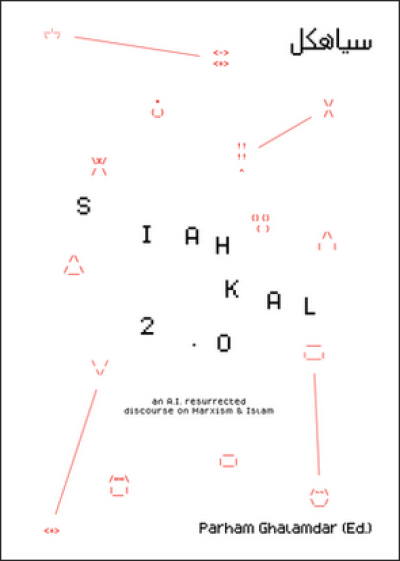
SIAHKAL 2.0: An A.I. resurrected discourse on Marxism & Islam


Siahkal names a place in the forests of Gilan and a threshold in revolutionary time. In 1971 a guerrilla action near Siahkal shook the order of the Shah. The action failed militarily yet seeded a myth for the People’s Fedai Guerrillas. Bizhan Jazani, a founding thinker, wrote and painted in prison and was executed in 1975. His work teaches that strategy rather than sentiment endures. // This book treats Siahkal as a Deep Object, a persistent attractor that gathers memory, images, and tactics. An AI model trained on Jazani’s writings and paintings translates his essay on Islamic Marxism and proposes annotations. The machine functions as a probe that widens attention while remaining accountable to the source. Parham Ghalamdar trained the AI, wrote the introduction, and composed ASCII diagrams and diagrammatic readings from Jazani’s artworks. Parsa Esmaeilzadeh contributes an essay that reads Jazani through Karatani and left accelerationism. // It is a call to reimagine and export revolution as a Deep Object that asks for Deep Time to unfold. This clandestine edition invites the reader to study, test, and build strategy that can outlast the news cycle and meet the future head on.

This is a limited edition book. The author trained an LLM on the texts of a deceased theorist, and then proceeded to interact with the LLM and produce simulations of what the theorist may have said in regards to various pertinent topics. The book is primarily a free online resource, but a few copies are being printed to commemorate the work. It has a foreword and afterword by the Editors.

At the core of this project is a translation of “Marxist Islam or Islamic Marxism,” a groundbreaking text written by Bizhan Jazani during his imprisonment in the 1970s under the Shah’s oppressive regime. Translated by Parham Ghalamdar, this work is accompanied by an introduction contextualizing Jazani’s radical vision. Ghalamdar also contributes a series of ASCII-style illustrations and diagrams—AI-assisted reinterpretations of Jazani’s original paintings and photographs—that bridge the past and present, offering a new perspective on his revolutionary artistry.


About the author
Parham Ghalamdar is a multidisciplinary artist currently based in the UK. Ghalamdar’s work traces forgotten mythologies, buried philosophies, and visual ruins, reconfiguring them into speculative worlds where memory, fiction, and futurism collapse into one another. Drawing on cybernetic theory and generative AI, he explores how systems of feedback, simulation, and machine vision mediate our understanding of history and possibility. Through painting, film, and writing, he builds narratives that feel both ancient and yet-to-come, haunted by lost histories and animated by possible futures.


Siahkal
names a place in the forests of Gilan and a threshold in revolutionary
time. In 1971 a guerrilla action near Siahkal shook the order of the
Shah. The action failed militarily yet seeded a myth for the People’s
Fedai Guerrillas. Bizhan Jazani, a founding thinker, wrote and painted
in prison and was executed in 1975. His work teaches that strategy
rather than sentiment endures. // This book treats Siahkal as a Deep
Object, a persistent attractor that gathers memory, images, and tactics.
An AI model trained on Jazani’s writings and paintings translates his
essay on Islamic Marxism and proposes annotations. The machine functions
as a probe that widens attention while remaining accountable to the
source. Parham Ghalamdar trained the AI, wrote the introduction, and
composed ASCII diagrams and diagrammatic readings from Jazani’s
artworks. Parsa Esmaeilzadeh contributes an essay that reads Jazani
through Karatani and left accelerationism. // It is a call to reimagine
and export revolution as a Deep Object that asks for Deep Time to
unfold. This clandestine edition invites the reader to study, test, and
build strategy that can outlast the news cycle and meet the future head
on.


This is a limited edition book. The author trained an LLM on the texts
of a deceased theorist, and then proceeded to interact with the LLM and
produce simulations of what the theorist may have said in regards to
various pertinent topics. The book is primarily a free online resource,
but a few copies are being printed to commemorate the work. It has a
foreword and afterword by the Editors.


At the core of this project is a translation of “Marxist Islam or
Islamic Marxism,” a groundbreaking text written by Bizhan Jazani during
his imprisonment in the 1970s under the Shah’s oppressive regime.
Translated by Parham Ghalamdar, this work is accompanied by an
introduction contextualizing Jazani’s radical vision. Ghalamdar also
contributes a series of ASCII-style illustrations and
diagrams—AI-assisted reinterpretations of Jazani’s original paintings
and photographs—that bridge the past and present, offering a new
perspective on his revolutionary artistry.


About the author

Parham Ghalamdar is a multidisciplinary artist currently based in the
UK. Ghalamdar’s work traces forgotten mythologies, buried philosophies,
and visual ruins, reconfiguring them into speculative worlds where
memory, fiction, and futurism collapse into one another. Drawing on
cybernetic theory and generative AI, he explores how systems of
feedback, simulation, and machine vision mediate our understanding of
history and possibility. Through painting, film, and writing, he builds
narratives that feel both ancient and yet-to-come, haunted by lost
histories and animated by possible futures.


Siahkal
names a place in the forests of Gilan and a threshold in revolutionary
time. In 1971 a guerrilla action near Siahkal shook the order of the
Shah. The action failed militarily yet seeded a myth for the People’s
Fedai Guerrillas. Bizhan Jazani, a founding thinker, wrote and painted
in prison and was executed in 1975. His work teaches that strategy
rather than sentiment endures. // This book treats Siahkal as a Deep
Object, a persistent attractor that gathers memory, images, and tactics.
An AI model trained on Jazani’s writings and paintings translates his
essay on Islamic Marxism and proposes annotations. The machine functions
as a probe that widens attention while remaining accountable to the
source. Parham Ghalamdar trained the AI, wrote the introduction, and
composed ASCII diagrams and diagrammatic readings from Jazani’s
artworks. Parsa Esmaeilzadeh contributes an essay that reads Jazani
through Karatani and left accelerationism. // It is a call to reimagine
and export revolution as a Deep Object that asks for Deep Time to
unfold. This clandestine edition invites the reader to study, test, and
build strategy that can outlast the news cycle and meet the future head
on.


This is a limited edition book. The author trained an LLM on the texts
of a deceased theorist, and then proceeded to interact with the LLM and
produce simulations of what the theorist may have said in regards to
various pertinent topics. The book is primarily a free online resource,
but a few copies are being printed to commemorate the work. It has a
foreword and afterword by the Editors.


At the core of this project is a translation of “Marxist Islam or
Islamic Marxism,” a groundbreaking text written by Bizhan Jazani during
his imprisonment in the 1970s under the Shah’s oppressive regime.
Translated by Parham Ghalamdar, this work is accompanied by an
introduction contextualizing Jazani’s radical vision. Ghalamdar also
contributes a series of ASCII-style illustrations and
diagrams—AI-assisted reinterpretations of Jazani’s original paintings
and photographs—that bridge the past and present, offering a new
perspective on his revolutionary artistry.


About the author

Parham Ghalamdar is a multidisciplinary artist currently based in the
UK. Ghalamdar’s work traces forgotten mythologies, buried philosophies,
and visual ruins, reconfiguring them into speculative worlds where
memory, fiction, and futurism collapse into one another. Drawing on
cybernetic theory and generative AI, he explores how systems of
feedback, simulation, and machine vision mediate our understanding of
history and possibility. Through painting, film, and writing, he builds
narratives that feel both ancient and yet-to-come, haunted by lost
histories and animated by possible futures.


Siahkal names a place in the forests of Gilan and a threshold in revolutionary time. In 1971 a guerrilla action near Siahkal shook the order of the Shah. The action failed militarily yet seeded a myth for the People’s Fedai Guerrillas. Bizhan Jazani, a founding thinker, wrote and painted in prison and was executed in 1975. His work teaches that strategy rather than sentiment endures. // This book treats Siahkal as a Deep Object, a persistent attractor that gathers memory, images, and tactics. An AI model trained on Jazani’s writings and paintings translates his essay on Islamic Marxism and proposes annotations. The machine functions as a probe that widens attention while remaining accountable to the source. Parham Ghalamdar trained the AI, wrote the introduction, and composed ASCII diagrams and diagrammatic readings from Jazani’s artworks. Parsa Esmaeilzadeh contributes an essay that reads Jazani through Karatani and left accelerationism. // It is a call to reimagine and export revolution as a Deep Object that asks for Deep Time to unfold. This clandestine edition invites the reader to study, test, and build strategy that can outlast the news cycle and meet the future head on.

This is a limited edition book. The author trained an LLM on the texts of a deceased theorist, and then proceeded to interact with the LLM and produce simulations of what the theorist may have said in regards to various pertinent topics. The book is primarily a free online resource, but a few copies are being printed to commemorate the work. It has a foreword and afterword by the Editors. 

At the core of this project is a translation of “Marxist Islam or Islamic Marxism,” a groundbreaking text written by Bizhan Jazani during his imprisonment in the 1970s under the Shah’s oppressive regime. Translated by Parham Ghalamdar, this work is accompanied by an introduction contextualizing Jazani’s radical vision. Ghalamdar also contributes a series of ASCII-style illustrations and diagrams—AI-assisted reinterpretations of Jazani’s original paintings and photographs—that bridge the past and present, offering a new perspective on his revolutionary artistry.


“Bizhan Jazani”, Parham Ghalamdar
SIAHKAL 2.0: An A.I. resurrected discourse on Marxism & Islam
Becoming Press, 2025, 978-9925-8207-7-1
15,00 €